Search Results for: breathable paint stucco

Stucco exterior walls on a house under clear blue sky

Stucco color fade on south walls: UV reality, pigment choices, and repaint intervals

Introduction Stucco color fade on south walls happens when sun exposure and UV light fade the pigment over time. This is common on exterior surfaces that receive strong afternoon sun. Understanding what to expect helps plan when to repaint and what finishes stand up best. Choosing the right paint type and pigment can improve durability […]

Stucco color fade on south walls: UV reality, pigment choices, and repaint intervals Read More »

Hand scraping delaminated stucco from wall with scraper

Stucco delamination from paint layers: how to test adhesion before you repaint

Introduction Delamination in stucco paint means the coating is no longer firmly attached to the underlying surface. Testing adhesion before repainting shows whether the surface is ready to be prepped and primed. A quick check helps you plan the cleaning, scraping, and sealing steps. To test adhesion, use a simple peel or lift test on

Stucco delamination from paint layers: how to test adhesion before you repaint Read More »

Exterior stucco wall with scaffolding set up for repair

Patching stucco after plumbing repairs: backing methods that prevent a soft spot

Introduction Backing methods for patching stucco after plumbing repairs provide support under the patch to keep it solid. They help prevent sagging or settling as the repair dries and cures. Choose a backing that fits behind the stucco and works with the existing wall. Place the backing so it sits behind the new stucco and

Patching stucco after plumbing repairs: backing methods that prevent a soft spot Read More »

Two-story stucco house exterior with windows and garage door

Stucco termite inspection gaps: keeping clearances without leaving raw edges

Introduction Stucco Gap Inspection and Repair To minimize termite access, keep gaps around stucco clear while preventing exposed raw edges. Inspect edges, corners, and joints where stucco meets other materials regularly. Focus on these areas: Stucco-to-stucco joints Stucco-to-frame connections Stucco-to-foundation interfaces Upon discovering gaps, repair them neatly using suitable flashing or backer materials and compatible

Stucco termite inspection gaps: keeping clearances without leaving raw edges Read More »

Stucco wall with three boarded openings and rust stains below

Tracking hidden metal in stucco: stopping rust stains from coming back after repairs

Introduction Tracking hidden metal in stucco is the process of locating metal components behind the stucco to prevent rust-related damage. Rust stains can reappear if metal isn’t found and treated. This introduction covers practical steps for checking, repairing, and preventing future issues. Techniques for detecting hidden metal include visual clues and non-destructive checks. Common causes

Tracking hidden metal in stucco: stopping rust stains from coming back after repairs Read More »

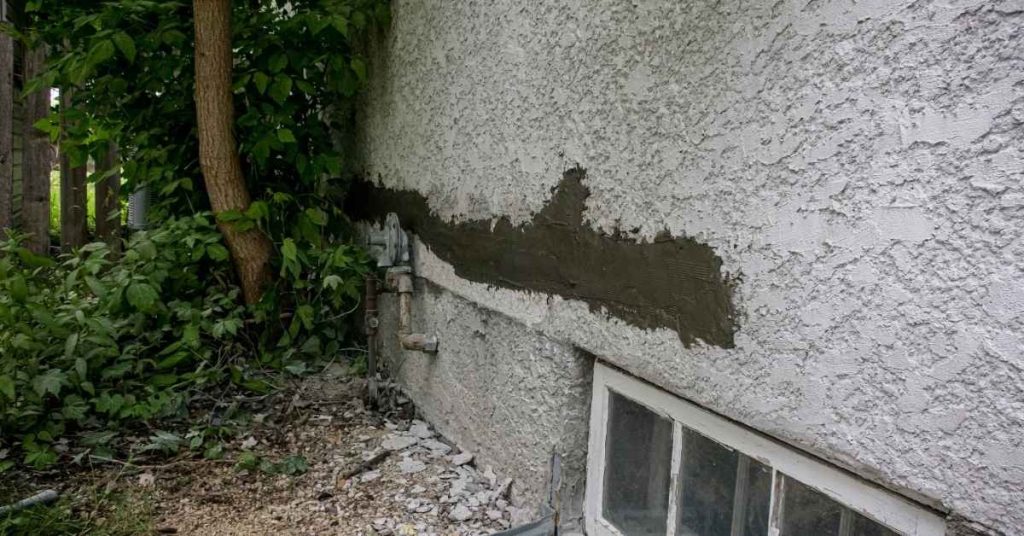
Stucco wall with fresh dark patch repair near window and vegetation

Stucco patch blends that don’t ‘picture frame’: sand matching, fog coats, and feather technique

Introduction Stucco patches can blend in by matching the sand texture, applying a light fog coat, and feathering the edges to disappear. This approach focuses on how the repair looks from close up and at a distance, not on replacing the entire wall. It’s a practical, hands-on method for making repairs less noticeable. Start by

Stucco patch blends that don’t ‘picture frame’: sand matching, fog coats, and feather technique Read More »

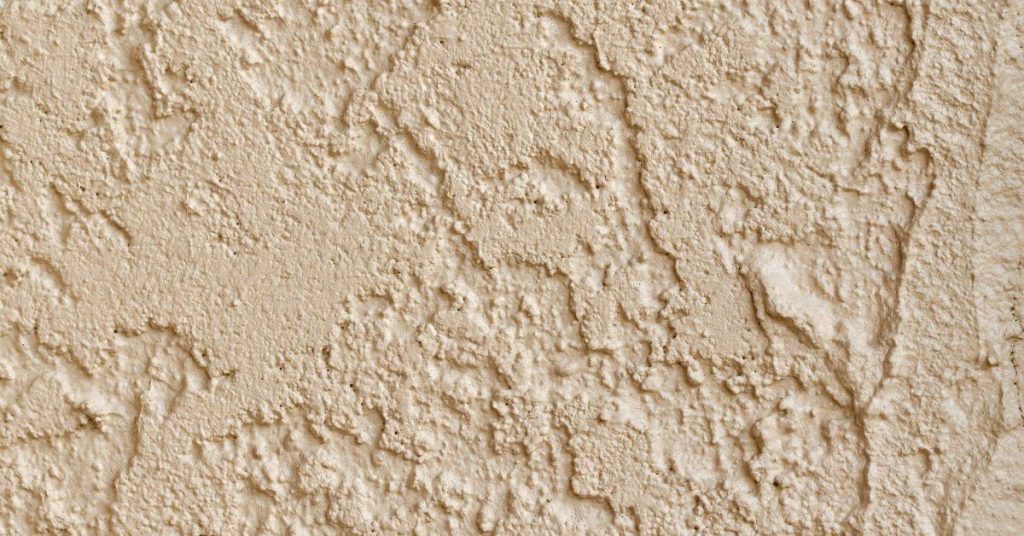
Closeup of beige textured stucco wall surface

Efflorescence on colored stucco: cleaning without bleaching or streaking the finish

Introduction Efflorescence on colored stucco is mineral salts that migrate to the surface and form a white, powdery or crusty residue. It signals salts moving through the wall from within the substrate or from moisture in the wall. The appearance doesn’t reflect color fade in the finish itself, but a surface phenomenon you can address

Efflorescence on colored stucco: cleaning without bleaching or streaking the finish Read More »

Close-up of blue textured stucco wall surface

Repairing Stucco Behind Hose Reels and Brackets: Keeping the WRB Intact

Introduction Repairing stucco behind hose reels and brackets means fixing cracks and damage without compromising the wall and its weather barrier. Keep the WRB intact by protecting it while you remove hardware and apply patches. Use appropriate repair materials that match the stucco type and follow label directions, and avoid overloading or trapping moisture. If

Repairing Stucco Behind Hose Reels and Brackets: Keeping the WRB Intact Read More »

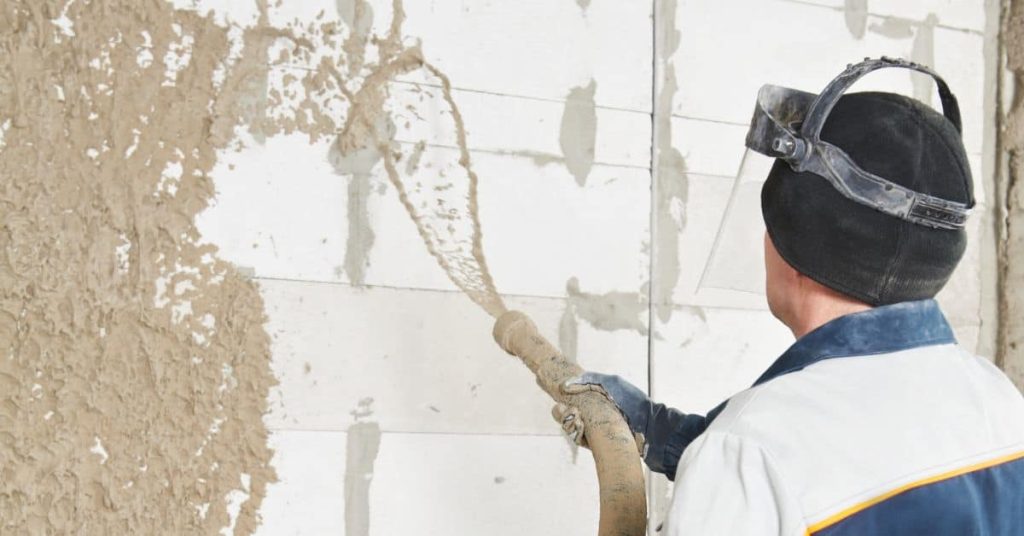
Worker spraying wet stucco onto wall surface

Clear Breathable Sealers for Colored Stucco: When to Seal and When to Leave It Alone

Introduction Clear breathable sealers let moisture escape from stucco while preserving its color. As a DIYer, you want to understand when a finish is appropriate and when it’s better to skip it. This article gives a practical, hands-on view of sealing colored stucco without turning it into a mystery. Surface prep matters: clean, dry, and

Clear Breathable Sealers for Colored Stucco: When to Seal and When to Leave It Alone Read More »

Woman painting kitchen cabinets brown with brush

Painting Brick Without Trapping Moisture: Mineral Paint vs Acrylic Reality

Introduction Mineral paint lets brick breathe and dry without trapping moisture. Acrylic finishes sit on the surface and can seal moisture in if the surface isn’t prepared or the weather isn’t right. In this article I’ll lay out practical, hands‑on steps so you know what to check before you paint. Before you buy, read the

Painting Brick Without Trapping Moisture: Mineral Paint vs Acrylic Reality Read More »