Search Results for: best spray paint waterproof steel

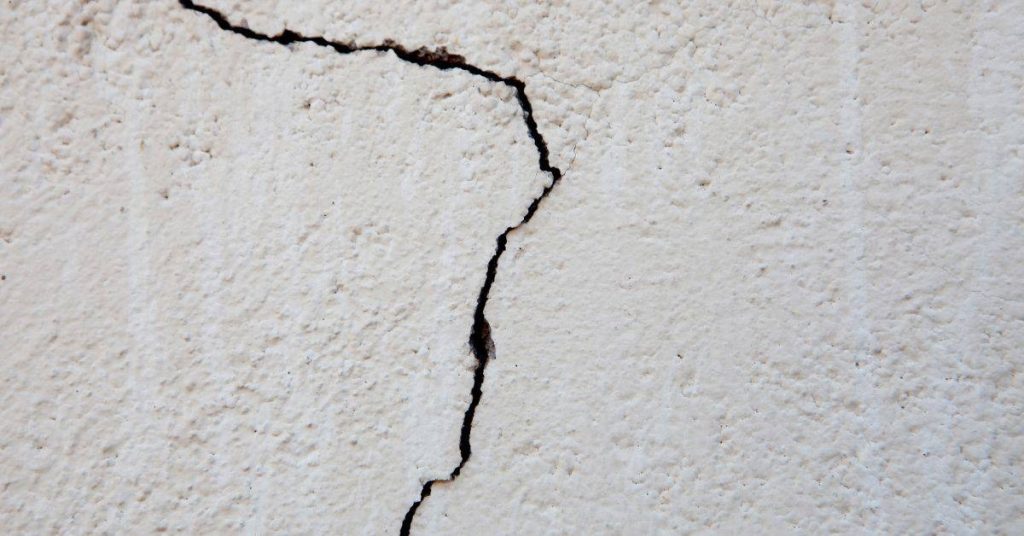
Closeup of stucco surface with a visible crack

Curing Stucco Patches in Heat and Wind: Mist Schedules and Weak-Finish Prevention

Introduction Curings stucco patches in heat and wind means maintaining a light, frequent mist to keep the surface from drying too fast and cracking. Misting is usually done on a schedule you adjust to the day, shielding the patch from direct sun when needed. Always monitor the patch for dryness, and check product and local

Curing Stucco Patches in Heat and Wind: Mist Schedules and Weak-Finish Prevention Read More »

Worker in safety gear handling rusty rebar on construction site

Cleaning Rebar for Small Repairs: When Wire-Brushing Is Enough and When It Isn’t

Introduction Wire-brushing rebar is a surface cleaning method used to remove loose rust and scale from small repair bars before patching. It can be enough when the rust is light and the bar is still solid, with clean steel showing through. Check that the metal is not deeply pitted or flaky; if it is, further

Cleaning Rebar for Small Repairs: When Wire-Brushing Is Enough and When It Isn’t Read More »

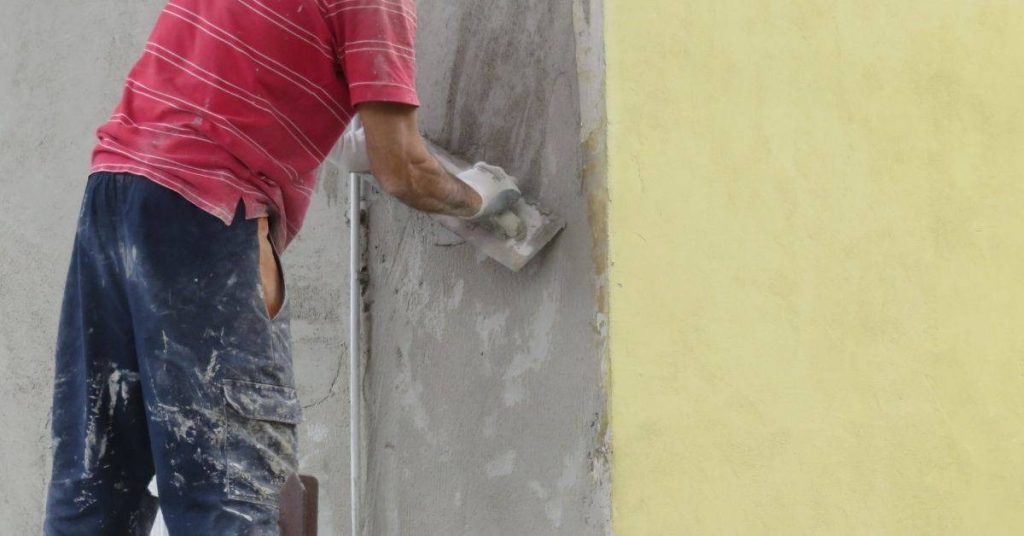
Worker applying stucco on an exterior wall section

Stucco Kickout Flashing Retrofit: Minimal Removal Approaches That Actually Work

Introduction Stucco kickout flashing is a piece of flashing, usually metal or plastic, installed at the edge where the roof overhang meets a stucco wall to redirect water away. This article outlines minimal-removal retrofit ideas that still guide water correctly and protect the wall. You’ll need simple hand tools, basic fasteners, and compatible flashing material

Stucco Kickout Flashing Retrofit: Minimal Removal Approaches That Actually Work Read More »

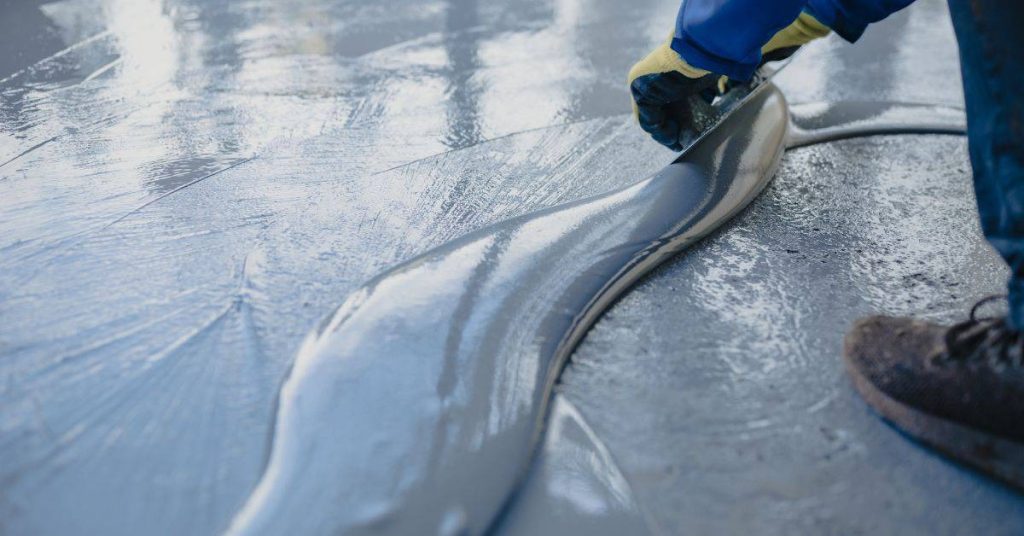
Person spreading glossy epoxy floor coating with squeegee

Pinholes in Floor Coatings: Prime Coats, Squeegee Technique, and Offgassing Control

Introduction Pinholes in floor coatings are tiny voids that form when the surface isn’t sealed and moisture or air escapes as the coating cures. They undermine moisture control and adhesion, especially if the primer or first coat isn’t applied correctly. Check that your primer is stated for moisture control and compatible with the topcoat you’re

Pinholes in Floor Coatings: Prime Coats, Squeegee Technique, and Offgassing Control Read More »

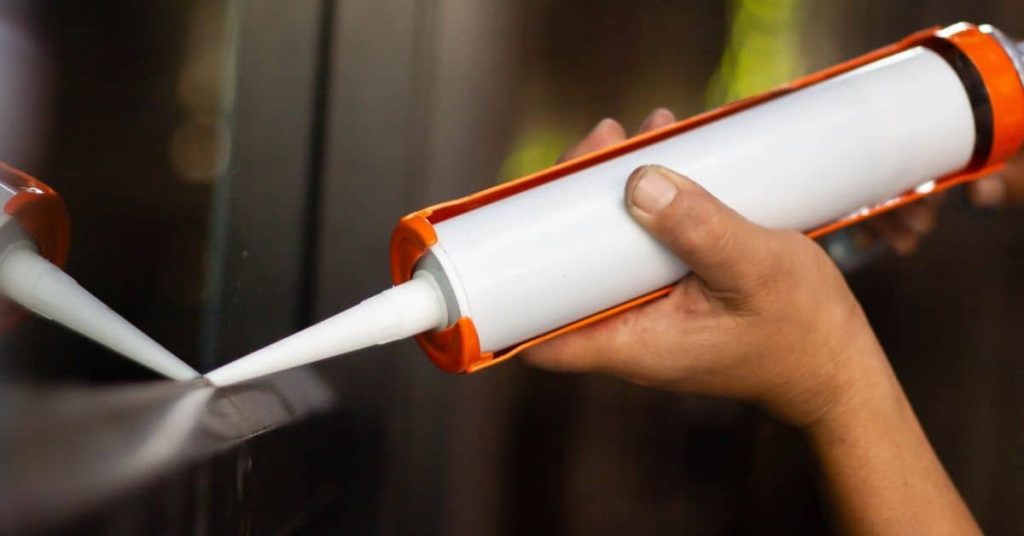
Hand applying white caulk from a caulking gun onto a surface

How to Seal Form Joints to Stop ‘Fins’: Tape vs Caulk vs Foam Strategies

Introduction Sealing form joints means choosing a method to close gaps in the formwork so fins don’t form. Tape, caulk, and foam are common options, each with its own pros and limits. Look at the product label and the concrete conditions to decide what to use. Tape works best for clean, straight joints, caulk fills

How to Seal Form Joints to Stop ‘Fins’: Tape vs Caulk vs Foam Strategies Read More »

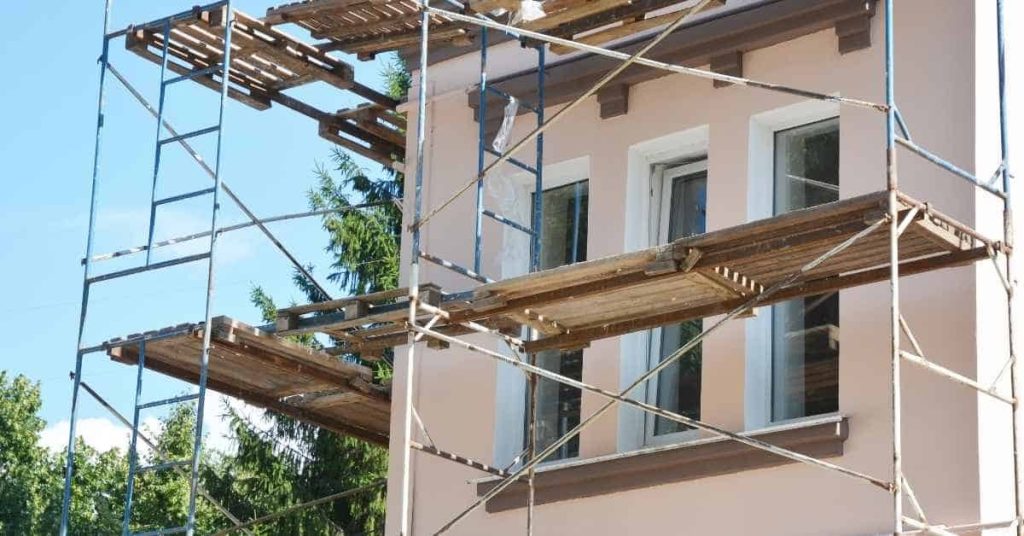
Metal scaffolding around exterior stucco wall

Stucco Fasteners That Rust: Choosing Corrosion-Resistant Options for Accessories

Introduction Corrosion-resistant fasteners for stucco are screws and anchors designed to resist rust and deterioration in exterior plaster assemblies. Choosing these options helps prevent staining and premature failure on outdoor walls. Always follow manufacturer instructions and local rules when selecting materials. For durability, compare stainless steel and coated steel fasteners and read the product labels

Stucco Fasteners That Rust: Choosing Corrosion-Resistant Options for Accessories Read More »

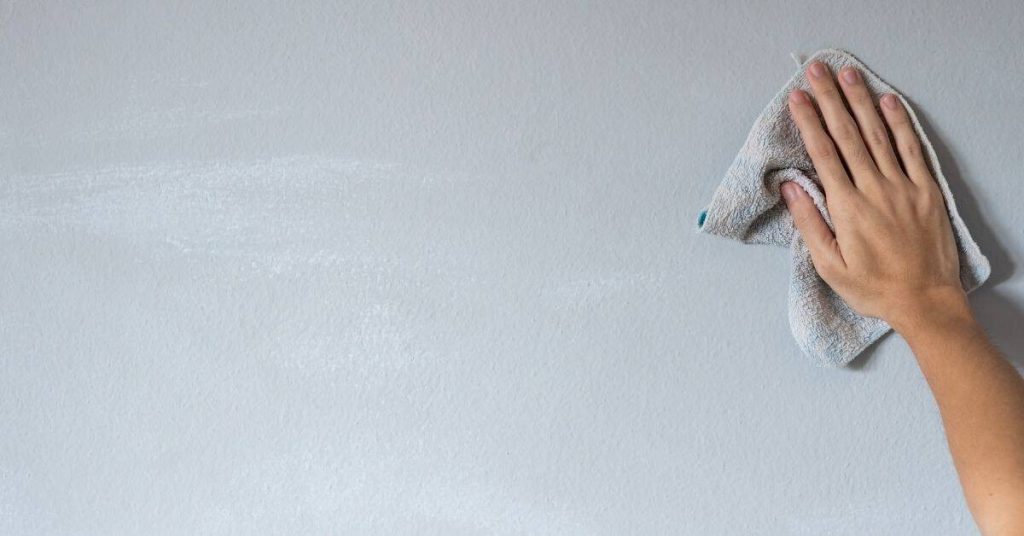
Hand wiping a smooth light gray wall with a cloth

Venetian Plaster in Bathrooms: Soap Scum, Cleaning, and Where It’s a Bad Idea

Introduction Venetian plaster in bathrooms is a polished, lime-based finish that can show soap scum and water marks if not cleaned with care. This article gives practical, hands-on tips for keeping the surface clean without risking damage. It also covers when it’s not a good idea to use harsh cleaners on this finish. White vinegar

Venetian Plaster in Bathrooms: Soap Scum, Cleaning, and Where It’s a Bad Idea Read More »

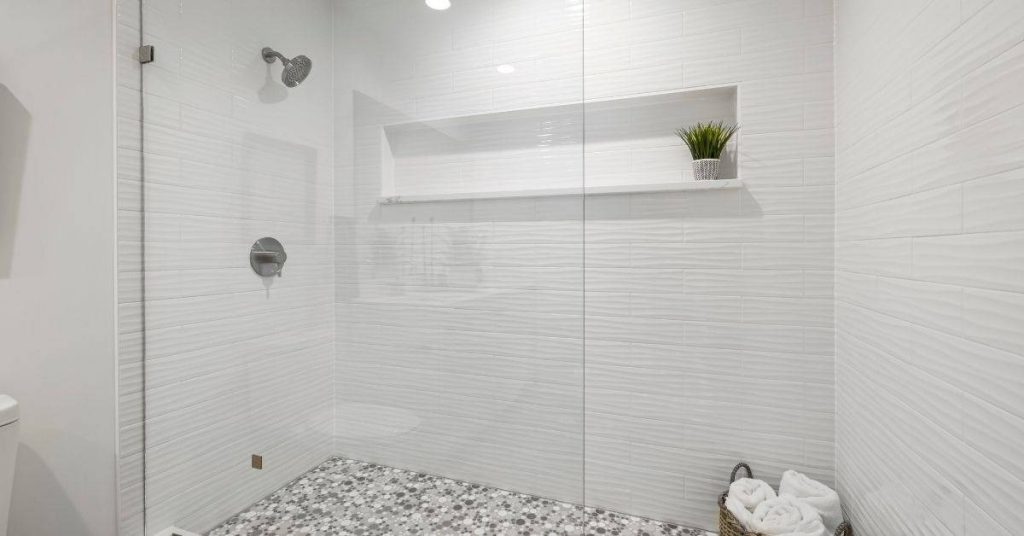
white textured tile shower with niche and glass door

Tadelakt on Shower Niches: Edge Details That Keep Water Out of Transitions

Introduction Tadelakt on shower niches is applying a polished lime-plaster finish to the niche with well-planned edge details to keep water from leaking into transitions. This is a hands-on DIY job, so you’ll be shaping and sealing the edges as you plaster and tile. Focus on edge trim profiles and how they meet the wall

Tadelakt on Shower Niches: Edge Details That Keep Water Out of Transitions Read More »

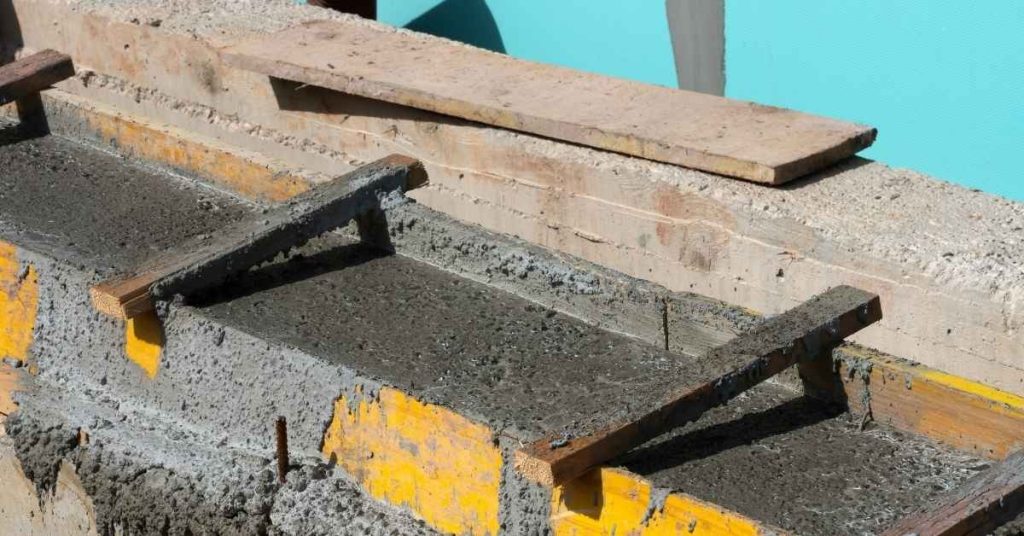
Freshly poured concrete in wooden formwork outdoors

Dealing With Surprise Rain Mid-Pour: What to Cover, What to Keep Working, and What to Redo

Introduction Rain mid-pour can ruin fresh concrete; cover, protect, and resume safely. Protect exposed areas with appropriate coverings, don’t work on wet concrete, and check forms for any change. After rain, inspect for surface defects, damp spots, or set delays before continuing. Resume pouring only when conditions are right and you follow the coating and

Dealing With Surprise Rain Mid-Pour: What to Cover, What to Keep Working, and What to Redo Read More »