Search Results for: MS with epoxy

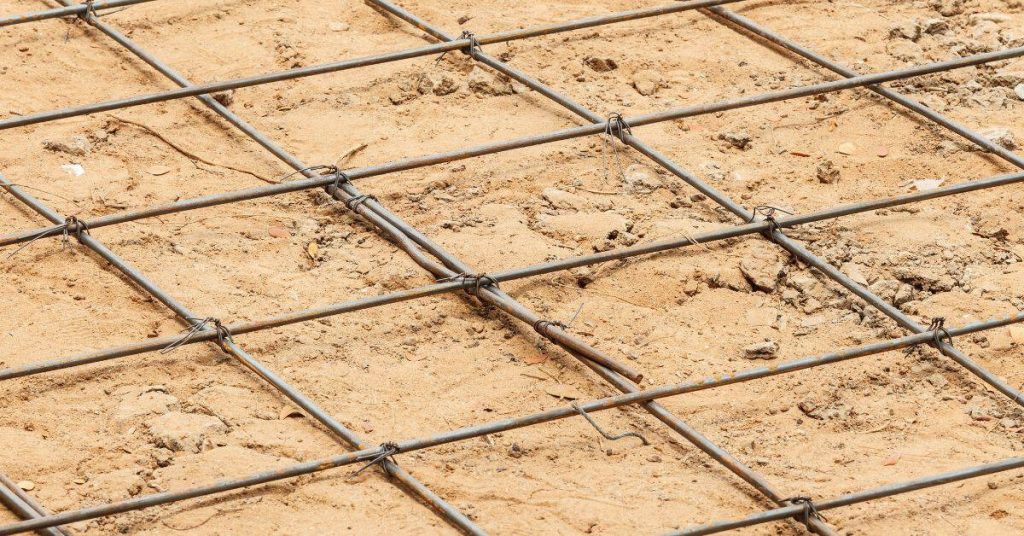
Steel rebar grid tied with wire on sandy ground

Reinforcement Beyond Steel Rebar: Basalt, FRP, Couplers, and Headed Bars

Introduction Reinforcement beyond steel rebar means using non-metallic or alternative materials to strengthen concrete, such as basalt fibers, FRP, couplers, and headed bars. They can resist corrosion and may install differently than traditional rebar. Always check manufacturer instructions and local rules to confirm suitability for your project. FRP rebar offers a value proposition in durability […]

Reinforcement Beyond Steel Rebar: Basalt, FRP, Couplers, and Headed Bars Read More »
Close-up of textured stamped concrete floor tiles

Concrete Curing Compounds: When to Use Them (and When They Ruin Adhesion)

Introduction Concrete curing compounds are products applied to fresh concrete to retain moisture and control evaporation. They often come as liquid sprays or wipe-on films that form a moisture-retaining barrier as the concrete hardens. Check the label to see if it’s intended for curing only or for sealing and curing, and follow local guidance. Use

Concrete Curing Compounds: When to Use Them (and When They Ruin Adhesion) Read More »

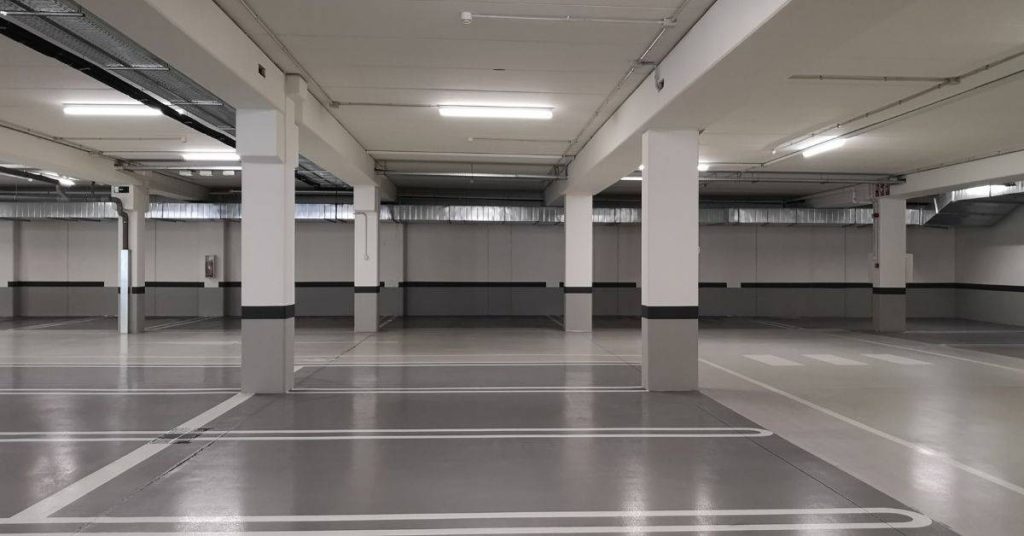
Empty concrete parking garage with support columns and painted lines

Corrosion Inhibitors in Garage Slabs: Dosage Mistakes, Rust Stains, and Prevention

Introduction Corrosion inhibitors in garage slabs are additives that help slow rusting of metal embedded in concrete. They work by interfering with the chemical reactions that cause oxidation when moisture and salts are present. For a DIY project, read the product label carefully to understand the intended use and dosage guidance. A common mistake is

Corrosion Inhibitors in Garage Slabs: Dosage Mistakes, Rust Stains, and Prevention Read More »

Person painting white window sill with brush

Best Indoor Painting Temperature: Ideal Range, Humidity Tips, and Dry-Time Reality

Introduction Best indoor painting temperature means painting when the air is at a level that lets the paint apply smoothly and cure without sagging or blushing. Keep the room away from extreme cold or heat and ventilate as needed. Always check the paint can or manufacturer instructions for the exact suggested range, and avoid guessing.

Best Indoor Painting Temperature: Ideal Range, Humidity Tips, and Dry-Time Reality Read More »

paint roller and brush in bucket of gray coating

Negative-Side Basement Waterproofing: Coatings That Actually Hold (and Why Others Don’t)

Introduction Negative-side basement waterproofing coatings are interior wall treatments applied to the inside surface to block water from seeping in. These coatings work by forming a barrier on the wall that resists moisture that pushes inward. Choose coatings that are rated for interior use and compatible with the wall material, and always follow product labels

Negative-Side Basement Waterproofing: Coatings That Actually Hold (and Why Others Don’t) Read More »

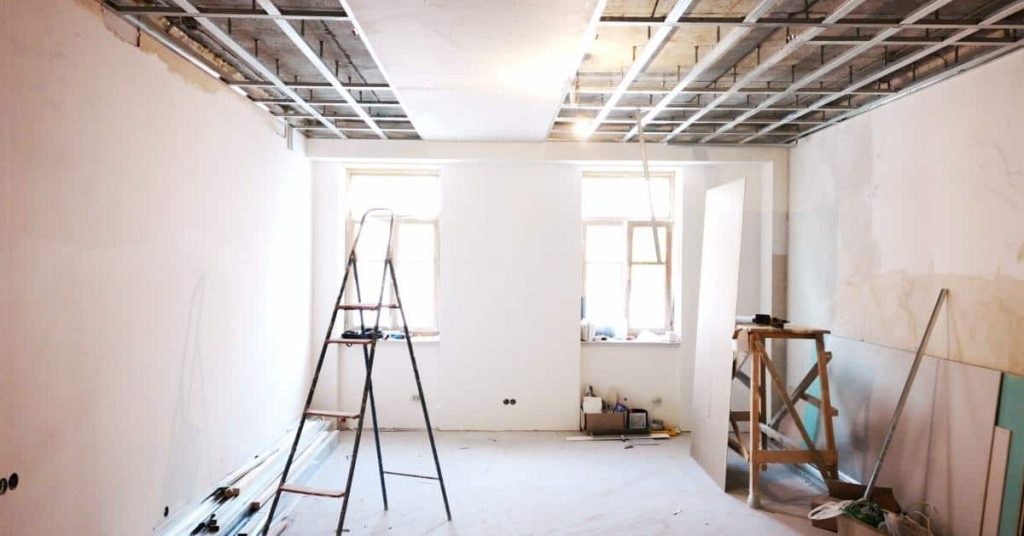
Empty room under construction with ladder and drywall panels

Hydrophilic Waterstops: Installation Tips to Avoid Blowouts and Leaks

Introduction Hydrophilic waterstops are sealant barriers that swell when wet to block leaks in concrete joints. This article covers practical installation tips you can apply on a DIY job site. Check product labels and manufacturer instructions for exact use, prep, and curing details. There are different forms and installation approaches, so review the type you

Hydrophilic Waterstops: Installation Tips to Avoid Blowouts and Leaks Read More »

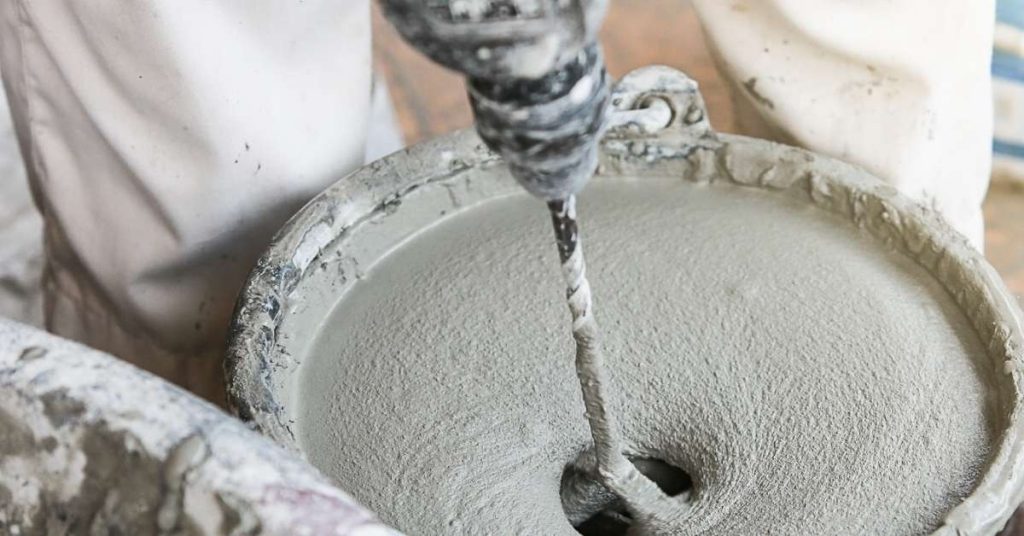
Mixing gray cement mixture in a bucket with drill paddle

Polymer-Modified Overlays: Mixing, Thickness, and Curing for Durability

Introduction Polymer-modified overlays are thin concrete toppings that use polymer additives to improve adhesion and durability. Mix according to the product label and manufacturer instructions; mix until uniform. Apply in an even coat to the prepared surface, checking that the mixture stays workable. The right thickness and proper curing are key to long‑lasting results. Follow

Polymer-Modified Overlays: Mixing, Thickness, and Curing for Durability Read More »

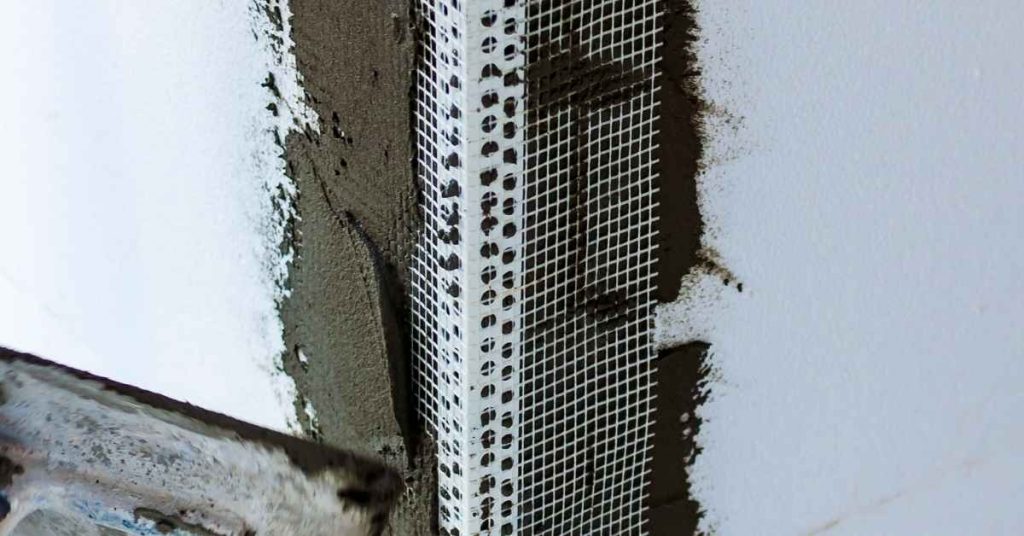
White mesh embedded in wet stucco on white wall surface

Stucco Over ICF Walls: Mesh, Fasteners, and Crack Control at Openings

Introduction Stucco over ICF walls means applying a cement-based veneer to insulated concrete forms using a proper weather-resistive layer, reinforcement mesh, and secure fasteners so the finish sticks and moves with the wall. This job needs the right mesh type, fastener method, and detailing at windows and doors to control cracking; check the stucco manufacturer’s

Stucco Over ICF Walls: Mesh, Fasteners, and Crack Control at Openings Read More »

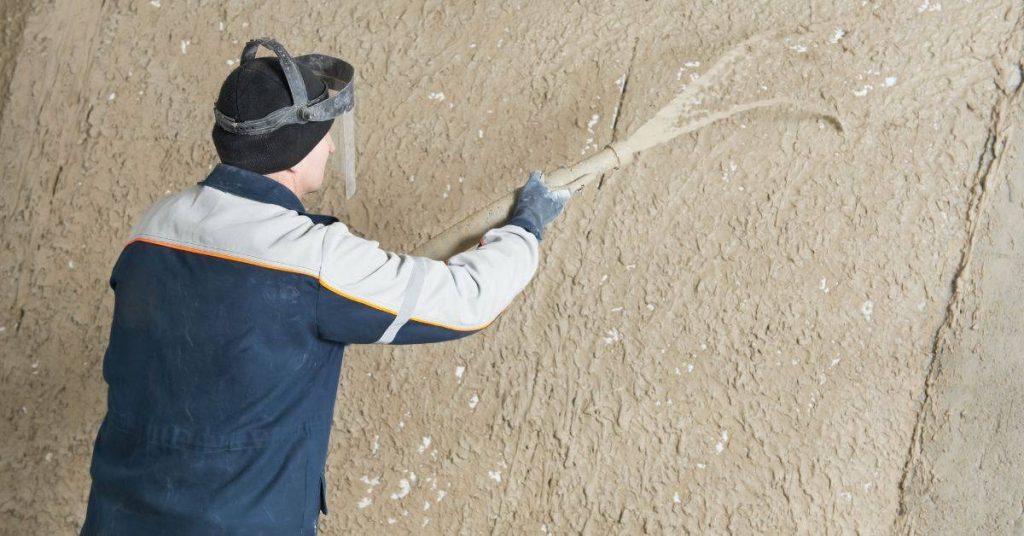
Worker spraying plaster onto wall wearing safety gear

Restoring Plaster Picture Rails: Patch Techniques That Preserve Shadow Lines

Introduction Restoring plaster picture rails means repairing damaged plaster while keeping the thin, shadowed groove where the rail meets the wall intact. This is a hands-on patch job that focuses on feathering new material into the old, matching texture, and protecting the shadow line during work. Expect to use basic plastering tools, patching compounds, and

Restoring Plaster Picture Rails: Patch Techniques That Preserve Shadow Lines Read More »