
Introduction
Hydrophilic waterstops are sealant barriers that swell when wet to block leaks in concrete joints. This article covers practical installation tips you can apply on a DIY job site. Check product labels and manufacturer instructions for exact use, prep, and curing details.
There are different forms and installation approaches, so review the type you have and prepare the area accordingly. Gather the basic tools, clean the joint, and follow a simple step-by-step process that matches the product you choose, and verify local rules. If anything is unclear, refer to the product label and manufacturer guidelines to confirm installation order and any cure time.
Key takeaways
- Verify waterstop type matches concrete joint size and movement range before purchase.
- Prepare joint surfaces: clean, dry, remove laitance; ensure groove dimensions per maker.
- Gather tools: proper cutter, epoxy/primer per spec, trowel, broom; inspect seals.
- Install step-by-step: place waterstop in groove, secure, verify expansion, pour.
- Safety note: wear gloves, goggles; avoid pinching; keep area clear during pour.
- Inspect after pour: check for leaks, blowouts, and re-seal any damaged joints promptly.
Table of Contents
- Introduction
- Key takeaways
- What Are Hydrophilic Waterstops and Why Use Them
- Types and Material Options for Hydrophilic Waterstops
- Tools and Materials Checklist Before You Start
- Pre-Installation Planning and Site Preparation
- Step-by-Step Installation Process
- Typical Installation Locations and Special Project Considerations
- Troubleshooting, Blowout Prevention, and Inspection Checkpoints
- Safety Protocols, Cost Comparison, and Long-Term Maintenance
- Conclusion
- FAQ
What Are Hydrophilic Waterstops and Why Use Them
Hydrophilic waterstops are swelling, polymer-based materials designed to seal joints when they come into contact with water. They differ from traditional rubber or bituminous stops by expanding in moist environments to fill gaps. They’re commonly used in below-grade work, potable water, wastewater, and foundation applications where hydrostatic pressure is present.
The swelling happens when water triggers the polymer or hydrogel to expand, creating a tight seal against the concrete surfaces. The rate and extent of expansion depend on the cementitious matrix and the joint exposure. This behavior can reduce leak risk and better accommodate concrete cracking movement over time, but you must understand their limits and failure modes to avoid surprises.
How Hydrophilic Waterstops Work
Hydrophilic waterstops are polymer-based gel strips that swell when they come into contact with water. This swelling action seals joints in concrete, preventing water from leaking through.
The process starts as soon as the waterstop is exposed to moisture. Within minutes, it begins to absorb water and expand. The surrounding cementitious matrix helps to contain this expansion, allowing the waterstop to fill any voids or cracks in the joint.
This swelling action continues over time, with the waterstop reaching its full size within 24 hours. It’s then ready to provide a watertight seal at construction joints and cold joints in concrete.
Key Benefits and Performance Claims to Verify
Hydrophilic waterstops offer several practical benefits. One of the key advantages is their self-sealing ability. When a crack forms in the concrete, the waterstop swells to fill it, preventing water from passing through.
Another benefit is flexibility. Hydrophilic waterstops can accommodate movement and cracking in the concrete without losing their sealing effectiveness. This makes them ideal for use in structures that are subject to settlement or other movements.
When selecting a hydrophilic waterstop, it’s important to verify the manufacturer’s performance claims. Check datasheets for information on swelling rate, maximum joint width, and long-term durability. Some manufacturers also provide test results that demonstrate the waterstop’s performance under different conditions.
Types and Material Options for Hydrophilic Waterstops
Material families include bentonite-based stops, hydrophilic rubber or elastomeric polymers, cementitious/hydrogel blends, and polyurethane-based options. Each type responds to water and hydrostatic pressure in distinct ways. Compatibility with concrete mixes and curing conditions should guide your choice.
Activation mechanism, expansion rate, and chemical or temperature resistance vary by material. Installation considerations like substrate prep and bonding requirements also differ. Use case suitability—from ordinary joints to high-pressure zones and irregular geometries—to weigh pros and cons, and plan quality checks and post-install swelling verification accordingly.
Comparative properties of common materials
Choosing the right hydrophilic waterstop material is crucial for a successful job. Here’s how different types compare:
- Bentonite-based: Swells quickly, good compression resistance, but can stain concrete and has lower chemical compatibility.
- Hydrophilic rubber/elastomeric polymers: Slower swelling rate, excellent compression resistance, high chemical compatibility, but may have lower durability under shear.
- Cementitious/hydrogel blends: Moderate swelling rate, good compression resistance, fair chemical compatibility, and can stain concrete.
- Polyurethane-based: Fast expansion, excellent adhesion, high chemical resistance, but may have lower durability under extreme temperatures.
Material specs, standards, and what to check on datasheets
Before purchasing, use this checklist to ensure you’re getting the right product:
- Swelling capacity: Check the maximum swelling rate under hydrostatic pressure.
- Tensile behavior: Look for tensile strength and elongation at break.
- Compression resistance: Ensure it can withstand expected hydrostatic pressures.
- Chemical resistance: Confirm compatibility with any chemicals present in the environment.
- Temperature range: Check if it suits your job’s temperature conditions.
- Durability under shear: Look for data on long-term performance under stress.
- Adhesion to concrete: Ensure it bonds well with the concrete mix you’re using.
- Curing time: Consider how long it takes to cure and become effective.
- Approved standards: Check if it meets relevant ASTM or EN standards.
Quick rule: Always compare datasheets from different manufacturers to make an informed decision.
Tools and Materials Checklist Before You Start
Gather core tools and safety gear: measuring tools, marking tools, cutting tools, rollers or brushes, trowels, calibration gauges, PPE, and a basic first aid kit. Have the right waterstop type and dimensions on hand, plus primers and bonding agents as needed. Stock spare parts for quick rework if tolerances aren’t met.
Check storage and temperature requirements for all components, and verify chemical compatibility with grout or epoxy you’ll use. Surface prep will drive success, so set up for clean joints, proper moisture status, and any priming needs. Have clamps, alignment aids, and waste containment ready to keep the work clean and orderly.
Recommended installation tools
Before you start, ensure you have all the necessary tools for a smooth and efficient hydrophilic waterstop installation.
- Tape measure: Accurate measurements prevent mistakes. Use a 25′ or longer tape to avoid errors.
- Chalk line: Marking joints accurately helps maintain alignment during installation.
- Level/trust gauge: Keep waterstops level and aligned with the joint face for proper expansion.
- Cutting tool (utility knife or jigsaw): Have a sharp blade to cut waterstops cleanly. Dull blades cause damage and waste material.
- Rollers/brushes: Apply primers, bonding agents, and sealants evenly with the right equipment.
- Trowels (notched and straight): Apply materials smoothly and efficiently.
- Calibration gauges: Ensure waterstops are installed at the correct depth for proper expansion.
- Alignment aids (clamps, temporary supports): Keep waterstops in place during installation to prevent misalignment.
- Waste containment and disposal plan: Keep your workspace clean and safe. Have bags or bins ready for waste material.
Quick rule: Always check tools before starting. Dull blades, broken handles, or missing parts can cause delays and mistakes.
Materials, fasteners, and accessory products
Gather all necessary materials before starting your hydrophilic waterstop installation to ensure a successful outcome.
- Waterstop profile: Choose the right profile (e.g., round, flat, or wedge) for your joint geometry. Incompatible profiles cause poor adhesion and leaks.
- Sealants: Use compatible sealants with your waterstop type to prevent chemical reactions that can compromise performance.
- Adhesives/bonding agents: Ensure proper bonding between the waterstop and substrate. Incompatible adhesives lead to poor adhesion and delamination.
- Temporary anchors (if needed): Secure waterstops temporarily until the adhesive sets. Missing or improper anchors cause misalignment during curing.
- Backing materials: Use compatible backing materials to protect waterstops from damage and contamination during storage and installation.
- Primer (if required): Prepare surfaces with a suitable primer for better adhesion. Skipping priming can result in poor bonding and leaks.
- Lubricant: Use a compatible lubricant to ease waterstop insertion into the joint. Incompatible lubricants can damage the waterstop or cause it not to expand properly.
- Spare parts: Keep extra materials on hand for touch-ups, repairs, or unexpected cuts and damages.
Quick rule: Always check material compatibility. Incompatible materials can compromise waterstop performance and cause leaks.
Pre-Installation Planning and Site Preparation
Verify that permits, approvals, and project scope align with local codes and structural design. Gather drawings and product data sheets to confirm joint types and waterstop details. This prevents mismatches during pour time.
Identify joint types you’ll encounter and plan transitions for each. Inspect the substrate for cure state, laitance, cracking, and flatness so you can correct issues before installation begins. Outline corrective actions for conditions like moisture, cleanliness, or surface irregularities in a written plan.
Site assessment and environmental checks
Before you start, check the site’s conditions to ensure a successful waterstop installation.
Substrate cleanliness: Inspect for laitance – a weak, porous layer on concrete surfaces. If present, remove it using a surface grinder or scarifier. A clean, flat substrate is crucial for proper adhesion.
Moisture and temperature: Assess the moisture content and temperature of both the substrate and the surrounding environment. Hydrophilic waterstops work best in temperatures between 40°F (4°C) and 90°F (32°C). Excessive heat or cold can affect their performance.
Formwork integrity: Check formwork for any defects, leaks, or damage. Ensure it’s clean and ready to receive the waterstop.
Layout, joint mapping, and coordinating with other trades
Proper planning is key to a smooth installation. Here’s how to map out your joints and coordinate with other trades.
Joint locations: Use project drawings to locate all joints – cold, construction, and control. Mark them clearly on the formwork.
Overlaps and terminations: Plan overlaps between waterstop strips (usually 2-4 inches) for continuous sealing. Determine termination details at expansion joints, corners, and other complex areas.
Coordinate with trades: Work closely with concrete placement and reinforcement crews. Ensure they understand the importance of keeping waterstops clean and undamaged during pouring. Communicate any special requirements or sequences for waterstop installation.
Step-by-Step Installation Process
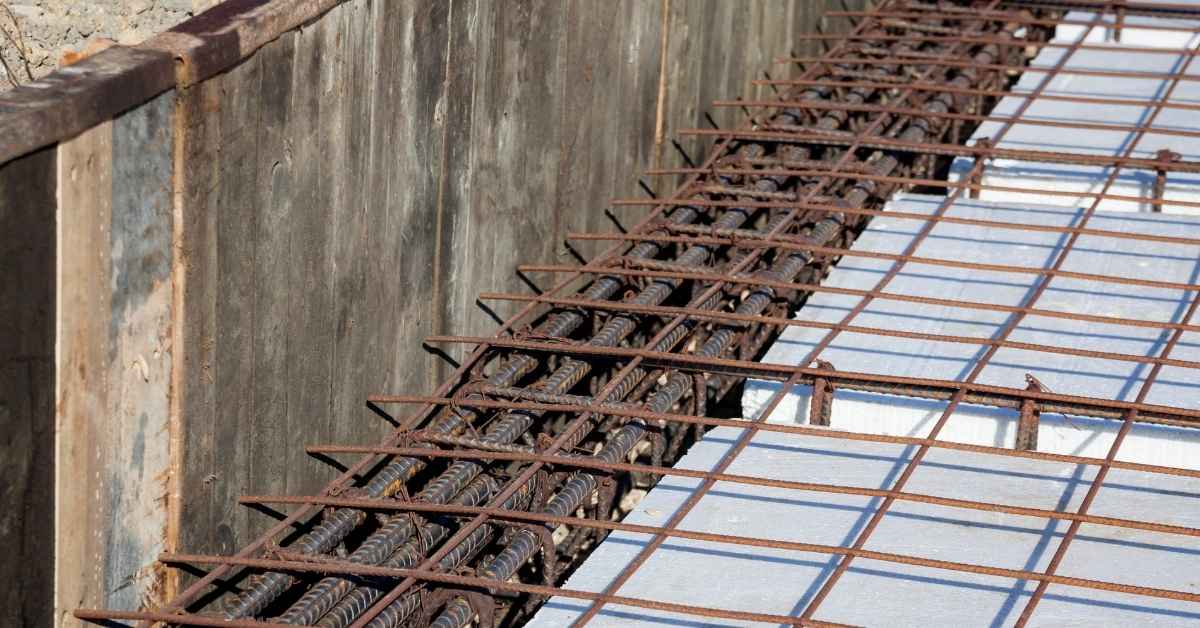
Start with pre-install checks: confirm waterstop type and dimensions, and ensure compatibility with the concrete mix. Verify that tools, PPE, and storage conditions prevent damage to the material. Have a clear sequence for the placement phase.
Follow the handling and storage rules: unroll, cut, label, and protect edges from bends or contamination. Assess joint geometry and temperature/moisture conditions to time the installation correctly and plan embedding depth and orientation.
Step-by-Step Installation Process
Follow these practical steps to install hydrophilic waterstops correctly, minimizing blowout risks and ensuring a solid seal.
- Preparation: Check your tools, PPE, and storage conditions. Ensure the waterstop is compatible with your concrete mix.
- Handling: Unroll carefully, cut to size, label each piece. Keep edges clean and dry, avoid bends or kinks.
- Site Assessment: Evaluate joint geometry, temperature, moisture, and load expectations to plan installation timing.
- Placement: Align waterstop along the joint before pouring. Ensure correct orientation, continuous coverage, and proper overlap at transitions. Plan embedding depth and centerline location.
- Fixing: Secure waterstop using adhesive, mechanical fasteners, or wedging. Avoid over-tightening to prevent deformation.
- Quality Checks: Inspect for straight runs, proper overlaps, and seals. Perform in-situ checks for alignment.
- Final Verification: Conduct a post-pour leakage test or get inspector sign-off. Note any curing needs or rework areas.
Pre-installation checks and mock-ups
Before installation, verify your waterstop’s quality and fit to avoid issues during the pour.
First, check each batch for consistency in size, type, and condition. Ensure they match your project’s requirements.
Next, cut lengths accurately. Measure twice, cut once. Label each piece to keep track of their order and placement.
Perform trial fittings and mock-up installations. Test the waterstop in a small-scale version of your joint. This helps confirm fit and attachment method before committing to the full installation.
Anchoring, sealing, and overlap techniques
Proper fixing, sealing, and overlapping ensure continuous protection against water ingress.
Fixing methods vary. Use adhesive, mechanical fasteners, or wedging as recommended by the manufacturer. Ensure the waterstop remains secure during the pour.
Overlap practices are crucial at transitions. Overlap subsequent pieces by their full width to maintain a continuous barrier. Butt-joints should be avoided if possible.
Sealant applications can enhance protection. Use compatible sealants to fill any gaps or voids, creating an additional barrier against water penetration.
Post-installation protection before concrete placement
Protect your installed waterstop from dislodgement or contamination during the concrete pour.
Use temporary protection measures. Cover the waterstop with a protective sheet or board to prevent debris from settling on it. Secure this covering to keep it in place.
Conduct verification steps. Inspect the site before pouring to ensure everything is as it should be. Check that the waterstop remains secure, aligned, and free of contaminants.
If any issues arise, address them promptly before proceeding with the pour. This ensures your waterstop’s integrity and longevity.
Typical Installation Locations and Special Project Considerations
Common DIY locations include construction joints, pipe penetrations, wall-to-floor joints, slab edges, and footing-to-wall transitions. Consider project-specific adaptations for irregular shapes, multiple penetrations, or material transitions. Each scenario may change how you seat and seal the waterstop.
Ensure substrate preparation and placement checks are in place: clean, sound surfaces with proper groove width and depth, correct alignment with formwork, and no interference with reinforcement. Document installation details and coordination with the pour schedule for traceability.
Joints, Bends, and Complex Geometries
The key to successful waterstop installation around joints, bends, and complex shapes is planning and precise execution.
Corners: Use 90-degree or mitered waterstops at corners. Ensure they’re properly seated in the groove and overlap seamlessly for a watertight seal.
T-joints: For T-joints, use a ‘T’ piece waterstop. Make sure it’s securely embedded in the groove and overlaps with the main waterstop seamlessly.
For changes in plane or complex geometries, pre-assemble the waterstops to ensure they fit perfectly. Use splice kits for long runs, following manufacturer guidelines for proper overlap and sealing.
Retrofitting, Repairs, and Existing Structures
Installing hydrophilic waterstops in existing structures requires careful planning and consideration.
Existing Joints: If the joint is sound, clean it thoroughly. If not, repair before installing the waterstop. Ensure the groove width/depth matches your waterstop’s requirements.
Retrofit Limitations: Be aware of limitations. Waterstops can’t fix cracks or severe concrete deterioration. Address these issues first. Also, avoid using waterstops in structures with unknown or unstable foundations.
For repairs, use a combination of anchoring, sealing, and overlap techniques as outlined earlier. Always follow manufacturer guidelines for specific repair procedures.
Troubleshooting, Blowout Prevention, and Inspection Checkpoints
Identify common causes of blowouts, such as poor placement, misaligned orientation, insufficient overlaps, or premature movement of formwork. Plan for continuous continuity across joints and secure anchoring to prevent gaps near embeds. Prepare to address curing cracks that could undermine seals.
During placement, avoid stretched or compressed segments and maintain correct joint gaps and sequencing with sealants. Use post-pour checks and simple water tests to verify integrity, and keep a clear record of any issues and fixes for sign-off and future work.
Common failure modes and immediate remedies
Before you start casting, use this checklist to identify and fix common waterstop issues.
- Check anchor points: Ensure all mechanical anchors are secure. Loose anchors can cause blowouts.
- Inspect overlaps: Verify sufficient overlap length (at least 100mm). Insufficient overlaps lead to leaks.
- Examine orientation: Confirm waterstop is correctly oriented with the open cells facing out. Incorrect orientation reduces effectiveness.
- Check for contamination: Ensure no dirt, grease, or other contaminants are present on the waterstop. Contamination hinders adhesion.
- Verify alignment: Confirm waterstop aligns with joints and follows joint lines accurately. Misalignment causes leaks.
- Inspect embeds: Check for voids near embeds or rebar. Voids can cause blowouts under pressure.
- Check formwork movement: Ensure formwork is stable to prevent movement that could damage the waterstop.
- Verify concrete pressure compatibility: Confirm chosen waterstop can handle expected concrete pressure. Incompatibility leads to blowouts.
Quick rule: Regularly inspect and address any issues before casting to prevent costly repairs later.
Visual checkpoints and acceptance criteria before concrete pour
Before giving the green light for concrete placement, perform these visual checks to ensure waterstop readiness.
- Check alignment: Verify waterstop aligns with joint lines. Misaligned waterstops leak.
- Inspect adhesion: Ensure waterstop adheres well to the formwork. Poor adhesion causes blowouts.
- Examine overlap integrity: Check for any gaps or tears in overlaps. Damaged overlaps leak.
- Verify protection: Confirm protective covers are in place over waterstops. Unprotected waterstops can be damaged during casting.
- Check joint gaps: Ensure joint gaps match the waterstop’s recommended gap size. Incorrect gaps reduce effectiveness.
- Inspect bends and corners: Verify waterstop follows joint lines accurately at bends and corners. Poorly executed bends leak.
- Check for proper sequencing with sealants: Ensure any required sealants are applied correctly before casting. Incorrect sequencing reduces effectiveness.
- Verify correct waterstop type: Confirm the right type of waterstop (main or bypass) is used in each location. Using the wrong type can cause leaks.
Quick rule: Thorough visual checks before casting help prevent costly rework and repairs.
Safety Protocols, Cost Comparison, and Long-Term Maintenance
Identify essential safety protocols for installers, including PPE, fall protection if applicable, electrical/handling hazards, and confined-space considerations when required. Emphasize site checks and utility locating as part of a formal risk assessment. Keep a portable checklist for job briefs.
Outline a high-level cost framework that compares material and labor costs to alternative waterproofing methods, and consider long-term maintenance needs. Provide guidance on material options and compatibility with concrete mixes, along with curing and sequencing practices to minimize blowouts. Include maintenance steps like inspections, resealing, crack monitoring, and a plan for rework without major disruption.
Detailed safety and handling procedures
PPE: Wear gloves, safety glasses, and a dust mask when handling hydrophilic waterstops. Long sleeves and pants protect against skin irritation.
Handling: Keep materials dry until ready for use. Moisture triggers swelling. Store in a cool, dry place away from heat sources that could cause premature activation.
Premature swelling prevention: Seal packages tightly when not in use. Avoid contact with water or damp surfaces during installation.
Cost considerations and comparing alternatives
Material cost: Hydrophilic waterstops are typically cheaper than sheet membranes but more expensive than epoxy systems. Consider upfront costs.
Labor cost: Installation is simpler with hydrophilic waterstops, reducing labor time compared to sheet membranes or injection systems. Compare labor estimates.
Rework risk and lifespan: Evaluate potential rework costs due to leaks or blowouts. Hydrophilic waterstops have a long lifespan but may require periodic resealing. Compare total cost of ownership with alternatives.
Long-term inspection and maintenance schedule
When to use: Follow this checklist annually or after significant weather events to ensure your waterstop continues to protect your structure.
- Visual Inspection: Check for cracks, damage, or signs of leakage. If skipped, minor issues can worsen over time.
- Sealant Condition: Inspect sealants at joints and overlaps. Reapply if necessary to maintain a tight seal.
- Crack Monitoring: Regularly check for new cracks. Seal promptly to prevent water intrusion.
- Cleaning: Remove dirt, debris, or other contaminants that could compromise the waterstop’s performance.
- Concrete Condition: Assess concrete condition. Cracked or damaged concrete may require repair to maintain a watertight structure.
- Waterstop Adhesion: Ensure the waterstop remains securely adhered to the concrete surface. Delamination can lead to leaks.
- Drainage Paths: Verify that drainage paths are clear and functioning properly to prevent water buildup.
- Documentation: Keep records of inspections, maintenance actions, and any repairs made. This ensures traceability and helps with future maintenance planning.
Quick rule: Address minor issues promptly to prevent them from becoming major problems that require costly rework.
Conclusion
Install with care and you’ll gain a durable seal that lasts the life of the concrete, protects against leaks, and keeps the project looking clean and professional. The key is steady workmanship, thorough testing, and adherence to what works best for hydrophilic waterstops in your specific conditions.
Now move from planning to action: verify you have the right waterstop type and material for your joint, lay out the plan, prep the site, assemble tools and parts, and follow the step-by-step process in a calm sequence. Check alignment and fit before you pour, spot-tack or secure as needed, and perform a test in a small area or a mock joint to confirm expansion and sealing behavior. Keep joints clean, joints dry during install, and review all safety protocols as you go.
Avoid these common missteps: underestimating joint movement or misplacing the waterstop that can cause blowouts, skipping pre-soak or priming steps when required, and rushing around edges or embedded fittings. Safety rules to live by: never work with damaged or missing seals, always wear eye protection and gloves, and never pour concrete until you’ve confirmed the waterstop is correctly positioned, secured, and tested.
If the project involves complex geometry, multi-slope joints, or harsh conditions, don’t push ahead alone. When in doubt, consult a pro to verify sizing, anchoring, and leak testing plans. Stay disciplined, follow the plan, and you’ll finish with a reliable seal and zero avoidable leaks—a solid job you can stand behind.
FAQ
What are the different types of hydrophilic waterstops I might encounter?
Hydrophilic waterstops come in a few forms, so check the label for how they activate in water. Some expand when wet, others swell slowly as they absorb water. Pick the type that matches your joint size and exposure, and read the manufacturer instructions carefully.
How should I prepare the site before installing a hydrophilic waterstop?
Clean the joint surfaces so there’s no debris. Make sure the concrete edges are intact and free of dust, oil, and curing compounds. If you have cracks or defects, address them before placing the waterstop and follow the product’s prep guidance.
What tools do I need for a reliable installation?
Have the basics: a sharp knife or utility blade, proper gloves, and a clean workspace. You’ll also want a measuring tool, a compatible adhesive or adhesive compatible with the waterstop, and a roller or blunt object to press it into place. Read the package for any special tools the product requires.
What are common issues during installation and how can I troubleshoot?
Watch for gaps or misalignment where the waterstop doesn’t fully contact the concrete. If the stop binds or peels, stop and re-seat it per instructions. If leakage shows up after setting, verify surface prep, bonding method, and whether the waterstop is the correct type for your joint.