Search Results for: EIFS

Worker applying plaster over blue fiberglass mesh on wall

Fiberglass Mesh vs Metal Lath: Choosing Reinforcement for Thin Cement Coats

Introduction Fiberglass mesh and metal lath are both used to reinforce thin cement coats. Fiberglass mesh is lightweight and easy to handle, while metal lath provides more rigid support for tougher jobs. Check manufacturer instructions and local rules to confirm suitability for your project, and look for guidance on compatible mixes and application methods. For

Fiberglass Mesh vs Metal Lath: Choosing Reinforcement for Thin Cement Coats Read More »

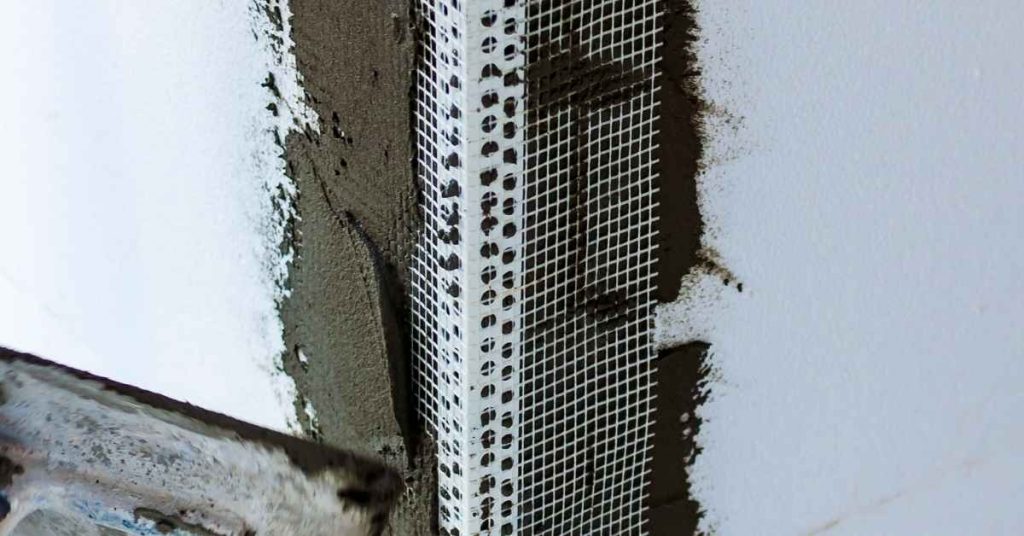
White mesh embedded in wet stucco on white wall surface

Stucco Over ICF Walls: Mesh, Fasteners, and Crack Control at Openings

Introduction Stucco over ICF walls means applying a cement-based veneer to insulated concrete forms using a proper weather-resistive layer, reinforcement mesh, and secure fasteners so the finish sticks and moves with the wall. This job needs the right mesh type, fastener method, and detailing at windows and doors to control cracking; check the stucco manufacturer’s

Stucco Over ICF Walls: Mesh, Fasteners, and Crack Control at Openings Read More »

Close-up of blue stucco wall texture

Diagnosing Moisture Behind Stucco: Basic Probe Holes, Borescopes, and What to Look For

Introduction Diagnosing moisture behind stucco means checking for where water has crossed the exterior and is wetting the wall assembly; that can be done with basic probe holes, borescopes, and non‑invasive tools to confirm wet areas. Start by looking for staining, soft or sagging finishes, efflorescence, or indoor musty odors that suggest intrusion, and use

Diagnosing Moisture Behind Stucco: Basic Probe Holes, Borescopes, and What to Look For Read More »

Hand marking wall near electronic stud finder device

Stucco Clearance Over Walkways: How to Fix Wicking Without Full Removal

Introduction Stucco clearance over walkways means keeping the bottom edge of an EIFS or stucco finish high enough and detailed so moisture doesn’t wick into the walking surface; in plain terms, it’s about creating a gap and proper flashing so water drains away instead of soaking the path. For DIYers that can mean trimming finish,

Stucco Clearance Over Walkways: How to Fix Wicking Without Full Removal Read More »

Hand applying stucco on brick wall with trowel

Stucco Termination at Brick or Stone: Transition Details That Don’t Crack or Trap Water

Introduction Stucco termination at brick or stone is the method of finishing and sealing the edge where stucco meets masonry so water is kept out and movement doesn’t crack the finish. Do the job with a clear gap for flashing, a solid backstop, and a termination trim that lets water drain; check product labels and

Stucco Termination at Brick or Stone: Transition Details That Don’t Crack or Trap Water Read More »

Worker spraying white paint on interior wall wearing protective suit

Back-Brushing and Back-Rolling After Spraying: When It Helps and When It Makes Things Worse

Introduction Back-brushing and back-rolling are hands-on techniques used after spray-applying coatings to work the material into the surface and even out coverage; in plain terms, back-brushing uses a brush and back-rolling uses a roller to finish what the sprayer started. They help when the surface texture, porosity, or overspray patterns need manual attention, but whether

Back-Brushing and Back-Rolling After Spraying: When It Helps and When It Makes Things Worse Read More »

Plasterer smoothing white plaster on wall wearing helmet and mask

Salts in Masonry Plaster: Troubleshooting Efflorescence and Spalling Issues

Introduction Discovering salt-related problems like efflorescence and spalling in your masonry plaster can be frustrating, but with the right troubleshooting steps, you can identify and address these issues effectively. This guide walks you through common symptoms, their causes, and how to fix them. Before diving into repairs, it’s crucial to understand that salts in plaster

Salts in Masonry Plaster: Troubleshooting Efflorescence and Spalling Issues Read More »

Stacked pressure-treated wood boards with visible grain patterns

Painting Pressure-Treated Lumber: A Step-by-Step Timeline to Ensure Readiness

Introduction The timeline for painting pressure-treated lumber is crucial to ensure a durable, long-lasting finish. Rushing the process can lead to peeling, warping, or mildew growth. Understanding the drying time and when to test your lumber is key. Here’s a step-by-step timeline to guide you through the process. For the full guide, see Painting Pressure-Treated

Painting Pressure-Treated Lumber: A Step-by-Step Timeline to Ensure Readiness Read More »

Closeup of a large crack in white stucco wall

Mounting Solar Cable Clips on Stucco: Fasteners, Sealants, and Crack Prevention

Introduction Mounting solar cable clips on stucco means choosing the right fastener and sealant so the clips hold securely without cracking the finish. Think like a tradesman: use fasteners and anchors rated for masonry and a compatible exterior sealant, and check product labels and local rules for load and weather guidance. Take the time to

Mounting Solar Cable Clips on Stucco: Fasteners, Sealants, and Crack Prevention Read More »