Search Results for: EIFS

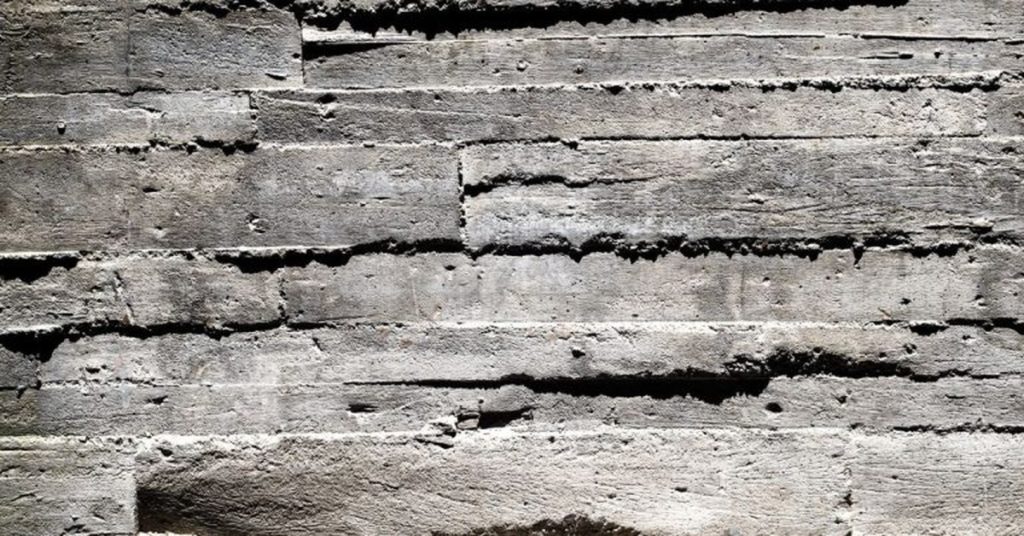
Close-up of rough concrete wall with wood formboard texture

Hydrated Lime in Concrete Mixes: Workability, Finish, and Strength Effects

Introduction Hydrated lime is a dry powder added to concrete to adjust texture and binding. In DIY mixes, it can improve workability and long-term texture, but it also changes setting behavior. Check the product label and local guidelines before use. It can influence finish quality and how smoothly you can trowel or pour. Lime affects […]

Hydrated Lime in Concrete Mixes: Workability, Finish, and Strength Effects Read More »

Window with white horizontal blinds and green plants outside

Sealing Window-to-Stucco Joints: Backer rod depth and tooling that lasts

Introduction Backer rod depth and proper tooling create a durable seal between a window and stucco. The depth you choose should be guided by the joint width and the sealant you plan to use, and you must check the manufacturer’s guidelines. Using the right tooling helps the sealant lay smooth and stay in place as

Sealing Window-to-Stucco Joints: Backer rod depth and tooling that lasts Read More »

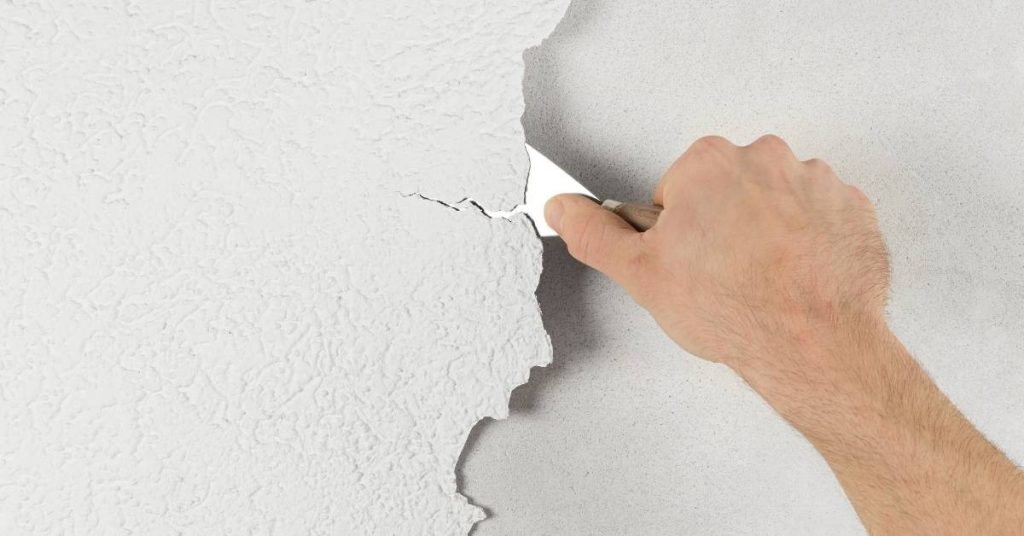
Hand scraping white stucco wall with metal scraper

Removing Algae on Stucco: Cleaning without bleaching or etching the color

Introduction Removing algae from stucco means cleaning the surface without bleaching or etching the color. You can do this with common household supplies and careful scrubbing. The goal is to lift algae without damaging texture or color. Start with a gentle cleaning solution and a soft brush, then rinse with clean water. Work in small

Removing Algae on Stucco: Cleaning without bleaching or etching the color Read More »

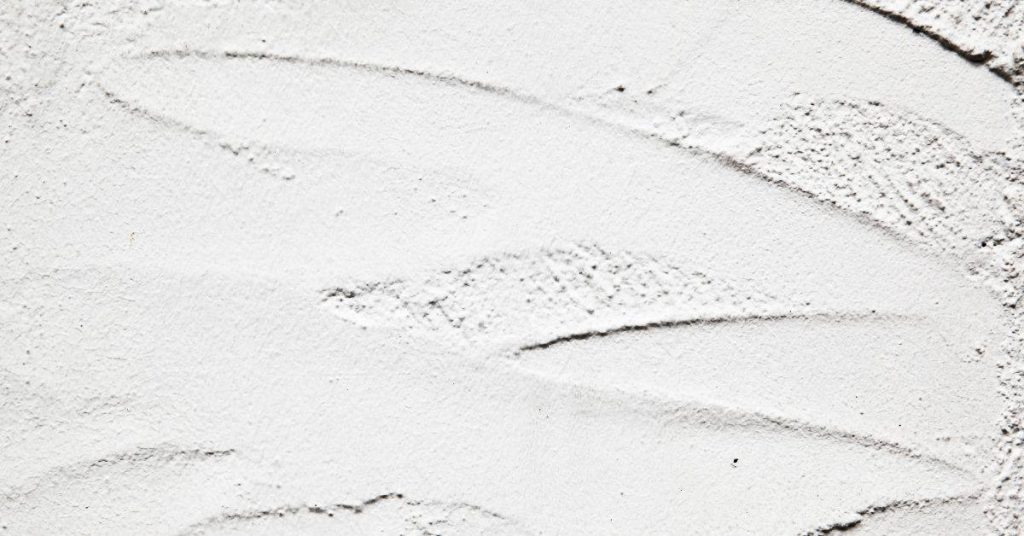
Closeup of white stucco wall texture with various trowel marks

Cleaning Stucco Safely: Pressure, detergents, and methods that don’t scar the finish

Introduction Cleaning stucco safely means removing dirt without damaging the finish. This article breaks down when to use pressure, what detergents fit, and safer techniques. It stays practical and hands-on, not a classroom lesson. Begin with a gentle approach and test a small, inconspicuous spot first. Use a mild detergent approved for stucco and a

Cleaning Stucco Safely: Pressure, detergents, and methods that don’t scar the finish Read More »

Red concrete formwork braces supporting structure

Concrete That Turns Dark When Wet: Diagnosing porosity and finishing issues

Introduction Concrete that turns dark when wet indicates moisture affecting the surface, usually tied to porosity and finishing issues. In plain DIY terms, that color change is your cue that water is soaking in or being held near the finish. It’s a practical clue to start diagnosing what went wrong during pour, finishing, or sealing.

Concrete That Turns Dark When Wet: Diagnosing porosity and finishing issues Read More »

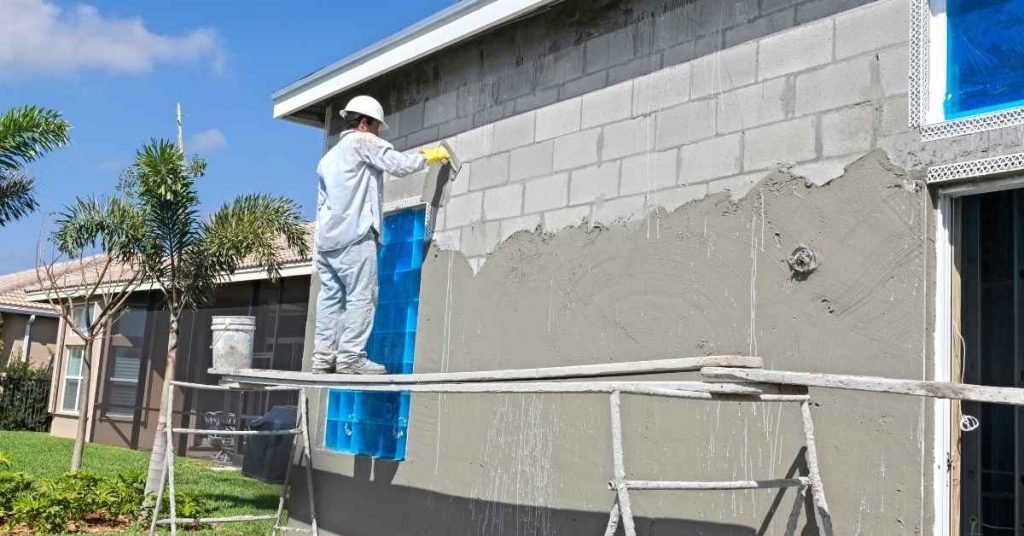
Worker applying stucco on cinder block wall outside house

Hollow-Sounding Stucco: Diagnosing debonding and choosing the right repair

Introduction Hollow-sounding stucco means the plaster layer is pulling away from the underlying surface, making a thump or hollow note when you tap it. This usually points to debonding or voids behind the stucco. If you hear it, start by confirming where the sound is strongest and what the visible signs are. Use plain, practical

Hollow-Sounding Stucco: Diagnosing debonding and choosing the right repair Read More »

Hand applying gray stucco to exterior wall with trowel

New Stucco Over Old Stucco: When it’s safe and how to prep properly

Introduction Yes—new stucco can go over old stucco when the base is sound. Look for cracks, loose sections, and obvious moisture problems and address them. Ask about local rules and follow manufacturer instructions for the products you choose. Prepare the surface by cleaning, repairing loose areas, and ensuring a stable bond. Prime as directed and

New Stucco Over Old Stucco: When it’s safe and how to prep properly Read More »

Exterior stucco wall with multiple windows under clear sky

How to Repair Cracks Around Stucco Windows

Introduction Cracks around a stucco window can be limited finish-coat defects, a failed sealant joint, or evidence of movement or water reaching the wall behind the stucco. The crack’s location, whether it returns, moisture evidence, and how the window operates matter more than a single crack-width measurement. Related guidance: Stucco Cracks Around Windows: Common Causes

How to Repair Cracks Around Stucco Windows Read More »

Close-up of weathered pink stucco wall with discoloration

Elastomeric Coatings on Stucco: When they help and when they cause trouble

Introduction Elastomeric coatings are flexible sealants applied over stucco to bridge cracks and repel water. They can help by sealing tiny cracks and smoothing rough textures, but they need clean, sound surfaces. If the stucco is cracked or damp, or if the coating is too thick, problems can follow. They can cause trouble when moisture

Elastomeric Coatings on Stucco: When they help and when they cause trouble Read More »

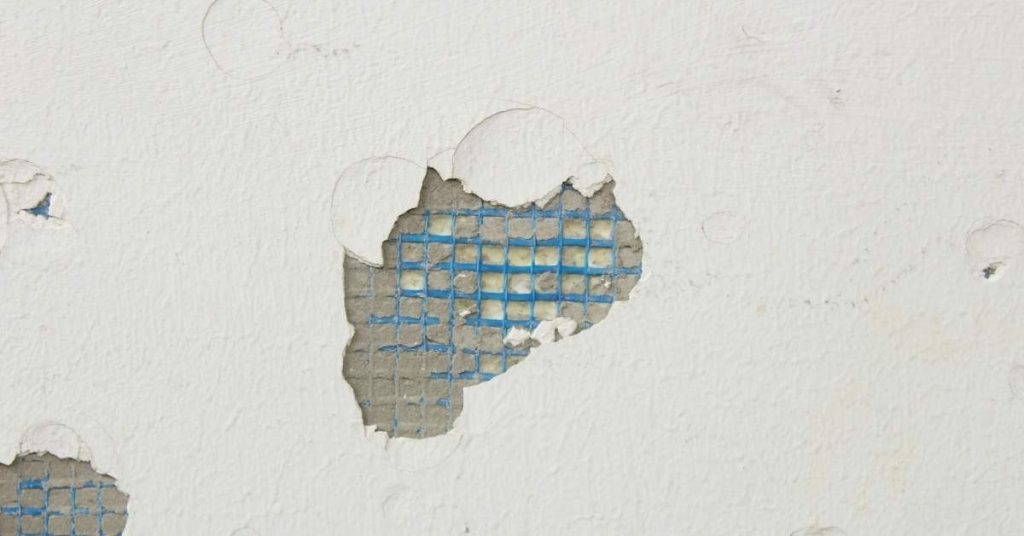
White stucco wall with holes revealing blue reinforcing mesh

How to Repair Stucco After Removing a Satellite Dish: Holes, mesh, and color matching

Introduction This article explains how to repair stucco after removing a satellite dish, focusing on filling holes, embedding mesh, and matching color. You’ll work from the outside in, prep the area, and choose the right patching compound for your surface. Plan for a gradual build up and smooth finish, then check local rules or manufacturer

How to Repair Stucco After Removing a Satellite Dish: Holes, mesh, and color matching Read More »