Search Results for: EIFS

Damaged stucco with blue reinforcing mesh exposed

Repairing Stucco Soffits: Gravity, Fasteners, and Crack-Resistant Mesh Layout

Introduction Repairing stucco soffits means fixing the underside of eaves where stucco has cracked, sagged, or pulled away using proper support, fasteners, and mesh so the repair resists gravity and future movement. Start by assessing the damage and plan how gravity fasteners and mesh will transfer loads back to solid framing; check product labels and

Repairing Stucco Soffits: Gravity, Fasteners, and Crack-Resistant Mesh Layout Read More »

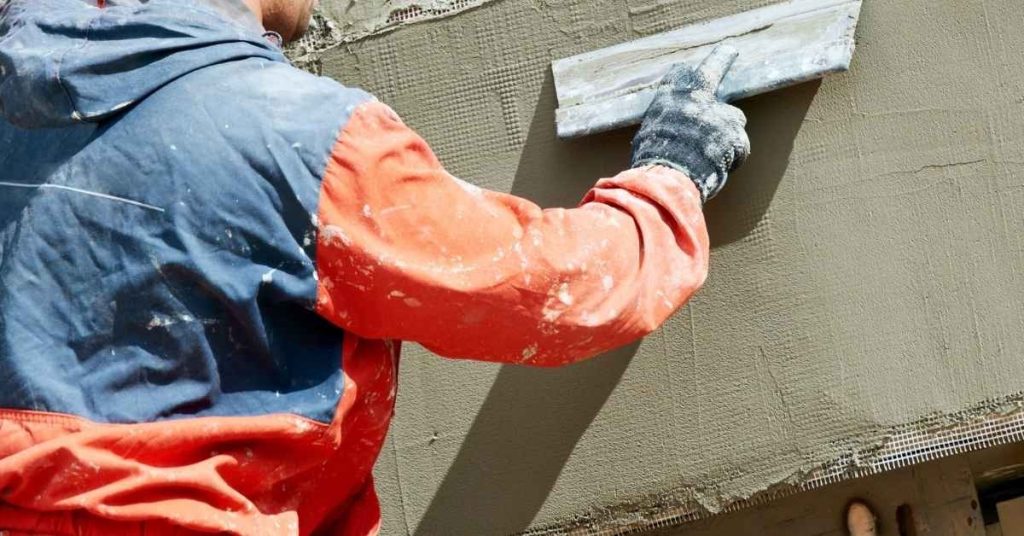
Worker smoothing fresh stucco on wall with trowel

Using Acrylic-Modified Stucco for Patches: Where It’s Smart and Where It Causes Issues

Introduction Acrylic-modified stucco is a cement-lime stucco mix blended with acrylic polymers to improve adhesion and flexibility for patching and thin coats. In plain jobsite terms, it sticks better to sound substrates and tolerates slight movement more than plain cement stucco, but check the product label and manufacturer instructions for proper uses and mixing. Use

Using Acrylic-Modified Stucco for Patches: Where It’s Smart and Where It Causes Issues Read More »

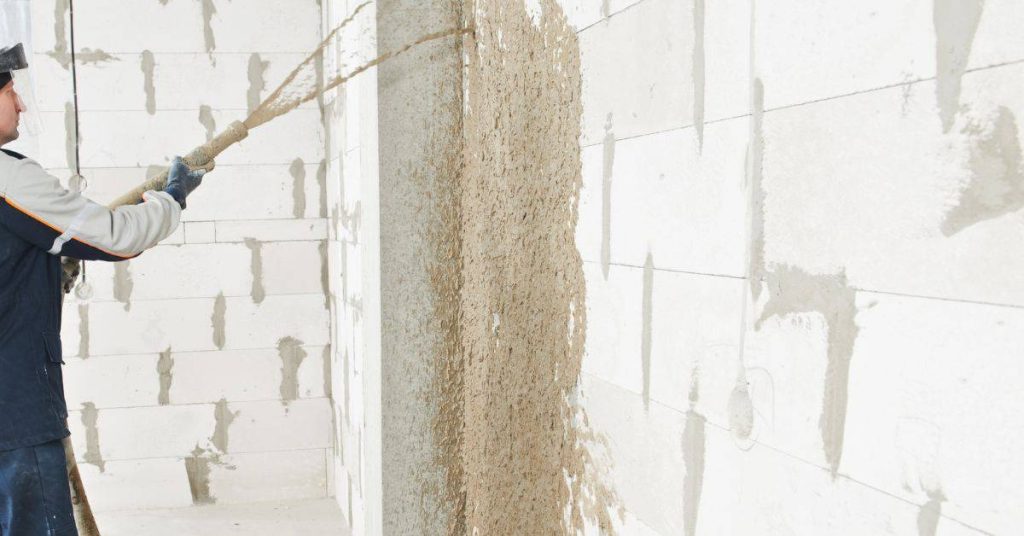
Worker spraying stucco onto concrete block wall

Stucco Over CMU Block: Bonding Agents, Scratch Keys, and Crack Control

Introduction Stucco over CMU block is a thin cement-based finish applied over masonry that needs a good bond, a proper scratch key, and planned crack control to last. Bonding agents, scratch coats, and reinforcement help the stucco grip the block and manage movement, but check product labels and local rules for compatibility and required curing

Stucco Over CMU Block: Bonding Agents, Scratch Keys, and Crack Control Read More »

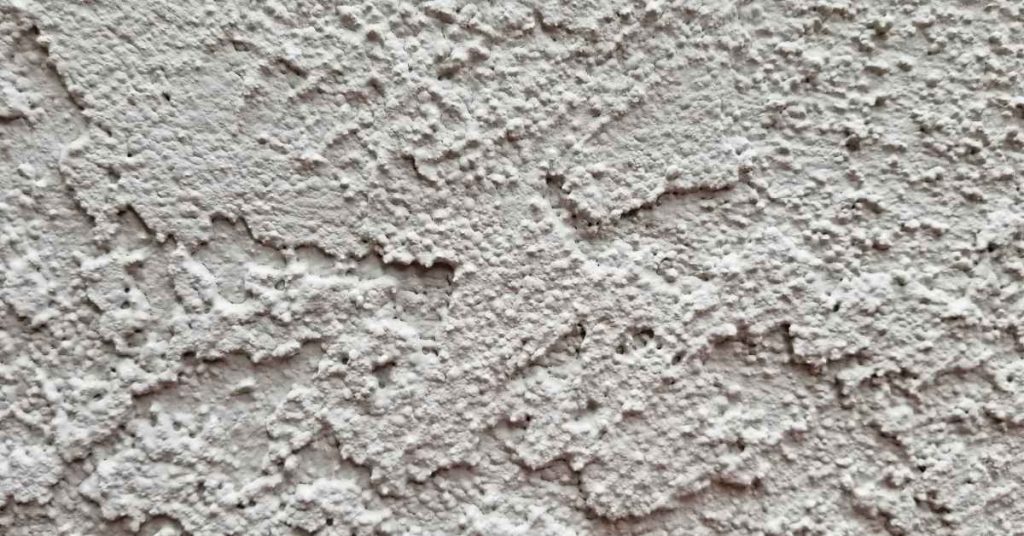
Close-up of rough white stucco wall texture

Stucco Moisture Meter Readings: A Step-by-Step Timeline for Accurate Results

Introduction Understanding stucco moisture meter readings is crucial, but knowing when and how to take these readings is equally important. This step-by-step guide walks you through the timeline of testing your stucco walls, ensuring accurate results and minimal damage. Whether you’re a seasoned DIYer or a first-time homeowner, following this timeline will help you maintain

Stucco Moisture Meter Readings: A Step-by-Step Timeline for Accurate Results Read More »

Exterior stucco wall with scaffolding and windows

Stucco-to-Window Joint Leaks: Backer Rod Depth, Sealant Profiles, and Flashing Red Flags

Introduction Stucco-to-window joint leaks are failures where the seal between the stucco and the window lets water in, usually from improper backer rod depth, wrong sealant profile, or missing/incorrect flashing. Fixing them is about getting the joint depth right for the backer rod, choosing a compatible sealant, and making sure flashing directs water away from

Stucco-to-Window Joint Leaks: Backer Rod Depth, Sealant Profiles, and Flashing Red Flags Read More »

Pressure washer cleaning wooden deck surface

Painting After Pressure Washing: How to Tell When Siding and Masonry Are Truly Dry Enough to Prime

Introduction “Dry enough” means the surface has lost visible and tactile moisture and any trapped dampness that would prevent primer from bonding; test by touch, absorbency checks, and following product label guidance. Look for no surface sheen, no dark patches, and no water beading when you flick or blot the material, and when in doubt,

Painting After Pressure Washing: How to Tell When Siding and Masonry Are Truly Dry Enough to Prime Read More »

White painted wooden shiplap wall with horizontal boards

Flashing on Painted Walls: How to Stop Patchy Sheen From Showing Through

Introduction Flashing on painted walls is the thin barrier that keeps water from seeping behind paint. When it fails, patchy sheen can show through and ruin a smooth finish. Check the paint and flashing product labels for compatibility, and follow manufacturer instructions or local rules if you’re unsure. To prep, clean the wall and repair

Flashing on Painted Walls: How to Stop Patchy Sheen From Showing Through Read More »

Hand wearing glove installing fastener into foam board insulation

Stucco Over Foam Board: Choosing Mesh Weights and Avoiding ‘Wavy Wall’ Syndrome

Introduction This article explains how to apply stucco over foam board and why mesh weight matters. You’ll learn about choosing the right mesh and what to watch for to keep the wall flat. We’ll keep it practical and hands-on, with steps you can check on the job site. Start by confirming your foam board and

Stucco Over Foam Board: Choosing Mesh Weights and Avoiding ‘Wavy Wall’ Syndrome Read More »

Close-up of blue stucco wall texture with raised sections

Fasteners Through Stucco: Sealing Strategies That Don’t Create Water Traps

Introduction Fasteners through stucco are methods for attaching items to a stucco surface while keeping water from getting trapped behind it. In practice, you need a seal that sheds water and a proper flashing path so moisture can’t linger. This article speaks in plain terms about choosing fasteners and sealants without creating hidden leaks. To

Fasteners Through Stucco: Sealing Strategies That Don’t Create Water Traps Read More »