Search Results for: EIFS

Hand wearing glove installing fastener into foam board insulation

Stucco Over Foam Board: Choosing Mesh Weights and Avoiding ‘Wavy Wall’ Syndrome

Introduction This article explains how to apply stucco over foam board and why mesh weight matters. You’ll learn about choosing the right mesh and what to watch for to keep the wall flat. We’ll keep it practical and hands-on, with steps you can check on the job site. Start by confirming your foam board and […]

Stucco Over Foam Board: Choosing Mesh Weights and Avoiding ‘Wavy Wall’ Syndrome Read More »
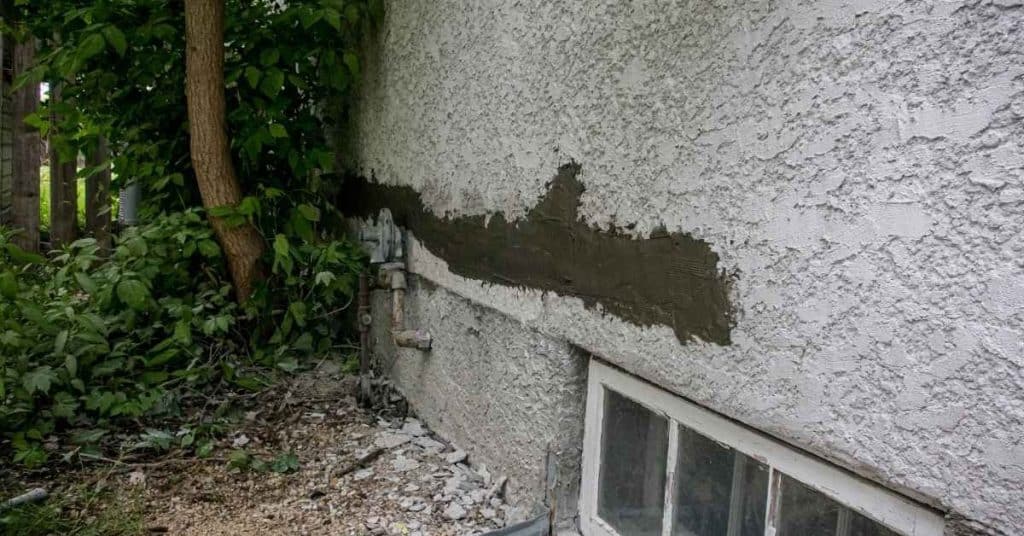
Exterior stucco wall with fresh dark patch above basement window

Stucco Too Close to Soil: When Regrading Is Enough and When the Wall Needs Repair

Introduction Stucco that meets soil should be corrected, but the least-invasive fix depends on what is behind the finish. If soil or mulch is simply covering an intact, open base termination, safely lowering and redirecting the grade may solve the contact problem without removing stucco. If the base is soft, cracked, hollow, wet, missing a

Stucco Too Close to Soil: When Regrading Is Enough and When the Wall Needs Repair Read More »

Close-up of blue stucco wall texture with raised sections

Fasteners Through Stucco: Sealing Strategies That Don’t Create Water Traps

Introduction Fasteners through stucco are methods for attaching items to a stucco surface while keeping water from getting trapped behind it. In practice, you need a seal that sheds water and a proper flashing path so moisture can’t linger. This article speaks in plain terms about choosing fasteners and sealants without creating hidden leaks. To

Fasteners Through Stucco: Sealing Strategies That Don’t Create Water Traps Read More »

Hand painting wall corner with roller

Wall Painting Checklist: What to Inspect, Measure, and Repair for a Lasting Finish

Introduction Wall painting checklist is a practical, step-by-step guide to inspect, measure, and repair walls before painting. It helps you spot cracks, peeling paint, stains, and uneven surfaces so you can plan the work. Use it to map prep steps, materials, and timelines so the finish lasts longer. If permits apply in your area, check

Wall Painting Checklist: What to Inspect, Measure, and Repair for a Lasting Finish Read More »

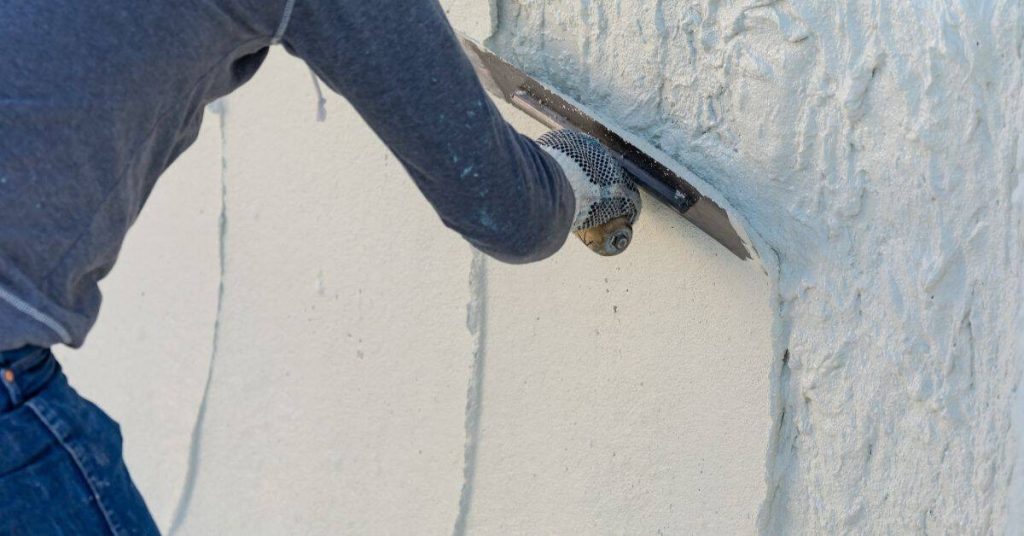
Person smoothing wet stucco on wall with trowel

Decorating Stucco Siding: Safe Ways to Hang, Mount, and Upgrade

Introduction Decorating stucco siding means safely hanging, mounting, and upgrading items on stucco surfaces. This article shares practical methods and the checks you should make before you start. Stucco is a exterior finish that requires the right fasteners and proper installation. From stucco screws and anchors to hot-melt glue and adhesive strips or hooks, we’ll

Decorating Stucco Siding: Safe Ways to Hang, Mount, and Upgrade Read More »

Close-up of weathered pink stucco wall showing texture variations

Backrolling After Spraying: When It Improves Adhesion and When It Ruins Texture

Introduction Backrolling after spraying is a technique where you roll over a sprayed coat to improve adhesion and texture control. It can help bond the coating to the surface and even out the texture, but overdoing it can ruin the finish. Always check the product label and manufacturer guidance, and test on a small area

Backrolling After Spraying: When It Improves Adhesion and When It Ruins Texture Read More »

Partially removed tan stucco revealing brick wall underneath

Stucco Soft Spots at the Base: Diagnosing Capillary Wicking vs Leaks

Introduction Soft spots at the base of stucco usually indicate moisture intrusion, most commonly capillary wicking or a leak. Capillary wicking pulls moisture up from the ground through tiny openings in the stucco and underlying plaster. Leaks come from gaps, cracks, or failed flashings letting water in. To tell them apart, look for wetness patterns,

Stucco Soft Spots at the Base: Diagnosing Capillary Wicking vs Leaks Read More »

Worker wearing helmet applying stucco to exterior wall

Stucco Homes — Common Problems + Fixes

Introduction Stucco homes are exterior walls finished with a cement-based coating. Common problems include cracks, moisture intrusion, and loose patches. This article walks you through practical fixes you can tackle safely. Start by inspecting the damaged area and looking for moisture behind the wall. Use manufacturer instructions and local rules to choose patching, sealing, and

Stucco Homes — Common Problems + Fixes Read More »

Close-up of textured blue stucco wall surface

How to Maintain Stucco — DIY Steps + Stop Points

Introduction Maintaining stucco means keeping its surface intact, dry, and properly protected to prevent damage. This DIY guide walks you through simple checks, cleaning, and small repairs you can handle without special equipment. Always follow the product label and local rules when you choose cleaners or patch materials. Start with a visual check for cracks,

How to Maintain Stucco — DIY Steps + Stop Points Read More »