
Introduction
Understanding stucco moisture meter readings is crucial, but knowing when and how to take these readings is equally important. This step-by-step guide walks you through the timeline of testing your stucco walls, ensuring accurate results and minimal damage.
Whether you’re a seasoned DIYer or a first-time homeowner, following this timeline will help you maintain your stucco’s integrity and prevent costly repairs down the line.
For the full guide, see Stucco Moisture Meter Readings Explained: When High Numbers Matter and When They Don’t.
Understanding the Timeline of Stucco Moisture Meter Readings
The timeline for taking accurate stucco moisture meter readings involves several key steps, each crucial to ensuring reliable results. Here’s a detailed breakdown of the process:
- Preparation (1-2 days): Calibrate your meter, test it on a known dry surface, and gather necessary tools.
- Surface Preparation (1 day): Clean the stucco surface, remove any debris or obstacles, and ensure the area is dry.
- Taking Readings (2-4 hours): Work in sections, taking multiple readings at consistent depths and locations across the stucco. Document each reading alongside visual observations.
- Interpreting Results (1 hour): Compare your readings to practical guidelines, considering factors like age, flashing, and underlying substrate. Use visual checks and notes to support your findings.
- Follow-up Actions (Variable): Based on your results, plan follow-up steps such as drying, probing, or consulting a professional. Document these actions for future reference.
By following this timeline, you’ll ensure that your stucco moisture meter readings are accurate and reliable, helping you maintain the longevity and appearance of your stucco walls.
Key takeaways
The preparation phase is crucial as it sets the foundation for accurate readings. Taking the time to calibrate your meter and test it on a known dry surface ensures that your results will be reliable, saving you time and effort in the long run.
- Calibrate and test meters on a known dry surface before readings.
- Record moisture readings at consistent depths and locations across the stucco.
- Document weather and substrate conditions that can skew readings.
- Interpret high numbers with context; age, flashing, and underlying substrate matter.
- Use multiple meter types when possible to verify suspicious readings.
- Include visual checks and notes with readings for a complete report; safety first.
Table of Contents
- Introduction
- Key takeaways
- Understanding Stucco and Moisture Basics
- Types of Moisture Meters and How They Work
- Preparing for Accurate Measurements
- How to Take Reliable Stucco Moisture Readings
- Interpreting Meter Readings: When High Numbers Matter
- When High Readings May Not Indicate a Problem
- Visual Checkpoints, Documentation, and Reporting
- Conclusion
- FAQ
Understanding Stucco and Moisture Basics
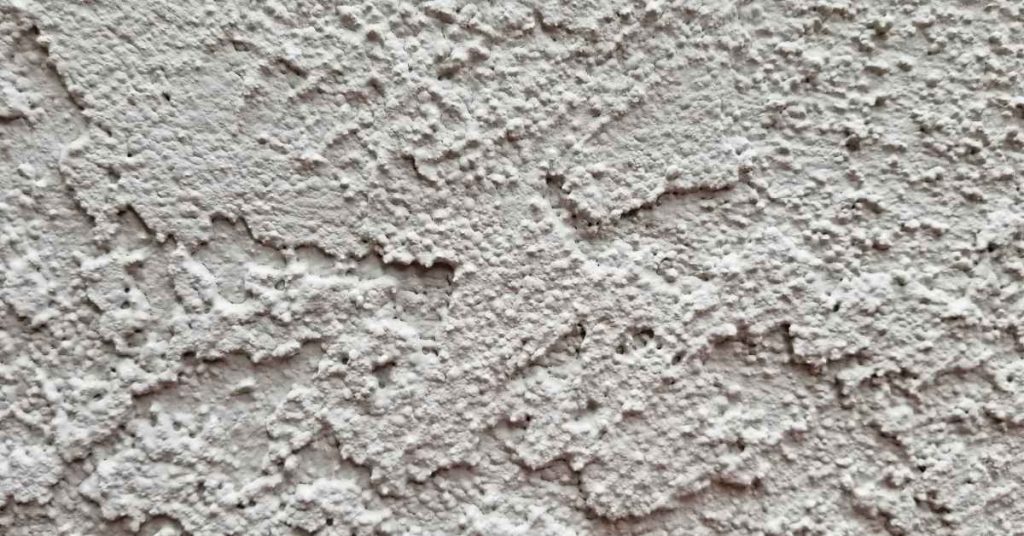
Stucco is a layered exterior finish typically composed of a cement or lime binder mixed with sand and water, often applied over a substrate like lath, foam, or masonry. Different wall assemblies (direct-applied over masonry, traditional lath-and-scratch coats, or modern foam-backed EIFS) change how water moves and where it can collect.
Knowing how moisture travels through these layers matters because trapped water accelerates deterioration, promotes mold, and can affect indoor humidity and comfort. Check product data sheets and local practice for the exact materials and layers present on your wall before drawing conclusions from tests.
What stucco is and how it handles moisture
Stucco’s a mix of cement, sand, water, and sometimes lime or other additives. It’s applied in layers: finish, scratch, brown, and lath/backup.
The top layer, finish, keeps out rain but lets vapor pass through. Underneath, the scratch layer adds texture for better adhesion. The brown coat provides a base color. The lath/backup is what holds everything together.
Stucco’s porous, so it absorbs water during curing. Once cured, it dries out slowly. This process affects how moisture moves through your walls.
How moisture moves in stucco and assemblies
Moisture in stucco moves by capillary action. It’s like how water climbs a sponge. Also, it diffuses through tiny openings due to vapor pressure differences – that’s vapor diffusion.
The backup materials behind your stucco matter. If they’re not breathable, moisture can get trapped and cause problems. Flashings at windows and doors help keep water out but let vapor escape.
Moisture needs a way to dry out. If it can’t, it might end up inside your home, causing issues like mold or damage to finishes.
Types of Moisture Meters and How They Work
Moisture meters used on stucco generally fall into two classes: contact (pin) meters that measure electrical resistance at shallow depths, and non-contact (pinless) meters that use electromagnetic sensors to estimate moisture a few inches below the surface. Each type reports results differently—resistance-based scales versus relative moisture values from the sensor—so numbers are not directly interchangeable between meter models.
Match the meter type to your inspection goal: surface penetration checks versus bulk moisture surveys, and verify how your specific model outputs data by consulting its manual or calibration instructions. If you’re unsure which to use, check the manufacturer instructions and any calibration procedures before testing.
Pin meters vs. pinless (non-contact) meters
When it comes to moisture meters, you’ve got two main types: pin and pinless. Each has its own way of measuring moisture and strengths.
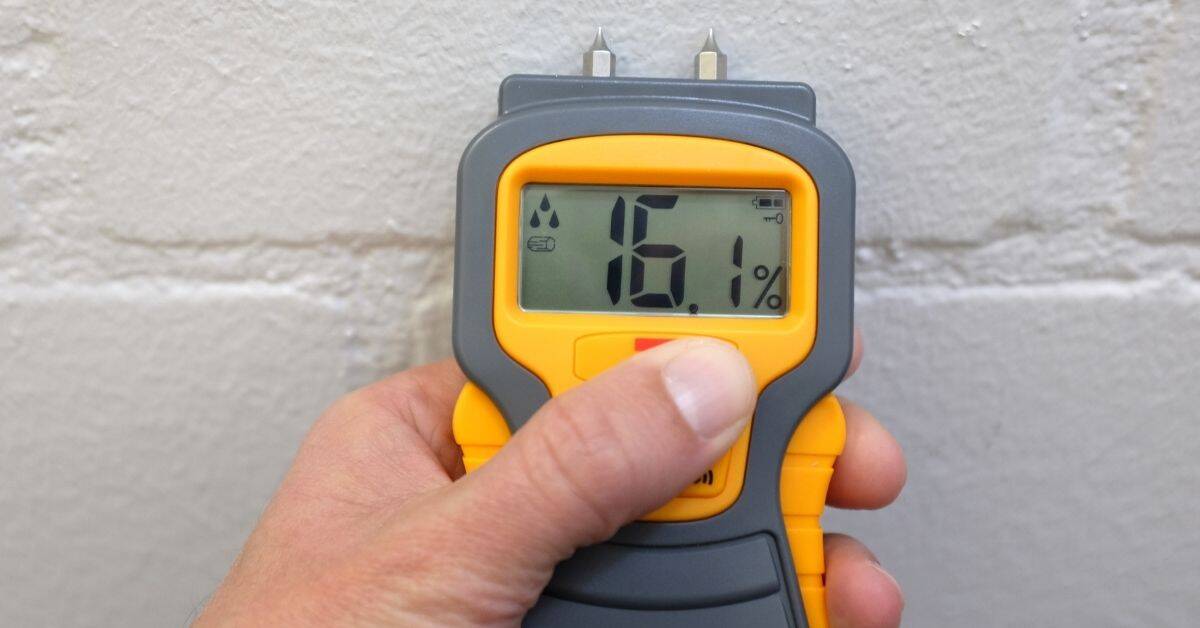
Pin meters work by driving small probes into the stucco. They measure the electrical resistance between these pins. If moisture’s present, it lowers the resistance, giving you a higher reading.
The downside? Pin meters can damage your finish if not used carefully. Plus, they only measure moisture directly under the pins, so results might vary across the surface.
Pinless (non-contact) meters, on the other hand, use a single probe to send an electrical signal through the stucco. They then measure how that signal’s affected by moisture deeper in the material.
Advantages? No damage to your finish and better depth penetration. But they can be influenced more by surface conditions like paint or sealers.
Other sensors and tools to consider
Moisture meters aren’t the only game in town. Here are some other tools that can help you get a better picture of your stucco’s moisture situation.
- Relative-humidity probes: These measure the moisture content in the air within the assembly. Useful for checking if there’s excess moisture behind the stucco, but they don’t show you what’s happening on the surface.
- Infrared cameras: They detect temperature differences, which can indicate moisture. Great for large areas and quick scans, but not as accurate as meters for specific readings.
- Borescopes: These are like tiny cameras on a flexible wire. Insert them into holes drilled into the stucco to see what’s going on inside without damaging your finish too much.
- Thermohygrometers: Combines temperature and humidity readings in one tool. Helps you understand if excess moisture is due to high humidity or other factors.
- Moisture meters with data logging capabilities: These record readings over time, helping you track changes and trends in your stucco’s moisture levels.
Preparing for Accurate Measurements
Preparation reduces false readings: clean the test area of dirt and loose finish, allow recently wetted surfaces to stabilize if practical, and note recent weather or irrigation events that could influence results. Mark test locations and record substrate type so later comparisons are apples-to-apples.
Follow the meter’s setup steps—battery check, calibration reference, and any probe conditioning per the manual—so readings are repeatable. If conditions vary across the wall, plan a consistent pattern and document environmental conditions with each run.
Tools and materials checklist
Before you start, make sure you have everything you need. This list will help you stay organized and avoid frustration.
- Moisture meter: The right tool for the job. We’ve covered types earlier.
- Batteries: Fresh ones. Dead batteries can give false readings.
- Reference blocks or dry baseline: To verify your meter’s reading.
- Probe tips: Clean and sharp for accurate readings.
- Cleaning cloth: To keep probes clean between readings.
- Logbook: Record readings, dates, and locations. It helps track changes over time.
Quick rule: Check everything before you start. A bad tool gives bad results.
Meter calibration and verification
Before taking readings, make sure your meter is working properly. Here’s how:
First, check the manufacturer’s instructions. They’ll tell you how to test your specific meter.
If you have reference blocks or a known-dry area, use them. Place the probes on the dry surface and compare the reading with what you expect. If they don’t match, your meter might be off.
When in doubt: Send it for service. Better safe than sorry.
How to Take Reliable Stucco Moisture Readings
For consistency, hold the meter or probe in the same orientation and pressure at each location and use a measurement grid or predetermined spacing so you can compare spots over time. For pin meters, use the same insertion depth and for pinless meters, maintain consistent contact and sensor alignment across tests.
Record each reading with time, location, surface condition, and ambient notes; take multiple readings at each spot (surface and adjacent) to account for depth variability. If readings look inconsistent, recheck surface preparation and consult the meter manual for troubleshooting steps.
Step-by-Step Process
Follow these practical steps to take reliable stucco moisture readings, ensuring consistency and accuracy.
- Preparation: Check your meter’s calibration and gather safety gear (gloves, eye protection).
- Safety first: Ensure the area is dry and free from hazards before starting.
- Main work: Take readings at various depths and locations, following the techniques below.
- Documentation: Record each reading with relevant context (see next section).
- Cleanup/Final checks: Wipe down your meter, check readings for consistency, and call a pro if needed.
Surface, depth, and spot vs. scan techniques
Understanding when to use different reading techniques helps you get accurate results:
Spot readings are quick checks at specific points. Use them for initial checks or targeted problem areas.
For depth variability, take multiple readings at increasing depths using a pin meter, or scan with a pinless meter to see moisture distribution.
Scan techniques involve moving the meter across the surface. Use them for large areas or suspected moisture patterns.
Mark and record locations of high readings for follow-up checks.
Environmental and installation factors to log
Record these contextual data points with each reading to help interpret results:
Weather conditions: Recent rain, temperature, humidity can affect readings.
Drying time: Note how long it’s been since the last significant rainfall or water event.
Landscaping grade: Steep slopes or low spots can direct water towards walls.
Visible breaches/flashings: Check for any obvious gaps, cracks, or missing flashings that could let in moisture.
Interpreting Meter Readings: When High Numbers Matter
Elevated readings become actionable when they fit a pattern: repeated high spots, progressive increases over time, or correlation with visual damage like staining, efflorescence, or softened stucco. Combine meter data with other evidence—probe holes, thermal imaging, or moisture pins at different depths—to assess whether moisture is transient or persistent.
Consider building risk factors such as wall assembly, roof and flashing details, and interior complaint history before calling for repairs. If you need a threshold or specific guidance, check manufacturer recommendations, local codes, or consult a licensed building professional for interpretation tied to your assembly.
Distinguishing wet conditions from transient moisture
Stucco can feel damp due to temporary surface wetting, like morning dew or recent rain. To tell if it’s just that, test the same spot over a few days.
If readings drop after controlled drying – say, with fans and dehumidifiers – you’re likely dealing with transient moisture. But if they stay high, there might be persistent retention.
Key: Transient moisture should show lower readings after drying. Persistent issues won’t budge.
Contextual thresholds and standards to consult
There’s no one-size-fits-all reading for moisture intrusion. It depends on your specific situation.
First, check your meter’s manual. Manufacturers provide guidelines based on their tech.
Then, look at material manufacturer guidance. They’ll tell you how long stucco needs to cure and dry.
Lastly, consult local building codes. Some areas have specific rules about moisture intrusion.
When High Readings May Not Indicate a Problem
Not all high readings mean damage: recent rain, surface salts, conductive contaminants, or temperature differences can produce false positives on some meters. Meter limitations—surface-only measurements, metal lath influence, or proximity to buried wet materials—can also skew results toward higher values.
Cross-check suspect readings by retesting after drying time, using a different meter type, or inspecting behind the stucco where practical before ordering invasive repairs. If doubt remains, refer to the meter’s accuracy statements and the product label or data sheet for guidance on known interferences.
False positives from surface moisture, salts, or substrate
Sometimes high readings aren’t due to structural issues. Recent rain can leave temporary moisture on the surface. Efflorescence – those white salt deposits you see sometimes – can also cause false positives. Hygroscopic salts in some substrates can absorb and release moisture, leading to fluctuating readings.
Remember, these are usually surface issues. If your meter’s probe is deep enough, it should still give accurate readings on the stucco itself.
But play it safe – if you’re unsure, move your meter around. False positives often change with location or time.
How to confirm non-problem readings (secondary checks)
High readings can be worrying, but don’t rush into repairs. First, do some secondary checks.
For surface moisture, use a simple wipe test. Wipe the area with a dry cloth. If it comes away wet, you’ve got surface moisture. If not, dig deeper.
Drill small inspection holes to check moisture at depth. Use an RH probe in cavity areas for more precise readings. These steps can confirm if your high reading is just a false positive.
Visual Checkpoints, Documentation, and Reporting
A clear inspection record pairs meter values with photos of the test area, notes on substrate and finish condition, and sketches or labeled photos showing exact test locations. Capture telltale visual signs: staining, cracks, bulging, efflorescence, or mold, and document surrounding features like flashing, grade, and drain paths that affect moisture behavior.
Organize readings in a simple spreadsheet or photo report with timestamps and tester initials so contractors or inspectors can reproduce your work. When passing results to a professional, include meter make/model and any calibration steps you performed so they can evaluate the data properly.
What photos and notes to capture for each reading
Use this checklist every time you take a moisture reading. It helps keep your documentation organized and useful.
- Time stamp: Note the exact time of day.
- Weather conditions: Jot down temperature, humidity, and any precipitation.
- Meter model: Record the make and model of your meter.
- Location-wide photo: Snap a wide shot showing the area’s context.
- Close-up of test spot: Get in tight to show exactly where you took the reading.
- Nearby penetrations: Photograph any nearby openings, like vents or windows.
- Reading value: Write down the exact moisture content percentage.
- Surface condition: Describe if it’s damp, dry, or something else.
Quick rule: The more details you capture, the better equipped contractors and inspectors will be to diagnose any issues.
Creating a clear report for contractors or inspectors
After gathering your data, compile it into an easy-to-read report. This helps ensure everyone’s on the same page.
- Title page: Include project name, location, and your contact info.
- Executive summary: Briefly state high-priority findings and recommended next steps.
- Methodology: Describe how you took readings (depth, spot vs. scan, etc.).
- Data tables: Organize readings by location, date, time, and value.
- Photos: Include relevant images from your checklist.
- Graphs or charts: Visualize trends over time or across areas.
- Interpretation: Explain what high readings mean in the context of your project.
- Recommendations: Suggest next diagnostic steps or repairs based on your findings.
Quick rule: Keep it concise and well-organized. A clear report saves time and prevents misunderstandings.
Conclusion
Solid moisture readings save you from hidden rot, costly repairs, and crooked repairs that show up in the finish. Focus on safe, accurate checks now so your stucco stays durable and your home looks right.
Do this: check the meter type and calibration, test a small, inconspicuous spot first, work in dry weather, prep the surface so readings aren’t fooled, take multiple readings across the area, document the numbers and visuals, and compare what you find to practical guidelines before you drill, patch, or repaint. Move from area to area in a steady rhythm and keep notes that tie numbers to visible signs.
Avoid these common mistakes: using the wrong meter for the job or skipping calibration, ignoring surface prep or weather conditions, and relying on a single reading to decide for or against action. Safety rules are simple: test before you drill, don’t push the tool beyond its range, and stop if you see cracking, moisture on the interior side, or any uncertain results. If something feels wrong, don’t force it—revisit the area and recheck with care.
If the readings are widespread, inconclusive, or there are signs of hidden damage, it’s time to call a professional rather than pushing on alone. Stay methodical, document what you find, and you’ll fix the right problems without wasting time or risking more damage. You’ve got this—steady checks lead to solid results.
FAQ
What should I do if I get a high reading near a window sill or door opening?
High readings there can mean moisture is tracked in from rain splash or improper flashing. Check the area for visible leaks, seal gaps, and verify the meter reading again after drying weather. If still high, consult the manufacturer instructions and local guidelines for testing and moisture mitigation steps.
Can environmental factors cause a high reading even if the wall is fine?
Yes. Rapid changes in temperature, direct sun, or recent rain can skew results. Let surfaces acclimate and re-test after a lull in moisture activity. Rely on multiple readings and follow the meter’s guidance on confirmation tests.
What should I do if readings differ a lot from one wall to the next?
Inconsistent readings can mean localized leaks or uneven material conditions. Re-test the suspect areas and compare results with your other measurements. Use manufacturer instructions to decide if you need further inspection or professional help.
How do I decide when to act based on readings?
Look for sustained high readings in multiple spots or readings that exceed the meter’s recommended thresholds. Check the moisture label, datasheet, or local rules to determine if action is required. Document findings and plan a follow-up check after repairs or weather changes.