Search Results for: 3 gal poly concrete sprayer

How to Pour Concrete Slab in Sections: A Comprehensive Guide

How to Pour Concrete Slab in Sections: A Comprehensive Guide

Table of Contents Introduction Preparing the Site for Sectional Concrete Pouring Gathering Essential Tools and Materials Step-by-Step Process of Pouring Concrete in Sections Mixing and Pouring Concrete Ensuring Structural Integrity and Longevity Ensuring Proper Curing and Sealing of Concrete Innovative Techniques for Efficient Sectional Pouring Leveraging Modern Concrete Additives Conclusion FAQ Introduction In construction, pouring […]

How to Pour Concrete Slab in Sections: A Comprehensive Guide Read More »

6 different concrete coatings systems available

6 different concrete coatings systems available

Table of Contents Introduction Stamped Concrete Overlay: A Decorative Option Stained Concrete: Enhancing Color and Style Acrylic Texture System: Durability and Design Epoxy and Polyaspartic Coatings: Strong and Versatile Micro-Toppings: Thin Layers for a Fresh Look Clear Sealers: Protecting Your Concrete Surface Conclusion FAQ Introduction Concrete is a versatile building material used for various applications,

6 different concrete coatings systems available Read More »

Interior wall with exposed brick and decorative furniture

Interior exposed brick sealing: dust control, sheen control, and breathability

Introduction Interior exposed brick sealing is the process of applying a suitable sealer to brick walls to control dust, adjust sheen, and maintain breathability. The goal is to seal the surface without creating a glossy, non-breathing barrier that traps moisture. This article covers practical steps for choosing products, preparing the surface, and applying sealers in

Interior exposed brick sealing: dust control, sheen control, and breathability Read More »

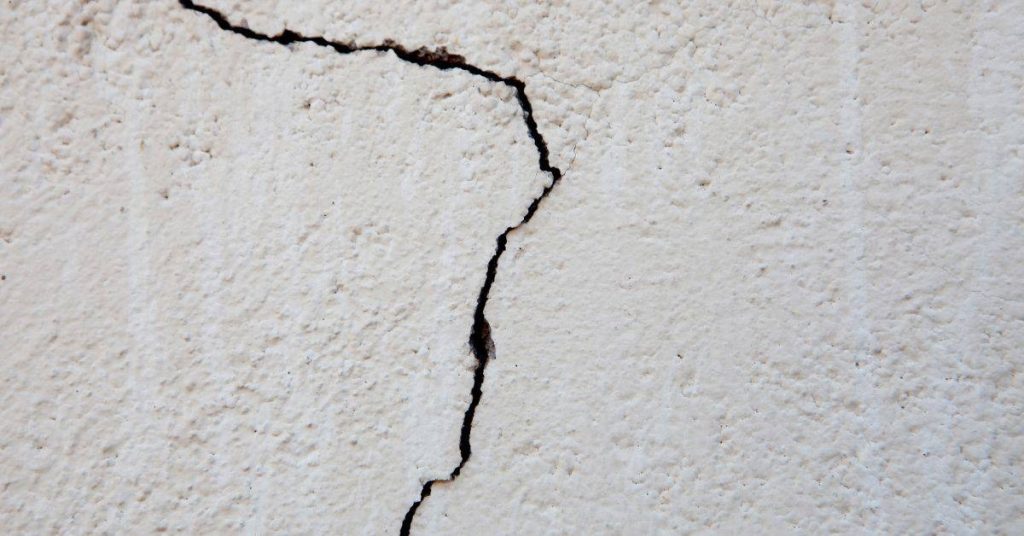
Closeup of stucco surface with a visible crack

Curing Stucco Patches in Heat and Wind: Mist Schedules and Weak-Finish Prevention

Introduction Curings stucco patches in heat and wind means maintaining a light, frequent mist to keep the surface from drying too fast and cracking. Misting is usually done on a schedule you adjust to the day, shielding the patch from direct sun when needed. Always monitor the patch for dryness, and check product and local

Curing Stucco Patches in Heat and Wind: Mist Schedules and Weak-Finish Prevention Read More »

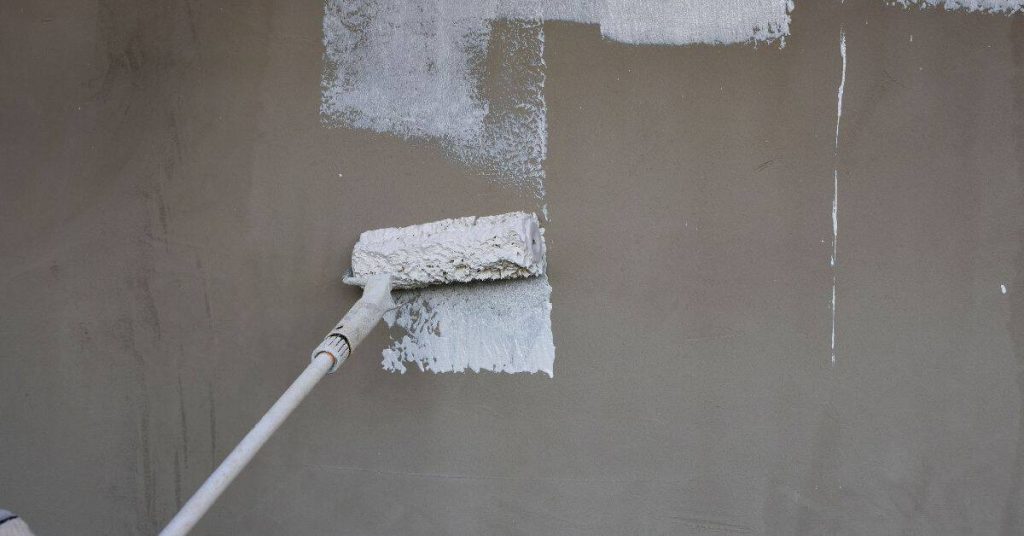
Paint roller applying white paint on brown stucco wall

Elastomeric Paint Over Hard Coat Stucco: When It Bridges Cracks and When It Blisters

Introduction Elastomeric paint over hard coat stucco is a flexible coating designed to bridge small cracks in the surface. It can improve weather resistance but may blister if the surface is dirty, damp, or improperly prepped. Proper prep and careful application are essential to a durable coat. Preparation and proper application are key to avoiding

Elastomeric Paint Over Hard Coat Stucco: When It Bridges Cracks and When It Blisters Read More »

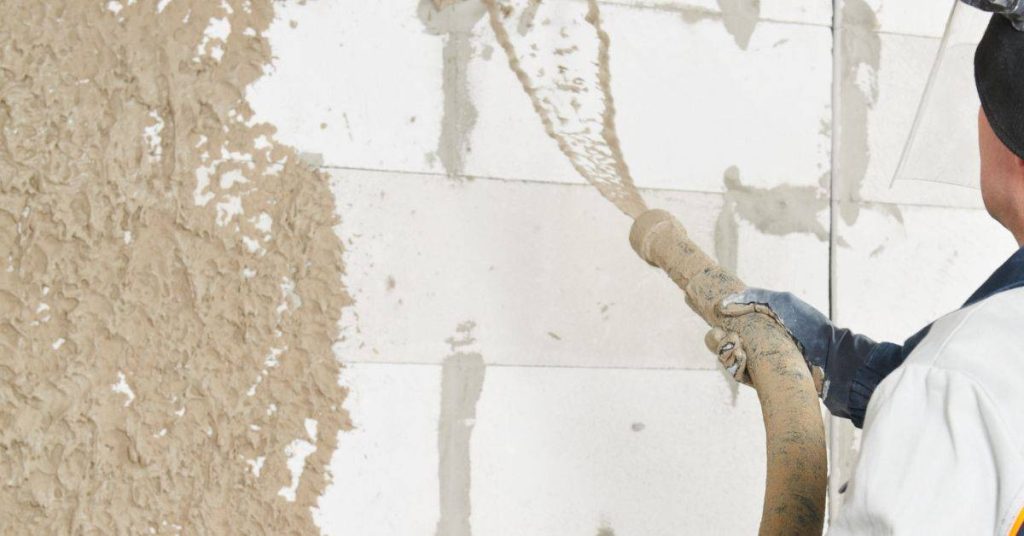
Person spraying stucco mixture onto a wall

How to Fix a Stucco Patch That Dries Too Fast: Pre-Wetting and Cure Mist Schedules

Introduction Pre-wetting and cure mist schedules help control how fast a stucco patch dries. This simple approach keeps the patch workable and reduces cracking. Set up a light dampening routine and watch for a smooth, even surface as you work. Common causes of rapid drying are sun exposure, wind, and heat on the patch area.

How to Fix a Stucco Patch That Dries Too Fast: Pre-Wetting and Cure Mist Schedules Read More »

Black plastic cable ties of various lengths on white surface

Spraying Paint in a Garage: Overspray Containment With Cheap Plastic and Filters

Introduction Overspray containment is the quick setup of cheap plastic barriers and filters to keep paint mist from drifting outside your garage. This approach is meant to be practical and affordable for a DIY project. You’ll learn how to tape plastic, hang it securely, and use simple filters to curb debris. Plan the work area,

Spraying Paint in a Garage: Overspray Containment With Cheap Plastic and Filters Read More »

Person spreading glossy epoxy floor coating with squeegee

Pinholes in Floor Coatings: Prime Coats, Squeegee Technique, and Offgassing Control

Introduction Pinholes in floor coatings are tiny voids that form when the surface isn’t sealed and moisture or air escapes as the coating cures. They undermine moisture control and adhesion, especially if the primer or first coat isn’t applied correctly. Check that your primer is stated for moisture control and compatible with the topcoat you’re

Pinholes in Floor Coatings: Prime Coats, Squeegee Technique, and Offgassing Control Read More »

fresh concrete partially poured on rough surface

Using Burlap for Wet Curing: How to Keep It Wet Without Staining the Surface

Introduction Burlap can be used to keep concrete moist during curing without staining the surface when applied correctly. This method relies on evenly saturated burlap laid over the fresh pour and kept moist. Check the burlap material and manufacturer guidance for suitability and any surface protection needs. Choose burlap that is plain and untreated, and

Using Burlap for Wet Curing: How to Keep It Wet Without Staining the Surface Read More »

Three construction workers discussing a building plan indoors

Hot-Weather ‘Shade Plan’ for Pours: Tents, Misting, and Wind Screens That Don’t Backfire

Introduction A hot-weather shade plan for pours uses tents, misting, and wind screens to control heat and evaporation. Set up coverings to cut direct sun and keep the mix from drying too fast, but avoid creating stagnant air that slows curing. Check local rules and product labels for placement and safety. Use tents tall enough

Hot-Weather ‘Shade Plan’ for Pours: Tents, Misting, and Wind Screens That Don’t Backfire Read More »