Search Results for: 10 INCH ROUND CONCRETE

Weathered pink stucco wall with discoloration and patches

Stucco at Deck Ledger Boards: Integrating Flashing, Tape Membranes, and Drainage Space

Introduction This article explains how to install stucco around a deck ledger by using flashing, tape membranes, and a drainage space. It covers practical, hands-on steps you can take to keep water out and prevent damage. It keeps the process straightforward and doable for a DIY project. Check manufacturer instructions and local codes for flashing […]

Stucco at Deck Ledger Boards: Integrating Flashing, Tape Membranes, and Drainage Space Read More »
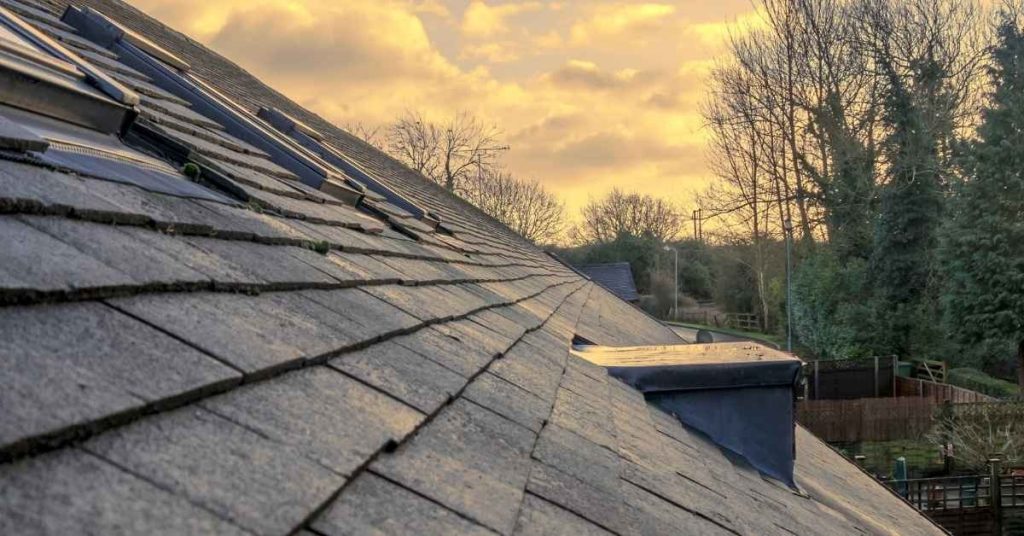
Slate roof with metal flashing under golden sky

Window Head Flashing Behind Stucco: Drip Caps, End Dams, and How to Stop Head Leaks

Introduction Window head flashing behind stucco is a weatherproofing detail that directs water at the top of the window away from the opening. It often relies on drip caps, end dams, and proper sealing to shed water behind the stucco rather than into the wall. When you’re working, look for gaps, torn flashing, or loose

Window Head Flashing Behind Stucco: Drip Caps, End Dams, and How to Stop Head Leaks Read More »

Closeup of metal chain link fence with blurred background

Metal Accessory Corrosion (Beads, Screeds) in Coastal Zones: Material Upgrades and Isolation Tricks

Introduction Coastal metal accessories like beads and screeds that contact concrete are prone to corrosion from salt and moisture. This topic covers practical upgrades and isolation tricks you can use during DIY work. Treat it as a hands-on job: plan, protect, and seal where metal meets concrete. Look for corrosion-resistant alloys or coatings and install

Metal Accessory Corrosion (Beads, Screeds) in Coastal Zones: Material Upgrades and Isolation Tricks Read More »

Weathered pink stucco wall with discoloration and patches

Acrylic Finish Coats (Synthetic Stucco): When They’re Appropriate and How to Avoid Plastic-Looking Patches

Introduction Acrylic finish coats are a synthetic stucco layer applied to exterior walls for a hard, weather-resistant surface. They’re appropriate when you want a durable, low-maintenance outer coat that can flex with shifting framing. Choose a system that matches your substrate and climate, and verify guidance from the manufacturer or local rules. The installation steps

Acrylic Finish Coats (Synthetic Stucco): When They’re Appropriate and How to Avoid Plastic-Looking Patches Read More »

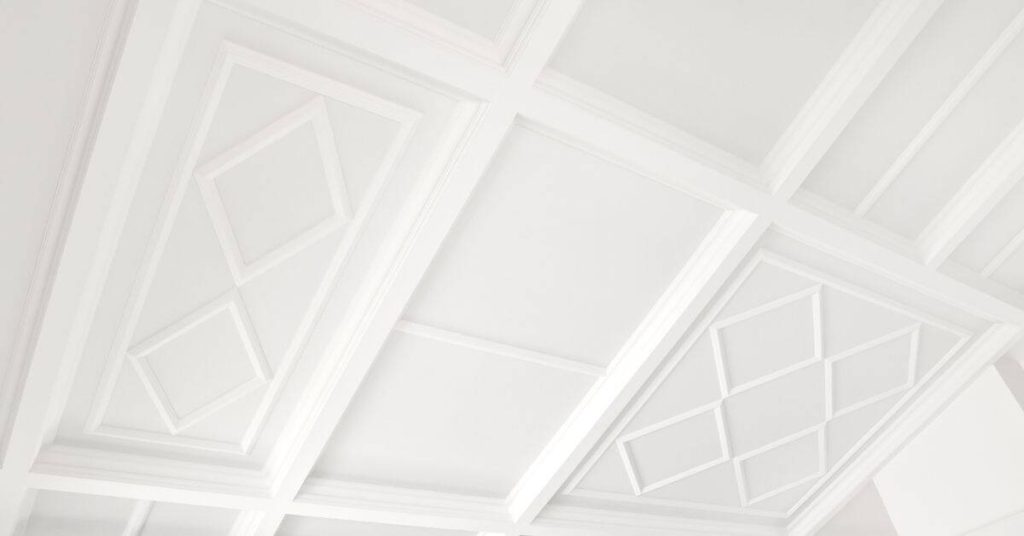
white decorative plaster ceiling panels with geometric patterns

Stucco Delamination at Plywood Shear Panels: Why It Happens and How to Rebuild the Assembly

Introduction Stucco delamination at plywood shear panels occurs when the stucco separates from the plywood backing, usually due to moisture intrusion and substrate movement. That separation shows up as cracks, bubbling, or flaking, and it weakens the exterior assembly. It’s a hands-on issue you can diagnose by looking for soft spots, damp patches, or loose

Stucco Delamination at Plywood Shear Panels: Why It Happens and How to Rebuild the Assembly Read More »

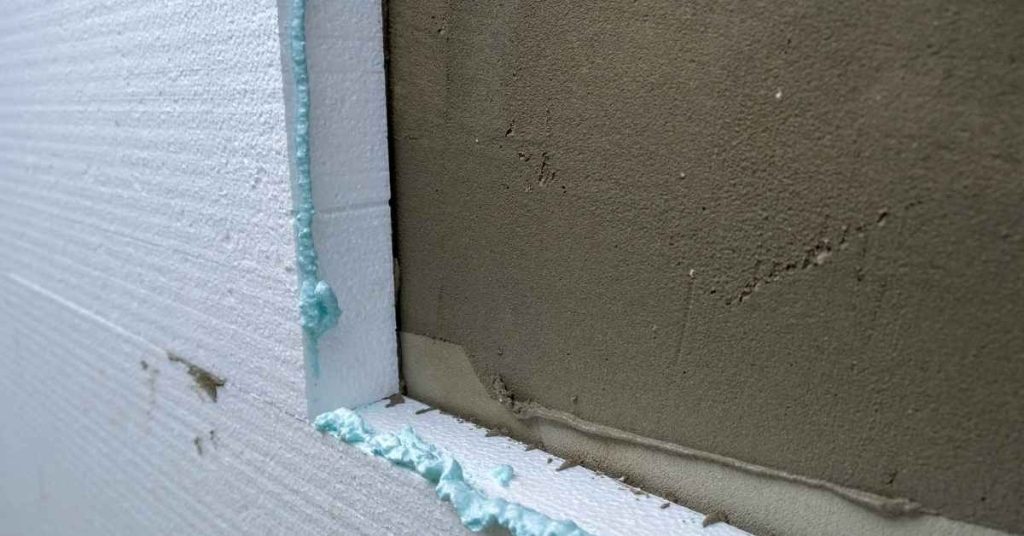
Close-up of stucco edge with foam insulation and sealant

Stucco Parapet Walls: Coping, Cap Flashing, and Why the Top Edge Is the #1 Leak Source

Introduction Coping, cap flashing, and the top edge are the critical areas that control leaks on stucco parapet walls. This article explains why the top edge leaks and how to approach coping and flashing like a DIY job. Because every project is different, check manufacturer instructions and local rules for your setup. We’ll cover coping

Stucco Parapet Walls: Coping, Cap Flashing, and Why the Top Edge Is the #1 Leak Source Read More »

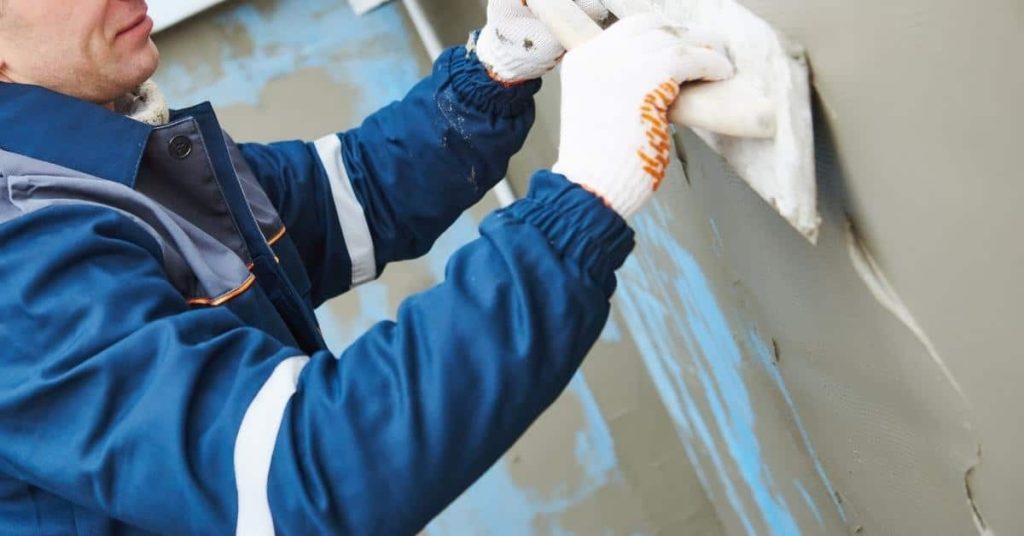
Worker applying first coat of stucco on wall with trowel

Three-Coat vs One-Coat Stucco: Thickness Targets, Cure Times, and Where Each Fails

Introduction Three-coat stucco uses three separate layers, while one-coat finishes are completed in a single composite application. Thickness targets and cure times depend on the system you choose, so always check the product label and local rules rather than guessing. Also verify how a weather-resistive barrier is used and how the lath is installed, since

Three-Coat vs One-Coat Stucco: Thickness Targets, Cure Times, and Where Each Fails Read More »

Worker applying stucco plaster onto wall with trowel

Stucco Movement Joints: Spacing Rules, Joint Profiles, and Sealant Detailing That Lasts

Introduction Movement joints in stucco are intentional gaps that let the plaster move with temperature and framing shifts. They help prevent cracks by giving the wall a controlled place to flex, not tear. Check local building rules and follow manufacturer instructions for spacing and placement in your area. There are different joint profiles and sealants,

Stucco Movement Joints: Spacing Rules, Joint Profiles, and Sealant Detailing That Lasts Read More »

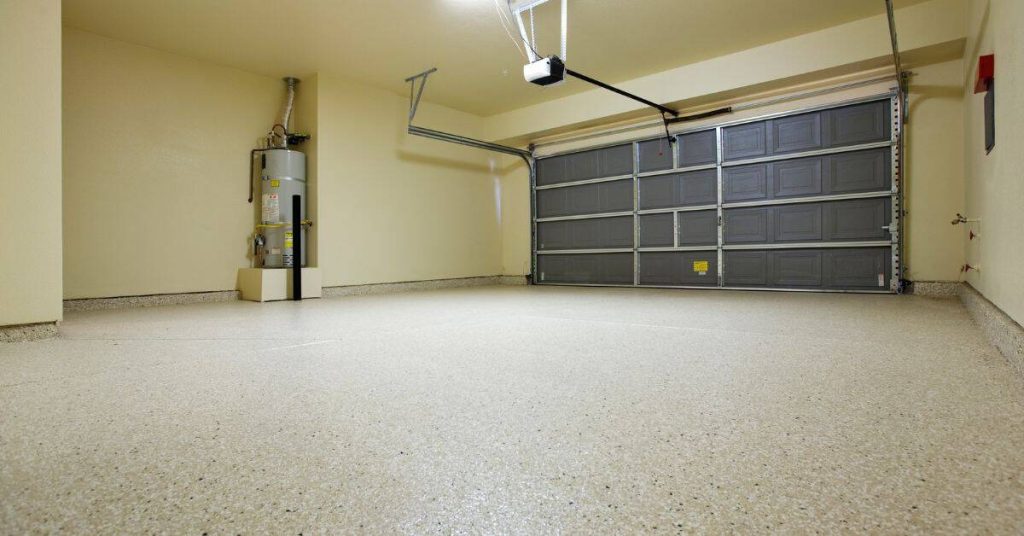
Clean epoxy-coated residential garage floor with water heater

Salt-Contaminated Garage Slabs: Cleaning Limits and Coating System Choices That Survive

Introduction Salt-contaminated garage slabs are concrete floors with salt residues that can interfere with finishes and moisture behavior. The salt can come from de-icing agents or nearby treatments, and this article explains what to expect when cleaning and choosing a coating that lasts. Salt residue can cause efflorescence, staining, and a weakened surface near joints,

Salt-Contaminated Garage Slabs: Cleaning Limits and Coating System Choices That Survive Read More »

Closeup of cracked and peeling plaster on white wall

How to Repair a Failed Patch That Sounds Hollow: Cutback Rules and Reattachment Options

Introduction A failed patch that sounds hollow is a plaster area with voids that likely needs back-cutting and reattachment. In plain terms, you’ll check why it came loose and decide whether to trim the patch back or start fresh. This is a real-world, DIY job you can handle with basic tools and a patient approach.

How to Repair a Failed Patch That Sounds Hollow: Cutback Rules and Reattachment Options Read More »