Search Results for: 10 INCH ROUND CONCRETE

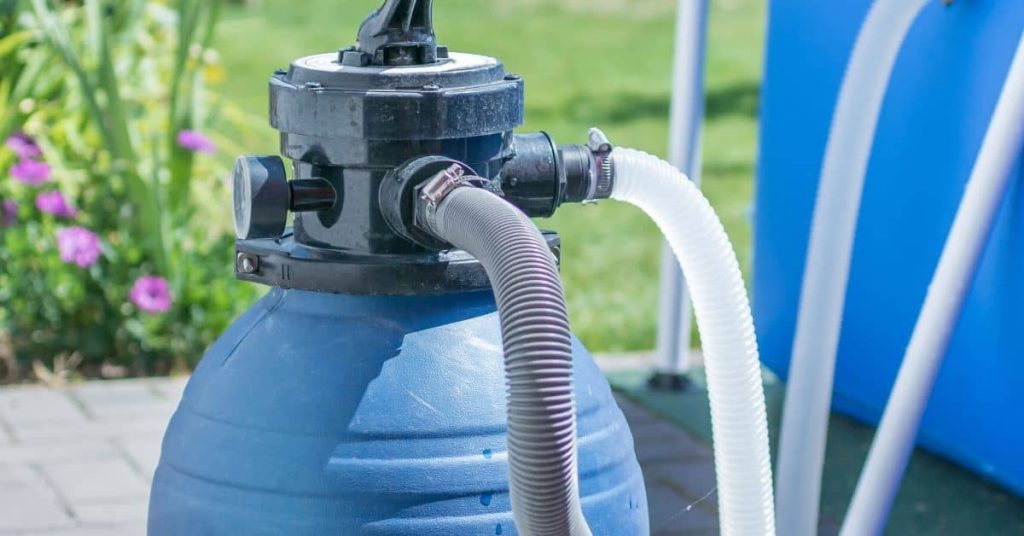
Close-up of blue pool filter tank with connected hoses

Footing Drains and Filter Fabrics: Why Systems Clog and How to Detail Them to Last

Introduction Footing drains and filter fabrics are the gravel-and-pipe setup that keeps a foundation dry by collecting groundwater and routing it away. This is a practical, hands-on part of a basement or crawlspace project that you can DIY with careful planning. Start with the basics: plan the trench, choose a breathable fabric, and check that […]

Footing Drains and Filter Fabrics: Why Systems Clog and How to Detail Them to Last Read More »
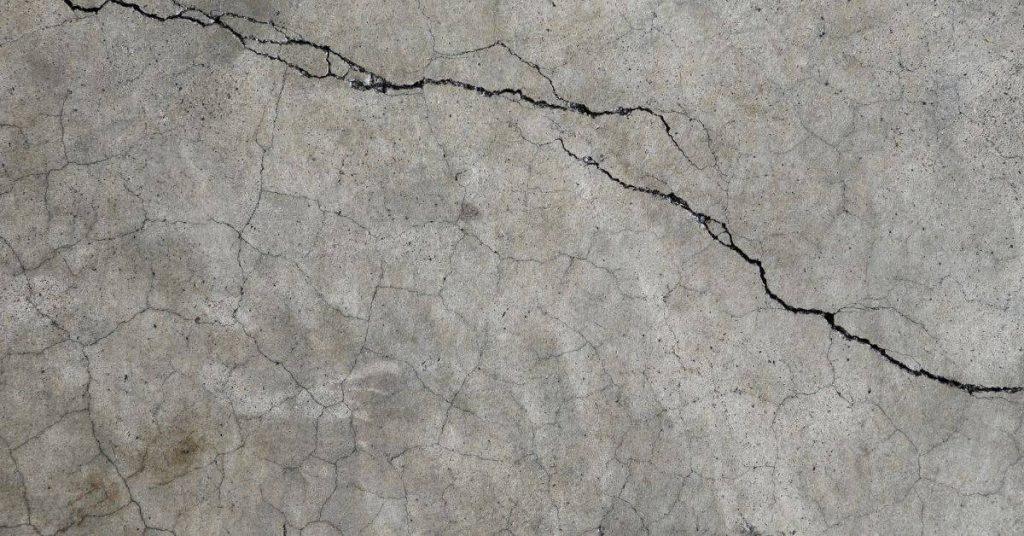
close-up of cracked concrete surface with dark irregular crack

Crack Injection for Leaking Basement Walls: Step-by-Step Ports, Packers, and Cleanup

Introduction Crack injection for leaking basement walls is a method of sealing cracks in concrete walls using ports and epoxy or polyurethane under pressure. This article walks you through the basic setup, including where to place ports and how to clean and prep the surface. It’s a DIY-friendly overview, but you should check product labels

Crack Injection for Leaking Basement Walls: Step-by-Step Ports, Packers, and Cleanup Read More »

Person leveling freshly poured concrete slab near rebar edge

Radon Sealing at Slab Edges: Polyurethane Sealant vs Tapes vs Liquid Membranes

Introduction Radon sealing at slab edges means using materials to block radon from entering through the concrete edges around a slab. Common DIY options include polyurethane sealants, tapes designed for concrete, and liquid membranes, each with its own installation quirks. Always check the product label and local rules to confirm suitability and proper use. Polyurethane

Radon Sealing at Slab Edges: Polyurethane Sealant vs Tapes vs Liquid Membranes Read More »

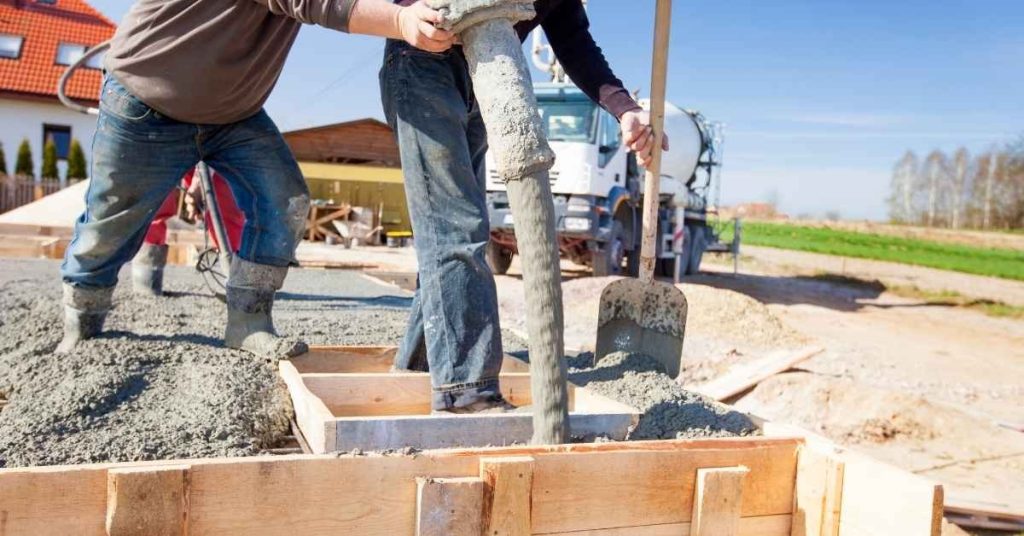
Workers pouring concrete into wooden foundation form

Bentonite Sheet Waterproofing on Foundation Walls: Detailing, Fasteners, and Failure Modes

Introduction Bentonite sheet waterproofing on foundation walls is a passive barrier that swells when wet to seal against moisture. In a DIY setup, you’re detailing joints, overlaps, and how the membrane interfaces with the wall and any backer boards or insulation. Check manufacturer guidance and local rules for surface prep, fastening methods, and acceptable materials

Bentonite Sheet Waterproofing on Foundation Walls: Detailing, Fasteners, and Failure Modes Read More »

close up of red brick wall mortar joints

Sealing Control Joints for Radon: Where to Seal, What Lasts, and When Not To

Introduction Sealing control joints is a practical step to reduce radon entry by closing gaps in masonry where joints exist. Before you seal, clean and dry the joint, choose a sealer compatible with masonry, and follow the product’s instructions for temperature, cure time, and re-entry. If in doubt, check local rules and consult the product

Sealing Control Joints for Radon: Where to Seal, What Lasts, and When Not To Read More »

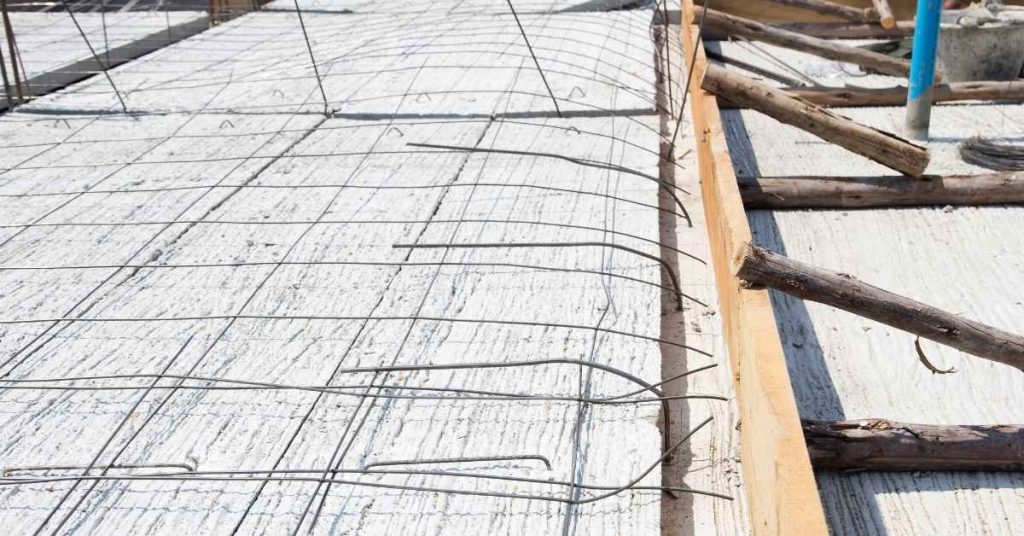
Concrete slab form with wire rebar grid and bent dowels

How to Tie Slab Reinforcement Into a Footing: Dowels, Hooks, and Keeping Cover Correct

Introduction Tieing slab reinforcement into a footing means securely connecting the steel in the footing to the steel in the slab so the two act as a single unit. Use dowels or hooks to link the bars where the slab meets the footing, and keep them clean, straight, and properly aligned. Always tie with the

How to Tie Slab Reinforcement Into a Footing: Dowels, Hooks, and Keeping Cover Correct Read More »

Smooth gray epoxy coated concrete garage floor with car

Epoxy Injection vs Polyurethane Injection for Cracks: Choosing Based on Movement and Moisture

Introduction Epoxy and polyurethane injections are two concrete crack repair options, chosen based on movement and moisture. Epoxy cures into a stiff bond ideal for solid, non-moving cracks, while polyurethane stays more flexible to absorb tiny shifts. Always check the product label and local rules before committing to one method. In terms of practical differences,

Epoxy Injection vs Polyurethane Injection for Cracks: Choosing Based on Movement and Moisture Read More »

gray concrete surface with visible cracks crossing joints

Routing Cracks for Sealant: Geometry Rules That Actually Improve Longevity

Introduction Routing cracks for sealant means creating clean, engineered gaps in concrete to receive sealant that can accommodate movement. This is a hands-on job where the cut shape and depth influence how well the sealant sticks and lasts. Keep the work plain and practical, focusing on a straight, uniform groove and clean edges. Understanding crack

Routing Cracks for Sealant: Geometry Rules That Actually Improve Longevity Read More »

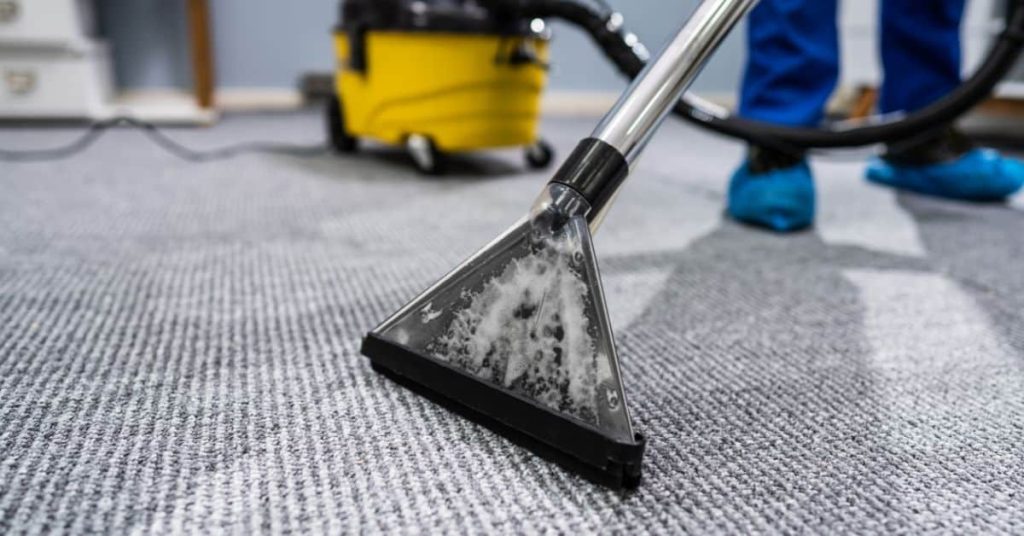
Closeup of carpet cleaning extraction tool on gray carpet

Electrochemical Re-Alkalization and Chloride Extraction: What Homeowners Should Know Before Hiring It

Introduction Electrochemical re-alkalization and chloride extraction are concrete repair methods aimed at neutralizing acidic attack and removing embedded chlorides from reinforced concrete. In plain terms, these processes use electrical currents to push pH back up and pull harmful chlorides out, so the steel stays safer. Think of it as a general overview you can compare

Electrochemical Re-Alkalization and Chloride Extraction: What Homeowners Should Know Before Hiring It Read More »

precast concrete wall panels with steel roof framing

Grinding vs Scarifying vs Milling: Picking Removal Methods by Depth and Dust

Introduction Grinding, scarifying, and milling are three removal methods that remove concrete from the surface, each with a different tool and result. Grinding uses a rotating abrasive disk to smooth and flatten the top layer. Scarifying tears and scratches the surface to lift material more aggressively, while milling removes larger sections with a powered drum.

Grinding vs Scarifying vs Milling: Picking Removal Methods by Depth and Dust Read More »