Search Results for: 10 INCH ROUND CONCRETE

Close up of concrete floor grinding machine in use

Fixing Trip Hazards on Sidewalks: Grinding Limits, Overlay Risks, and Code-Ish Thresholds

Introduction Trip hazards on sidewalks are uneven or crowned surfaces that can snag a foot and cause a fall. For a DIY approach, start by evaluating where and how the surface is out of plane and plan gentle corrections rather than drastic reshaping. Keep changes modest, clearly mark the area, and work in daylight to […]

Fixing Trip Hazards on Sidewalks: Grinding Limits, Overlay Risks, and Code-Ish Thresholds Read More »

Concrete screed tool smoothing wet concrete surface

Choosing Aggregate Size for Small Forms: Fewer Voids, Fewer Bugholes, Easier Finishing

Introduction Smaller aggregate size reduces voids and bugholes and makes finishing easier. For DIY projects, pick an aggregate that fits the form and follow the bag label and manufacturer guidance. If in doubt, check local rules or guidance from the mix supplier before deciding. Consolidation and slump are about how well the concrete fills tight

Choosing Aggregate Size for Small Forms: Fewer Voids, Fewer Bugholes, Easier Finishing Read More »

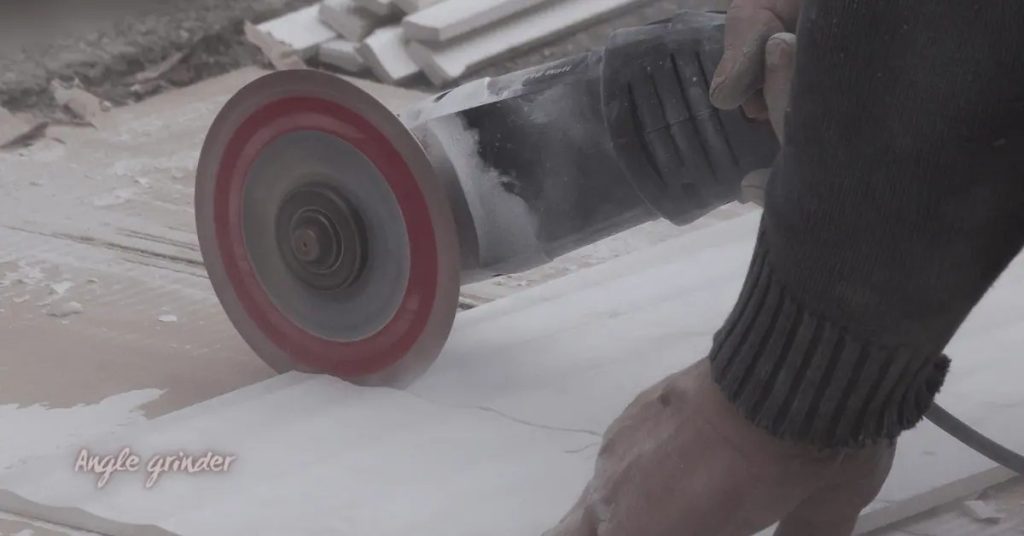
Angle grinder cutting a concrete surface with dust

Accelerator + Superplasticizer Interactions: The Combo That Can Flash Set

Introduction Accelerators and superplasticizers are concrete admixtures that, when used together, can cause rapid hardening or flash set. This article explains how their interaction can change workability and set times in DIY mixes. Always check product labels and follow manufacturer instructions for compatibility. In the field, watch for signs of quick stiffening and plan your

Accelerator + Superplasticizer Interactions: The Combo That Can Flash Set Read More »

Cracked white mortar on red brick wall in sunlight

Latex (SBR) Modifiers in Repair Mortars: Strength Gains vs Breathability Losses

Introduction Latex (SBR) modifiers are synthetic rubber additives used in repair mortars to improve flexibility and adhesion. They help the mortar resist cracking as concrete moves, but they can reduce breathability if overused. Always check the product label and manufacturer instructions for recommended usage and cure expectations. In textile-reinforced mortars (TRMs), SBR modifiers can boost

Latex (SBR) Modifiers in Repair Mortars: Strength Gains vs Breathability Losses Read More »

Empty white plastered room with concrete floor and doorway

Diagnosing Honeycombing in Formed Walls: Severity Grading and Repair Thresholds

Introduction Honeycombing in formed walls is a condition where voids and rough cement gaps appear on the surface, signaling poor compaction and near-surface voids. For DIY homeowners, identify it by a spongy or crumbling feel, visible voids, and a rough, uneven finish. Addressing it depends on how widespread it is and whether the inner steel

Diagnosing Honeycombing in Formed Walls: Severity Grading and Repair Thresholds Read More »

Hammer screwdriver orange level on wooden surface

Hammer Sounding vs Chain Drag: Locating Delamination and Hollow Areas the Right Way

Introduction Hammer sounding and chain drag are practical field tests to locate delaminations and hollow areas in concrete. You tap or drag along the surface and listen for changes in tone and feel. These methods help you decide where to drill, patch, or reinforce without guesswork. Hammer sounding uses a light tapping with a hammer

Hammer Sounding vs Chain Drag: Locating Delamination and Hollow Areas the Right Way Read More »

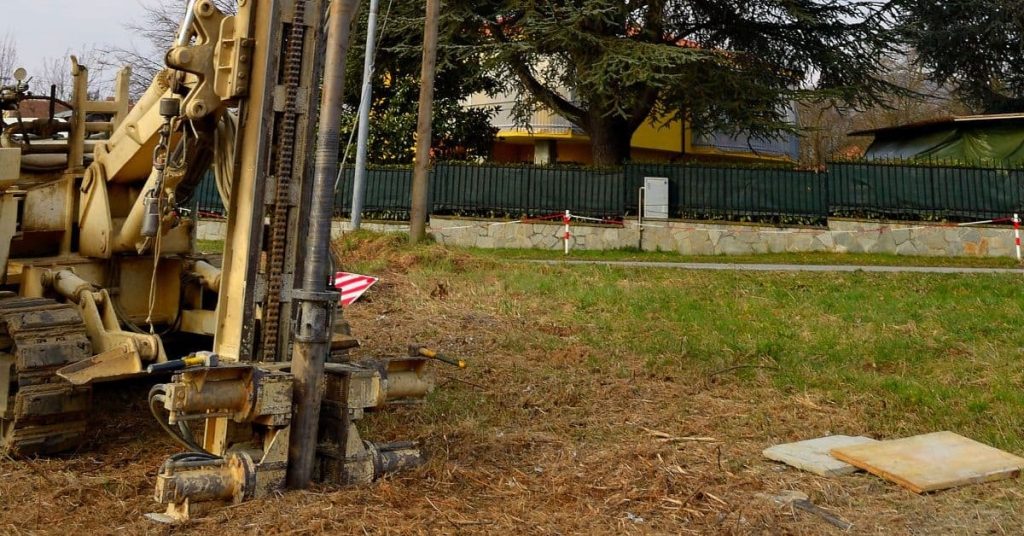
Heavy soil drilling rig on grassy field near fence

Half-Cell Potential Testing: Quick Field Check for Corrosion Risk (and Common Misreads)

Introduction Half-cell potential testing is a quick field check that estimates the likelihood of corrosion on embedded steel by measuring electrical potential at the surface. It’s a screening tool, not a crystal ball, and results should be used with other observations. Always follow the device instructions and local rules when you perform it. To perform

Half-Cell Potential Testing: Quick Field Check for Corrosion Risk (and Common Misreads) Read More »

Stacked precast concrete hollow core slabs outdoors

Internal Curing With Lightweight Aggregate: Reducing Shrinkage in Thin Slabs and Countertops

Introduction Internal curing with lightweight aggregate is a method that uses porous, low-density aggregate inside the mix to keep moisture available for hardening. This approach helps manage moisture in thin slabs and countertops as they cure, especially when you’re working with limited thickness. Always follow the material instructions and local rules to ensure proper use.

Internal Curing With Lightweight Aggregate: Reducing Shrinkage in Thin Slabs and Countertops Read More »

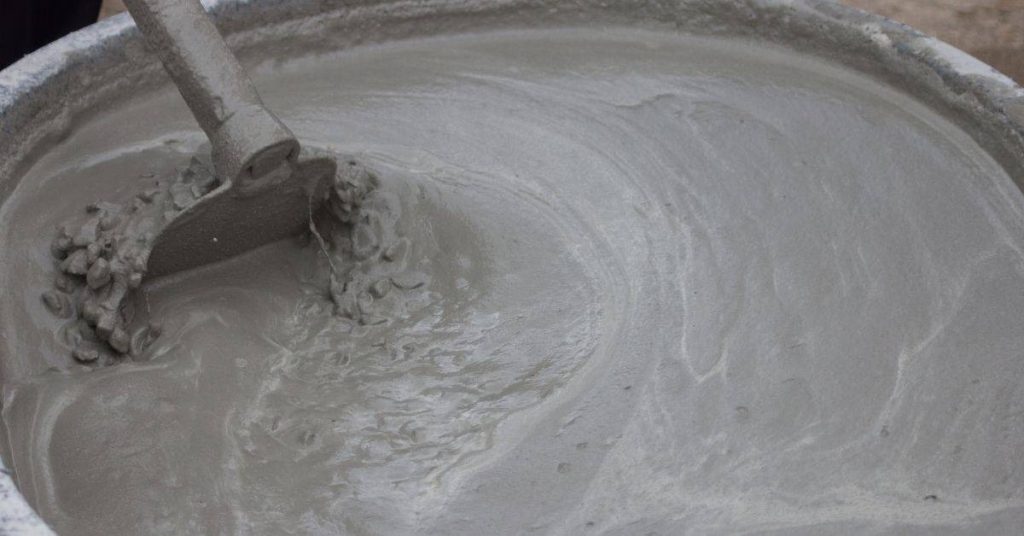
Trowel mixing wet cement mortar in a large container

Shrinkage-Compensating Cement: Where It Shines, Detailing Rules, and DIY Reality

Introduction Shrinkage-compensating cement is a concrete mix designed to offset shrinkage as it cures. In DIY projects, it helps reduce cracking on slabs and pads. Use it when you expect movement or large flat surfaces; check product instructions for mixing and cure guidance. For rules and specifications, follow the manufacturer’s directions and any local rules.

Shrinkage-Compensating Cement: Where It Shines, Detailing Rules, and DIY Reality Read More »