Search Results for: 10 INCH ROUND CONCRETE

Smooth light gray concrete wall surface with faint texture

Finishing Fiber-Reinforced Concrete: How to Avoid “Hairy” Fibers at the Surface

Introduction Hairy fibers at the surface happen when fibers protrude from the concrete finish. This surface issue is usually caused by how the mix is placed and how fibers are distributed during finishing. Work with the goal of keeping fibers below the surface as you strike off and trowel. Synthetic fibers can help with crack […]

Finishing Fiber-Reinforced Concrete: How to Avoid “Hairy” Fibers at the Surface Read More »

Close-up of cracked and deteriorated concrete wall surface

Microfiber vs Macro Fiber in Concrete: Which to Use (and When)

Introduction Microfibers are ultra-fine fibers added to concrete to improve toughness and crack control. Macro fibers are coarser, longer fibers that help bridge larger cracks and add toughness. For DIY projects, the choice depends on the expected loads and how much cracking you want to limit. In practice, microfibers are mixed at small doses to

Microfiber vs Macro Fiber in Concrete: Which to Use (and When) Read More »

Gray concrete slabs with visible cracks

Microtopping Over Old Concrete: Prevent Ghost Cracks, Delamination, and Edge Failures

Introduction Microtopping over old concrete is a thin, decorative concrete top layer that can refresh a worn floor. This article explains how to prepare, mix, and apply it to minimize ghost cracks, delamination, and edge failures. You’ll get a practical, hands-on approach that stays away from textbook theory. Before you start, inspect the surface for

Microtopping Over Old Concrete: Prevent Ghost Cracks, Delamination, and Edge Failures Read More »

polished concrete floor in industrial style living room

Cellular Concrete vs Gravel Fill for Basement Floors: Cost, Performance, and Moisture Behavior

Introduction Cellular concrete is a lightweight foamed concrete option, while gravel fill is compacted crushed stone. This article compares them in terms of cost, moisture behavior, and performance for a DIY basement floor. Keep in mind that installation methods vary widely depending on local rules and material specifications. Costs depend on material and labor, and

Cellular Concrete vs Gravel Fill for Basement Floors: Cost, Performance, and Moisture Behavior Read More »

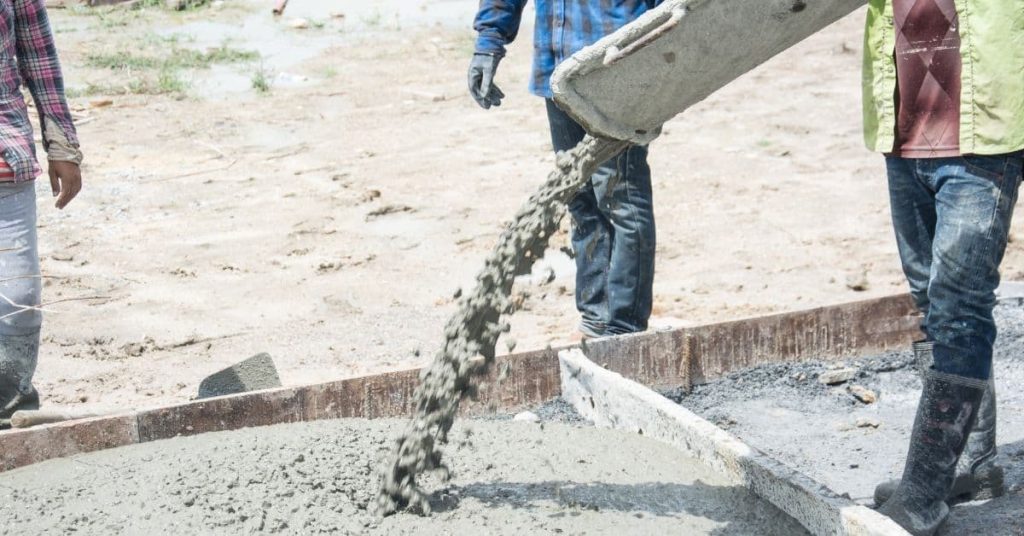
Workers pouring wet concrete into a wooden frame outdoors

Cellular Concrete Uses: Trench Backfill and Under-Slab Fill (Pros, Cons, DIY Limits)

Introduction Cellular concrete is a lightweight concrete mix used for trench backfill and under-slab fill. It is also known as foamed or aerated concrete, and it’s discussed as a DIY-friendly option with attention to local rules and product instructions. It’s not a substitute for every job, so check what your project requires first and follow

Cellular Concrete Uses: Trench Backfill and Under-Slab Fill (Pros, Cons, DIY Limits) Read More »

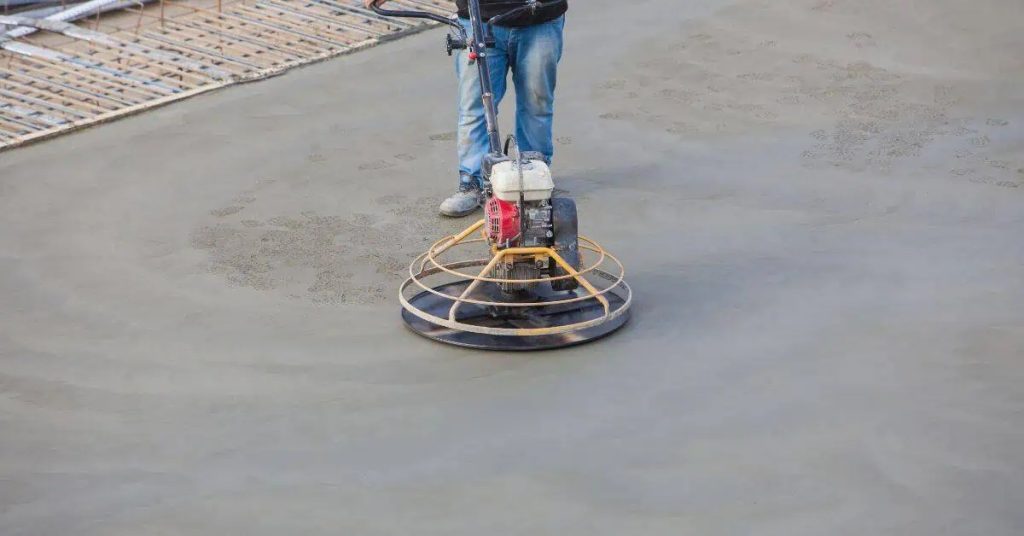
person using power trowel on wet concrete slab

Foamed Concrete for Lightweight Planters and Fill: DIY Mixing, Placing, and Finishing

Introduction Foamed concrete is a lightweight mix used for making planters and fill, mixed with air-entraining foam to reduce weight. This article walks you through practical, hands-on steps for mixing, placing in forms, and finishing for a durable, good-looking result. Check the product instructions and local rules for material limits before you start. Choose the

Foamed Concrete for Lightweight Planters and Fill: DIY Mixing, Placing, and Finishing Read More »

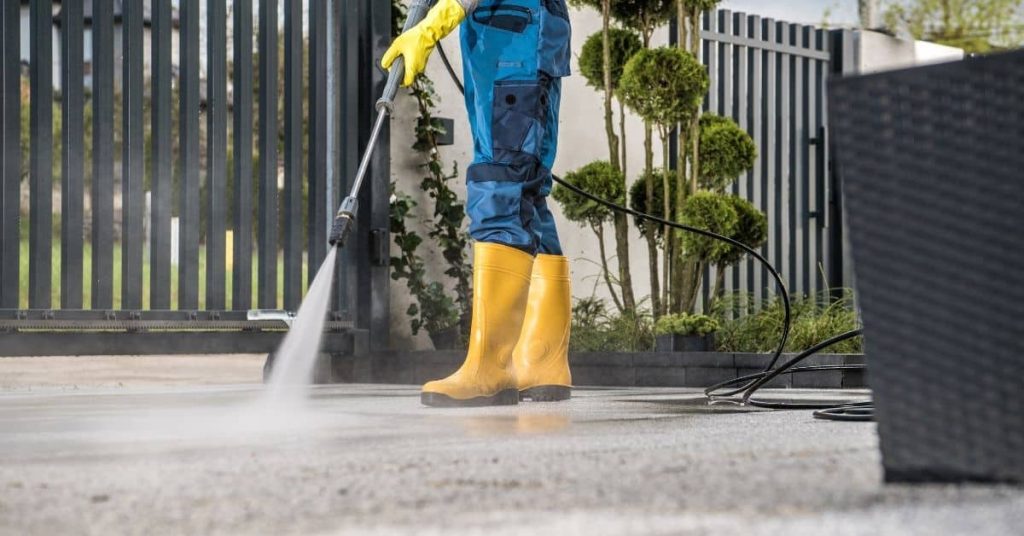
Person pressure washing concrete patio wearing yellow boots

Pervious Concrete for Patios: Design Basics, Placement Tips, and Why It Clogs

Introduction Pervious concrete for patios lets rainwater pass through the surface to the ground below. For DIY work, you focus on maintaining voids, even compaction, and a good surface finish while checking that your soil can accept infiltrated water. This introduction lays out the practical design and planning steps you’ll need to start a pervious

Pervious Concrete for Patios: Design Basics, Placement Tips, and Why It Clogs Read More »

Workers pouring concrete over dense rebar on construction site

SCC vs Regular Concrete: Best Uses in Dense Rebar (and Can You DIY It?)

Introduction SCC, or self-consolidating concrete, is a flowable mix that settles around dense rebar without vibration. For DIY, this means less hammering and fewer air pockets, but you still need good formwork and clean rebar. Always check the product label and local rules for any restrictions or requirements on your project. Advantages and disadvantages depend

SCC vs Regular Concrete: Best Uses in Dense Rebar (and Can You DIY It?) Read More »

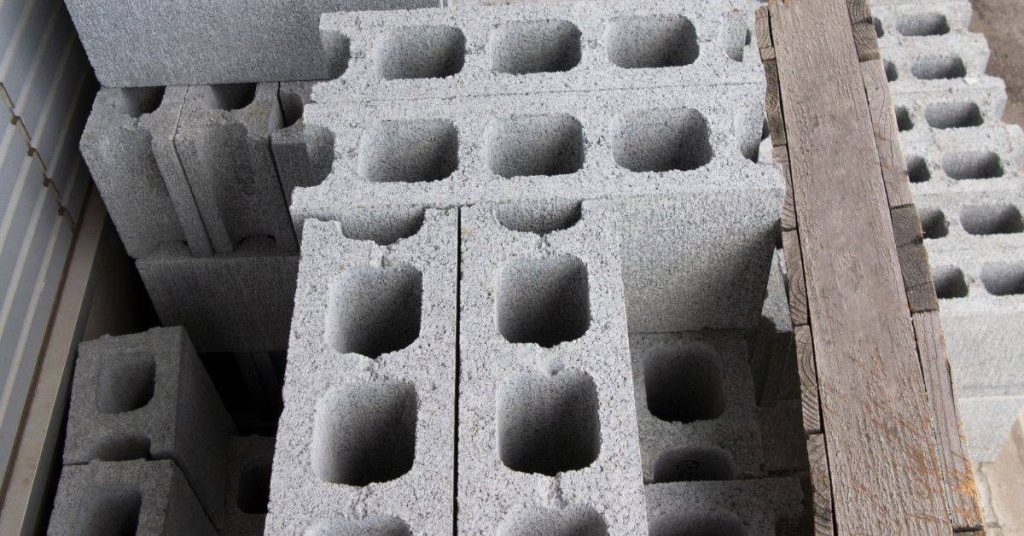
Stacked gray concrete cinder blocks with hollow centers

Rammed Earth vs Concrete Block Outdoors: Cost, Durability, and Maintenance Compared

Introduction Rammed earth and concrete block outdoors are two exterior wall options to compare in terms of cost, durability, and maintenance. This quick, hands-on look will help you decide what fits a DIY setup in your climate and budget. You’ll want to weigh initial costs, long-term upkeep, and how each holds up under weather and

Rammed Earth vs Concrete Block Outdoors: Cost, Durability, and Maintenance Compared Read More »

Concrete wall surface with visible cracking and peeling

Silica Fume for Thin Concrete Sections: How to Use It Without Cracking

Introduction Silica fume is a fine supplementary cementitious material that helps reduce cracking in thin concrete sections. In plain terms, it boosts the concrete mix by refining the pore structure and tightening the finish. It’s something you mix in with cement and water per manufacturer instructions. For DIY work, think of it as a tool

Silica Fume for Thin Concrete Sections: How to Use It Without Cracking Read More »