Search Results for: 10 INCH ROUND CONCRETE

Stacked precast concrete columns outdoors on grass

SCMs for Stronger, Denser, Lower-Carbon Concrete: Metakaolin, Silica Fume, and LC3

Introduction SCMs are supplementary cementitious materials added to concrete to improve strength and density while lowering overall carbon. Metakaolin, silica fume, and LC3 are common options you might encounter in DIY mixes, each with distinct effects on workability and set. Always check product labels and manufacturer instructions, and start with small test batches to see […]

SCMs for Stronger, Denser, Lower-Carbon Concrete: Metakaolin, Silica Fume, and LC3 Read More »

Unfinished concrete building structure with window openings

Papercrete (Cardboard Concrete): Common Problems, Simple Tests, and Fixes That Last

Introduction Papercrete is a composite made from shredded paper or cardboard mixed with a cementitious binder to form a lightweight, workable material. It relies on the paper fibers to add bulk and some insulation, while the binder provides strength. It’s a hands-on option that varies with the exact mix, moisture, and curing conditions, so results

Papercrete (Cardboard Concrete): Common Problems, Simple Tests, and Fixes That Last Read More »

Close-up of rough concrete surface with blurred background lights

Concrete Surface Blisters: Finishing Causes and How to Prevent Them

Introduction Concrete surface blisters are raised pockets on the finish caused by trapped air or moisture beneath the surface. They usually form when the surface dries too quickly or moisture moves upward as the concrete sets. Causes include finishing while the surface is still soft, excessive water in the mix, or rapid evaporation from sun,

Concrete Surface Blisters: Finishing Causes and How to Prevent Them Read More »

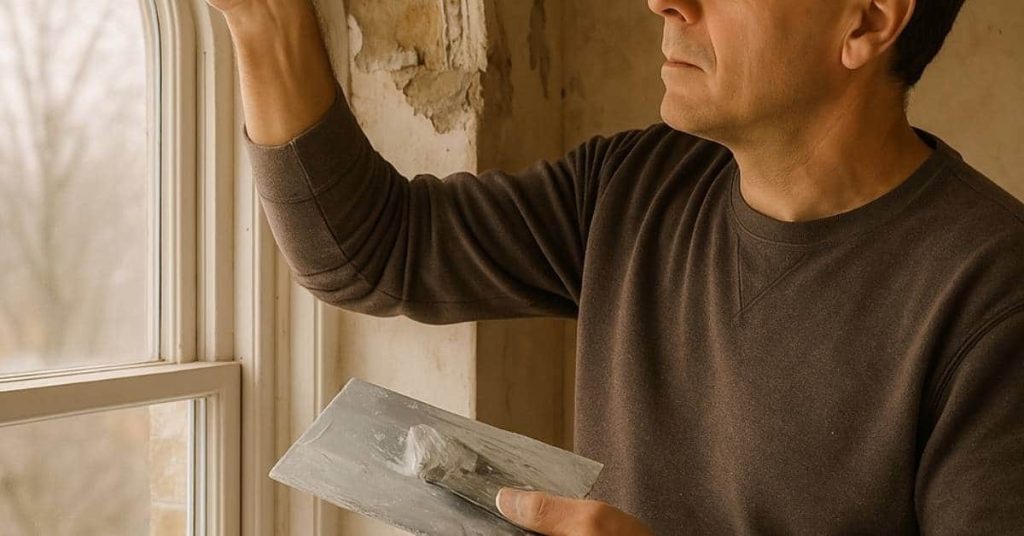
Man applying plaster near window casing with trowel

Repairing Plaster Around Window Casings: Keeping Returns Straight and Corners Crisp

Introduction Repairing plaster around window casings means removing loose material, backing up the returns, and filling and finishing so the casing meets the wall with straight returns and crisp corners. This is a hands‑on job that starts with good surface prep and the right tools—check product labels for compatibility and drying times before you buy.

Repairing Plaster Around Window Casings: Keeping Returns Straight and Corners Crisp Read More »

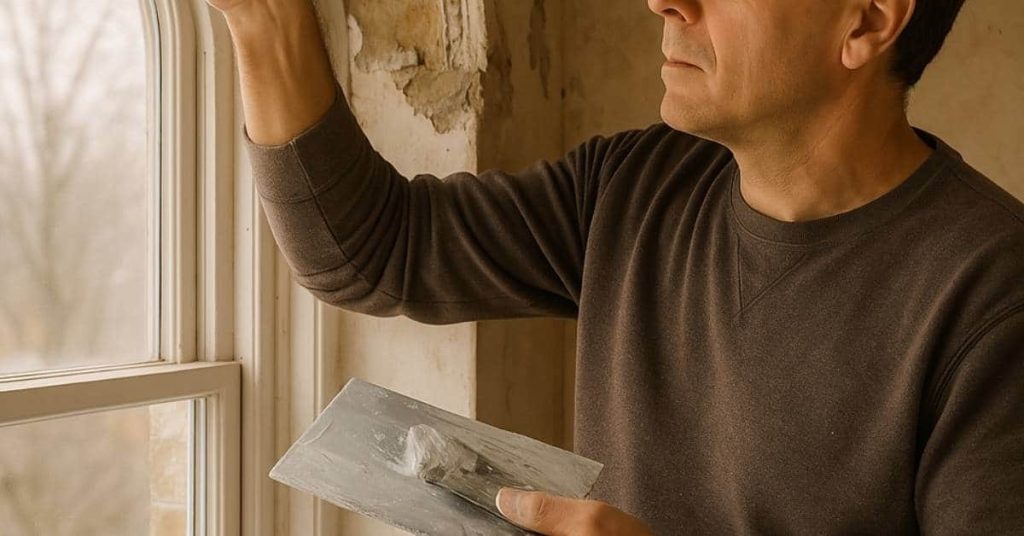
Man applying plaster around window casing with trowel

Repairing Plaster Around Window Casings: A Step-by-Step Timeline for Straight Returns and Crisp Corners

Introduction Tackling plaster repairs around window casings can seem daunting, but with a clear understanding of the timeline, you’ll find it’s a manageable project. This step-by-step guide breaks down the process into digestible stages, helping you complete your repair efficiently and effectively. From assessing damage to applying the final coat of paint, let’s explore how

Repairing Plaster Around Window Casings: A Step-by-Step Timeline for Straight Returns and Crisp Corners Read More »

Stacked hollow core concrete slabs showing open cores

Concrete pH Testing for Paint and Coatings: A Step-by-Step Timeline of DIY Methods

Introduction Before you start painting or coating your concrete surfaces, it’s crucial to test the pH level to ensure optimal adhesion. But how long does this process take? Let’s break down a simple timeline for concrete pH testing using DIY methods. The entire process can be completed in less than an hour, but proper planning

Concrete pH Testing for Paint and Coatings: A Step-by-Step Timeline of DIY Methods Read More »

Concrete slurry being poured onto dry concrete surface

Concrete Bonding Slurry Done Right: Ratios, Timing, and Why It Fails

Introduction Concrete bonding slurry is a thin mix used to make new concrete or patch material stick to old concrete by creating a paste-like contact coat. It’s about getting the right cement-to-water consistency and timing the application so the slurry is tacky when you press the repair over it. Check product labels or manufacturer instructions

Concrete Bonding Slurry Done Right: Ratios, Timing, and Why It Fails Read More »

Concrete surface showing pitting and rough patches

Fixing Concrete Surface Pop-Offs From Rusty Wire: Root-Cause Repair and Stain Blocking

Introduction Concrete surface pop-offs from rusty wire are spots where embedded wire corrodes and the surface flakes away. This happens when rust pushes on the cement and creates loose, powdery patches. The key is identifying the rust source and planning a safe repair path that restores the finish. First, expose the area, remove loose material,

Fixing Concrete Surface Pop-Offs From Rusty Wire: Root-Cause Repair and Stain Blocking Read More »

Slate roof with metal flashing at roof-to-wall joint

Stucco Around Roof-to-Wall Kickout Flashing: Fixing the Most Common Leak Detail

Introduction Stucco around roof-to-wall kickout flashing is the detail where the siding meets the roof and the flashing diverts water away from the wall; fixing it means making sure the flashing, substrate, and stucco meet cleanly so water can’t get behind the finish. This is a hands-on job that usually involves removing a bit of

Stucco Around Roof-to-Wall Kickout Flashing: Fixing the Most Common Leak Detail Read More »

Stacked precast concrete beams covered with snow outdoors

Air-Entrained vs Non-Air-Entrained Concrete: What to Order for Freeze-Thaw Areas

Introduction Air-entrained concrete contains tiny, intentionally created air bubbles to help it survive freeze-thaw cycles, while non-air-entrained concrete does not have those bubbles and is denser. In plain jobsite terms: air-entrained mixes are commonly recommended where water can freeze inside the slab, and non-air-entrained mixes are used where freeze-thaw exposure is minimal or controlled. Check

Air-Entrained vs Non-Air-Entrained Concrete: What to Order for Freeze-Thaw Areas Read More »