Search Results for: 10 INCH ROUND CONCRETE

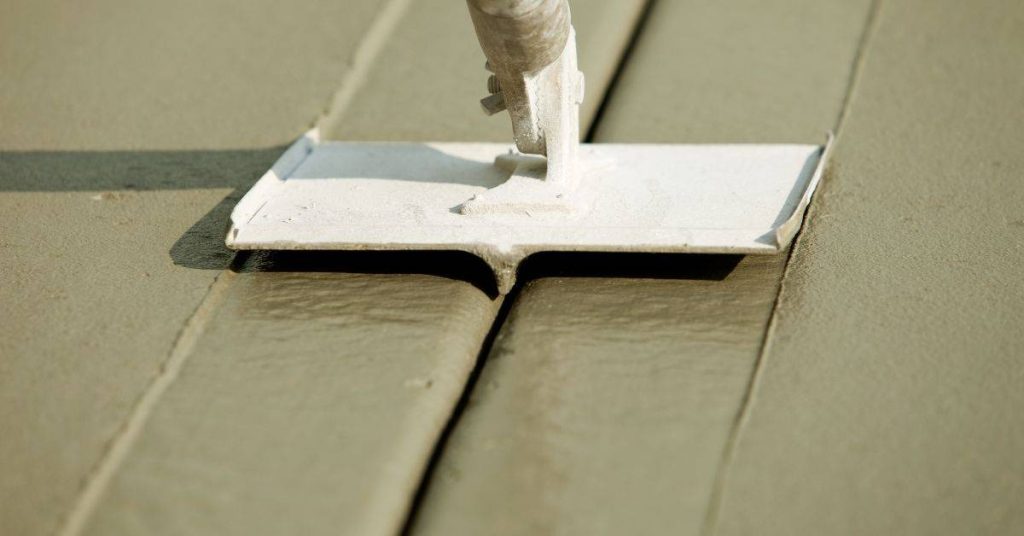
Tool smoothing fresh concrete joint on pavement

Concrete Joint Sealant: Polyurethane vs Silicone (Where Each Belongs)

Introduction Polyurethane and silicone are two sealing options for concrete joints, each suited to different jobs. Polyurethane tends to be tougher and more resistant to movement, while silicone seals stay flexible longer in some conditions. This article compares when to use each, in plain terms you can apply at home. There are practical restrictions to […]

Concrete Joint Sealant: Polyurethane vs Silicone (Where Each Belongs) Read More »

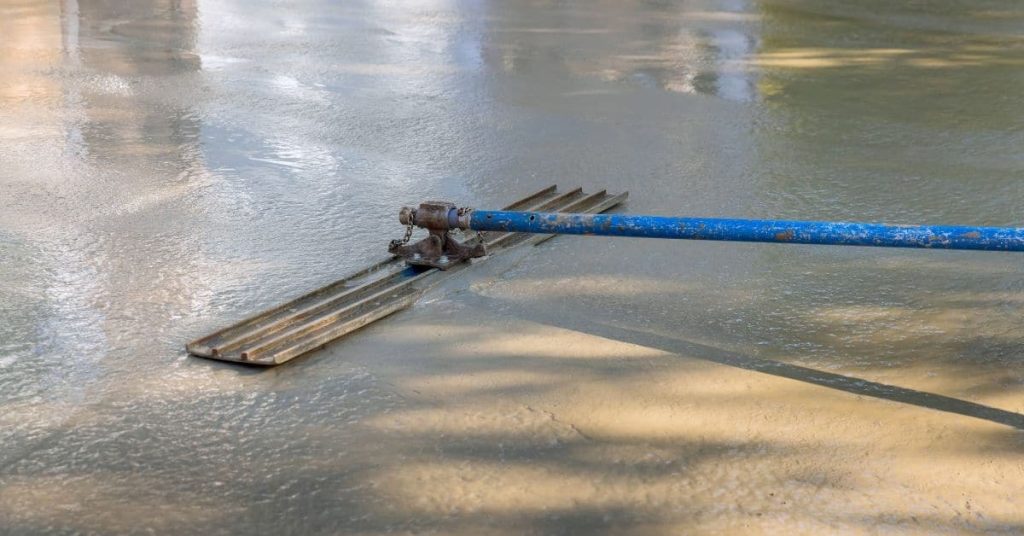
Concrete screed tool smoothing wet concrete surface outdoors

Concrete Finishing in Direct Sun: Shade, Fogging, and Timing Tips

Introduction Concrete finishing in direct sun means you need shade, moisture control, and smart timing to get a smooth, durable surface. Shade helps slow rapid moisture loss, fogging or misting adds surface cooling, and timing keeps finishing steps aligned with the concrete’s surface condition. Plan ahead to avoid streaks, itching, or surface damage from heat

Concrete Finishing in Direct Sun: Shade, Fogging, and Timing Tips Read More »

Stucco exterior wall with multiple windows and red trim

Stucco Cracks Around Windows: Common Causes and Better Detailing

Introduction Stucco cracks around windows are gaps in the stucco that show movement or moisture at the opening. They’re often caused by framing shifts, flashing issues, or moisture-related stress near the window edge. There are different crack types to look for, like hairline, spider, or cross-pattern cracks. Moisture behind the stucco worsens damage, and using

Stucco Cracks Around Windows: Common Causes and Better Detailing Read More »

Concrete screeding tool smoothing wet concrete surface

Concrete Sand: Mason Sand vs Concrete Sand vs Play Sand (What Actually Works)

Introduction Concrete sand is the coarse, well-graded sand used in concrete mixes and as bedding material. Mason sand, concrete sand, and play sand differ mainly in texture, particle size, and how they compact. Knowing which to use depends on the job and what the sand needs to do in the mix or base. Mason sand

Concrete Sand: Mason Sand vs Concrete Sand vs Play Sand (What Actually Works) Read More »

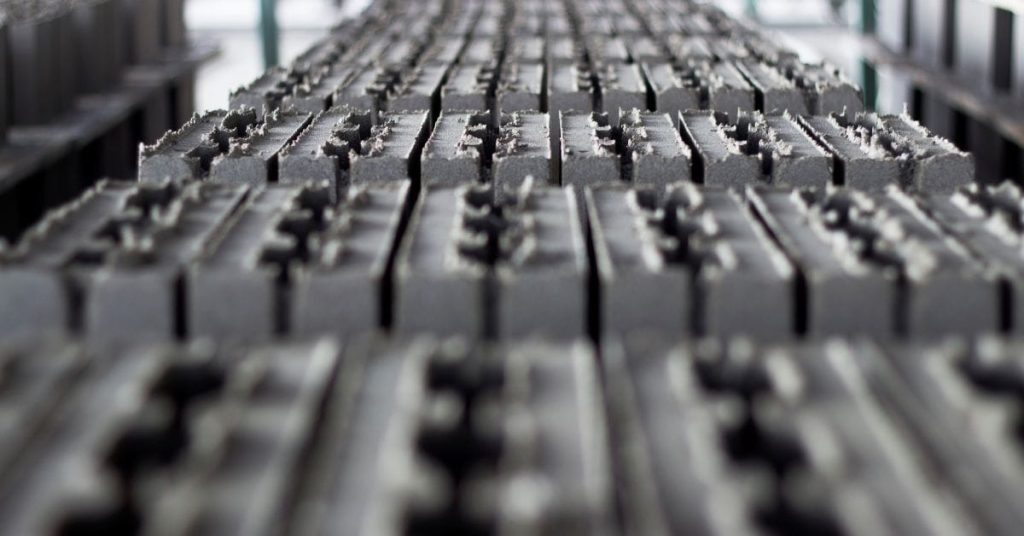
Rows of gray concrete blocks arranged in curing racks

Curing Concrete with Plastic: How to Avoid Discoloration, Wrinkles, and Soft Spots

Introduction Using plastic to cure concrete means covering fresh concrete with plastic to trap moisture and heat and guide a smooth finish. This helps limit discoloration, wrinkling, and soft spots by slowing evaporation. Check local rules and product labels for what type of plastic and how to secure it. Choose a clean plastic sheeting that

Curing Concrete with Plastic: How to Avoid Discoloration, Wrinkles, and Soft Spots Read More »

Freshly poured smooth concrete floor indoors

DIY Concrete Vibration: Internal vs External, How Long to Vibrate, and What Not to Do

Introduction Concrete vibration is the process of removing air pockets and consolidating fresh concrete to improve strength and finish. It helps achieve a dense, smooth slab when working with concrete. This piece compares internal and external methods and what you should know for a DIY job. Internal vibration uses a probe that goes into the

DIY Concrete Vibration: Internal vs External, How Long to Vibrate, and What Not to Do Read More »

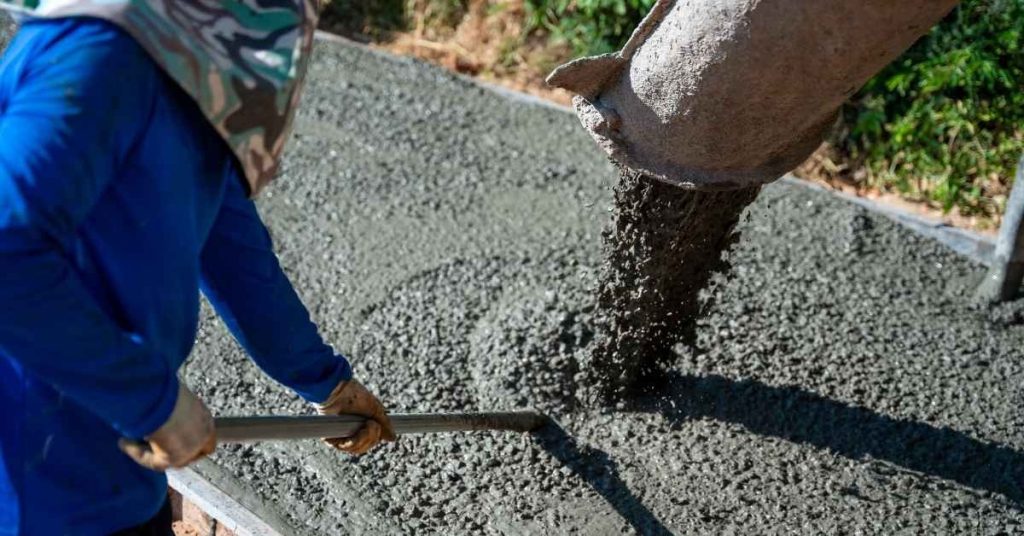
Worker spreading wet concrete from chute with shovel

Adding Gravel to Bagged Concrete: Correct Ratios and Compaction Tips

Introduction Adding gravel to bagged concrete is blending an appropriate amount of aggregate with a pre-mixed concrete product to improve stability and workability. Check the bag or manufacturer instructions for the recommended ratio and how the aggregate should be added. The aim is a consistent mix with fewer voids and a solid, workable set without

Adding Gravel to Bagged Concrete: Correct Ratios and Compaction Tips Read More »

Open metal gate with stone pillars and green landscape

How to Store Bagged Concrete: Moisture Damage, Shelf Life, and Best Practices

Introduction Storing bagged concrete means keeping the bags dry, off the ground, and protected so the mix remains usable when you need it. Moisture damage is the big risk, since humidity or leaks can turn dry premixed concrete clumps or weaken the mix. Check the bag labels and manufacturer instructions for any shelf life guidance,

How to Store Bagged Concrete: Moisture Damage, Shelf Life, and Best Practices Read More »