Search Results for: 10 INCH ROUND CONCRETE

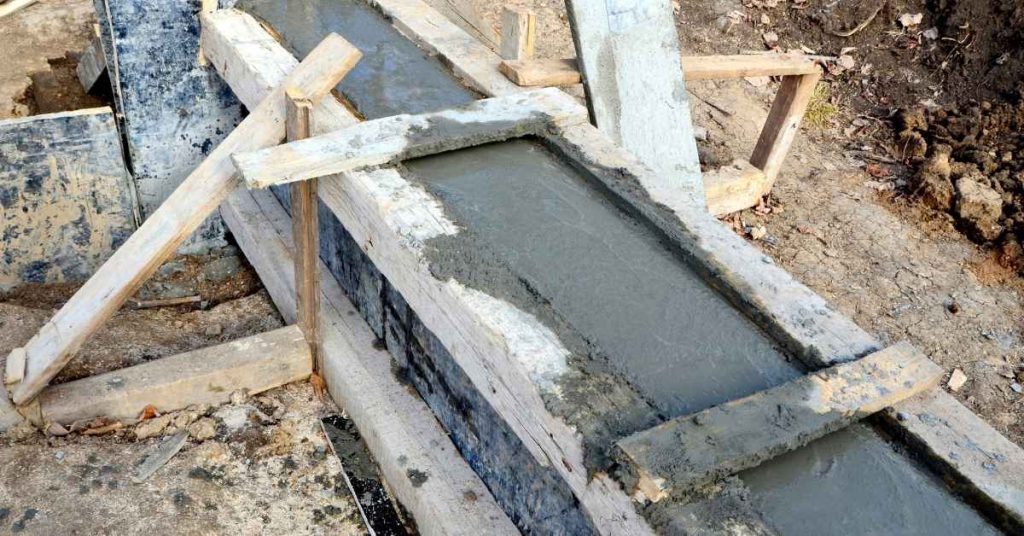
Fresh concrete poured into wooden forms at construction site

Concrete Form Release: Preventing stains, soft faces, and patchy color

Introduction Concrete form release is a coating applied to forms to prevent sticking and to help control staining and color issues on the surface. Key takeaways Choose release agents carefully; improper use can stain and dull decorative color. Plan form removal timing with manufacturer instructions and local code guidance. Use recommended tools and materials from […]

Concrete Form Release: Preventing stains, soft faces, and patchy color Read More »

Concrete being poured from chute onto prepared slab area

Concrete Against Existing Slabs: How to pour next to old concrete without cracks

Introduction Pouring new concrete next to an existing slab requires careful planning to prevent cracks. You’ll need a clean joint, proper isolation, and a compatible mix to control movement. Inspect the existing slab for movement, moisture, or coating and plan the joint and bonding approach accordingly. Always verify with the product label, manufacturer instructions, or

Concrete Against Existing Slabs: How to pour next to old concrete without cracks Read More »

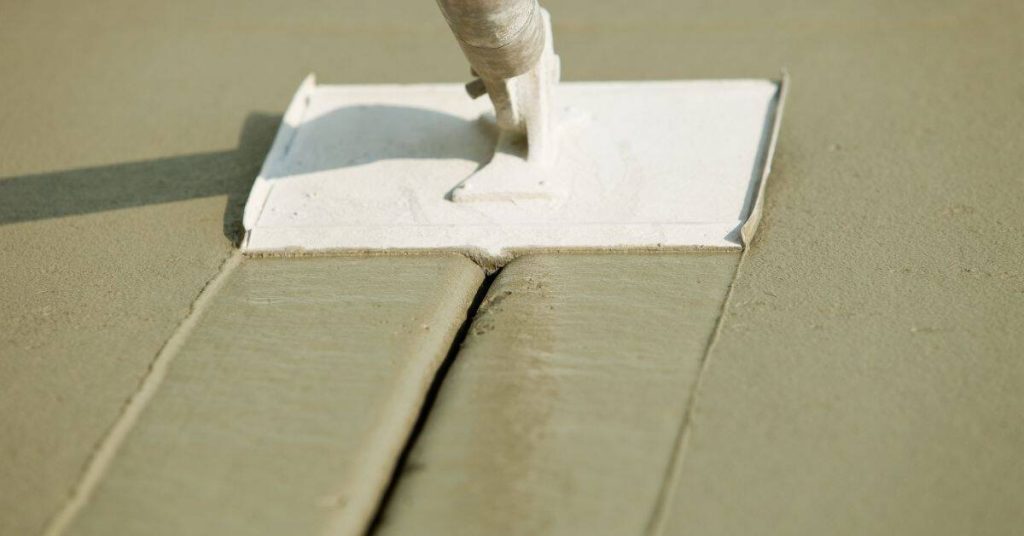
Tool smoothing fresh concrete expansion joint surface

Concrete Joint Sealant Depth: Backer rod sizing and tooling that stops peel-back

Introduction Backer rod sizing and proper tooling determine how deep the sealant sits and how well it resists peel-back. For DIY projects, match the rod to the joint width and choose tools that help you shape and cut the sealant cleanly. Check the joint surfaces and the manufacturer’s instructions for any minimums or recommendations. Weather

Concrete Joint Sealant Depth: Backer rod sizing and tooling that stops peel-back Read More »

Concrete test cube being compressed by testing machine

Concrete Moisture Problems Indoors: Why coatings fail and what to test first

Introduction Concrete moisture problems indoors occur when water moves through or sits in the slab, which can undermine coatings and sealers. This movement changes how the surface behaves and can cause failure even after installation. Start by understanding where the moisture is coming from and how the slab dries over time. First, visually inspect for

Concrete Moisture Problems Indoors: Why coatings fail and what to test first Read More »

Exterior stucco wall with multiple windows under clear sky

Cracks Around Stucco Windows: Why they form and how to fix them correctly

Introduction Cracks around stucco windows are caused by movement at the window opening and the surrounding stucco not moving the same way. Settling, temperature swings, and flashing or moisture issues are common culprits to look for. Note whether the crack runs along the frame, at corners, or where trim meets stucco to guide your fix.

Cracks Around Stucco Windows: Why they form and how to fix them correctly Read More »

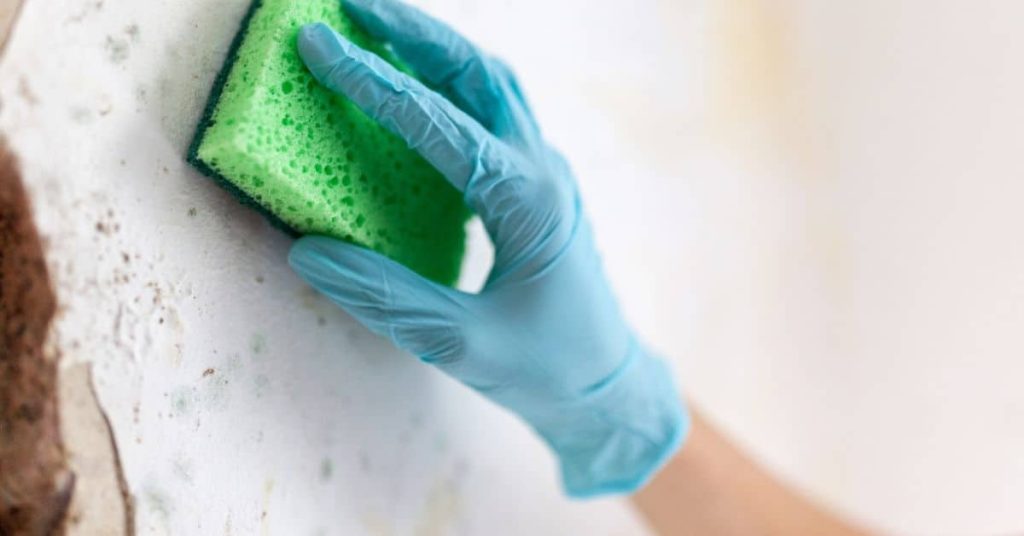
Gloved hand scrubbing white concrete wall with green sponge

Concrete Paint Prep: Cleaning, profiling, and drying for adhesion

Introduction Concrete paint prep is the process of cleaning the surface, creating a slight profile for the paint to grip, and ensuring it dries cleanly before coating. This hands-on approach helps adhesion and long-lasting results, not just a quick splash of color. Check the surface condition, the moisture level, and follow the paint label for

Concrete Paint Prep: Cleaning, profiling, and drying for adhesion Read More »

Rusty rebar grid and foam insulation panels in concrete form

Concrete Cover Requirements: What “Cover” Means and How to Measure It

Introduction Concrete cover is the distance from the outer surface of the concrete to the embedded steel or other reinforcement. In DIY terms, it protects steel from moisture and corrosion and helps the structure resist fire. Check the manufacturer’s instructions or local rules for any minimums. To measure cover, use a tape, ruler, or a

Concrete Cover Requirements: What “Cover” Means and How to Measure It Read More »

Concrete countertop with integrated sink and black faucet

Concrete Countertop Forms: Melamine vs Plastic vs Silicone Edges (Best Options)

Introduction Edge forms for a concrete countertop include melamine, plastic, and silicone options that shape and support the pour as it cures. Each type offers a different surface finish and release feel, so you’ll want to align your choice with the project needs. Always check the product label and manufacturer instructions, and confirm any local

Concrete Countertop Forms: Melamine vs Plastic vs Silicone Edges (Best Options) Read More »