Search Results for: 10 INCH ROUND CONCRETE

Closeup of orange concrete bucket against blue sky

Concrete Set Too Fast: Emergency moves that don’t ruin strength

Introduction Concrete that sets too fast is when the mix hardens sooner than you can work with it, leaving you with stiff, unworkable patching. Quick-setting concrete is usually tied to mix heat, hydration pace, and how the site was prepared. When this happens, you need calm, fast, practical steps rather than a panic rush. First, […]

Concrete Set Too Fast: Emergency moves that don’t ruin strength Read More »
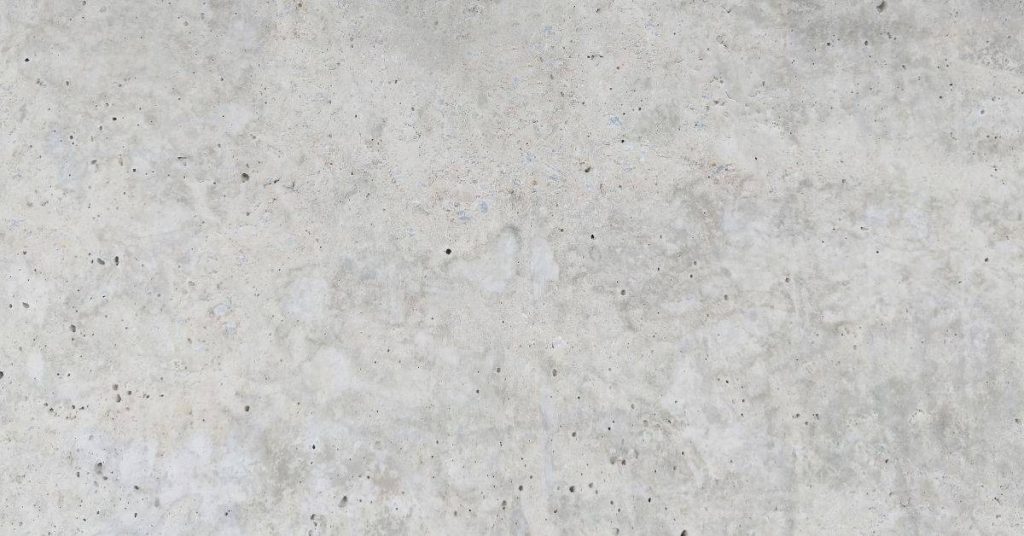
Concrete surface with small holes and surface pitting

Air Entrained Concrete: When it’s necessary and how to avoid surface pitting

Introduction Air entrained concrete is concrete that includes tiny air bubbles introduced by a special additive to improve its performance. These micro-bubbles help when water freezes and expands, reducing cracks in the slab. It’s a common choice for projects that sit outside or face temperature swings. Use is appropriate when you want a smoother surface

Air Entrained Concrete: When it’s necessary and how to avoid surface pitting Read More »

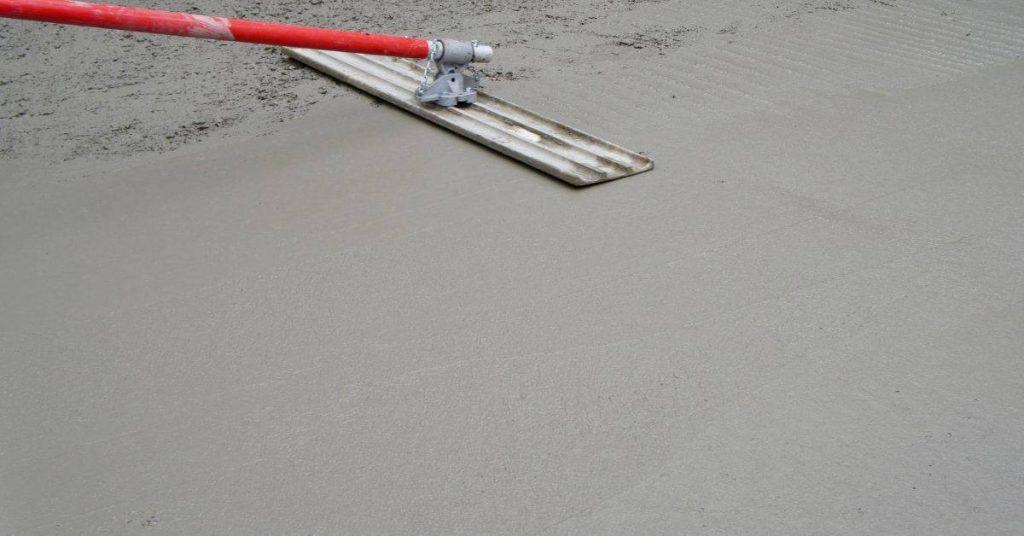
Long-handled tool smoothing fresh concrete slab surface

Concrete Paste vs Aggregate Balance: Why some slabs finish smooth and others tear

Introduction A smooth concrete slab starts with a proper paste-to-aggregate balance and clean finishing technique. Too much paste or too little can cause a rough touch or surface tearing; using the right balance alongside the standard finishing steps helps the surface stay uniform. Always verify with the product label or local guidelines if you’re unsure

Concrete Paste vs Aggregate Balance: Why some slabs finish smooth and others tear Read More »

Precast concrete panel resting on sandy ground

Concrete Sealer Whitening After Rain: Causes and how to restore clarity

Introduction Sealer whitening after rain is a cloudy, milky look on newly sealed concrete caused by moisture and uneven drying. It happens when the surface still holds moisture or the sealer cures too fast in damp conditions. Check the product label and local guidelines for ideal conditions and reapplication steps. To prevent it, seal only

Concrete Sealer Whitening After Rain: Causes and how to restore clarity Read More »

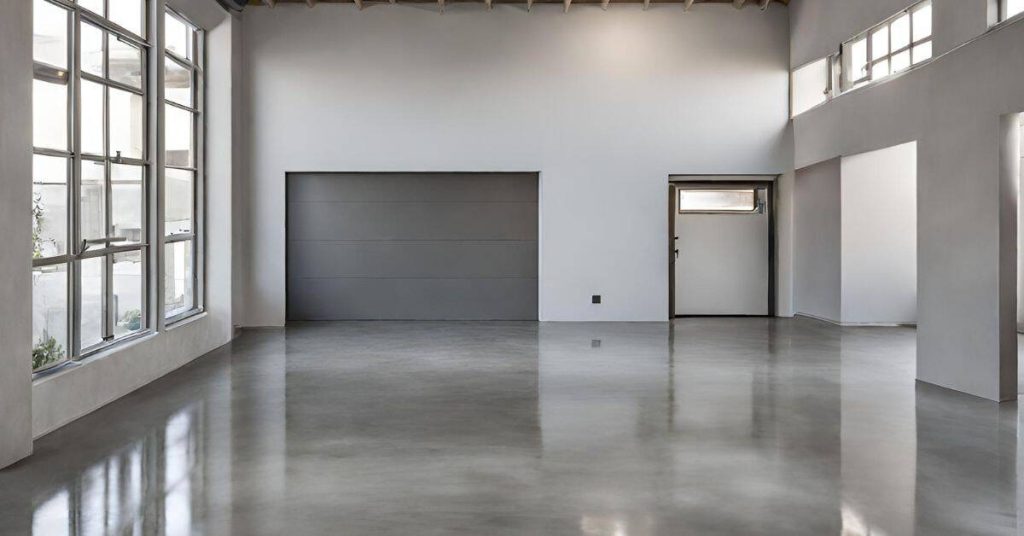
Empty room with polished concrete floor and large windows

Concrete Patch Lines: Blending repairs so they don’t scream ‘patch’

Introduction Concrete patch lines are blended repairs that look like part of the surrounding slab rather than obvious patches. The goal is a seamless join that doesn’t stand out when people walk on or near it. You’ll use careful technique and matching materials to hide the repair. Focus on patch techniques that blend edges with

Concrete Patch Lines: Blending repairs so they don’t scream ‘patch’ Read More »

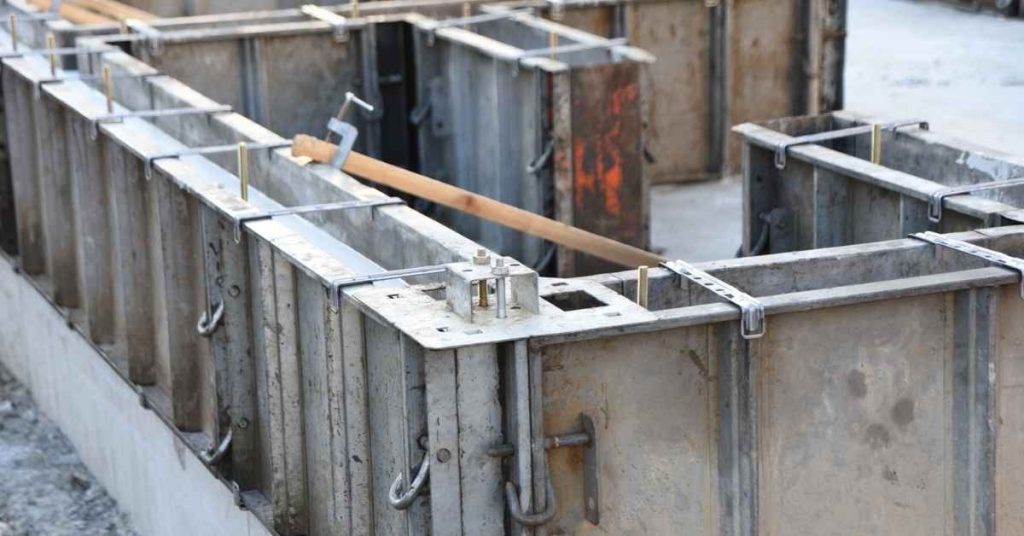
Metal concrete formwork arranged to shape a corner

Concrete That Cracks at Re-Entrant Corners: Layout tricks to reduce stress cracks

Introduction Re-entrant corners are sharp, inward-facing corners in a concrete layout where cracks tend to start. This article covers simple layout tricks to reduce those stress cracks during pouring and finishing. You’ll learn practical ideas you can apply on a DIY project without fancy tools. Using radiused corners and properly placed joint lines helps lower

Concrete That Cracks at Re-Entrant Corners: Layout tricks to reduce stress cracks Read More »

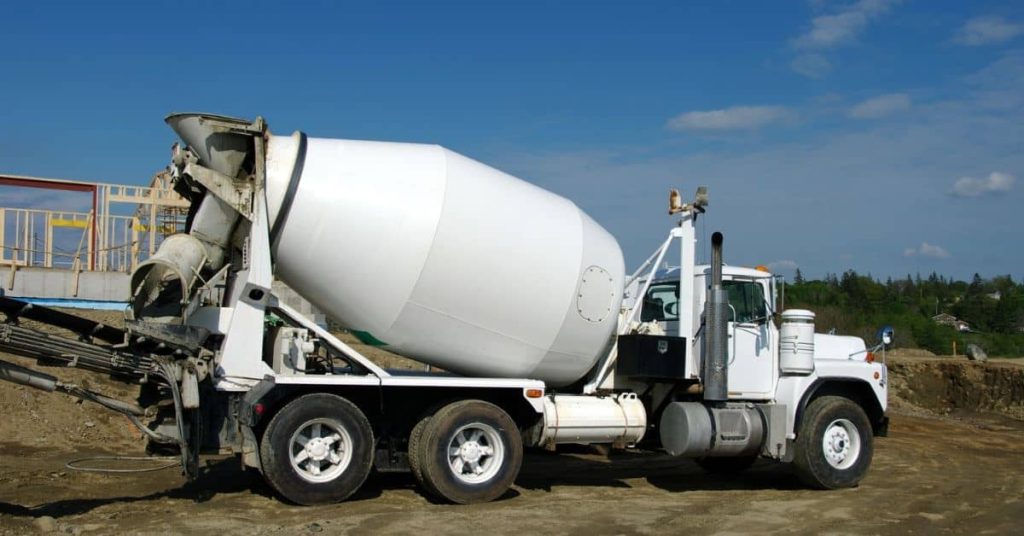
White concrete mixer truck at a construction site

Water Reducer vs Extra Water: How to improve workability without weakening concrete

Introduction Water reducers are additives that improve workability without adding extra water. They help concrete flow and finish smoother, so you can spread and trowel more easily while keeping the mix consistent. Check the product label and manufacturer guidance to use them safely on your project. Adding extra water can make work easier in the

Water Reducer vs Extra Water: How to improve workability without weakening concrete Read More »

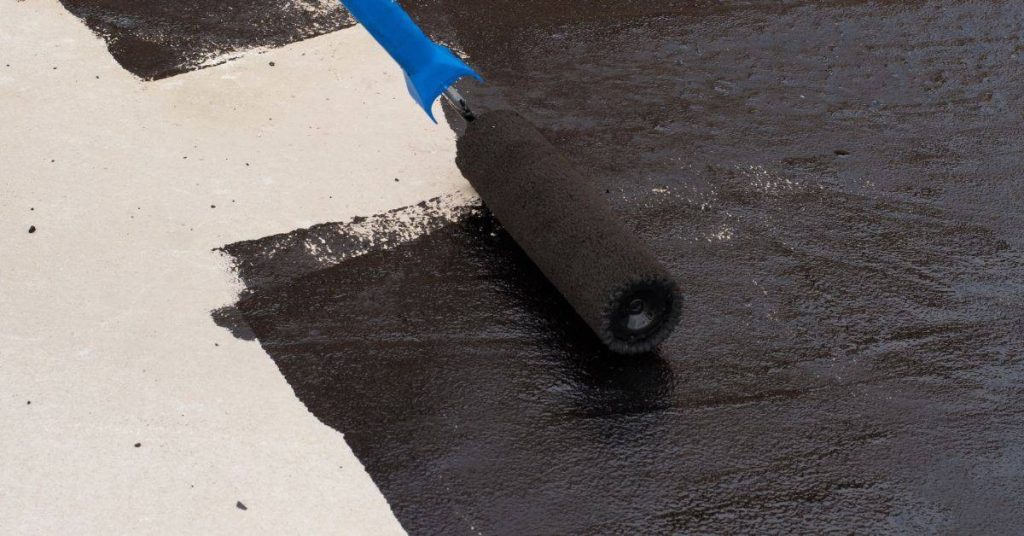
Paint roller applying black sealer on concrete surface

Concrete Sealer Recoat Windows: Why ‘too soon’ and ‘too late’ both cause problems

Introduction A concrete sealer recoat is best done when the surface is ready to bond again, so applying too soon or too late can cause problems. If you seal too soon, the new coat may not adhere well or cure correctly. If you wait too long, contaminants or the old film can prevent proper bonding.

Concrete Sealer Recoat Windows: Why ‘too soon’ and ‘too late’ both cause problems Read More »

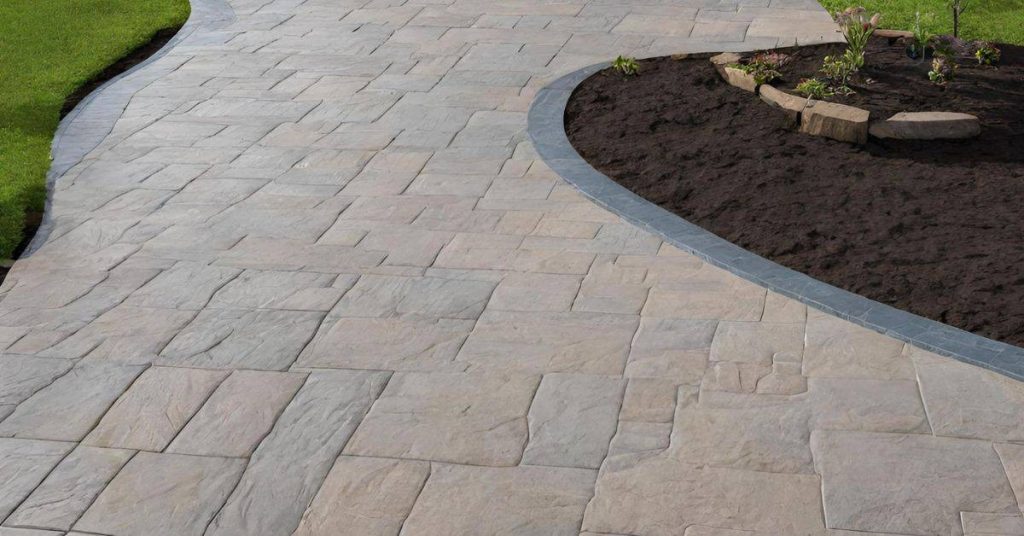
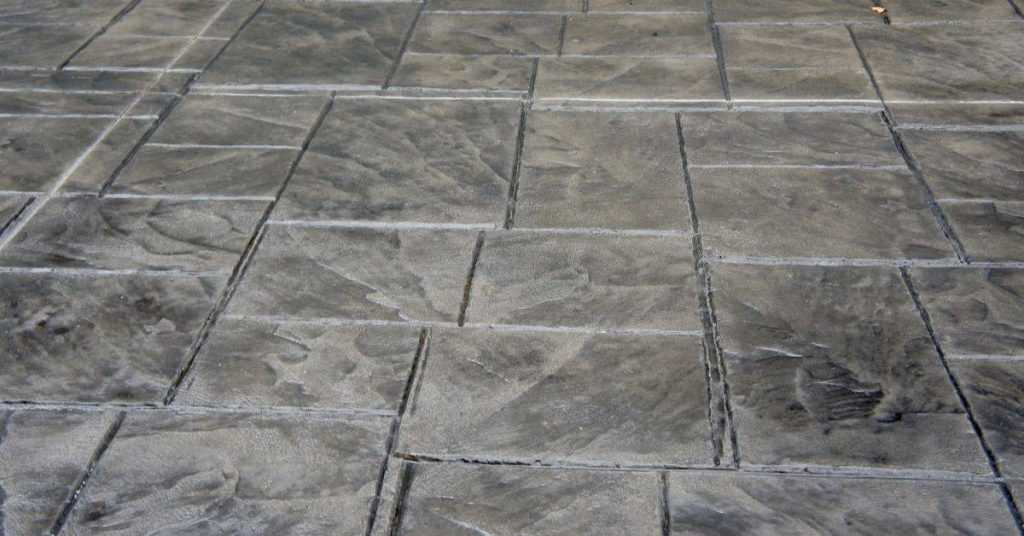
Stamped concrete patio surface with visible texture and seams

Bubbles in Concrete Sealer: Causes, prevention, and how to repair them

Introduction Bubbles in concrete sealer are air pockets that form in the film as you apply it and during curing. They usually come from trapped air, fast application, or surface moisture and dust. Always check the product label and follow surface prep steps for best results. To prevent them, apply thin, even coats and backroll

Bubbles in Concrete Sealer: Causes, prevention, and how to repair them Read More »