
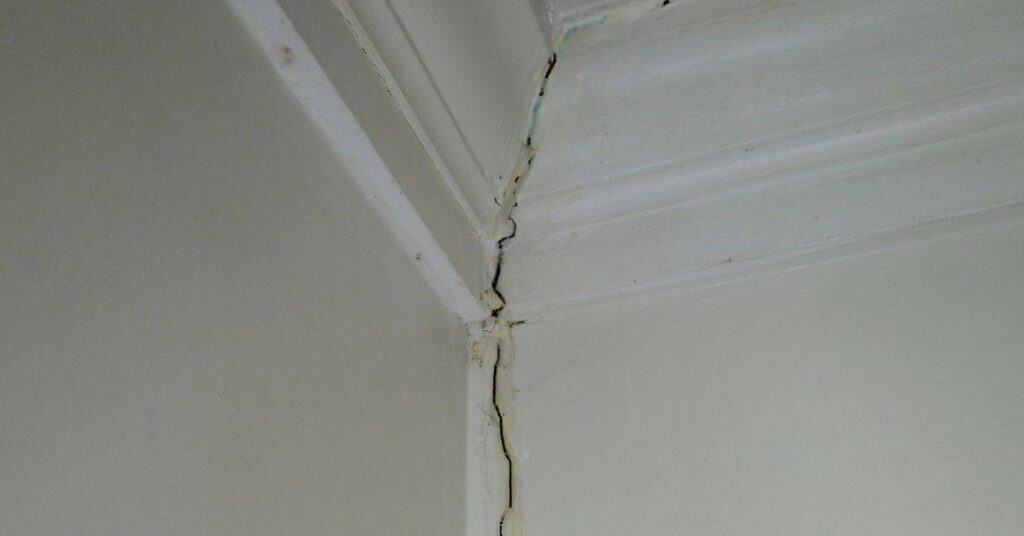
Introduction
Rusted corner bead damage is when the metal trim at the wall corner has corroded and risks cracking the drywall.
You’ll see rust stains, flaky edge metal, or bent corners that don’t sit square. This article walks you through a practical, hands-on repair plan.
First, identify the damaged metal and assess if the drywall behind it is intact before removal. Carefully cut back the rusty bead and remove it without gouging the drywall, then fit a new corner bead and fasten it securely. Check the manufacturer instructions or local rules for fastener type and finish to avoid future cracks.
Key takeaways
- Identify rusted corner bead early to prevent drywall damage and framing corrosion.
- C Carefully cut back damaged drywall and metal without nicking studs or wires.
- Replace rusted beads with corrosion-resistant corner beads and secure with proper fasteners.
- Ensure flush alignment and precise feathering to minimize hairline crack propagation.
- Check for hidden damage behind drywall before sealing, patching, and finishing.
- Practice safety: turn off power, wear gloves, eye protection, and dispose metal safely.
Table of Contents
- Introduction
- Key takeaways
- Quick Overview and When to Repair Vs Replace
- Tools, Materials, and Safety Gear Checklist
- Identifying Rust and Hidden Problems
- Step-by-Step Cutting Back Technique
- Rebuilding Options: Repair Techniques and Materials
- Finishing, Feathering, and Preventing Hairline Cracks
- Long-Term Prevention and Maintenance
- Cost-Effective DIY Tips and When to Call a Pro
- Conclusion
- FAQ
Quick Overview and When to Repair Vs Replace
Cutting back and rebuilding the corner bead is often enough when the core of the corner is solid, the substrate is intact, and corrosion is localized. If misalignment or extensive corrosion reaches the backing, full replacement may be warranted. Use this as a decision framework to avoid chasing cracks forever.
Look for signs of corrosion depth, concrete spalling, rebar exposure, and any backing damage behind the corner. Assess whether the drywall or structure behind the bead remains secure and true. Estimate typical trade work hours, tools needed, and material costs, then add a contingency for moisture or rework as needed.
Assessing the extent of rust damage
First off, you gotta understand that rust comes in two flavors: surface and structural. Surface rust is just a cosmetic issue, but structural rust can weaken your walls.
Inspect behind corner bead: Start by checking the corners of your walls. Rust often shows up here first. Gently tap the corner bead with a screwdriver handle to listen for hollow spots or crumbling. If you hear something, that’s structural rust.
Now, let’s talk about how far to cut back. Rust can penetrate deep into drywall, so you need to find out just how far it goes. Here’s what to do:
1. Use a magnet to check if rust has penetrated the paper surface. If it sticks, that means rust is present.
2. Gently cut into the drywall with a utility knife where you suspect rust. Be careful not to damage any wires or pipes behind the wall.
3. Once you’ve exposed some rust, measure how deep it goes. If it’s more than 1/4 inch deep, you’ll need to cut back further to ensure you get all the rust out.
Remember, if you’re unsure about any of this, check your local building codes and manufacturer instructions. It’s always better to be safe than sorry when dealing with structural issues.
Repair vs replace decision checklist
Before you start any work, use this checklist to help decide whether to repair or replace your concrete. It’ll save you time and money in the long run.
- Rust depth: Check how deep the rust goes. Use a screwdriver or chisel to scrape away any loose material and expose the steel. If it’s less than 1/8″, repair is likely sufficient. More than that, consider replacement.
- Bead adhesion: Inspect where the concrete meets the steel (the ‘bead’). Tap it with a hammer; if it sounds hollow or crumbles, adhesion has failed. This needs to be addressed in your repair or replacement plan.
- Underlying framing: Check if there are any issues with the underlying support structure. If framing is compromised, repair won’t help – you’ll need to replace everything.
- Repeated cracking: If cracks keep reappearing after repairs, it might be a sign of deeper issues like settlement or movement. In this case, replacement could be the better option.
- Crack width: Measure crack widths. Hairline cracks (less than 1/8″) can often be repaired. Wider ones may indicate more serious problems that require replacement.
- Spalling: Check for flaking or scaling of the concrete surface. If it’s localized, repair might be enough. Widespread spalling could mean you need to replace the entire slab.
- Delamination: Tap the surface; if it sounds hollow, delamination (separation of layers) may have occurred. This needs attention in your repair or replacement plan.
- Deterioration rate: Consider how quickly the concrete is deteriorating. If it’s fast, replacement might be more cost-effective than repeated repairs.
Quick rule: If you find any of these issues severe or widespread, it’s usually best to replace rather than repair. Always check local building codes and consult with a professional if you’re unsure.

Tools, Materials, and Safety Gear Checklist
Core tools include a reciprocating saw or oscillating tool, an angle grinder with a cutoff wheel, a hammer and cold chisel, a utility knife, a tape measure, a square, and a pry bar. Blade sizes and grit ranges should be checked against the manufacturer instructions or label; budget alternatives are acceptable if they meet the task.
Materials should cover replacement corner bead (metal or vinyl), patching or hydraulic cement, bonding agent, reinforcing mesh or fiberglass tape, and a skim coat or mortar mix. Include corrosion-inhibiting sealant if you expect moisture exposure. Safety gear should include eye protection, gloves, a respirator or dust mask, hearing protection, and appropriate clothing, plus dust control and drop cloths.
Personal protective equipment (PPE) and ventilation
Safety comes first when dealing with rust, dust, and paint fumes. Use this checklist before starting your repair.
- Eye/face protection: Wear safety glasses or goggles to shield from debris and sparks.
- Respirator/dust mask: Protect your lungs with a respirator rated for dust (e.g., N95) or a dust mask. Rust can be harmful if inhaled.
- Gloves: Use disposable or reusable gloves to protect hands from rust, chemicals, and sharp edges.
- Hearing protection: Wear earplugs or earmuffs when using power tools like grinders or saws.
- Clothing: Wear snug-fitting clothing to minimize exposed skin. Long sleeves and pants are recommended.
- Ventilation: Ensure your work area is well-ventilated, or use a dust extraction system with your tools. This helps reduce the risk of inhaling harmful particles.
- Avoid windy conditions: If possible, repair on a calm day to minimize dust dispersion and keep paint fumes contained.
- Wet down surfaces: Before cutting or grinding, wet down rusted areas to control dust. Re-wet as needed during the process.
Quick rule: Always prioritize safety over speed. A few extra minutes spent on PPE can prevent serious health issues later.
Recommended tools and consumables
Having the right tools and materials makes your repair job easier and more effective. Here’s a checklist to help you gather what you need.
- Reciprocating saw or oscillating tool: For cutting through rusted corner bead. Use a metal-cutting blade (4–6 TPI).
- Angle grinder with cutoff wheel: For grinding off remaining rust and preparing surfaces. Use a 4–4.5 inch, 24–60 grit cutoff wheel.
- Hammer and cold chisel: For chipping away loose or stubborn rust. Be careful not to damage the underlying wall surface.
- Utility knife: For scoring and cutting through old paint and caulk. Use a sharp blade for clean cuts.
- Tape measure: Essential for accurate measurements when installing new corner bead.
- Square: To ensure straight lines and 90-degree angles during installation and repair.
- Pry bar: For prying off damaged corner bead and preparing the surface for repair.
- Replacement corner bead (metal or vinyl): Choose a type that matches your existing bead, if possible. Ensure it’s rust-resistant if replacing metal bead.
- Patching/fill material: Use a cementitious patch or hydraulic cement for filling gaps and holes. These set quickly and are strong.
- Bonding agent or adhesive: Apply this to help new corner bead stick to the wall surface and ensure a strong bond.
- Reinforcing mesh or fiberglass tape: Use this to strengthen repaired areas and prevent cracking. It’s especially useful for large repairs.
- Skim coat or mortar mix: Apply this after repair to create a smooth, even surface ready for painting.
- Corrosion-inhibiting sealant (optional): Apply this to protect repaired areas from future rust and moisture intrusion. It’s an extra layer of protection.
Quick rule: Invest in quality tools and materials. While budget-friendly options exist, they may not perform as well or last as long, leading to rework and additional costs.
Identifying Rust and Hidden Problems
Define rust types you might see on corner bead: surface rust versus deep pitting or active corrosion. Each type guides whether you replace the bead or address backing material. Refer to product data sheets or manufacturer guidance when in doubt.
Beyond rust, watch for water stains, mold, edge swelling, or tape lifting that signals moisture history and repair scope changes. Use a moisture meter and a thin putty knife to probe for hollow spots and fastener integrity. Document findings to adjust the plan as needed.
Visual and tactile indicators of corrosion
The first step in identifying rust on corner bead is to look for visible signs. Rust appears as red, orange, or brown flakes or powder on the surface. Here’s what you should be looking for:
Surface Rust: This is the most common type and usually indicates minor corrosion. It can often be sanded off and painted over.
Deep Pitting: If rust has penetrated deep into the metal, it will appear as small holes or pits. This requires more extensive repair, possibly including bead replacement.
Use your fingers to feel for loose beads or soft drywall edges. Map out the spread of corrosion to determine the full extent of damage.
Using moisture meters and probes
Moisture meters and small probes are essential tools for finding hidden leaks or wet framing. Here’s how to use them:
Set your moisture meter to the wood mode (if applicable) and scan the area around the rusted corner bead. Readings above 15% indicate a problem.
Use a thin putty knife to probe for hollow spots in the drywall or behind the corner bead. If you find any, use your moisture meter to check for moisture inside.
Check fasteners like screws and nails with your moisture meter. If they’re wet, it could indicate a leak or framing damage that needs repair before proceeding.
Step-by-Step Cutting Back Technique
Define how far back to cut from the rusted corner bead to expose solid drywall without widening cracks. Look for clean, solid edges to anchor your repair and avoid overcutting into weakened areas.
Use a carbide blade oscillating tool or drywall knife with proper clamps and protection. Mark plumb and square lines, then follow a controlled sequence of vertical and horizontal cuts. Keep the edge clean to accept new bead and patch material later.
Step-by-Step Process
The following is a clear, numbered sequence of practical steps to safely and effectively cut back rusted corner bead without causing further damage.
- Wear safety gear: Put on gloves, goggles, and a dust mask. Tuck in loose clothing.
- Clamp and protect surfaces: Clamp the drywall to prevent movement. Use tape, drop cloths, and plastic sheeting to protect adjacent areas from debris.
- Mark cut lines: Using a level, mark plumb lines on both sides of the rusted bead. Mark horizontal lines at the desired depth (usually 2-3 inches back from the bead).
- Check for hidden damage: Before cutting, use a moisture meter or probe to check for hidden damage behind the drywall and ensure stud backing is sound.
- Cut vertically first: Start with an oscillating tool fitted with a carbide blade. Cut along the vertical lines using light, steady pressure. Keep the blade at a consistent depth.
- Cut horizontally: Switch to a utility knife or drywall saw for horizontal cuts. Follow your marked lines carefully.
- Avoid overcutting: Be cautious not to cut too deep and damage studs or compromise the wall’s structure.
- Inspect and clean up: After cutting, inspect the area for additional cracks. Remove debris using a shop vacuum and wipe down surfaces with a damp cloth.
Scoring, removing, and containing debris
Before removing the rusted corner bead, score lines along your marked cut points to control the removal process. This helps prevent chipping or cracking of the drywall.
Use a utility knife or drywall saw to score lines at the top and bottom of the bead. Then, use an oscillating tool fitted with a carbide blade to carefully remove the bead in sections. Keep the blade moving and apply steady pressure.
Contain debris: To protect occupants and finishes from metal shards and dust, cover the work area with drop cloths and plastic sheeting. Use a shop vacuum with a HEPA filter to clean up immediately after cutting.
Preparing the exposed edge and substrate
After removing the rusted corner bead, prepare the exposed edge and substrate for new bead installation or patching. Start by cleaning the area to remove any remaining debris.
If there’s visible rust on the remaining metal, treat it with a rust converter or primer to prevent further corrosion. This can be applied using a paintbrush or spray can according to the manufacturer’s instructions.
Inspect the drywall edges for damage. If necessary, repair any cracks or holes using joint compound and drywall tape. Allow the compound to dry completely before proceeding with new bead installation or patching.

Rebuilding Options: Repair Techniques and Materials
Establish clear criteria for rebuilding versus patching, considering rust extent, bead integrity, and substrate condition. Environmental exposure, like bathrooms or outdoor walls, factors into the choice.
Compare methods: install a new metal bead, paper-faced bead, or vinyl corner bead, and assess patching with compound and corner tape where appropriate. Include a practical materials and tools list and note compatibility with plaster or joint compound as needed.
Installing new corner bead vs patch-and-fill
When it comes to rebuilding your corner, you’ve got two main options: installing a new corner bead or going for a patch-and-fill approach. Let’s dive into each.
New Corner Bead: This is your best bet when the rust damage is extensive or the original bead is beyond saving. Here’s how to do it:
1. Cut back the damaged area using the technique explained earlier.
2. Measure and cut a new bead to fit.
3. Fasten it in place with corrosion-resistant screws, spacing them every 4-6 inches.
4. Embed the bead in joint compound, ensuring it’s well-covered and flush with the wall.
Patch-and-Fill: This method is suitable for minor rust spots or hairline cracks. It won’t give you the same strength as a new bead but can tide things over until a full replacement is needed.
1. Clean the area and apply a thin layer of patching compound.
2. Apply corner tape, pressing it firmly into the wet compound.
3. Feather out the edges with more compound for a smooth finish.
Using rust-resistant alternatives and coatings
To prevent rust from returning, consider using rust-resistant materials and applying protective coatings or primers. Here are your options:
Rust-Resistant Materials:
– Galvanized Steel: This has a zinc coating that sacrifices itself to protect the steel beneath.
– PVC/Vinyl: These plastics won’t rust but can degrade under high heat or direct sunlight.
– Stainless Steel: The most resistant, it’s also the priciest.
Protective Coatings/Primers:
1. Apply a corrosion-inhibiting primer to the metal before installing or patching.
2. Use a rust-preventative paint or sealant as your final coat.
3. Ensure any fasteners used are also corrosion-resistant.
Finishing, Feathering, and Preventing Hairline Cracks
Choose joint compound and primers compatible with the bead and substrate, and mind setting or drying times. Plan an initial skim coat, followed by additional layers as needed.
Apply feathered edges to minimize ridges and maintain uniform mud thickness. Control drying with temperature and humidity, and finish with a smooth layer ready for primer and paint. Consider mesh reinforcement if movement is likely to help prevent future cracking.
Layering joint compound and embedding tape/bead
First off, you’re gonna want to apply your joint compound in thin layers. Thick coats can lead to cracks later on.
Three coats is usually the sweet spot: first as a base layer, second to embed your tape or bead, and third for final smoothing.
For corners, use corner bead tape. It’s stronger than regular tape. Apply it like this: score the compound, press the tape in, then apply another thin coat over it. Use a straight edge to scrape off any excess.
Now, here’s where some folks mess up: don’t let moisture get trapped. Check your joint compound label, but generally, you want to wait at least 24 hours between coats. This lets the compound dry and prevents weak layers. And remember, patience pays off in drywall finishing.
Priming and Painting for Protection
Once you’ve finished feathering your joint compound and embedding tape or bead (see here), it’s time to protect those repaired areas. Primers and paints are your friends here, but not all are created equal.
Choose a primer that seals and protects. Latex-based primers with mildew inhibitors work well for most jobs. Check the label to ensure it’s suitable for new drywall or joint compound. Apply it evenly with a roller or brush, following manufacturer instructions.
Let the primer dry according to the recommended time (usually 24-48 hours). Then, you’re ready for paint. Use a quality latex paint with good adhesion properties. Again, check the label to ensure it’s suitable for your surface and conditions. Apply paint evenly, using a roller or brush, and let it dry as directed.
Long-Term Prevention and Maintenance
Implement moisture management through proper drainage, flashing details, sealants, and ventilation to minimize water exposure near joints. Use corrosion-resistant corner beads and compatible coatings for longevity.
Set a regular inspection cadence and plan maintenance tasks like cleaning, resealing, and reapplying protective coatings after concrete movement or weather events. Adapt strategies for humid or coastal environments where salt exposure is a factor.
Diagnosing and fixing moisture sources
Rust on corner beads is often due to excess moisture. Here’s how to find and fix the culprits.
Plumbing leaks: Check under sinks, around toilets, and behind washing machines. If you spot water damage or hear dripping, call a plumber immediately.
Roof leaks: Inspect your roof for damaged shingles, missing tiles, or gaps in flashing. If you find any, get them repaired ASAP to prevent further water intrusion.
Condensation: In humid environments, condensation can form on cold surfaces like exterior walls. Improve ventilation and consider installing insulation to stop this moisture source.
Routine inspection checklist and simple fixes
Inspect your corner beads regularly to catch issues early. Use this checklist once a year, plus after severe storms.
- Check for rust halos: These are early signs of corrosion. If spotted, clean the area and apply a rust-inhibiting primer.
- Inspect joints: Ensure sealants aren’t cracked or missing. Reseal if needed to prevent water intrusion.
- Look for efflorescence: White powdery deposits indicate moisture. If present, clean and repaint the area.
- Check for hairline cracks: These can let in water. Fill with a suitable filler and touch up with paint.
- Examine corners: Make sure corner beads are securely attached. Tighten or replace screws as needed.
- Inspect flashing: Ensure it’s intact and properly directing water away from the bead.
- Check drainage: Gutters and downspouts should be clear and functioning correctly to prevent water buildup.
- Review ventilation: Ensure vents are unobstructed and working to keep moisture levels low.
Quick rule: If you spot any issues, address them promptly. Early intervention prevents minor problems from becoming major repairs.
Cost-Effective DIY Tips and When to Call a Pro
Define when DIY is appropriate by evaluating structural rust, mold, hidden water damage, and compromised framing. Those signs signal it may be safer to hire a professional.
Build a realistic budget with material and tool costs, plus a contingency buffer. Create a simple timeline and sequence of tasks, and learn to recognize when to stop and call a pro for a guaranteed, warrantied repair.
Budget-friendly tool and material substitutions
Stick to your budget without compromising quality with these smart substitutions.
- Recycled corner beads: Save money and help the environment. They’re just as durable, but expect minor cosmetic variations.
- Bulk joint compound: Buy in bulk for a lower price per unit. Just make sure you’ll use it all before it dries out.
- Rentable tools: Rent tools like oscillating multi-tools or wet/dry vacuums instead of buying. Prices vary by location, but expect around $20-$50/day.
- DIY corner bead bender: Make your own with a piece of metal and some clamps. It won’t be as precise as store-bought, but it’ll get the job done.
- Latex-based primer: Cheaper than oil-based, latex primer seals the surface and improves paint adhesion. It’s not as durable, though, so use it only if you’re painting soon.
Signs a contractor is needed
Some jobs are best left to the pros. Here’s when to call one.
If you spot structural rust – more than a small area or affecting studs, hire a pro. They can assess if there’s hidden damage and ensure your wall’s stability.
If water damage is widespread, it might indicate bigger issues like leaks in plumbing or electrical systems. A contractor can pinpoint the source and fix it right.
Large affected areas, especially those involving electrical or plumbing work, are dangerous for DIY. Pros have the know-how and permits to handle these safely.

Conclusion
Done right, a careful cut back and rebuild keeps rust from marching back and keeps the wall smooth, solid, and looking good. The key is to finish with clean edges, solid backing, and a finish that won’t trap moisture or show hairline cracks.
First, assess quickly, mark your cut line, then cut back to clean metal, remove the rust, dry the area, install or rebuild with the chosen technique, feather the edges, and test fit before you seal and paint. Keep the area small, stay organized, and verify fit as you go to avoid rework.
Common mistakes to avoid are rushing the cut, skipping rust behind the corner bead, and sealing without proper feathering or backing. Safety first means wearing eye and hand protection, keeping the workspace dry, and never forcing materials into joints. Do not cut into structural members, electrical, or plumbing behind the wall, and always test on a small area before committing to the whole corner.
If the rust is extensive, or you uncover hidden rot, cracks, or a weak substrate you can’t fix cleanly, don’t push on. Consider calling a pro when flush repairs are not staying true, or if you’re unsure about the backing, framing, or long-term integrity. Stay practical, follow the steps, and you’ll finish with a durable, professional-looking corner that lasts.
FAQ
How can I tell if corner bead is rusted and needs replacement?
Look for blistered paint, dark spots, or flaking along the metal edge. If you see pinholes or soft spots when you press with a tool, it’s likely compromised and should be considered for replacement rather than repair.
How do I remove damaged corner bead without hurting the drywall?
Score along the bead with a utility knife to break the joint compound seal. Work slowly to lift the bead while supporting the drywall edge so you don’t pull the paper or create new cracks.
What’s the right way to replace rusted corner beads?
Cut back to clean, solid drywall and install a new corner bead that matches the existing corner style. Fasten the new bead with corrosion-resistant nails or screws, keeping them flush with the bead so they don’t poke through the mud.
How should I secure the replacement bead and repair surrounding joint compound?
Anchor the bead first, then recoat with joint compound, feathering toward the center. Allow for proper drying and lightly sand between coats to blend the edge with the existing drywall without creating new ridges.