
Introduction
This is fixing plaster at the baseboard by rebuilding the bottom edge while leaving the trim in place. It’s a hands-on repair that tightens up gaps and brittle edges along the wall line. Plan to clean, assess damage, and mix materials that suit your wall type and existing plaster.
You’ll need to protect the trim, apply backing if needed, and feather the new plaster to blend. Check product labels and local rules for appropriate patch compounds, drying times, and safety steps. If unsure about the method, start with a small test area.
Key takeaways
- Assess trim removal needs before cutting or chiseling; partial repair saves time.
- Identify moisture, rot, or hidden damage behind plaster and baseboards early.
- Secure loose sections by shallow backer supports and appropriate fasteners.
- Protect floors, outlets, and adjacent trim with masking, tarps, and drop cloths.
- Wear eye protection and dust mask during cutting and sanding.
- Blend textures with careful sanding and joint compound for a seamless edge.
- Inspect for moisture and rot after repair; seal and maintain to prevent recurrence.
Table of Contents
- Introduction
- Key takeaways
- Quick Assessment: Decide If Repair Can Be Done Without Removing Trim
- Tools and Materials Checklist
- Preparatory Steps and Protection
- Rebuilding Techniques for the Bottom Edge Without Full Trim Removal
- Fastening and Securing Loose Sections Safely
- Finishing, Sanding, and Matching Textures to the Existing Wall and Trim
- Dealing with Moisture, Rot, and Hidden Damage Discovered During Repair
- Preventative Measures and Maintenance After Repair
- Conclusion
- FAQ
Quick Assessment: Decide If Repair Can Be Done Without Removing Trim
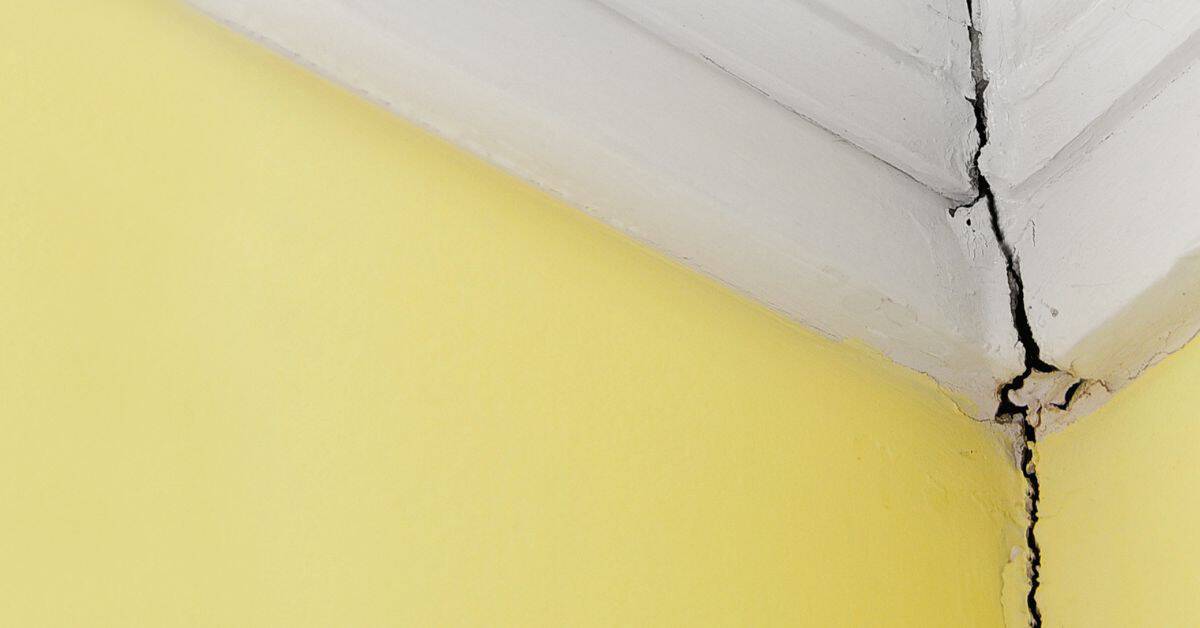
Start by inspecting the bottom edge of the plaster for looseness, cracking, or hollow areas behind the trim. Use simple tests like a light tapping, gentle probing, and measuring any visible gap to assess attachment. Look for signs that suggest delamination, corrosion of lath, or structural movement that would require trim removal.
If the edge seems solid but uneven, you may proceed with in-place repair after confirming through manufacturer instructions or local rules. If you find obvious movement, large gaps, or deteriorated backing, plan for trim removal or professional assessment before continuing.
Types and degrees of baseboard/plaster damage
The first step is to understand the kind and extent of damage you’re dealing with. Here are some common scenarios:
Small chips or cracks: These are minor issues that can usually be repaired without removing trim.
Delamination: When plaster pulls away from the lath, it’s called delamination. If it’s just at the bottom edge, you might still be able to repair it without removing trim.
Missing corner beads or large voids: These indicate more significant damage and may require full trim removal for access.
When to keep trim in place vs when to remove it
Deciding whether to keep the trim in place depends on several factors. Here are some clear criteria:
Keep trim if: Damage is minor (small chips, cracks), there’s no moisture or rot, and you don’t need to access lath or studs.
Remove trim if: Extensive damage requires access behind the trim, there are signs of moisture or hidden rot, or you need to expose lath or studs for repair. Also, consider removing trim if it’s already damaged or poorly installed.
Tools and Materials Checklist
Keep a basic set of hand tools plus a few specialty items for in-place repair. Include a putty knife, scraper, sanding block, and a drill or driver for fasteners as needed. Have setting compound, skim coating material, and a thin backer option on hand if the damage warrants it.
Note any consumables and protective gear required by product labels or manufacturer instructions. If you are unsure about a specific product, check the label or data sheet and choose safe, compatible options. Consider alternatives that minimize trim disturbance and fit your repair plan.
Essential tools
Before you start, gather these tools to work efficiently around trim.
- Utility knife: To carefully cut and scrape damaged plaster. Skip this and you’ll struggle with precision.
- Putty knife: For applying and spreading repair compounds. A must-have for smooth application.
- Hawk: Holds your compound, keeping your hands clean. Don’t skip, it’s a game-changer.
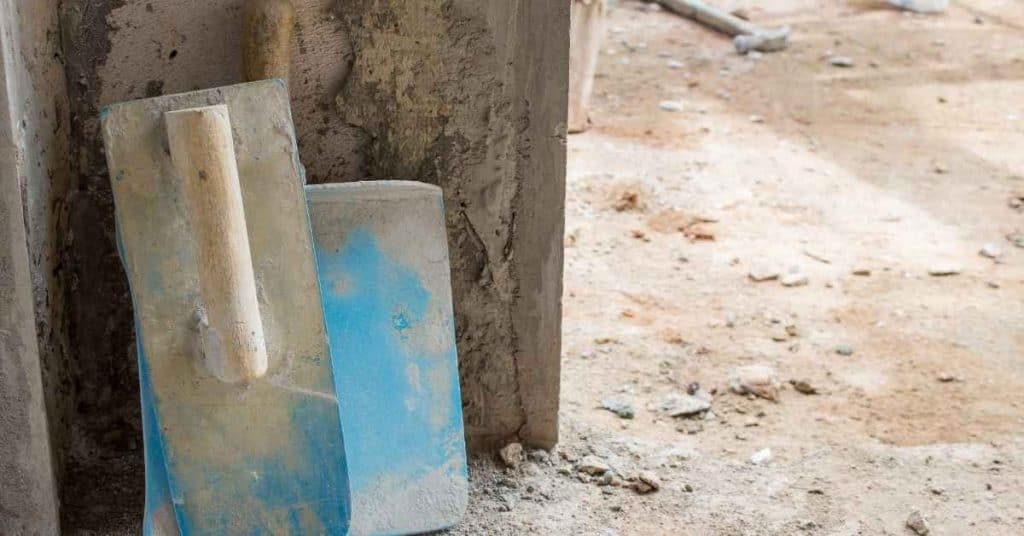
- Trowel: Smooths out compound for a professional finish. Essential for a neat job.
- Caulk gun: Applies latex caulk for sealing cracks. Don’t skip, it prevents further damage.
- Sanding block: Smooths out repaired areas for a seamless finish. Skip and you’ll feel every bump under your paint.
Quick rule: Gather these tools first to save time and effort later.
Materials and repair compounds
Choose the right materials for your plaster repair job. Here’s what you need.
- Setting-type plaster patch: For small holes and cracks. Quick-setting, easy to apply.
- Joint compound: For larger repairs. Provides a strong bond and smooth finish.
- Bonding agent: Ensures repair compounds stick to existing plaster. Don’t skip, it prevents peeling.
- Latex caulk: Seals gaps and cracks before applying compound. Essential for preventing further damage.
- Metal or mesh patch: For large holes or damaged areas. Provides structural support.
- Fasteners (screws, nails): To secure metal or mesh patches. Don’t skip, it keeps your repair in place.
Quick rule: Match the material to the damage size for best results.
Preparatory Steps and Protection
Protect the trim and flooring with friendly barrier materials and tape off the work zone to minimize transfer. Remove loose plaster in the affected area to create a clean edge for bonding. Clean and dry the surface so patch materials can adhere properly.
Mark the repair line clearly without forcing the trim to move. Plan your work sequence so you can work up to the edge without prying the trim away unless necessary. Verify any local requirements for protection or ventilation as needed.
Protecting existing trim and flooring
Before you start, protect your baseboards and flooring from any potential damage. Here’s how:
For the baseboards, use painter’s tape to create a barrier. Apply it along the top edge of the baseboard, pressing down firmly to seal out any compound or paint.
To protect your flooring, you can use thin masking paper or even cardboard shields. Secure them with tape, ensuring they cover the area where you’ll be working.
Safely removing loose plaster and prepping the edge
Start by cutting back any loose or crumbling plaster to a solid edge. Use a sharp utility knife for this, holding it at a 45-degree angle to the wall.
Be careful not to cut into the baseboard. If you do, you might need to remove and replace a small section of trim.
Once you’ve removed all loose material, use a damp cloth to clean the area. This will help with adhesion and prevent dust from mixing with your repair compound.
Finally, feather the edge using a sanding sponge or fine-grit sandpaper. This creates a smooth transition between the old plaster and your new repair, promoting better adhesion.
Rebuilding Techniques for the Bottom Edge Without Full Trim Removal
Skim-coating can rebuild a small edge and smooth the transition to the wall. For larger gaps, apply a setting-type filler and build to the proper height while keeping the trim in place. If needed, install a thin backer behind the plaster edge to provide a stable base.
Adapt your approach to the damage level and the trim fit, following product directions on cure times and thickness. If you doubt compatibility, consult the manufacturer instructions or a local pro for guidance before proceeding.
Skim-coating and feathering to the trim
Start by mixing a thin batch of joint compound. You want it runny enough to spread easily but not so thin it won’t build up.
Using a wide taping knife, apply a thin coat along the baseboard. Work from top to bottom, feathering out the edges into the existing plaster. This helps hide the repair line and prevents ridges.
Let it dry, then lightly sand any high spots. Apply another thin coat, building up the edge thickness gradually. Remember, thin coats dry harder and look better than thick ones.
Using backer materials and controlled patches
The right backing material can make or break your repair. It needs to bridge gaps, provide a stable base, and bond well with the new plaster.
- Mesh Tape: Use for small cracks and holes. It’s flexible, easy to apply, but not as strong as other options.
- Metal Lath Strips: Ideal for larger gaps or where extra strength is needed. They’re rigid, provide good support, but can be more challenging to work with.
- Thinboard: A fiber-reinforced gypsum panel, it’s strong, easy to cut, and provides a great base. Look for ones rated for patching.
- Avoid: Using drywall paper tape alone. It doesn’t bridge gaps well and can lead to cracking.
Fastening and Securing Loose Sections Safely
Secure loose edges with appropriate fasteners or adhesive designed for plaster and wood. Plaster washers or small screws can help anchor the edge without removing trim if placed carefully. Use adhesive only as directed and avoid overloading the edge.
Prevent future separation by cleaning surfaces, applying the right bond, and following cure times per product labels. If you encounter stubborn movement, reassess whether trim removal is warranted or if a pro should step in.
Installing plaster washers and targeted fasteners
To secure loose plaster near baseboards without damaging trim, use a combination of plaster washers and screws. Here’s how:
First, identify the studs or lath behind the damaged area using a stud finder. Mark their locations with a pencil.
Drill pilot holes through the plaster into the studs or lath at an angle, aiming slightly upward to avoid cracking the trim. Use a drill bit slightly smaller than your screw’s diameter.
Insert a plaster washer over the screw and drive it into the pilot hole. Tighten gently but firmly, using a screwdriver or drill. The washer will distribute pressure evenly, preventing cracks.
Adhesives and bonding agents for reattachment
When mechanical fasteners aren’t practical, use construction adhesives or bonding agents to reattach loose plaster. These work best on small sections with minimal damage.
Choose a heavy-duty, water-resistant adhesive suitable for your surface and conditions. Apply it sparingly along the back of the loose plaster using a caulking gun or putty knife.
Press the plaster firmly against the wall, ensuring good contact with the adhesive. Use clamps or weights to hold it in place until the adhesive cures, following the manufacturer’s instructions.
Note: Adhesives are not a permanent solution for large areas of damage. They’re best used as a temporary fix or for minor issues.