
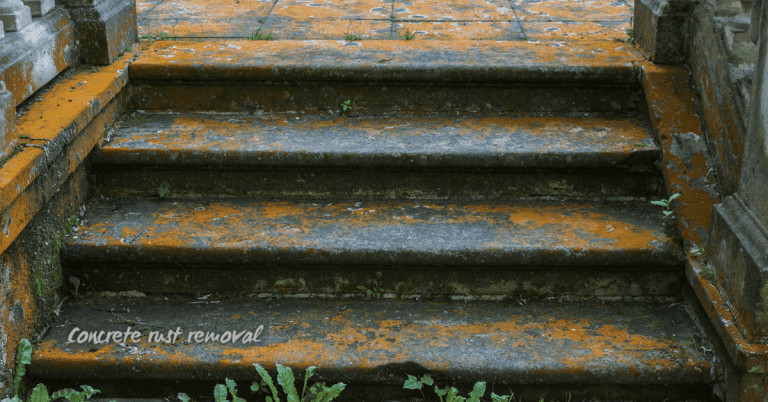
Introduction
Rebuilding a broken concrete step nosing with a simple clamp form means setting up a temporary mold around the edge and pouring fresh concrete to recreate the exposed edge. This approach uses a clamp-formed box to hold the new edge in place while it cures. Keep the setup small and level and plan to finish the edge flush with the surrounding steps.
Clamp the form around the edge, pour fresh concrete, and work it in so it bonds with the old slab. Use a straight edge to strike off the top and finish flush with the surrounding surface, then let it cure according to the label. If you’re unsure about local rules or how to finish, check the manufacturer instructions and local codes before proceeding.
Key takeaways
- Inspect damaged nosing depth and surrounding substrate before clamp-form setup.
- Use a simple clamp form to control edge alignment and mortar thickness.
- Verify compatible mortar with existing concrete and aggregate size guidance per label.
- Protect work area, wear eye protection, gloves, and keep kids away during casting.
- Demolish and clean thoroughly, then profile edge to receive the clamp form.
- Cure under proper conditions, avoid premature traffic until sufficient strength; adjust as needed.
Table of Contents
- Introduction
- Key takeaways
- Overview — When and Why to Use a Clamp-Form Repair
- Tools and Materials Checklist
- Material Specs and Compatibility Explained
- Safety, Site Protection, and Permit Considerations
- Surface Preparation — Demolition, Cleaning, and Profiling
- Building and Installing the Simple Clamp Form
- Mixing, Placing, and Compacting the Repair Mortar
- Finishing, Curing, Inspection, and Final Touch-Ups
- Conclusion
- FAQ
Overview — When and Why to Use a Clamp-Form Repair
A clamp-form nosing repair uses a simple, reusable mold or clamp to recreate a defined edge and strength without ripping out the entire step. This method often saves labor time and minimizes the disruption to surrounding work surfaces. It also helps control shrinkage cracks by creating a stable form for the new concrete.
Use this approach when the substrate is sound, the nosing needs a vertical face and crisp edge, and there isn’t excessive movement or wide voids behind the step. Limitations include significant structural damage, large voids, or steps with ongoing movement or severe spalling that would require full replacement. Always compare the project conditions against the form’s capabilities and verify guidelines from manufacturers or local codes as needed.
Advantages of clamp-form repair
A clamp-form repair is a quick and efficient way to fix your concrete step nosing. Here’s why:
Precise shaping: Clamp forms allow you to create a perfect new nosing that matches the existing shape.
Containment of repair mortar: The clamp form holds the repair mortar in place, preventing waste and ensuring all the material goes into rebuilding your step.
Minimal disruption: Unlike building wood forms or replacing the entire tread, a clamp-form repair causes less mess and requires less time and effort.
When to repair versus replace the step
Before you start, assess the damage to decide if repairing is enough or if you need to replace the entire step.
Repair: If the damage is localized to the nosing and there are no cracks extending into the tread or riser, a clamp-form repair should do the trick. Also, check that the underlying concrete is still solid and not crumbling.
Replace: If the step has significant cracks, if the damage extends beyond the nosing, or if the concrete is soft or spalling (flaking off), it’s time for a full replacement. Structural issues should always be addressed by replacing the entire step.
Tools and Materials Checklist
Gather the basic tools for measuring, aligning, and assembling the clamp form, plus fresh repair mortar and bonding aids. A level, a straightedge, clamps or fasteners, and a containment tray help keep the work neat and accurate. Include a trowel, a margin trowel, and a mixing bucket to manage the material properly.
Keep consumables on hand: bonding agent if recommended, clean rags, masking tape, and a release agent for the form if required. For options, consider both homeowner-friendly substitutes and pro-grade equivalents, and always label items to prevent confusion. Check the form manufacturer or local supplier notes for any compatibility or preparation tips specific to your materials.
Tools required
Before you start, make sure you have all the necessary tools to ensure a smooth repair process.
- Clamps: Essential for holding your clamp-form in place. Acceptable substitutes include C-clamps or pipe clamps.
- Straight edges: Crucial for ensuring your nosing is level and even. A straight 2×4 works well as a substitute.
- Chisels: Needed to remove old, damaged concrete. A cold chisel with a hammer will do the job.
- Mortar mixing tools: A hoe or shovel is necessary for mixing your repair mortar. A wheelbarrow helps keep everything clean and organized.
- Finishing tools: Trowels, floats, and edgers are crucial for smoothing and finishing the repaired nosing.
- Safety gear: Don’t forget safety glasses, gloves, and a dust mask to protect yourself during the repair process.
Quick rule: Always check your tools before starting. Missing or broken tools can lead to delays and poor results.
Materials and repair mortars
Choosing the right materials is key to a successful clamp-form nosing repair.
- Repair mortar: Look for polymer-modified or cementitious mortars. Check the label for suitability; it should match your existing concrete’s composition.
- Bonding agents: These help the new mortar bond with the old concrete. Check the label to ensure compatibility with your chosen mortar.
- Concrete mix: If needed, prepare a small batch of concrete for any structural repairs before applying the nosing.
- Aggregates: Ensure you have the right size and type of aggregates (sand, gravel) to match your existing concrete.
Quick rule: Always check product labels. Using incompatible materials can result in a weak bond and repair failure.
Optional consumables and fasteners
These extras can improve your clamp-form nosing repair, but they’re not always necessary.
- Release agent: Spray-on release agents help prevent the form from sticking to the new concrete. A light coat of vegetable oil works as a cheap substitute.
- Foam backer: This adds insulation and helps prevent cracking in cold weather. It’s not necessary for warm-weather repairs.
- Caulk: Use caulk to seal any gaps between the form and the existing concrete, preventing leaks and ensuring a smooth finish.
- Tape: Painter’s tape can help create clean lines and edges on your nosing. It’s especially useful for intricate designs.
- Temporary bracing: For large or complex repairs, temporary bracing can prevent the form from shifting during the repair process.
Quick rule: Consider these extras based on your specific repair needs and weather conditions. They can improve results but aren’t always necessary.
Material Specs and Compatibility Explained
Key properties to review are bond strength between the old and new concrete, potential shrinkage of the repair material, and resistance to freeze-thaw cycles. These factors influence how well the nosing will endure traffic and weather after repair. Look for general guidance, then confirm with the product data sheet or manufacturer instructions for your chosen material.
Verify compatibility by comparing the repair mortar or concrete mix to the existing substrate, climate, and exposure conditions. Do not rely on memory—open the datasheet or label and confirm the stated performance and any site-specific limitations or recommendations before mixing or placement.
Choosing the right repair mortar and bonding agent
The first step is matching your mortar to the existing concrete’s condition, exposure, and desired finish. For instance, if you’re repairing a step in a high-traffic area, consider a fast-setting, high-strength mortar.
Check manufacturer datasheets for application temperature ranges and pot life. You want a mortar that can set properly at your jobsite’s conditions.
Bonding agents are crucial to ensure the new repair bonds well with the old concrete. Use one designed for your chosen mortar type.
Compatibility with existing concrete and reinforcement
Before patching, assess the condition of any embedded steel (rebar). If it’s rusted or damaged, treat or replace it to prevent further corrosion.
Use a corrosion inhibitor in your repair mortar if the rebar shows signs of rust. This helps protect against future corrosion.
If you’re unsure about the rebar’s condition, expose some using a grinder or chisel. It’s better to find out now than after your repair has failed.
Safety, Site Protection, and Permit Considerations
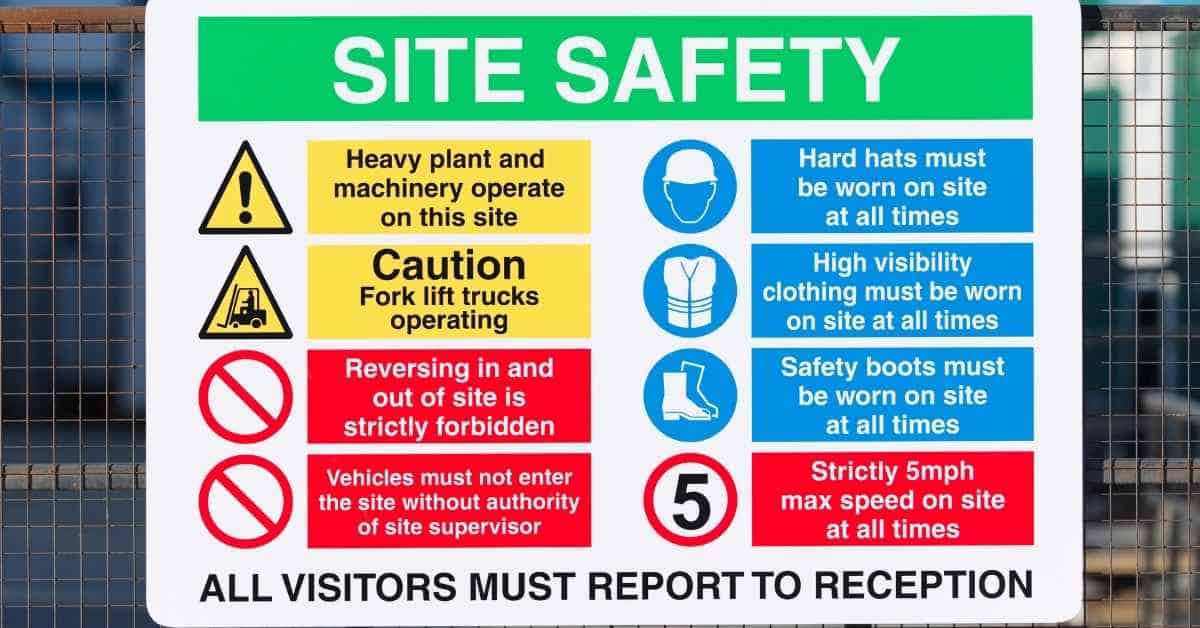
Wear eye protection, gloves, hearing protection if you’re cutting or grinding, and a dust mask for dry work. Use fall protection when working on outdoor steps or elevated surfaces. Keep the work area clean to prevent slips and trips.
Protect surrounding finishes and landscaping with barriers or coverings. Check local rules for permits, inspections, or HOA approvals that might apply to structural or exterior work on steps. When in doubt, verify requirements with the authority having jurisdiction or the HOA guidelines before you start.
Safety gear and fall prevention
Before you start, ensure your safety and secure the work area to prevent accidents.
- Hard hat: Protects against falling debris. Choose one with a chinstrap for added security. Around $20-$40.
- Safety glasses: Shields eyes from dust and small particles. Prescription versions available. Around $10-$30.
- Work gloves: Protects hands from cuts, scrapes, and cement burns. Leather or rubber gloves work best. Around $5-$20.
- Ear protection: Reduces noise levels from power tools. Disposable foam earplugs are cheap and effective. Around $1-$5 for a box of 100.
- Fall prevention: Secure the step with temporary supports to prevent it from shifting during work. Rent or buy adjustable support posts for around $20-$40 each.
Permits and code considerations
Before you begin, check if your local building codes require permits or inspections for structural repairs. This is especially important for steps leading to public areas or multi-family dwellings.
When in doubt: Consult a local professional, such as an architect or engineer. They can assess your project and guide you through the permit process. Fees vary by location and complexity of the job.
Homeowner associations (HOAs) may also have rules regarding repairs and renovations. Check your HOA guidelines before starting any work.
If you’re unsure about any aspect, it’s always best to err on the side of caution and consult a professional. They can help ensure your repair is safe, up to code, and won’t cause issues down the line.
Surface Preparation — Demolition, Cleaning, and Profiling
Remove loose or delaminated concrete from the nosing and the adjoining edges. The goal is to expose a sound substrate and create a keyed edge for better bonding. Keep the exposed surface free of laitance and contaminants that could weaken the repair.
Thoroughly clean the area and check moisture conditions before forming. Avoid over-cutting into the surrounding substrate while shaping the profile. Inspect for any signs of movement, moisture intrusion, or soft spots that might affect adhesion.
Removing damaged concrete and preparing edges
Start by wearing safety gear – goggles, gloves, and a dust mask. Use a cold chisel and hammer to carefully chip away broken concrete from the step nosing.
Work methodically, creating a clean, roughened edge for the repair mortar to adhere to. Be sure not to undercut the good concrete or damage the substrate.
Once you’ve removed all damaged material, use a wire brush to remove any loose debris and create a keyed surface. This helps the new concrete bond better with the old.
Inspect the exposed edges for any signs of rebar corrosion or other issues that may need addressing before proceeding.
Cleaning, drying, and priming the surface
Thoroughly clean the repaired area using a stiff-bristled brush and a solution of water and mild detergent. This removes dust, oil, and other contaminants that could hinder bonding.