
Introduction
Alkali burn on new concrete is a powdery, cloudy discoloration caused by high-alkaline salts rising to the surface as the slab cures. It looks like white or pale patches and can stop paint or coatings from sticking properly. Identify it by rubbing a damp cloth over the area—if the residue wipes away but returns, it’s likely alkali salts.
Fixing it is mostly a job of cleaning and preparing the surface so coatings can bond; that means washing, neutralizing if needed, and repairing any cracks or rough spots. Use the product label and manufacturer instructions to choose cleaners and primers, and check local rules for disposal of rinse water. Take a hands-on approach: clean, let dry fully, fill defects with a compatible patch, and test a small area before coating the whole slab.
Key takeaways
- Identify alkali burn by discoloration, powdery film, or rough, slick patches.
- Test moisture and cure before painting; moisture traps ruin adhesion.
- Clean with neutral pH cleaners; avoid strong acids that damage concrete.
- Neutralize alkaline residues per manufacturer instructions before profiling and priming.
- Repair cracks and rough spots with appropriate patch compounds for bonding.
- Choose compatible primers and paints; follow surface prep, cure, and recoat windows.
Table of Contents
- Introduction
- Key takeaways
- What Is Alkali Burn (Alkali Discoloration) and How It Looks
- Safety and Personal Protection When Inspecting and Treating Alkali Burn
- How to Inspect New Concrete Properly Before Repair or Painting
- Preparing the Surface: Cleaning, Neutralizing, and Profiling for Paint
- Repair Techniques: Removing Old Coatings, Filling Cracks, and Patching Rough Spots
- Curing, Drying, and Moisture Control Before Painting
- Choosing Products: Primers, Sealers, Neutralizers, and Compatible Paints
- Cost Estimation, Planning, and Timing for DIY Vs Professional Repair
- Conclusion
- FAQ
What Is Alkali Burn (Alkali Discoloration) and How It Looks
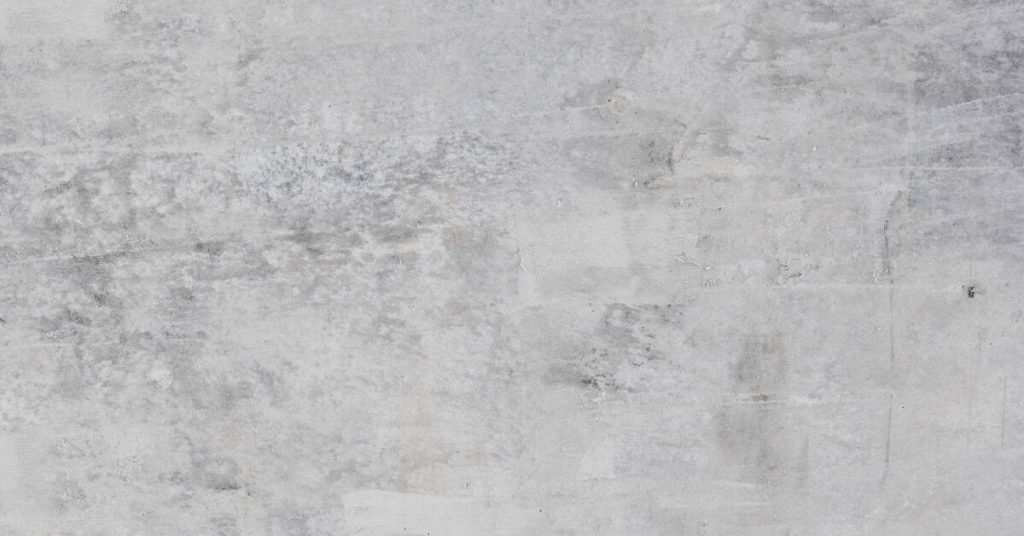
Alkali burn, often called alkali discoloration, is a surface condition where high-alkaline salts from the concrete migrate to the top and leave visible residues as moisture evaporates. It is different from efflorescence (salt crystals from water-soluble salts), curing compound haze (usually film-like and uniform), or simple moisture stains, and each shows distinct tactile and visual cues.
Look for chalky white bloom, pale or dark halos around control joints, hazy or rainbow-like patches, brown or yellow staining, and grainy or powdery surface deposits—typically on horizontal surfaces, along joints, or near consistent wet areas. These residues raise surface pH and can prevent paint from bonding, causing blistering, peeling, or discoloration, so quick field checks—visual inspection, water bead test, light abrasion, and pH or moisture test strips—help decide whether cleaning or neutralizing is needed before painting or if a pro should evaluate deeper problems.
Visual symptoms and common locations
Alkali burn, also known as alkali discoloration, shows up on your new concrete in several ways. Keep an eye out for:
Powdery white patches: These look like a chalky bloom or dusting on the surface. They’re caused by the alkaline salts rising to the top and reacting with moisture.
Halos or rings: Pale or dark halos around control joints, or hazy, rainbow-like patches can indicate alkali burn. These often appear where moisture evaporates quickly, like near edges or corners.
Brown or yellow stains: Deeper penetration of alkalis into the concrete can cause these stains, typically in high-moisture zones or areas with poor drainage.
How alkali burn differs from efflorescence, stains, and moisture-related defects
Alkali burn isn’t the only issue you might face with new concrete. Here’s how to tell them apart:
Efflorescence: Unlike alkali burn, efflorescence is a white, powdery deposit caused by salts leaching out of the concrete. It doesn’t cause discoloration or affect paint adhesion like alkali burn does.
Moisture-related defects: Moisture stains and intrusion can look similar to alkali burn but have different causes. Moisture stains are usually darker, while moisture intrusion often leads to mold or mildew growth, not chalky patches.
Stains: Topical staining is easy to spot – it’s just dirt or other substances on the surface. Alkali burn penetrates deeper and affects the entire concrete layer.
Safety and Personal Protection When Inspecting and Treating Alkali Burn
This section sets out the safety framework for inspecting and treating alkali burn: identify hazards, wear appropriate PPE, plan first-aid readiness, and control ventilation and dust while testing or cleaning. Chemical cleaners, acids, lime residues, and concrete dust can injure eyes, skin, and lungs, so do a brief site risk check before starting work.
Essential PPE includes chemical-resistant gloves, splash goggles or a face shield, long sleeves, protective footwear, and a respirator or dust mask in dusty conditions; learn proper donning and doffing to avoid spread of contaminants. For exposures, flush eyes or skin with water immediately, seek medical attention for persistent pain or blurred vision, and call poison control or emergency services if ingestion or significant inhalation occurs; when in doubt about product hazards or severe reactions, get professional medical help.
Required PPE and safe handling of neutralizers and cleaners
Gloves: Use chemical-resistant gloves to protect your hands from alkaline cleaners and acids. Ensure they fit well and cover your wrists.
Eye protection: Wear splash-guard goggles or a full-face shield to safeguard your eyes from chemical splashes. Make sure they sit securely on your face.
Respirator/Dust mask: If working with dusty surfaces, use a respirator or dust mask to prevent inhalation. Ensure it fits properly and provides adequate protection.
First-aid and emergency steps for chemical exposure
Eye splash: Rinse immediately with plenty of water for at least 15 minutes, lifting the upper and lower eyelids occasionally. Seek medical attention if irritation persists.
Skin contact: Rinse thoroughly with water for at least 15 minutes. Remove contaminated clothing and shoes. If symptoms worsen or you’re unsure about the chemical, seek medical advice.
Inhalation: Move to fresh air immediately. If breathing is difficult, give mouth-to-mouth resuscitation if trained to do so. Seek immediate medical attention if symptoms persist or worsen.
How to Inspect New Concrete Properly Before Repair or Painting
Follow a step-by-step inspection checklist: start with a visual sweep for white powdery efflorescence, mottled streaks, laitance, blistering, or flaking, then move to moisture and pH checks on any suspect areas. Note locations, patterns, and whether defects concentrate near joints, drains, or low spots to guide testing and remediation.
For moisture, use a plastic-sheet test or a reliable meter and compare results to the coating manufacturer’s acceptable limits; treat readings outside that range as a fail and delay coating until corrected. For pH, use concrete-compatible strips or a meter—if surface pH is above the product’s allowable range, neutralize or clean per manufacturer guidance; document pass/fail results, tool readings, and any repairs needed before proceeding or calling a pro for major issues.
Step-by-Step Repair Process
Follow these steps to properly inspect your new concrete before making any repairs or applying paint.
- Prepare safety gear: Wear gloves, safety glasses, and a dust mask. Concrete can be harsh on skin and eyes.
- Visual inspection: Look for signs of alkali burn, efflorescence, stains, or moisture-related defects as outlined in the visual diagnostic checks below.
- Moisture test: Use the plastic sheet method or a reliable meter to detect trapped moisture. Acceptable moisture levels are typically below 15%.
- pH testing: Use concrete-compatible pH strips or a meter to measure surface pH. Target range is usually between 7 and 12, but avoid painting if it’s above 12.
- Final checks: Ensure the concrete has fully cured (at least 28 days after pour/repair) and that all test results are within acceptable ranges before proceeding with repairs or painting.
Visual and Tactile Checkpoints to Perform
Use this checklist during your visual inspection to ensure no issues go unnoticed.
- White powdery efflorescence: Looks like white salt deposits on the surface. If present, clean with a wire brush and neutralize with an acid solution.
- Dark or mottled streaks: Indicates alkali burn or staining. Further investigation is needed to determine the cause.
- Surface laitance: A thin, weak layer on top of concrete. If present, remove with a wire brush and clean the surface.
- Peeling or blistering: Signs of delamination. Tap gently with a hammer; if it sounds hollow, there’s likely a void underneath.
- Rough or flaking concrete: Could indicate alkali burn or improper curing. Inspect closely for signs of powdering or crumbling.
- Uneven surfaces: Feel and tap the surface to ensure it’s smooth and solid. Any soft spots or hollow sounds warrant further investigation.
Quick rule: If in doubt, consult a professional. Better safe than sorry when dealing with concrete issues.
How and When to Test Surface pH and Moisture
Proper testing ensures your paint job lasts and adheres correctly.
For moisture: Use the plastic sheet method (place a 12×12-inch sheet on the surface, seal edges with tape, and check after 24 hours; if it’s damp, moisture is present) or a reliable moisture meter. Acceptable levels are typically below 15%.
For pH: Use concrete-compatible pH strips or a meter. Apply to a small, inconspicuous area first. Target range is usually between 7 and 12; avoid painting if it’s above 12.
Timing: Test after the concrete has fully cured (at least 28 days after pour/repair) and when temperatures are between 40°F and 90°F (4°C and 32°C).
When to Consult a Pro or Get Lab Testing
Some issues may require professional help or lab testing.
Consult a pro if: You find persistent high pH levels (above 12), unclear moisture issues, extensive damage, or signs of alkali burn that you’re unsure how to treat. Professionals have the experience and tools to diagnose and fix complex problems.
Lab testing may be warranted if: You suspect contaminants in the concrete, want a more accurate moisture reading (especially for slabs), or need detailed analysis of your concrete’s composition. Your local lab can provide specific testing services.
Quick rule: When in doubt, err on the side of caution. It’s better to consult a professional than risk further damage or costly repairs down the line.
Preparing the Surface: Cleaning, Neutralizing, and Profiling for Paint
Prep follows a strict sequence: remove dirt/oils first, then address alkali salts with a neutralizer or mild acid rinse as recommended, rinse thoroughly, and finally establish the correct surface profile for primer adhesion. Skipping or reversing steps can leave residues that interfere with bonding, so always check the product label or technical data sheet for order and concentration guidance.
Clean with a degreasing solution and stiff brush or pressure rinse until contaminants are gone, then apply the neutralizer per instructions, agitate to lift salts, and rinse until runoff is clear; confirm the surface is dry and within the primer’s moisture specs before profiling. Create the mechanical profile with grinding, shot blasting, or equivalent to meet the primer manufacturer’s roughness requirements, and run a small adhesion test to verify compatibility before full application.
Cleaning and removing loose material, efflorescence, and dust
The first step in preparing your concrete surface for painting is a thorough cleaning. The right materials ensure all contaminants are removed, preventing issues like cracking or weak paint adhesion.
- Degreasing cleaner: Use to remove oils and grease. Look for one with high cleaning power but low environmental impact. Avoid cleaners that leave residues.
- Stiff-bristle brush: Essential for scrubbing away dirt, efflorescence, and loose material. Choose one with durable bristles to tackle tough spots.
- Appropriate detergent: Use a mild, pH-neutral detergent for general cleaning. It won’t damage the concrete or leave behind residues that could hinder paint adhesion.
- Pressure washer (optional): For large areas or tough stains, use a pressure washer with a wide-angle nozzle to avoid damaging the surface.
- Bevels and edges: Pay special attention to bevels and edges. Clean them thoroughly to prevent staining and weak bond at these critical points.
Neutralizing high-alkali residues safely
The next step is neutralizing any high-alkali residues. Alkali burn can cause discoloration and weak paint adhesion if not treated.
Use a dedicated concrete pH neutralizer or a mild acid rinse, following the product instructions carefully. These products work by reacting with and dissolving alkali salts on the surface.
Thorough rinsing is crucial after neutralization to remove any residue that could hinder paint bonding. Use clean water and ensure it sheets off the surface without leaving streaks or deposits.
After rinsing, re-test the pH of the surface to confirm successful neutralization. The ideal pH range for painting is 6-8.
Tools and materials checklist for prep work
Before you start, ensure you have the right tools and materials to make your job easier and more effective. Use this checklist before each project.
- Degreasing cleaner: To remove oils and grease.
- Stiff-bristle brush: For scrubbing away dirt and loose material.
- Appropriate detergent: A mild, pH-neutral detergent for general cleaning.
- Pressure washer (optional): For large areas or tough stains.
- Concrete pH neutralizer or mild acid rinse: To treat alkali burn and lower the surface pH.
- pH test kit: To check the surface pH before and after neutralization.
- Moisture meter: To ensure the surface is dry enough for painting.
- Shot blaster or grinder (optional): For creating a mechanical profile on the surface.
- Safety gear: Include gloves, safety glasses, and protective clothing to handle chemicals safely.
- First-aid kit: Always have one nearby when working with chemicals.
Quick rule: Always follow product instructions for safe handling and application of cleaners, neutralizers, and primers.
Repair Techniques: Removing Old Coatings, Filling Cracks, and Patching Rough Spots
Begin by identifying existing coatings and their condition—adhesive or failing—and choose removal methods accordingly: mechanical removal for well-adhered films, chemical strippers for softer coatings, or pressure washing for loose materials, always following PPE and product instructions. Test a small area first to confirm the method removes material without damaging the substrate.
For cracks and defects, assess width and movement to select the right filler—epoxy or cementitious patch for structural gaps, flexible sealants for moving joints—and prepare edges by cleaning and removing dust before applying repair material. Feather edges of patches to blend into surrounding concrete, allow proper cure per product guidance, then recheck pH and moisture before priming to avoid trapping alkalinity under the coating.
Safe methods for removing paint and incompatible coatings
Before you start, check the coating type. Paint, wallpaper, or other coatings can be removed in different ways. Here’s how:
Mechanical removal: Use scrapers, wire brushes, or sandblasters for tough coatings like old paint or rust. It’s quick but can damage the substrate if not done carefully.
Chemical strippers: For delicate surfaces, use chemical strippers. They’re safer but take longer to work. Always follow manufacturer instructions and wear protective gear.
Pressure washing: This is quick and easy for loose paint or dirt. But it won’t remove tough coatings and can damage the surface if not done right. Use low pressure (around 1200-1500 psi) and wide-angle nozzles.
Choose your method based on the coating type and substrate condition. Always test a small, hidden area first to check for any adverse reactions. After removal, clean the surface thoroughly before applying new coatings.
Crack repair and surface patching best practices
First off, never use a patching compound that’s not compatible with your existing concrete. Check the label or ask the manufacturer if you’re unsure.
Before you start, clean and prep the joint or crack. Remove any loose material, dirt, or old coatings. Use a wire brush or vacuum to ensure it’s clean.
Now, prime the area with a concrete primer. This helps the patch bond better and prevents moisture from getting trapped. Let it dry as per the manufacturer’s instructions.
When applying the patch, use a trowel or squeegee to ensure an even layer. Don’t overfill; you can always add more if needed. Once applied, finish it off with a bullfloat or darby, working from the outside in.
Finally, let it cure as directed. Keep it moist for at least three days to help it gain strength. But remember, no foot traffic until it’s fully cured!
Visual checkpoints to confirm a paint-ready surface
Before you prime and paint, use this checklist to ensure your surface is truly ready. It’s crucial to catch any issues now to avoid costly rework later.
- Check for firm adhesion: Gently scrape the surface with a putty knife. If the old coating flakes or peels, it needs to be removed completely (see Removing Old Coatings).
- Inspect profile uniformity: Look for any high or low spots. A smooth, uniform surface ensures even paint coverage. Fill any rough spots with joint compound or spackle if necessary (see Patching Rough Spots).
- Test pH level: Use pH test strips to ensure the surface is neutral (pH 7). Extreme pH levels can cause paint failure. If it’s too acidic or alkaline, rinse and let dry before proceeding.
- Check for moisture: Look for any signs of dampness or water damage. Paint won’t adhere properly to a wet surface. Allow the area to dry completely (check local drying times).
- Inspect for cracks: Even small cracks can cause paint to peel. Fill any cracks with a suitable filler (see Crack Repair).
- Check for grease or contaminants: Wipe the surface with a damp cloth to remove any dirt, dust, or grease. These can prevent paint from adhering properly.
- Look for previous repairs: If you’ve patched or repaired the surface before, ensure these areas are well-integrated and level with the rest of the surface (see Patching Rough Spots).
- Verify proper sanding: Lightly rub your hand over the surface. It should feel smooth and even. Any rough or sharp edges need to be lightly sanded.
Quick rule: If in doubt, test a small, hidden area first. This allows you to check for any unexpected reactions before proceeding with your entire project.
Curing, Drying, and Moisture Control Before Painting
Proper curing and dryness are essential because residual moisture and alkaline salts that haven’t stabilized can cause paint failure later; curing helps reduce free alkali movement and surface moisture. Understand that ‘dry’ and ‘cured’ are defined by the coating manufacturer’s moisture and RH limits, so verify those specs rather than relying on elapsed days alone.
To accelerate drying without harming the slab, use increased air movement, controlled warm air, and temporary surface covers while avoiding rapid desiccation that causes cracking; consider temporary vapor barriers or drainage fixes to stop ongoing moisture entry. Verify dryness with a compatible moisture meter or plastic-sheet test and record readings against product thresholds before priming or painting, and follow any recoat or cure windows specified by the coating manufacturer.
What “cured and dry” means in practice
Concrete needs to be both cured and dry before painting. Curing is about locking in moisture, while drying is about getting rid of it.
Cure means the concrete has gained enough strength through hydration – a process where water reacts with cement. This usually takes 28 days but can vary. During this time, keep the surface moist and covered to prevent rapid drying.
Dry, on the other hand, refers to the moisture content within the concrete. It’s not just about surface dryness; internal moisture matters too. Most coatings require a relative humidity (RH) of 70% or less at 80°F (27°C). Check product-specific guidelines for exact targets.
Concrete can look dry but still have high moisture content inside, leading to issues like alkali burn and poor paint adhesion later on. So, it’s crucial to understand these terms and ensure both conditions are met before painting.
Techniques to manage moisture and speed readiness
Once concrete is cured, you’ll want to dry it out quickly but safely. Here’s how:
Surface sealing: Apply a sealer designed for green (new) concrete to lock in surface moisture and prevent evaporation-induced cracking.
Ventilation & air circulation: Use fans or open windows to increase airflow around the concrete, speeding up drying. But be careful not to create drafts that could cause rapid drying and cracking.
Controlled warm air: If possible, use heaters to provide a consistent source of warm air. This can help dry out the concrete faster without causing cracks. Keep temperatures around 70-80°F (21-27°C).
Remember, while these techniques can speed up drying, they won’t compromise the integrity of your concrete if done correctly.
Rechecking pH/moisture after repairs and before priming
Before applying primer, ensure your concrete has a neutral pH (around 7) and acceptable moisture levels. Here’s how to check:
pH test: Use litmus paper or a pH meter to test the surface. If it’s too alkaline (pH > 8.5), you may need to neutralize with an acid wash before priming.
Moisture test: Use a moisture meter – either a pore cube or non-invasive RH probe – to check moisture content. Follow product-specific guidelines for acceptable levels, but generally, aim for RH below 70% at 80°F (27°C).
Plastic-sheet test: Place a piece of plastic sheeting on the surface and secure the edges with tape. After 16-24 hours, check under the sheet. If it’s dry, proceed with priming. If there’s condensation or water droplets, wait until the concrete is drier.
Always follow product-specific recommendations for recoat windows and guidelines to ensure optimal results.
Choosing Products: Primers, Sealers, Neutralizers, and Compatible Paints
Match products to the altered substrate conditions—alkali-resistant primers, breathable sealers, and neutralizers may be required depending on pH, moisture, and porosity readings—rather than picking by brand. Use test criteria like surface pH, moisture level, and profile to guide selection and confirm compatibility with technical data sheets before applying broadly.
Decide between breathable and non-breathable sealers based on moisture movement needs, and pick primers formulated for high-alkali substrates or bonding to patch materials when necessary; perform a small adhesion test and a solvent wipe where applicable. Document product instructions, cure windows, and any field test results, and adjust your system selection if test patches fail or if manufacturer guidance indicates different products.
What to look for on product labels and technical data
When selecting primers, sealers, and paints for your repaired concrete, it’s crucial to understand the key specifications listed on their labels and technical data sheets. These details will help you make informed decisions that ensure long-term adhesion and performance.
Alkali Resistance: Look for products with high alkali resistance ratings. Alkali burn can degrade paint adhesion, so using a primer or sealer with good alkali resistance is vital to prevent this issue.
Breathability: Check the product’s breathability rating. Breathable sealers allow moisture and water vapor to escape, preventing trapped moisture from causing issues like efflorescence or blistering. Non-breathable sealers may be suitable for certain conditions but should be used with caution.
Adhesion: Ensure the product has good adhesion properties. This is especially important when using primers to improve paint adhesion on repaired concrete surfaces.
Tools to help choose the right product for your project
Selecting the perfect primer, sealer, or paint system can be overwhelming. Don’t hesitate to consult various resources to make an informed decision.
- Technical Data Sheets: These provide detailed information about a product’s specifications, recommended uses, and application guidelines. Always review them before making a purchase.
- Manufacturer Representatives: Contacting the manufacturer can provide you with expert advice tailored to your project. They can help you choose the right products and ensure compatibility.
- Local Professionals: Consulting with local painting contractors or concrete specialists can offer valuable insights into what works best in your specific region or climate.
- pH Testers: Rent or purchase a pH tester to measure the alkalinity of your repaired concrete surface. This will help you choose products that are compatible with your substrate’s pH level.
- Moisture Meters: These tools help determine if your concrete is dry enough for painting. They can be rented or purchased, depending on your needs and budget.
- Adhesion Test Kits: Before applying a full-scale coating system, use an adhesion test kit to ensure the primer adheres well to your repaired surface. This can save you time and money in the long run.
Cost Estimation, Planning, and Timing for DIY Vs Professional Repair
Start by deciding whether the job is a DIY scope or needs a pro: small, surface-level alkali burn and simple patching are often DIY-feasible, while structural damage, ongoing moisture intrusion, or uncertain substrate chemistry typically justify hiring a contractor. Gather project inputs—square footage, patch volume, surface prep method, and required materials—to build a realistic plan and timeline that accounts for cure and dry windows.
When estimating, list materials (patch compounds, neutralizers, primers, sealers, PPE) and time for prep, repair, curing, and painting; get multiple contractor quotes with the same scope and ask for itemized costs to compare apples-to-apples. Include contingency for rework or longer drying in your schedule, and keep records of readings, product choices, and warranties to help evaluate long-term performance and whether future professional intervention may be needed.
How to calculate material needs and labor scope
The right materials and labor time are key to a successful repair. Here’s how to estimate both:
- Concrete patching compounds: Look for fast-setting, high-strength options. Avoid low-quality products that can crack or stain.
- Sealers and bonding agents: Choose ones compatible with your concrete type and the paint you’ll use later. Check their bond strength and durability.
- Curing compounds and mats: Opt for moisture-retaining cures to prevent premature drying. Mats should be breathable but waterproof.
- Primer and surface preparations: Select a primer that’s compatible with your paint and provides good adhesion. Avoid ones that can cause peeling or blistering.
- Labor time: Allocate time for surface prep, patching, finishing, curing/drying, and potential rework. Assume 1-2 hours per square foot of repair.
When to hire a professional and what questions to ask
DIY is feasible for small, surface-level repairs. But for extensive damage or structural issues, hire a pro.
Structural issues: If you suspect alkali burn has weakened your concrete’s structure, leave it to the pros. They have tools and knowledge to assess and repair safely.
Moisture-related problems: Excessive moisture can cause serious damage. Pros can identify sources, seal them, and ensure proper drying before repairing.
When hiring, ask these questions: Experience with alkali issues? Ensure they’ve dealt with alkali burn before. Warranty on work? Check if their repair comes with a warranty. Testing methods? Ask about their process for testing pH levels and moisture content.
Conclusion
Safety and durability come first. Approaching alkali burn with the right prep and timing protects your appearance and prevents costly fixes later.
Check and follow the steps in order: inspect for discoloration and moisture, clean the surface, neutralize appropriately, profile the surface for paint, remove failed coatings, fill cracks and rough spots, allow proper curing and drying, test a small patch before full-scale painting, and choose primers, sealers, and paints that are compatible with your concrete. Plan your work around realistic cure times and weather windows, and document each step so you know exactly what’s been done and what still needs attention.
Two common mistakes to avoid are skipping moisture control and rushing cure times, which can trap dampness and cause peeling or staining later. Always wear eye protection, gloves, and a respirator or suitable mask when handling cleaners and sealers, and test products in a hidden area first. If the concrete shows deep damage, persistent dampness, or you’re unsure about primer compatibility, call a professional for insight or concrete repair, and stay focused on a solid, safe finish you can be proud of.
FAQ
What is alkali burn and how does it cause discoloration on new concrete?
Alkali burn is a chemical reaction from concrete’s alkalinity burning the surface pigments. It shows up as pale, blotchy, or uneven spots that won’t accept paint evenly. Treat it only after confirming with product instructions and local guidelines.
What causes alkali burn on new concrete, and how can I prevent it next time?
Causes include high alkalinity, improper cleaning, and moisture coming through the slab. Prevention is about proper surface prep, neutralizing steps when needed, and using compatible coatings. Check product labels for any specific prevention tips.
How should I prepare the surface to fix alkali burn and make paint stick?
Clean the area to remove dust and residues. If neutralizing is required, follow the product instructions exactly. Lightly profile the surface for adhesion, then test a small patch before full coating.
When filling cracks or patching rough spots, what should I know to avoid future alkali issues?
Use patch materials compatible with concrete and your primer. Install cracks and patches flush with surrounding surface and allow proper cure time according to the manufacturer. If moisture is a concern, seal or mitigate before painting.