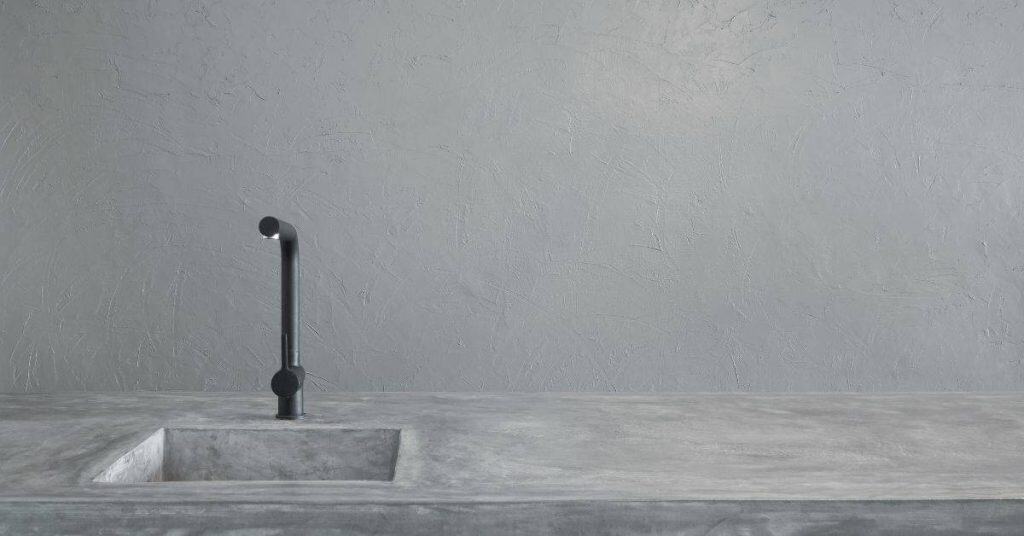
concrete countertop with integrated sink and black faucet

DIY Concrete Countertop Heat Damage: Trivets, Sealers, and Spot Repair Options

Introduction

Concrete countertop heat damage protection and repair basics are practical steps to prevent scorch marks from hot items. Think in terms of using heat-resistant trivets, choosing appropriate sealers, and planning simple spot repairs when needed. This guide covers easy, hands-on steps you can follow in a DIY kitchen project.

Regular inspection and maintenance of seals help extend the life of the countertop. Check label directions and manufacturer guidance to choose sealers and compatible finishes, and document your surface type. For new or existing surfaces, look for sealing options that work with heat exposure and follow proper cure times.

Key takeaways

  • Use heat-resistant trivets and coasters; never place hot dishes directly on countertop.
  • Regularly inspect seals for wear; reapply as recommended by manufacturer.
  • Choose sealers labeled heat-resistant and food-safe for longevity and safety.
  • Sealing new versus existing surfaces follows distinct steps; follow product instructions closely.
  • Daily cleaning with pH-neutral cleaners prevents seal wear and staining.
  • DIY spot repairs require matching sealer type and gentle abrasion to avoid damage.
Table of Contents

Understand Heat Damage on Concrete Countertops

Heat damage on concrete countertops comes in several familiar forms. Common signs include sealer discoloration, sealer blistering, surface etching, and visible cracks. Learn to tell cosmetic issues from problems that compromise structure by looking for color changes, hazy or blistered surfaces, shiny etch marks, or cracks that run through the slab.

Start with a quick cosmetic-vs-structural check: surface-only issues versus cracks that affect integrity. When in doubt, consult the product data sheets or warranty language from the sealer manufacturer. Use gentle heat tests and simple scratch or wipe tests to gauge seal performance, and note where heat sources sit relative to the affected area.

How heat affects the concrete vs the sealer

Heat damage on concrete countertops isn’t always straightforward. It affects both the concrete itself and its protective sealers differently.

The sealer, being a top layer, takes the initial hit from heat. It’s designed to protect the concrete but can degrade faster under high temperatures. This is why you’ll often see sealer damage before the concrete shows signs.

Concrete, on the other hand, is more resilient to heat but can still crack or etch over time if exposed to extreme temperatures consistently. Understanding this difference matters because repair choices depend on whether the damage is primarily to the sealer or the concrete itself.

Common household heat sources and scenarios

Heat damage often starts with common household items. Here are some culprits:

Hot Pans & Bakeware: Placing hot pots, pans, or bakeware directly on the countertop can cause localized heat buildup.

Slow Cookers & Small Appliances: These can generate significant heat over time. Make sure they’re not sitting directly on your concrete counters without protection.

Hair Tools: Straighteners, curling irons, and hair dryers can also cause heat damage if left on the countertop after use. Always use a heat-resistant mat or trivet to protect your surfaces.

Visual and tactile checkpoints for diagnosis

Before you start repairs, it’s crucial to understand the extent of damage. Use this checklist when diagnosing heat damage:

  • Sealer Discoloration: Look for color changes or hazy spots on the surface.
  • Blistering: Feel for any bubbling or blistered areas under your fingertips.
  • Etching: Check for shiny, dull, or rough patches that indicate etching.
  • Cracks: Inspect the entire slab for visible cracks, no matter how small.
  • Heat Sources: Note where heat sources are placed regularly to anticipate problem areas.
  • Sealer Integrity: Perform a scratch test by lightly scoring the surface with a nail. If it’s easy to do, your sealer might be compromised.
  • Wipe Test: Wipe the countertop with a damp cloth. If the water beads up and doesn’t spread evenly, your sealer may need reapplication.
  • Temperature Check: Use an infrared thermometer to check surface temperatures near heat sources.

Quick rule: If you find cracks or deep etching, it’s best to consult a pro. For surface-level issues, DIY repairs might be feasible.

Back to top ↑

Preventive Practices: Trivets, Coasters, and Everyday Habits

The core goal is to minimize heat and moisture exposure through practical daily habits and a few simple tools. Rely on trivets, coasters, cutting boards, and smart prep-zone planning to protect the surface. Keep an eye on how often and where heat transfers during regular cooking and prep tasks.

Choose appropriate pads or diffusers and replace worn ones to maintain protection. Plan item placement so hot cookware never sits directly on the counter for extended periods. Establish routines for drying spills promptly and separating raw-food work zones from finished surfaces.

Selecting and using trivets and hot pads

Trivets and hot pads are your first line of defense against heat damage. Here’s how to choose and use them right.

Material matters: Go for ceramic or stone heat diffusers, or silicone pads. They’re designed to handle high temperatures without transferring too much heat.

Thicker is better: The thicker the pad, the more heat it absorbs and dissipates. Aim for at least 1/4 inch thick.

Placement strategy: Place trivets under pots and pans directly on the countertop. For cast iron cookware, use a sheet of cast iron to distribute heat evenly before placing it on the trivet.

Coasters, cutting boards, and layout strategies

Protect your concrete countertops with these simple tools and smart planning.

Use coasters: Always use a coaster under drinks. This protects the surface from moisture and heat.

Cut on boards: Use cutting boards for prep work to prevent scratches and protect against bacteria.

Designate high-use zones: Concentrate wear by designating areas for specific tasks, like a wet zone near the sink or a chopping zone away from finished surfaces. This helps maintain the countertops’ overall appearance.

Habits that extend sealer life

Adopt these habits to keep your concrete countertop sealant in top shape for longer.

Lift, don’t slide: Lift heavy pots and pans instead of sliding them across the surface to prevent scratches and wear on the sealer.

Wipe spills immediately: Quickly clean up any spills or splashes to prevent moisture from breaking down the sealant over time.

Avoid acidic cleaners: Steer clear of acidic cleaners like lemon juice or vinegar, which can dull and damage the sealer. Stick with mild dish soap and warm water for cleaning.

Back to top ↑

Sealing Options: Types, Food-Safety, and Maintenance Intervals

Penetrating, film-forming, and hybrid sealers each offer different balances of durability and finish. Understand how moisture resistance, impact on appearance, and long-term wear differ between these options. Consider how heat exposure from trivets or cookware might interact with each type.

Learn how to verify food-safety and VOC information on product labels, and what certifications to look for. Check labeling for coverage guidance, recoat windows, and curing expectations to judge compatibility with heat exposure and routine use.

Choosing the right sealer for your finish

First, match your sealer to your countertop’s finish. For polished surfaces, use a sealer that won’t dull the sheen. Penetrating sealers like TruSeal Concrete Sealer or Radon Concrete Sealer are good choices.

Matte and textured finishes can handle film-forming (topical) sealers, which enhance color and protect against moisture. Consider products like Concrete Coatings & Finishes’ Matte Sealer or Eco-Friendly Concrete Sealer by Aqua Mix.

Hybrid sealers combine both penetration and topical protection, ideal for high-traffic areas. Check compatibility with existing coatings before applying.

Food-safe certifications and ventilation considerations

To ensure your sealer is food-safe, look for FDA/NSF certifications on the label. These indicate it’s safe for use in contact with food.

Also, check if the product claims to be low-VOC. Low or zero VOCs mean less off-gassing and better indoor air quality.

During application, ensure proper ventilation. Open windows and doors, or use fans to keep the area well-ventilated. Always follow manufacturer’s safety guidelines.

When to reseal and what to check before resealing

Resealing is crucial to maintain your countertop’s protection. Here’s a checklist to help you know when it’s time:

  • Water Beading Test: Drip water on the surface. If it beads up, your sealer is still effective.
  • Visual Wear: Check for dulling or loss of sheen. Recoat if necessary.
  • Cracks or Chips: Inspect for damage that may compromise the seal.
  • Stains or Etching: These could indicate sealer failure, requiring spot repair.
  • Usage Level: Heavily used countertops may need resealing more frequently.
  • Cleaning Regimen: Harsh chemicals can break down sealers faster. Adjust your cleaning routine if necessary.
  • Compatibility Check: Before applying a new sealer, ensure it’s compatible with the existing one.
  • Manufacturer’s Recommendations: Follow their guidelines for resealing intervals.

Quick rule: Reseal annually or every few years, depending on usage and wear.

Back to top ↑

Daily and Deep Cleaning Without Harming Sealers

Clarify daily versus deep-clean goals and how cleaners interact with sealers to prevent damage. This helps set expectations for maintaining the look and protection of the countertop. Staying consistent with a safe routine reduces the chance of uneventful wear.

Outline a daily protocol using a mild, pH-neutral cleaner and a soft cloth, followed by a proper rinse and dry. When deep cleaning, select non-abrasive degreasers and plan the cadence to minimize sealer stress and surface dulling.

Safe daily cleaning methods

For daily cleaning of your concrete countertops, use a soft microfiber cloth to avoid scratching the surface. Warm water with a mild detergent like dish soap is all you need.

Never use abrasive pads or harsh chemicals as they can dull and degrade your sealer over time.

Rinse your countertop thoroughly after cleaning, then dry it immediately to prevent water spots. This routine should be done daily to remove grease and prevent buildup without harming the finish.

Dealing with stubborn stains and poultices

For tough stains that won’t budge, consider using a poultice. Poultices work by drawing out the stain over time.

Never apply poultices to unsealed concrete or use them on oily stains without proper preparation. Always protect surrounding areas with tape and plastic sheeting.

Follow the manufacturer’s instructions for application, wait time, and removal. If the stain persists, consult a professional before attempting further treatment.

Cleaners and tools to avoid plus safety tips

Certain cleaners and tools can damage your concrete countertop’s sealer. Here are some to avoid:

  • Acidic cleaners (vinegar, lemon): These can degrade sealers over time.
  • Bleach and ammonia: These harsh chemicals can dull the finish and damage the sealer.
  • Solvent-based cleaners: These can soften or dissolve some sealers.
  • Abrasive pads and tools: These can scratch the surface, damaging both the concrete and the sealer.
  • Steel wool: This is too abrasive for use on sealed concrete.
  • High-pressure washers: These can damage the sealant if not used properly (rental tools, around $50/day).

Safety tip: Always wear gloves and eye protection when handling strong cleaners or DIY repair products.

Back to top ↑

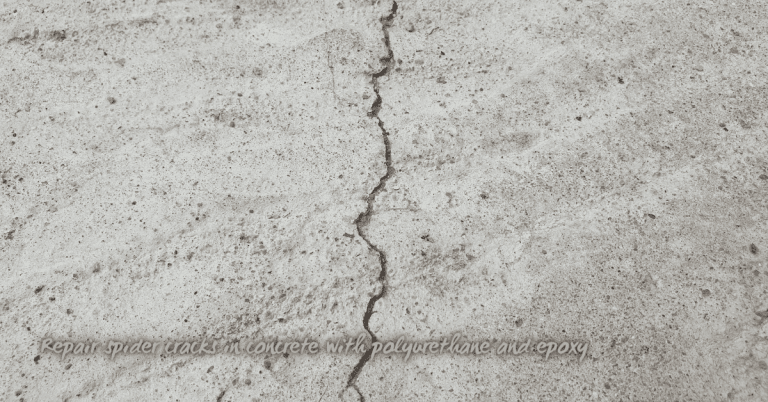
Closeup of a spider crack in concrete surface

DIY Spot Repair Workflow for Sealer and Minor Surface Damage

Begin with a clear scope: identify whether you’re dealing with minor heat staining, sealer blush, or micro-damage. Note any loose material or cracks that require a different approach. This helps tailor the repair path to the actual issue.

Prepare the surface thoroughly, degrease, and create bonding keys with light scuffing. Choose compatible patching materials and color-matching pigments to match the existing finish and sealer layer.

Assess, document, and choose the repair path

The first step is to assess the damage. Grab a flashlight and examine the affected area closely.

Document your findings with photos from different angles. This helps you track progress and ensures you’re addressing all issues.

Decide if it’s sealer-only or substrate repair needed. If the damage is only on the surface, like heat stains or sealer blush, a sealer-only repair might suffice. But if there are cracks, chips, or loose material, you’ll need to patch the substrate.

Before diving in, test your repair method on an inconspicuous area first. This way, you can ensure compatibility and avoid costly mistakes.

Repair steps for sealer-only blemishes

Start by cleaning the area thoroughly. Use a mild soap and water solution, then let it dry completely.

If needed, lightly abrade the surface with fine-grit sandpaper or a scuff pad to improve sealer adhesion. Wipe off any dust.

Apply matching sealer or topcoat using a paintbrush or foam applicator. Work in small sections at a time, blending edges as you go for an even finish.

Cure time is crucial. Follow the manufacturer’s guidelines to ensure proper curing between coats and after final application.

Repair steps for surface concrete damage

For small cracks or chips, use a color-matched microcement or epoxy filler. These are DIY-friendly and can be found at most hardware stores.

Feather the edges of the repair area using a trowel or putty knife. This ensures a smooth transition between the patch and the existing surface.

Apply the filler in thin layers, allowing each to cure according to the manufacturer’s instructions before applying the next. Use a trowel or putty knife to smooth out any excess material.

Match texture and sheen. Once cured, lightly sand the patch with fine-grit sandpaper to match the surrounding countertop’s texture. Wipe off dust and apply a compatible sealer or topcoat to match the sheen.

Back to top ↑

Tools, Materials, and Visual Checkpoints Checklist

Organize a DIY-friendly shopping list by category: Tools, Repair Materials, and Safety Gear. Include approximate quantities for a small countertop area to help plan purchases and avoid overbuying. Use the list as a quick reference during a project.

Establish stage-by-stage visual checkpoints to confirm progress, such as a clean prep surface, solid patch adhesion, and an even finish after sealing. Note heat-damage cues and quick fixes to stay aligned with safe DIY outcomes.

Essential tools and safety gear

Before you start, ensure you have the right gear to protect yourself and achieve a successful repair.

  • Soft cloths: Gentle on surfaces, won’t scratch or damage.
  • Gentle abrasives (e.g., Scotch-Brite pads): For light surface prep without causing micro-scratches.
  • Mixing tools (trowel, mixing paddle): To blend materials evenly and avoid lumps.
  • Respirator: Protects from dust and fumes. Choose a P100 filter for concrete work.
  • Nitrile gloves: Resistant to oils, chemicals, and heat up to 150°F (66°C).
  • Eye protection: Safety glasses or goggles to shield from debris and splashes.
  • Heat-resistant trivets: To protect countertops from future heat damage.
  • Ventilation (e.g., fans, open windows): Essential for proper drying and curing of materials.

Quick rule: Always prioritize safety gear. It’s your first line of defense against job-site hazards.

Recommended repair materials and what to verify on labels

Choose the right products for a lasting, safe repair.

  • Microcement or thin-set mortar: For small repairs. Check label for ‘concrete’ compatibility.
  • Epoxy fillers: For larger repairs. Ensure it’s ‘100% solids’ and ‘food-safe’.
  • Penetrating sealers (e.g., wax, oil): For natural look. Check label for ‘penetrates’ and ‘food-safe’.
  • Film-forming sealers (e.g., polyurethane, epoxy): For durability. Ensure it’s ‘food-grade’ and ‘non-toxic’.
  • Concrete-friendly filler: To fill minor cracks or chips. Check label for ‘concrete’ compatibility.
  • Pigments: For color matching. Choose ‘concrete-specific’ pigments.
  • Curing compounds (e.g., plastic sheeting): To maintain moisture during curing. Check label for ‘cures concrete’.
  • Heat-resistant caulk: For filling gaps around hot surfaces. Ensure it’s ‘heat-resistant’ and ‘concrete-compatible’.

Quick rule: Always read labels. It’s your guide to safe, compatible materials.

Visual checkpoints for a successful intervention

Inspect each stage of repair to ensure it’s done right.

  • Surface prep: Countertop should be dust-free and have a uniform sheen. Any dull spots may indicate missed areas.
  • Patch/repair: Check for proper adhesion by gently tapping the area. No bubble or peel indicates good bond.
  • Grinding/feathering: Inspect edges to ensure they’re even and blend with surrounding area. Visible edges may indicate incomplete feathering.
  • Sealing: Look for an even coat with no streaks or missed spots. Inconsistencies may lead to uneven protection.
  • Curing (after 24-48 hours): Check for any sweating or dark spots, which could indicate improper curing or moisture issues.
  • Heat-damage-specific cues: Look for lifted or scorched surfaces, transparency changes, and visible micro-cracking. These indicate heat damage that needs repair.
  • Spot tests (after sealing): Apply water to the repaired area. It should bead up and not absorb. If it does, reapply sealer.
  • Final appearance: Check for color match, texture uniformity, absence of pinholes, and even light reflection. Any inconsistencies may require touch-ups.

Quick rule: Inspect each stage. It’s the best way to catch issues early and avoid costly rework.

Back to top ↑

Common Mistakes, Troubleshooting, and When to Call a Pro

Be mindful of frequent DIY missteps, like underestimating heat tolerance or choosing incompatible sealers. Skipping curing or buffer steps after polishing can also hinder results. Always remember to use heat-resistant trivets and avoid damaging cleaners or coatings.

Develop quick troubleshooting steps for common failures, such as distinguishing surface stains from burns and testing compatibility with a small area first. Use documented indicators to decide when professional repair or replacement is warranted.

Typical DIY pitfalls to avoid

Here are some common mistakes that can turn your concrete project into a headache. Learn from others’ errors and steer clear of these pitfalls.

  • Inadequate preparation: Skimping on prep work is like building a house on sand. Ensure the surface is clean, dry, and free of any contaminants that could hinder adhesion. Refer back to our earlier section on surface preparation for details.
  • Color mismatch: Don’t assume you can just pick any color and it’ll match your existing concrete. Colors can vary greatly between batches or brands. Always test a small, inconspicuous area first before committing to the entire project.
  • Over-sanding: While sanding helps achieve a smooth finish, too much of it can remove too much material and leave your surface vulnerable to damage. Stick to light, even passes with your sander to avoid this.
  • Using non-food safe products: If your project involves areas near food prep or consumption, ensure all products used are food-safe. Non-food safe products can leach harmful chemicals into your space over time.

Double-check these points before you start. A little extra care upfront can save you a lot of trouble later on.

Troubleshooting failed repairs

So, you’ve tried fixing your concrete but it’s still not right? Here are some issues you might be facing and how to tackle them.

Delamination: This happens when the new layer isn’t sticking to the old one. Check if your surface was clean and dry before applying the new layer. If not, you’ll need to grind off the loose material and start again.

Visible seams: These happen when the new concrete doesn’t blend well with the old. Make sure you’re using the same mix as your original concrete. If you can’t match it exactly, consider a partial resurfacing job instead of trying to fix the whole thing.

Mismatch in sheen: This is usually due to different curing times or using a new batch of concrete that’s slightly different from the old one. If it’s only a small area, you might be able to live with it. But if it’s noticeable, you’ll likely need to redo the whole job.

When to hire a professional and expected services

DIY is great, but there are times when it’s best to call in the pros. Here are some scenarios:

Deep cracking: If cracks are more than 1/4″ wide or go deep into the slab, they might indicate structural issues. Don’t DIY, call a pro.

Large-area thermal shock: Big temperature changes can cause concrete to crack over large areas. This needs professional assessment and repair.

Structural seam issues: If seams are cracking or separating, it could be a sign of structural problems. Don’t guess, get a pro’s opinion.

When you call a pro, expect services like:

Grinding: To level surfaces and prepare for repair.

Repouring: Replacing damaged concrete with new mix.

Full refinishing: If the damage is extensive, pros might need to remove and replace entire sections.

Back to top ↑

Long-Term Maintenance Plan and Cost-Benefit Considerations

Adopt a simple maintenance rhythm that fits daily use and seasonal checks. A steady plan helps prevent major revamps and keeps options open for timely resealing. Treat maintenance as a routine part of countertop care rather than a one-off task.

Track sealing, cleaners, and minor repairs over time to weigh long-term costs. Compare these ongoing costs with the potential expense of full replacement to understand the financial impact of proactive care.

Sample maintenance timeline and checkpoints

Use this checklist to keep your concrete countertops looking great and functioning well long term.

  • Daily: Wipe down surfaces with a damp cloth after each use to remove spills and crumbs. Neglecting this can lead to staining and etching.
  • Weekly: Inspect for heat stress marks, micro cracks, or dull spots. Early detection helps prevent minor issues from becoming major ones.
  • Monthly: Perform a thorough visual inspection. Check for signs of wear, damage, or discoloration. Ignoring these can accelerate countertop degradation.
  • Quarterly: Deep clean the countertops using an approved cleaner to remove any built-up grime or residue. Skipping this can lead to stubborn stains and reduced sealer effectiveness.
  • Annually: Reapply sealant according to manufacturer’s instructions. This protects against moisture, heat, and other elements that can damage the countertop over time.
  • Every 2-3 years: Inspect grout lines for cracks or discoloration. Addressing these promptly prevents water intrusion and further damage.

Quick rule: Regular, consistent care is key to extending the life of your concrete countertops.

Budgeting maintenance versus replacement

Maintaining your concrete countertops can be more cost-effective than replacing them, but it depends on several factors. Here’s what to consider:

The frequency of resealing and the complexity of repairs play a significant role in determining whether maintenance is cheaper than replacement. Older countertops may require more frequent resealing and have more complex repair needs.

Compare quotes for repairs with estimates for full replacement. If the cost of repairs approaches 50% of the replacement cost, it might be time to consider replacing your countertops.

Quick tip: Keep records of all maintenance work and costs. This can help you make informed decisions about future upkeep or replacement.

Environmental and safety benefits of routine upkeep

Maintaining your concrete countertops isn’t just good for your wallet, it’s also good for the environment and your family’s health.

Regular cleaning reduces the need for harsh chemicals. Harsh cleaners can damage the countertop surface and may release harmful fumes into the air.

Routine maintenance also helps prevent the growth of mold and bacteria, keeping your countertops safe for food preparation. Neglecting this can lead to cross-contamination and foodborne illnesses.

Quick tip: Always use approved cleaners and follow manufacturer’s instructions to ensure you’re not damaging your countertops or exposing yourself to harmful chemicals.

Back to top ↑

Conclusion

You can protect the look and life of your concrete countertop by sticking to practical steps, testing first, and acting with purpose. Safety and durability come from small, repeatable habits that prevent heat damage and costly fixes down the road.

Check in a simple, natural order: assess any recent heat exposure, review your current sealer and maintenance schedule, confirm you have the right trivets and coasters, and then do any spot repairs on a clean, small area before wider use. Start with a light cleaning, inspect the surface, verify the sealer is still intact, perform a controlled spot repair if needed, and recheck after drying. Always document what you did and what you observed on a small area before scaling up.

Common mistakes to avoid are using harsh cleaners or abrasive pads on a fresh or suspect sealer, placing hot items directly on the counter, and skipping a test patch before a larger repair. Always test in a small area first, follow the sealer’s maintenance intervals, and use trivets or coasters consistently. If heat damage or sealer failure is persistent, or the surface shows deep cracks or dulling across a large area, call a pro instead of pushing ahead with guesswork.

With a clear plan, you’ll keep the surface safer, easier to maintain, and looking good for years to come. Keep the maintenance routine simple, stay vigilant with heat sources, and move forward one careful step at a time.

Back to top ↑

FAQ

What heat-resistant options should I use with concrete countertops?

Choose solid, purpose-made trivets or heat pads. Look for labels that specify heat tolerance and verify that they won’t stain or scratch your countertop. Check the manufacturer instructions for any use limits and avoid placing hot pots directly on bare concrete.

Which sealers work best to protect against heat damage on new or existing surfaces?

Use a sealer designed for concrete countertops and heat resistance. Read the product label for heat-related guidance and maintenance intervals. If in doubt, compare options on the manufacturer’s site or ask for advice from the retailer, then follow their prep and cure steps exactly.

How should I inspect and maintain seals over time?

Grab a light and look for dulling, ambering, or tiny cracks. Run your finger over the surface to feel for rough spots. Schedule visual checks regularly and re-seal when you notice wear, following the product instructions for cleaning before reapplication.

What are practical spot-repair options for heat or surface damage?

For small damaged areas, clean the spot, re-etch if required by the sealer, and reapply the same sealer type. If the damage is larger or you aren’t sure about the resin match, stop and check the manufacturer guidance or local pros before proceeding. Always test a small area first.

Back to top ↑

More about this topic