Concrete

Concrete is where I keep my step-by-step guides for planning, pouring, and finishing concrete projects.

Topics include base prep, forms, reinforcement, thickness, mixing and placing, finishing, curing, sealing, and long-term durability. I also cover troubleshooting—what to do when concrete cracks, scales, dusts, or cures unevenly.

If you’re new to concrete, start with the planning and prep articles. They prevent most of the expensive mistakes.

Stack of precast concrete beams covered with snow

Air-entrained concrete for driveways and steps: real freeze–thaw failures and how to avoid them

Introduction Air-entrained concrete is a mix that includes tiny air bubbles to improve resistance to freeze–thaw damage. For driveways and steps, this type of concrete helps reduce cracking when the surface repeatedly freezes and thaws. To avoid real freeze–thaw failures, follow the manufacturer’s guidance on mix options and ensure proper placement and curing. Check labels […]

Air-entrained concrete for driveways and steps: real freeze–thaw failures and how to avoid them Read More »

Person using power trowel on fresh concrete slab

Crazing and hairline map cracks in concrete: over-finishing clues and how to keep it subtle

Introduction Crazing and hairline map cracks are fine surface fractures that develop on concrete as it dries and cures. They often appear as delicate networks across countertops or floors and can be challenging to hide with finishing alone. Understanding why they form helps you decide when a subtle finish is appropriate and when to address

Crazing and hairline map cracks in concrete: over-finishing clues and how to keep it subtle Read More »

Person measuring concrete slab consistency with rod

DIY concrete slump control: consistent water measurement and batch-to-batch matching

Introduction Slump control is the practical effort to keep concrete consistency by watching how much water is added and how the mix behaves as it sets. In DIY terms, it means measuring water carefully and watching the mix feel and settle so each batch pours the same way. This article stays focused on simple, hands‑on

DIY concrete slump control: consistent water measurement and batch-to-batch matching Read More »

Concrete beams and columns supporting a bridge structure

Honeycombing in small concrete walls: fixable vs structural and when to call an engineer

Introduction Honeycombing in small concrete walls is the presence of voids and pockets on the surface caused by gaps in placement and poor compaction. It looks like a honeycomb texture and can affect the finish and durability. This article explains what it is, what causes it, and how to tell if it is minor or

Honeycombing in small concrete walls: fixable vs structural and when to call an engineer Read More »

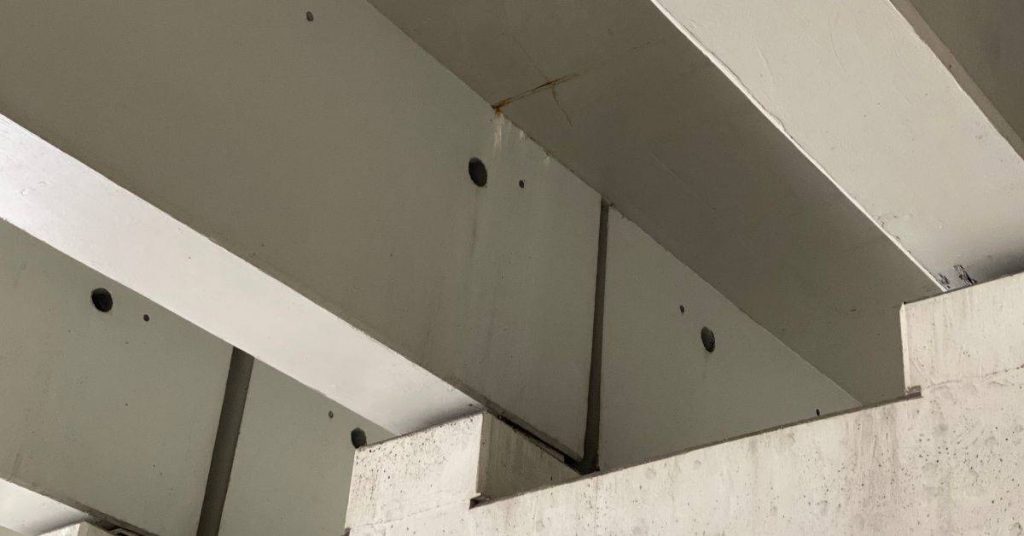
Concrete beam to column connection with visible dark stains

Form oil and release agents for concrete: the types that stain and how to avoid fish-eyes

Introduction Form oils and release agents are substances applied to formwork to prevent concrete from sticking and to aid removal. Different types exist, including simple mineral oil-based products and water-based releases. Choose the type based on finish goals and compatibility with the form materials and concrete. Some agents can stain the surface if residues remain

Form oil and release agents for concrete: the types that stain and how to avoid fish-eyes Read More »

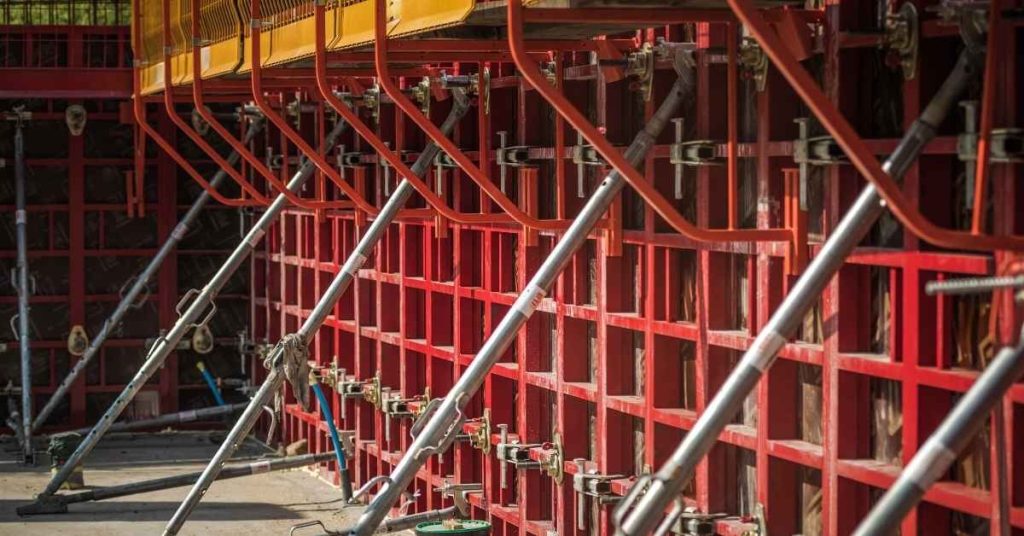
Red metal concrete formwork with angled braces and yellow safety rails

Concrete formwork bulge and bow: brace spacing and quick checks before the truck shows up

Introduction Concrete formwork bulge and bow means the framed plywood or panels are deforming under pressure, creating outward or inward unevenness. Check that brace spacing is appropriate and perform quick, in‑place checks before the truck arrives to hold the form firmly. If you see obvious bow, slack in braces, or loose sheathing, pause and reassess

Concrete formwork bulge and bow: brace spacing and quick checks before the truck shows up Read More »

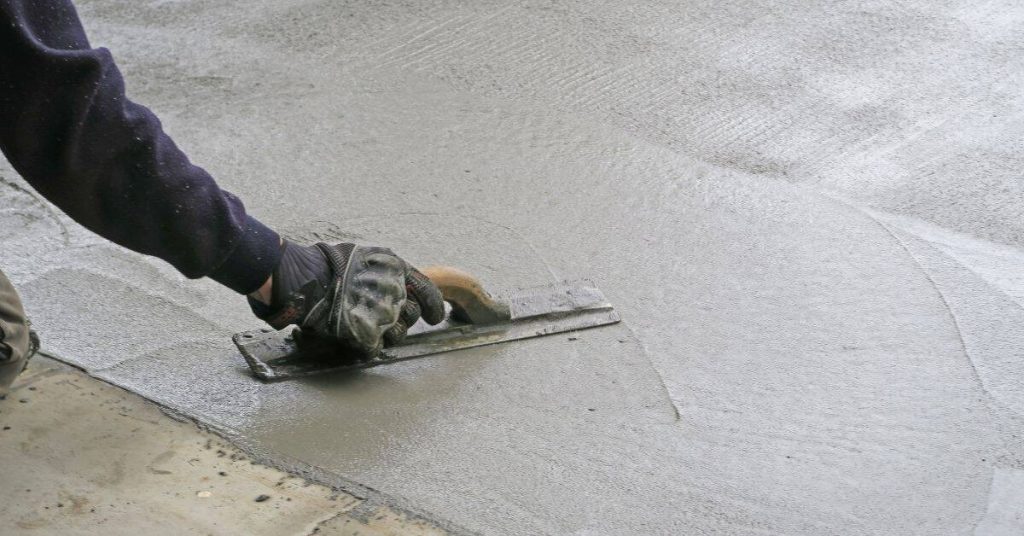
Worker smoothing fresh concrete slab with trowel

Laitance on fresh concrete pours: quick tests and the right removal method before coatings

Introduction Laitance is the thin, weak film of cement and fine particles that rises to the surface of freshly poured concrete. It forms when fines and moisture push to the top, leaving a smooth but poor bonding layer. Quick checks include a light skim with a dull tool or a damp wipe to feel for

Laitance on fresh concrete pours: quick tests and the right removal method before coatings Read More »

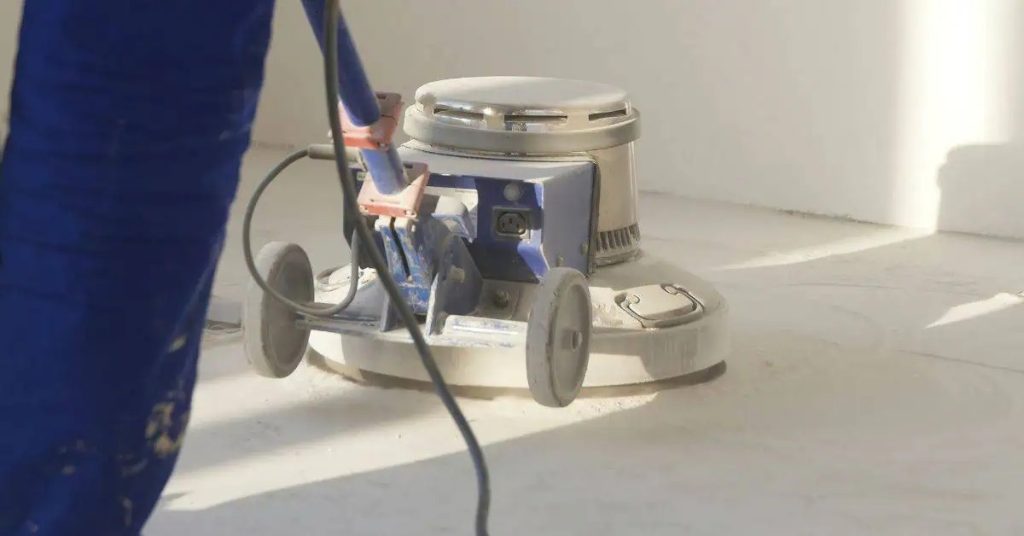
Concrete floor polishing machine on smooth concrete surface

Bonding new concrete to old work: scarify vs grind vs acid (and why acid often disappoints)

Introduction Scarify, grind, and acid are surface-prep methods used to promote bonding between new concrete and old work. Choosing the right method depends on the old surface condition and the project, and acid often disappoints if not applied carefully. This article explains practical choices in plain language and what to expect when you prep for

Bonding new concrete to old work: scarify vs grind vs acid (and why acid often disappoints) Read More »

Unfinished multi-story concrete building structure outdoors

Self-leveling overlays on concrete: dams, primers, and stopping pinholes and ripples

Introduction Self-leveling overlays are pourable surface toppings designed to flow into low spots and produce a flat, smooth concrete surface. They rely on proper surface preparation, containment dams at edges, and primer or bond agents to promote adhesion. Always follow the material manufacturer’s instructions for mixing, compatibility with the concrete, and cure requirements. Before you

Self-leveling overlays on concrete: dams, primers, and stopping pinholes and ripples Read More »

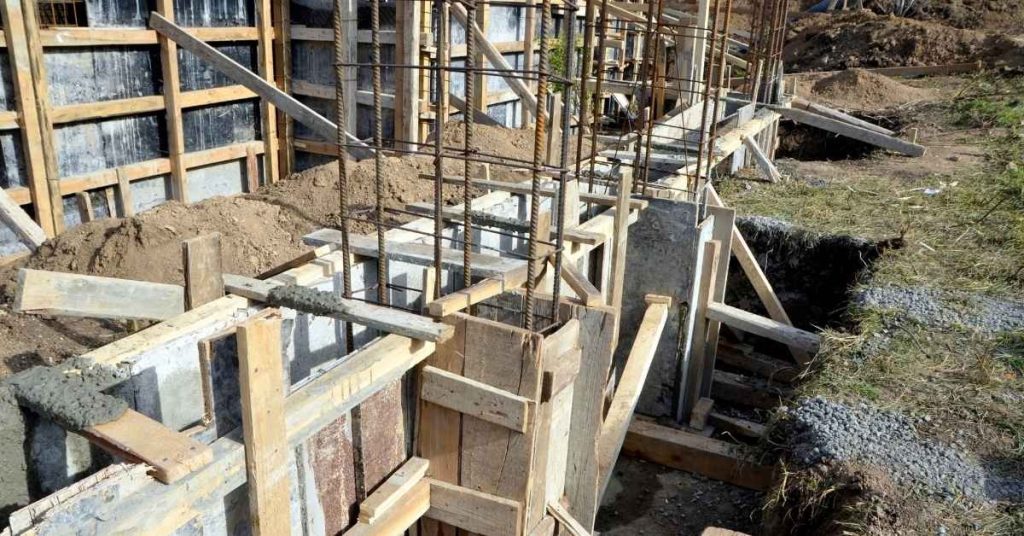
Concrete foundation formwork with exposed rebar and soil

Feather finish vs polymer patch on concrete: choosing a repair that won’t pop off in winter

Introduction Cement Skim Coat vs Polymer Patch for Winter Repairs Feather finish is a thin cement skim coat, ideal for smoothing surfaces. A polymer patch, on the other hand, is a patching compound used to fill small defects. This guide compares their winter performance and provides practical DIY repair steps. Assess damage extent, substrate condition,

Feather finish vs polymer patch on concrete: choosing a repair that won’t pop off in winter Read More »