Concrete

Concrete is where I keep my step-by-step guides for planning, pouring, and finishing concrete projects.

Topics include base prep, forms, reinforcement, thickness, mixing and placing, finishing, curing, sealing, and long-term durability. I also cover troubleshooting—what to do when concrete cracks, scales, dusts, or cures unevenly.

If you’re new to concrete, start with the planning and prep articles. They prevent most of the expensive mistakes.

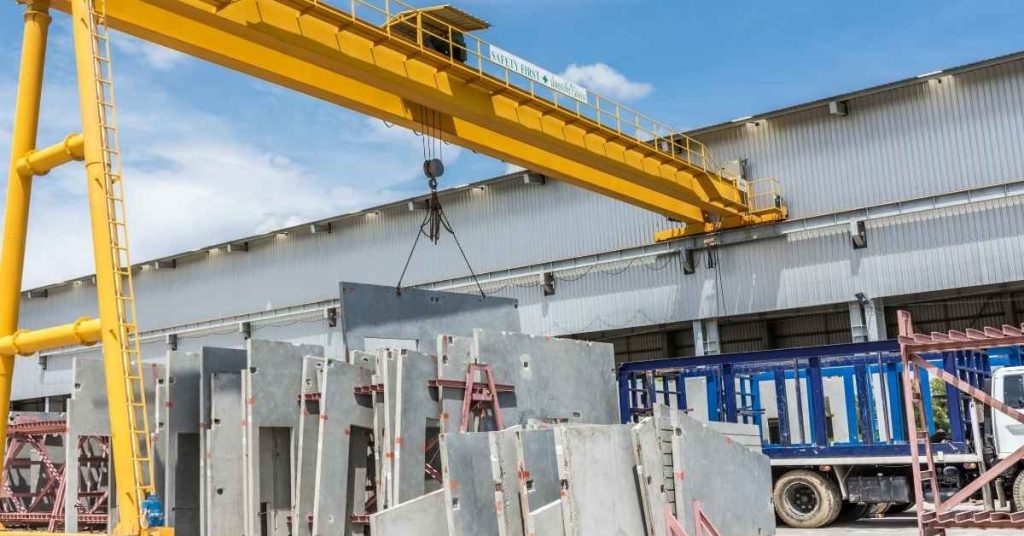
Yellow crane lifting precast concrete panels outdoors

Concrete Around Pools: Slip Resistance, Heat, and Barefoot Comfort

Introduction Concrete around pools should be slip resistant, cool underfoot, and comfortable for barefoot use. This article explains, in plain language, how those goals show up on a pool deck and what you can practically look for. In practice, you’ll want textures and finishes that grip when wet and feel pleasant in hot sun. Check […]

Concrete Around Pools: Slip Resistance, Heat, and Barefoot Comfort Read More »
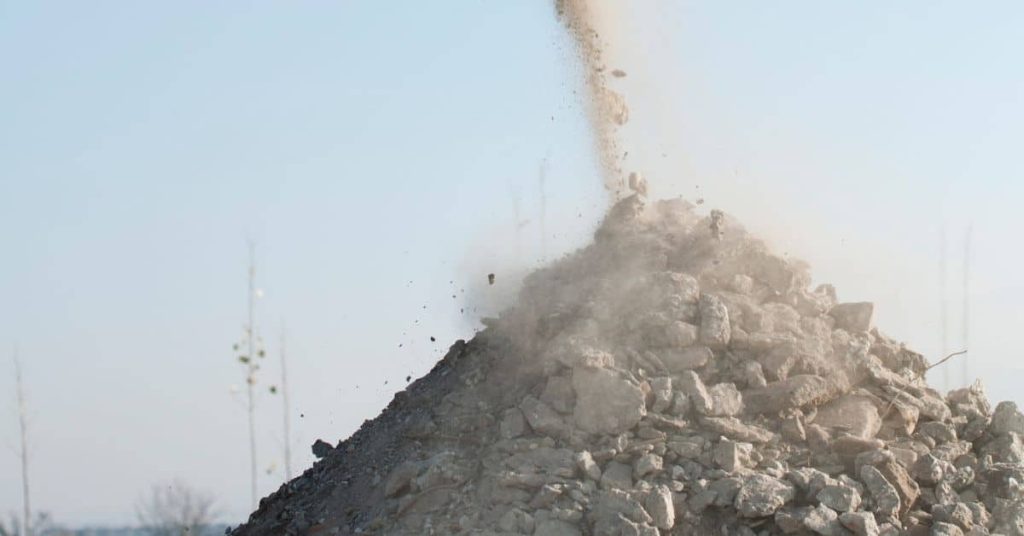
pile of crushed concrete pieces outdoors under clear sky

Concrete Patios for Small Yards: Layout Tricks That Make Space Feel Bigger

Introduction Concrete patios for small yards create usable outdoor space with simple, efficient layouts. Plan with clear sight lines and keeping paths wide enough for movement, then choose a compact, rectangular or L-shaped shape. Stick to practical steps you can do in stages and check local guidelines for setbacks and drainage. To make the space

Concrete Patios for Small Yards: Layout Tricks That Make Space Feel Bigger Read More »

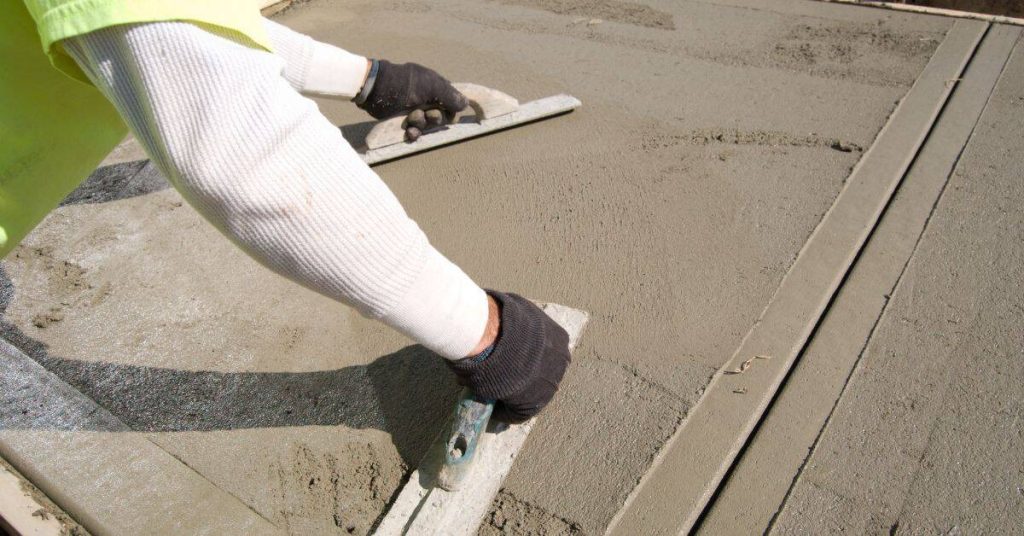
Closeup of freshly poured concrete surface with smooth texture

Backyard Sports Courts in Concrete: Slope, Joints, and Surface Options

Introduction A backyard concrete sports court is a flat, durable surface designed for recreational games. Getting the slope, joints, and surface texture right matters for playability and longevity. This intro covers practical choices and what to check during construction, from drainage to curing. Plan for a vapor barrier where moisture could affect the slab over

Backyard Sports Courts in Concrete: Slope, Joints, and Surface Options Read More »

white concrete pump boom arm over metal railing of landing

Rebuilding Old Concrete Landings: When to Overlay and When to Start Over

Introduction Overlaying is applying a new concrete surface on top of an existing landing when the slab is solid and the structure is sound. Start over when there are extensive cracks, hollow spots, or signs of movement that would undermine a new layer. Assessing condition is the first step before choosing overlay or replacement. Evaluate

Rebuilding Old Concrete Landings: When to Overlay and When to Start Over Read More »

Smooth concrete driveway slab with visible expansion joints

Concrete Driveway Thickness Choices: Matching Load, Soil, and Budget

Introduction Concrete driveway thickness is the minimum concrete depth chosen to support expected loads safely. In practice, you balance what you plan to drive over it, the soil under it, and your budget. This approach keeps the project practical and within what your site can handle and your wallet can cover. Standard thickness recommendations vary

Concrete Driveway Thickness Choices: Matching Load, Soil, and Budget Read More »

Wooden concrete forms with rebar for foundation footing

Concrete Footing Options for Decks and Sheds: Tubes, Pads, and Pier Blocks Compared

Introduction Concrete footings for decks and sheds come in three common forms: tubes, pads, and pier blocks. These options provide a stable base that transfers load to the ground and can be installed with basic tools. Choose between them based on the project size, soil, and local requirements. Each option has its own installation steps,

Concrete Footing Options for Decks and Sheds: Tubes, Pads, and Pier Blocks Compared Read More »

Worker pouring concrete over rebar on construction site

Planning Concrete Pours Around Weather: Simple Rules for Weekend Builders

Introduction Planning concrete pours around weather means scheduling and preparing to pour concrete when conditions are favorable and safe. This article helps weekend builders anticipate rain, wind, and cold, and plan work days accordingly. It keeps the job simple and avoids costly delays. Cold weather can slow setting and affect strength, so plan around forecasts

Planning Concrete Pours Around Weather: Simple Rules for Weekend Builders Read More »