Concrete

Concrete is where I keep my step-by-step guides for planning, pouring, and finishing concrete projects.

Topics include base prep, forms, reinforcement, thickness, mixing and placing, finishing, curing, sealing, and long-term durability. I also cover troubleshooting—what to do when concrete cracks, scales, dusts, or cures unevenly.

If you’re new to concrete, start with the planning and prep articles. They prevent most of the expensive mistakes.

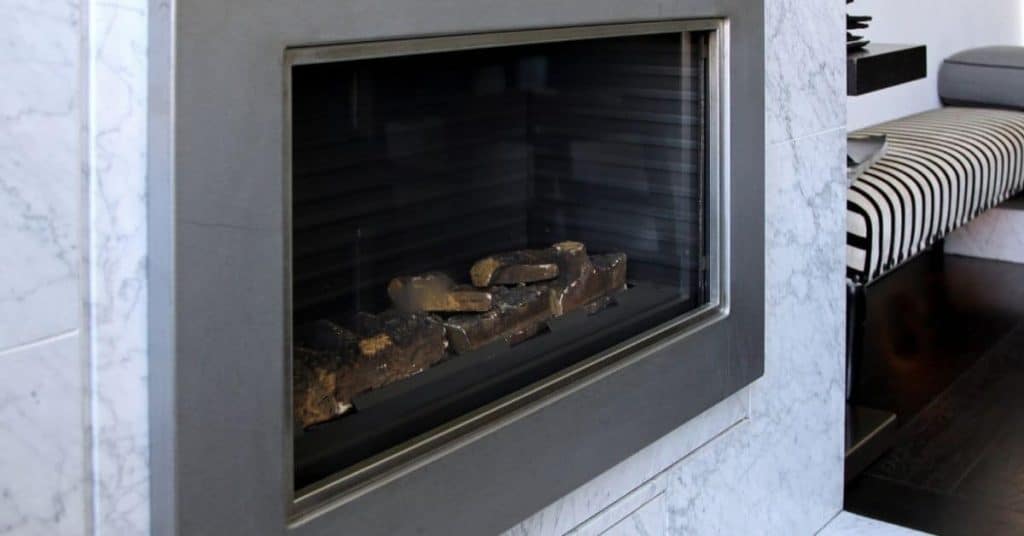
Modern gas fireplace with marble surround and striped bench nearby

Concrete Fireplace Surrounds: Heat Cycling, Crack Control, and Safe Clear-Coat Options

Introduction Concrete fireplace surrounds are finished concrete frames around a fireplace that can handle heat cycling with proper care. They need attention to how heat shifts and ages the surface, especially where the surround meets the hearth and mantel. The goal is a durable, even finish that resists cracking and looks good for years. Crack […]

Concrete Fireplace Surrounds: Heat Cycling, Crack Control, and Safe Clear-Coat Options Read More »

Close-up of exposed aggregate concrete pool edge with water

Concrete Furniture Outdoors: Mix Tweaks and Detailing to Avoid Edge Spalls and Staining

Introduction Concrete furniture outdoors is solid, weather-ready seating and tabletops cast from concrete that you use outside. Tweaks to the mix and detailing at the edges help prevent edge spalls and reduce staining over time. This article keeps things practical, focusing on what to check in your mix, forms, and finishes before you pour. Maintenance

Concrete Furniture Outdoors: Mix Tweaks and Detailing to Avoid Edge Spalls and Staining Read More »

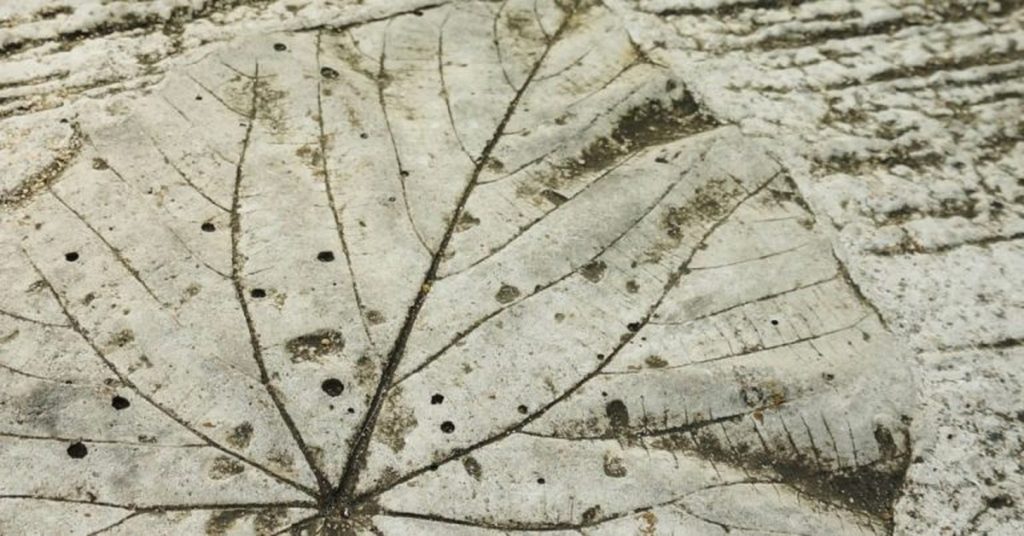
Leaf imprint pressed into wet concrete surface

Concrete Planters With Integral Pigments: Avoiding Efflorescence and Blotchy Color

Introduction Concrete planters with integral pigments are planters cast with color mixed into the concrete so the color runs through the entire piece. This helps avoid uneven surface staining and blotchy color when the planter ages or dries. Focus on practical steps like choosing a pigment with good lightfastness, checking drainage and ventilation, and protecting

Concrete Planters With Integral Pigments: Avoiding Efflorescence and Blotchy Color Read More »

Wooden form with rebar grid on concrete and dirt surface

Board-Formed Patch Blending: How to Hide Repairs Inside an ‘Intentional’ Texture

Introduction Board-formed patch blending is a technique for concealing repairs by matching a surface texture to look like the surrounding board pattern. It works by shaping filler and using tools to mimic the grain and lines of the wood. This keeps repairs discreet in an intentionally textured wall or paneling. In practice, you start by

Board-Formed Patch Blending: How to Hide Repairs Inside an ‘Intentional’ Texture Read More »

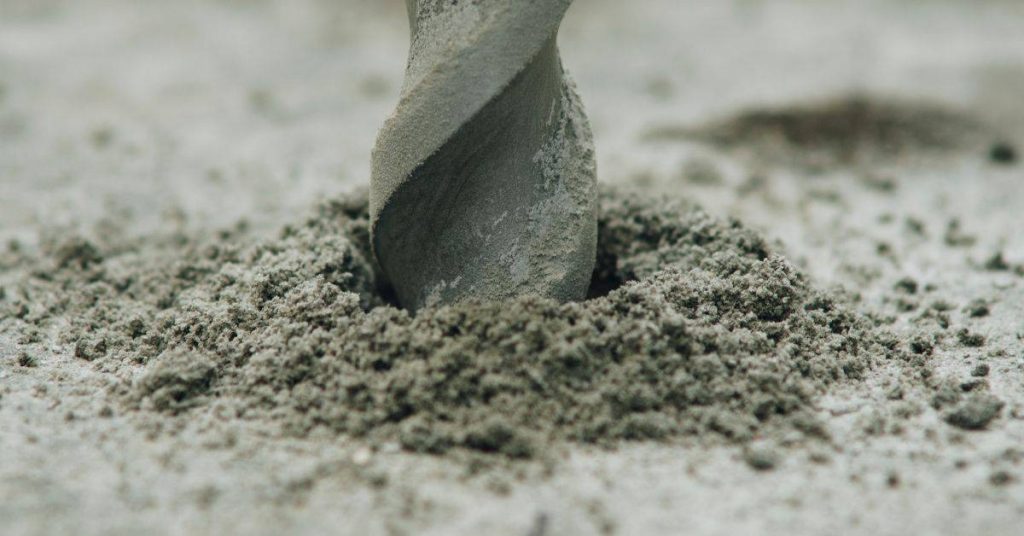
Concrete drill bit drilling into concrete with dust around

Bush-Hammered Concrete Finish: Tools, Dust Control, and Where It Makes Sense

Introduction Bush-hammered concrete finish is a textured surface created by striking the concrete with bush-hammer tools to expose the aggregate and create a rough, irregular pattern. This guide helps you think through what tools work, how to control dust, and where the finish makes sense in a DIY project. You’ll find practical notes on safety

Bush-Hammered Concrete Finish: Tools, Dust Control, and Where It Makes Sense Read More »

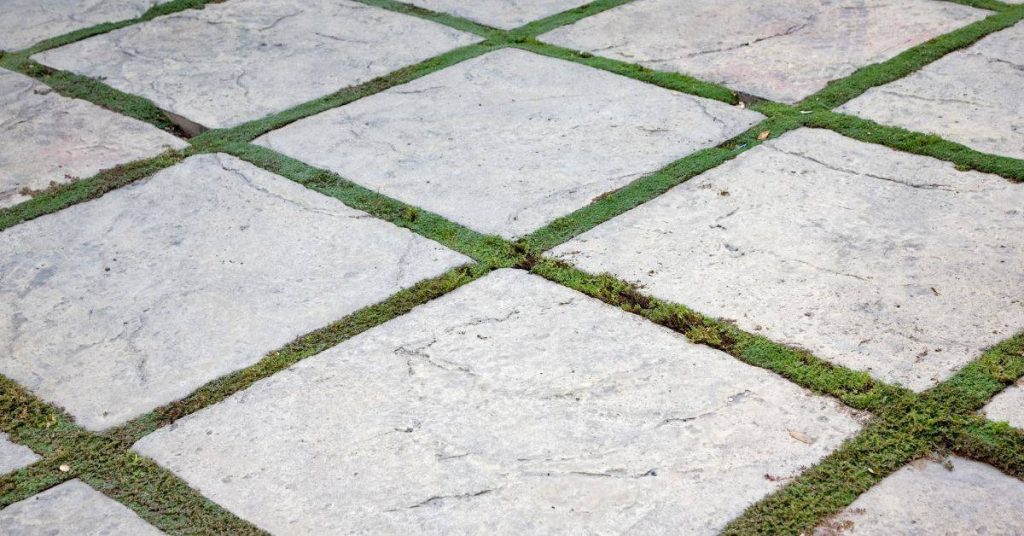
Square stone pavers with green moss in the joints

Sandblasted Finishes: Uniformity Tricks and How to Avoid Shadowing Around Joints

Introduction Sandblasted finishes are a textured surface created by blasting marble with abrasive media to reveal the stone’s grain. The result is a matte, slip-resistant look that hides tiny flaws and can add character to a space. As a DIY project, it’s important to understand that consistency comes from planning, the right media, and steady

Sandblasted Finishes: Uniformity Tricks and How to Avoid Shadowing Around Joints Read More »

Close up of a smooth brown hardboard surface

Acid Etching for Decorative Texture: When It Works and When It Just Exposes Laitance

Introduction Acid etching is the process of using acid to roughen concrete surfaces to create texture. When it works, it roughens the surface enough for coatings to grab; when not, it can just expose laitance. Check the surface and follow label instructions before starting. Common applications include decorative textures in low-traffic areas where a mechanical

Acid Etching for Decorative Texture: When It Works and When It Just Exposes Laitance Read More »

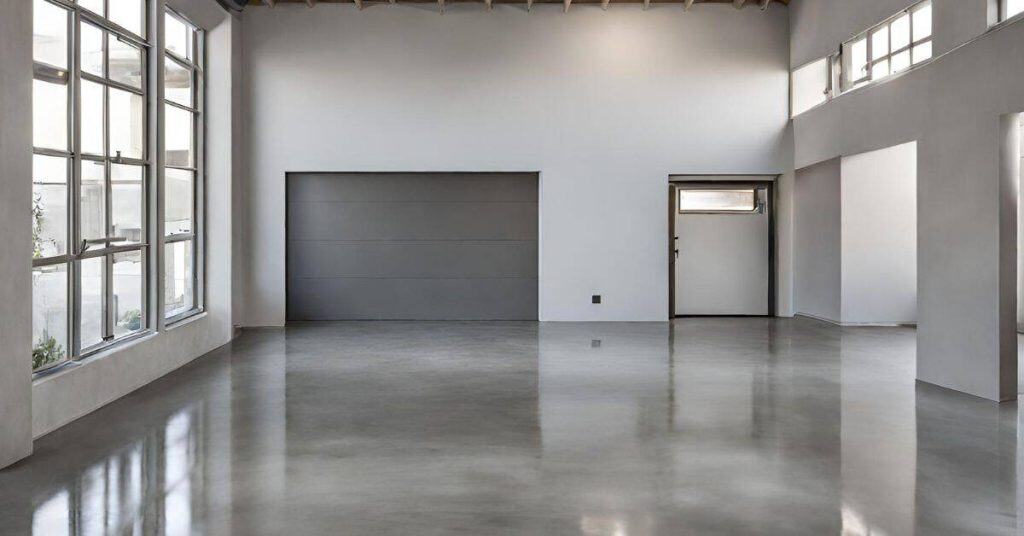
Empty room with polished concrete floor and large windows

Using Sacrificial Wax Systems on Polished Concrete: Maintenance Schedule That Doesn’t Turn Dull

Introduction A sacrificial wax system on polished concrete is a protective layer you apply to guard the surface and keep the shine. As you wear and spill on the floor, you refresh the wax rather than grind the surface again. Approach this like a practical DIY job: work in small areas, follow the product instructions,

Using Sacrificial Wax Systems on Polished Concrete: Maintenance Schedule That Doesn’t Turn Dull Read More »

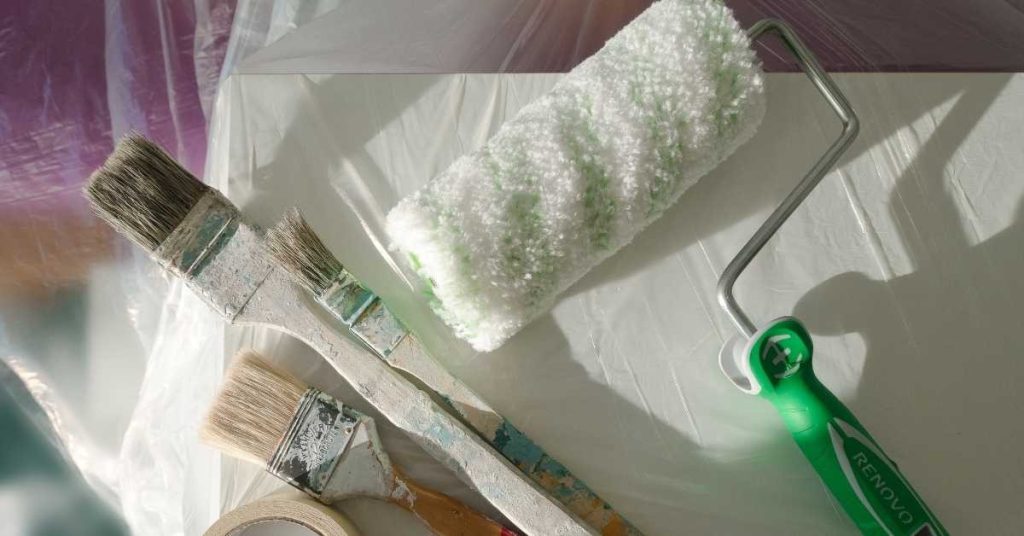
Three paintbrushes and a paint roller on a plastic sheet

Anti-Graffiti Coatings on Masonry and Concrete: Sacrificial vs Permanent Systems

Introduction Anti-graffiti coatings are protective barriers for masonry and concrete that simplify graffiti removal. Sacrificial coatings are designed to be removed along with graffiti and re-applied, while permanent systems stay on the surface and resist staining. Both aim to simplify cleanup and reduce damage, but choose based on maintenance tolerance and environment. Application methods vary

Anti-Graffiti Coatings on Masonry and Concrete: Sacrificial vs Permanent Systems Read More »

Close-up of a grey concrete wall surface

Concrete Color Samples That Predict Reality: Mockups, Curing Conditions, and Sealer Effects

Introduction Concrete color samples that predict reality are mockups used to forecast how a finished mix will look under curing and sealing. As a hands-on DIY, you compare small, controlled slabs with different curing conditions and sealers to see how color holds up. Always check product labels and manufacturer instructions, and follow local rules for

Concrete Color Samples That Predict Reality: Mockups, Curing Conditions, and Sealer Effects Read More »