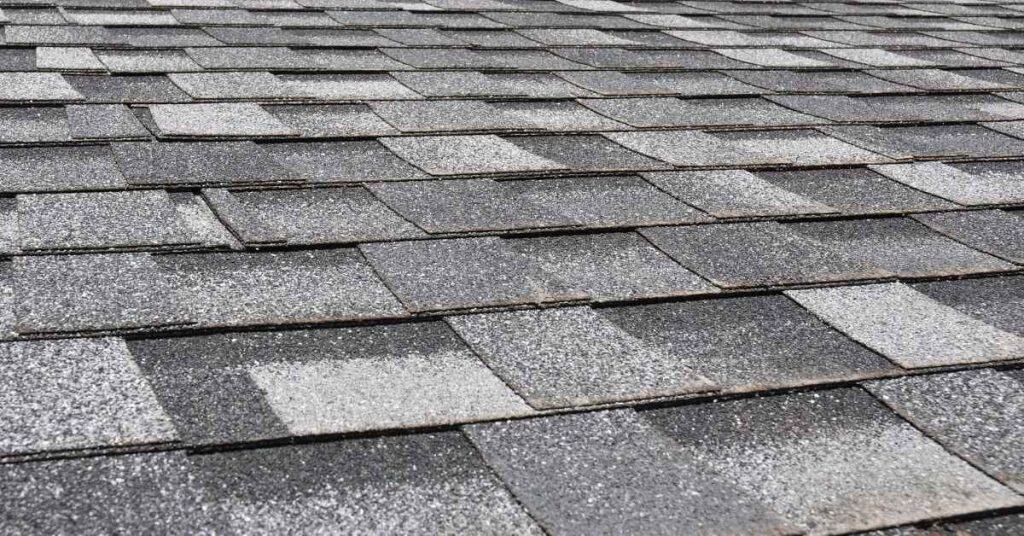
Close up of gray asphalt shingle roof texture

Can You Do a Metal Roof and Asphalt Shingle Roof Combination – Causes, Tests & Fixes

Introduction

Yes, you can mix metal and asphalt shingle roofing, but it requires careful planning and sound transitions. Start by checking the roof structure and deciding where each material will run. Make sure you follow manufacturer guidance and local rules for flashing and edge details.

Common causes of issues include poor flashing, mismatched expansion, and improper fasteners. Do simple checks for water intrusion along seams and flashing after rain. Fixes include resealing seams, installing compatible flashing, trimming where needed, and following any manufacturer or local guidance for installation and ventilation.

Key takeaways

  • Assess suitability of existing roof structure and ventilation before mixing materials carefully.
  • Coordinate flashing transitions to maintain weatherproof seam between metals and shingles assemblies.
  • Choose compatible fasteners and coatings per manufacturer instructions and local rules exactly.
  • Schedule inspections after major weather events and after final installation for safety.
  • Use proper safety gear and ladder practices to prevent injuries.
  • Plan for roof edge and parapet detailing to avoid leaks.
Table of Contents

Overview: Is a Mixed Metal-and-Asphalt Roof Feasible?

A mixed metal and asphalt roof combines two different materials on one structure. It’s commonly used for repairs, additions, or design accents where a homeowner wants both metal longevity and asphalt affordability. Feasibility depends on roof geometry, local code, and the installer’s experience.

We’ll outline the basic concept, plus the advantages and drawbacks to consider before starting. Check with the label or manufacturer instructions, and verify with local rules if you’re unsure about compatibility.

Typical scenarios where combinations occur

Homeowners often mix metal and asphalt shingles for practical reasons. Here are a few common situations:

Partial Replacements: If your roof has localized damage, you might replace just those sections with metal, which is more durable.

Dormers, Porches, or Additions: When adding onto your home, you may choose to use a different material for the new section. This could be due to cost, aesthetics, or simply because it’s what was used originally.

Aesthetic Mixes: Some homeowners like the look of combining materials. For instance, they might use metal on the main body of the roof and asphalt on dormers or porches.

Building code and warranty considerations

Before you mix materials, there are a few important things to consider:

Local Building Codes: Check with your local building department. They can tell you if mixing materials is allowed in your area.

Fire Ratings: Metal roofs often have better fire ratings than asphalt shingles. This could be a factor, especially in areas prone to wildfires.

Warranties: Be aware that mixing materials might void warranties from both manufacturers. Always check the fine print before proceeding.

Back to top ↑

Causes of Problems When Combining Metal and Asphalt Roofs

Leaks can occur where materials meet if transitions aren’t detailing properly. Galvanic corrosion is a potential risk at dissimilar metal interfaces. Thermal movement can create gaps that let water in if expansion and contraction aren’t accounted for.

Water shedding conflicts and ventilation mismatches often show up as poor drying or staining at the seam. For best results, refer to product data sheets and installation guidelines to confirm compatibility.

Water flow and flashing conflicts

Asphalt shingles and metal roofs shed water differently. Shingles rely on overlapping tabs to direct water, while metals use large panels with drip edges. This difference can lead to leaks at transitions, valleys, and penetrations if not flashed properly.

Improper flashing allows water to seep behind the roofing material, causing damage to the underlayment, decking, and even the interior of your home. Always use high-quality flashing and ensure it’s installed correctly to prevent these issues.

Key areas to focus on: valleys where two different materials meet, transitions from one material to another, and around roof penetrations like chimneys, vents, and skylights.

Thermal expansion and attachment incompatibilities

Metal roofs expand and contract with temperature changes. Asphalt shingles, however, are less flexible and can’t accommodate this movement as well. This mismatch can cause stress on fasteners, leading to pull-through or separation at connections.

To mitigate this issue, use expansion joints in metal panels where they meet asphalt shingles. Also, ensure that all fasteners are properly secured and can move with the metal without putting excessive strain on the connection points.

Remember: Over-tightening fasteners can cause more harm than good. They should be snug but not overly tightened to allow for thermal movement.

Corrosion and chemical incompatibility

Galvanic corrosion occurs when two dissimilar metals are in contact with each other, especially in the presence of an electrolyte like water. This can happen at transitions between metal roofs and asphalt shingles if not properly isolated.

Additionally, asphalt sealants used on shingles can degrade metal coatings over time, leading to rust and corrosion. To prevent this, ensure that all metal-to-metal contacts are properly insulated, and keep asphalt products away from metal surfaces as much as possible.

Consider using: flashing designed specifically for transitions between metal and asphalt roofs to help prevent these issues.

Back to top ↑

Design and Planning: Preventing Issues Before Installation

Start with a clear plan for slope compatibility and transition layouts. Consider how airflow and venting will behave across both materials. Choose materials and coatings with compatible performance when they meet.

Outline a pre-install checklist that includes manufacturer instructions and local code requirements. When in doubt, verify specifics with the product label, installation guide, or code official.

Transition location and slope strategy

The transition between metal and asphalt roofing should be planned carefully to prevent water intrusion. The ideal locations for transitions are along ridges, hips, or in low-traffic areas.

Metal roofs require a minimum slope of 3:12 to ensure proper water runoff. Asphalt shingles can work on slopes as low as 4:12, but steeper slopes improve their performance and longevity.

Never install metal roofing below asphalt; this creates a dam that traps water and causes leaks. Always transition from metal to asphalt or vice versa at the same level.

Ventilation, insulation, and attic considerations

Proper attic ventilation is crucial when combining metal and asphalt roofs. It helps prevent condensation that can damage both materials and reduce their lifespan.

Metal roofs reflect heat, while asphalt absorbs it. This difference in thermal performance can lead to temperature fluctuations in the attic. Adequate insulation helps mitigate this issue by maintaining a consistent attic temperature.

Install a balanced ventilation system with equal intake and exhaust vents. This ensures proper airflow and prevents moisture buildup. Consider using low-profile ridge vents for metal roofs to maintain their aesthetic appeal.

Choosing compatible materials and finishes

The right material choices can make or break a combined metal and asphalt roof. Incompatible materials can lead to corrosion, cracking, and poor performance.

  • Metal Type: Galvanized steel and aluminum are good choices for combination roofs due to their resistance to corrosion. Avoid copper as it can stain asphalt shingles.
  • Coatings: Look for metal coatings with a warranty that matches or exceeds the lifespan of your asphalt shingles. This ensures both materials age at a similar rate.
  • Shingle Class: Choose high-quality, heavy-duty asphalt shingles designed to withstand the elements and complement your metal roof.
  • Avoid: Unpainted metal or metal with incompatible coatings. These can corrode when exposed to moisture from asphalt shingles.
  • Consider: Using metal roofing that mimics the appearance of asphalt shingles for a more cohesive look at the transition point.

Back to top ↑

Flashing and Detailing: Critical Connection Techniques

Use step flashing where metal meets asphalt to direct water away from the seam. Install continuous edge metal to cap the transition and protect exposed edges. Ensure underlayment overlaps are maintained across both materials for a continuous barrier.

Detail transitions with adequate adhesion and proper fastener usage as outlined by the manufacturer. Always consult the installation instructions for exact flashing methods and limit states.

Proper Underlayment Sequencing

The key to a watertight transition is proper underlayment installation. Start with a base layer of 15 lb felt or synthetic underlayment, lapping up the slope towards the metal roof.

Next, install your ice and water shield in the valleys and around penetrations on both sides of the transition. This provides an extra barrier against water intrusion.

Finally, lay your second layer of 15 lb felt or synthetic underlayment, ensuring it laps over the first layer and the ice and water shield. The lap direction should be up the slope to ensure water flows over the laps rather than underneath them.

Fastening and Attachment Best Practices

Use corrosion-resistant fasteners like stainless steel or hot-dipped galvanized nails and screws. For metal panels, use concealed clip systems to allow for thermal expansion.

At the transition, space your fasteners at least 6 inches apart along the seam. This allows the metal panels to slide or float as they expand and contract with temperature changes.

For asphalt shingles, use standard roofing nails spaced according to manufacturer’s instructions. Make sure to leave a small gap between the shingle edge and the metal panel to allow for expansion.

Penetration, Valley, and Ridge Detailing

At penetrations like vents or chimneys, use flashing that extends at least 6 inches up the slope on both sides of the penetration. For metal roofs, use continuous edge metal that wraps around the penetration.

In valleys, install a valley metal piece with a wide enough flare to accommodate both roof types. Ensure it’s properly sealed and secured at the bottom.

At ridge lines, use a ridge vent or static vent to ensure proper attic ventilation. Flash the ridge with a continuous piece of flashing that extends under both sides of the roofing material. Make sure to seal all joints and edges with a compatible sealant.

Back to top ↑

close up of asphalt shingle roof ridge with overlapping shingles

Tests and Inspections to Diagnose Transition Problems

Look for signs of moisture intrusion around transitions, such as staining or damp spots after rain. Inspect for corrosion at metal interfaces and verify that sealants remain flexible. Check for abnormal movement or gaps where materials meet.

Perform simple water tests if allowed by local rules, and document any changes over time. If you’re unsure about results, review the product data sheets or contact the installer for guidance.

Visual inspection checklist

Before you grab your ladder, use this visual checklist to spot potential issues from the ground.

  • Flashing condition: Check for missing, damaged, or rusted flashing. Without proper flashing, water can seep in at transitions.
  • Fastener corrosion: Look for rust on nails and screws. Corroded fasteners can cause leaks and panel warping.
  • Sealant failures: Inspect caulking and sealants around transitions. Cracked or missing sealant lets water in.
  • Rust streaks: Check for rust stains on metal panels. Streaks may indicate leaks that need immediate attention.
  • Shingle wear: Inspect shingles near transitions for damage or missing tabs. Worn shingles can’t protect against water intrusion.
  • Mismatched materials: Ensure all materials at transitions are compatible. Incompatible materials can cause leaks and corrosion.
  • Proper slope: Verify the roof has a uniform slope away from transitions. Improper slope causes water to pool, leading to leaks.
  • Penetrations: Check around vents, chimneys, and other penetrations for signs of leaking. Penetrations are common sources of roof leaks.

Quick rule: If you spot any issues, don’t wait – address them immediately to prevent further damage.

Water test and dye tracing

When it’s dry outside, use these methods to find hidden leaks and verify flashing performance.

  • Dry day test: Spray water on suspected areas. Watch for leaks or water entry points.
  • Dye tracing: Apply non-toxic dye around transitions. Check inside for dye stains, indicating leaks.
  • Hose test: Use a garden hose to simulate heavy rain. Observe where water flows and if it enters the home.
  • Attic inspection: After testing, check your attic for water stains or dampness. Stains may indicate leaks not visible from outside.

Quick rule: Always test during dry conditions to ensure results are accurate and safe.

Thermal movement and anchor testing

Temperature changes cause roof materials to expand and contract. Here’s how to check for issues caused by thermal movement.

  • Panel movement: Gently push on metal panels. Excessive movement may indicate loose fasteners or inadequate attachment.
  • Fastener looseness: Try turning nails and screws with pliers. Loose fasteners can cause panel warping and leaks.
  • Pull-through testing: Pull perpendicular to the panel’s seam. If panels move easily, they may not be properly secured.
  • Expansion joint gaps: Check for consistent gaps between panels. Inconsistent gaps can indicate thermal expansion issues.

Quick rule: If you find any movement or looseness, tighten fasteners and ensure proper attachment to prevent further issues.

Back to top ↑

Common Fixes and Retrofit Strategies

Small leaks or gaps may be addressed with sealants or patches, following manufacturer recommendations. For larger transitions, retrofit options might involve re-flashing or adding compatible detailing elements. Consider life expectancy and value when weighing fixes versus replacement.

Know when to call a pro: complex clips, fasteners, or material incompatibilities often require professional assessment. Always check current guidelines from the product label or installer instructions before proceeding.

Short-term DIY repairs

When you’re facing immediate issues with your metal and asphalt shingle roof combination, here are some safe, temporary fixes you can do:

Replace sealant: Check all the seams, nails, and flashing for any cracks or gaps. Use a high-quality roofing sealant to fill these areas and prevent water intrusion.

Install temporary flashing patches: If there are any damaged or missing flashing pieces, you can temporarily fix them using flashing repair tape or by installing new flashing pieces with roofing nails.

Lastly, clear drainage paths. Ensure that all gutters and downspouts are clean and free of debris to allow water to drain properly. This will help prevent further damage until a permanent solution can be implemented.

Long-term professional repair options

For more durable solutions, consider these long-term repair options:

Re-flashing transitions: Hire a professional to remove and replace damaged flashing. They’ll ensure proper installation and use compatible materials for your metal and asphalt shingle roof combination.

Add expansion joint systems: These systems allow for movement between the two different roofing materials, helping to prevent future damage caused by thermal expansion and contraction.

Replace one material: If the damage is extensive or you’re experiencing recurring issues, it might be best to replace one of the materials entirely. This creates a unified roof system that’s easier to maintain and less prone to problems in the future.

When to replace versus repair

Deciding between repairing and replacing your roof involves considering several factors:

Age of materials: If your metal or asphalt shingle roof is nearing the end of its expected lifespan (20-30 years for asphalt, 40-70 years for metal), replacement might be the better option.

Extent of damage: Minor issues can often be repaired. However, extensive damage may warrant a full replacement to avoid ongoing problems and maintain your roof’s integrity.

Code/warranty impacts: Check with local building codes and your roofing materials’ warranties. Some damages might void warranties or require upgrades to meet code standards, making replacement more cost-effective.

Cost-benefit considerations: Weigh the costs of repairs versus replacement. If repairs are adding up and your roof is old, it might be time for a replacement. Consider energy efficiency improvements and potential resale value as well.

Back to top ↑

Tools, Materials, and Visual Checkpoints for Diyers

Prepare basic hand tools, weather-rated sealants, and compatible fasteners. Use materials and coatings that match or are explicitly stated as compatible with both metal and asphalt products. Watch for signs of wear, rust, or peeling coatings during and after work.

Keep an eye on panel edges, seam closures, and drainage transitions. For any doubt about compatibility, review the manufacturer instructions or product data sheets before proceeding.

Tools and safety gear checklist

Before you start, ensure you have the right tools and safety gear to protect yourself and get the job done right.

  • Ladder: Stable, secure, and tall enough for your roof. Wrong ladder = falls, injuries
  • Harness: Safety harness with lanyard to prevent falls. No harness = serious risk of falling
  • Hard hat: Protects from falling debris. No hard hat = head injuries
  • Safety glasses: Shields eyes from dust and debris. No glasses = eye injuries
  • Work gloves: Protect hands from cuts, burns. No gloves = hand injuries
  • Torque driver: To drive screws to correct depth. Wrong torque = leaks, blown-off shingles
  • Seamer: For metal roof panels. No seamer = improperly seated panels
  • Chalk line: To mark out straight lines for nailing. No chalk line = crooked rows
  • Tape measure: To ensure accurate measurements. Wrong measurement = improper fit, leaks
  • Circular saw: For cutting shingles and panels to size. No saw = improper cuts, waste
  • Caulk gun: For applying sealant at flashings and transitions. No caulk gun = leaks, water damage
  • Level: To ensure proper installation of metal panels. No level = improperly seated panels

Quick rule: Always double-check your tools and safety gear before starting work.

Material specs and standards to follow

Verify material specifications to ensure you’re using the right products for a durable, long-lasting roof.

  • Metal panels: Check gauge (thickness) and finish. Wrong gauge/finish = poor durability, aesthetics
  • Asphalt shingles: Ensure they’re Class A fire-resistant. Non-Class A = fire risk
  • Underlayment: Check rating (15# or 30#). Wrong rating = inadequate protection
  • Fasteners: Use appropriate nails/screws for each material. Wrong fasteners = leaks, blown-off materials
  • Sealant: Choose one suitable for your roof’s transitions. Wrong sealant = ineffective sealing
  • Drip edge: Ensure it’s compatible with your roof design. Wrong drip edge = water damage, improper drainage
  • Flashing: Check material (aluminum, copper) and style (aprons, step flashing). Wrong flashing = leaks, water damage
  • Roofing cement: Choose one suitable for your roof’s transitions. Wrong cement = ineffective sealing
  • Ice and water shield: Check it covers critical areas (eaves, valleys). Inadequate coverage = leaks, ice dams

Quick rule: Always consult manufacturers’ guidelines for specific product recommendations.

Visual checkpoints during installation

Regularly inspect your work to ensure a proper, durable roof installation.

  • Laps: Ensure metal panels overlap properly (1-2 inches). Improper laps = leaks, water damage
  • Fastener seating: Check screws/nails are fully seated. Loose fasteners = blown-off materials, leaks
  • Gaps at transitions: Ensure no gaps between metal and shingles. Gaps = water intrusion, leaks
  • Sealant application: Check sealant is applied correctly at flashings. Improper sealing = leaks, water damage
  • Nail/screw holes: Ensure they’re properly filled and sealed. Unsealed holes = leaks, water damage
  • Panel alignment: Check metal panels are aligned properly. Improper alignment = leaks, water damage
  • Shingle exposure: Ensure 5-6 inches of each shingle is exposed. Wrong exposure = improper protection, aesthetics
  • Underlayment overlap: Check underlayment overlaps properly (4-6 inches). Improper overlap = inadequate protection
  • Drip edge installation: Ensure it’s installed correctly at eaves and rakes. Wrong installation = water damage, improper drainage

Quick rule: Inspect your work regularly to catch any issues early.

Back to top ↑

Cost, Timeline, and Maintenance Expectations

Costs and timelines hinge on the complexity of the transition and access to the roof. Ongoing maintenance typically focuses on keeping transitions clean and free of debris, and inspecting for movement or corrosion. Plan for periodic checks after weather events that stress the roof.

Budget for potential retrofits or re-flashing if conditions change, and document all maintenance tasks. Verify any stated ranges with the product label or installer guidance when budgeting.

Factors that influence cost and schedule

The price tag and timeline of your mixed roof project depend on several factors. Let’s break them down.

Roof size and complexity: Larger roofs or those with complex shapes, dormers, or skylights take longer to install and require more materials, driving up cost and schedule.

Accessibility: If your roof is steep, has obstructions like trees nearby, or is difficult to access, expect additional labor costs and time for safety measures and maneuvering.

Retrofitting extent: The more you’re replacing existing shingles with metal panels, the longer it’ll take. Also, if you need to reinforce your roof structure, that adds time and cost.

Material selection: Premium metals or specialized shingles will hike up material costs. Additionally, certain materials may require specific installation techniques, affecting labor time.

Recommended maintenance schedule

A well-maintained mixed roof can last decades. Here’s a simple maintenance checklist to keep your investment in tip-top shape.

Annual inspections: Once a year, preferably after winter’s harshest weather, inspect your roof for damaged or missing shingles, rusted metal panels, or loose fasteners. Check flashings around chimneys, vents, and skylights too.

Sealant replacement (every 3-5 years): Inspect and replace worn-out sealants around penetrations, flashings, and valleys to prevent water intrusion.

Debris clearing (as needed): Keep your roof clear of leaves, twigs, or other debris. Piles of debris can trap moisture, leading to rot or mold growth in shingles, or rust on metal panels.

Re-coating (every 10-20 years for metal): Metal roofs may need re-coating with a suitable paint or coating to maintain their protective layer and appearance. This frequency depends on your chosen finish and local climate.

Back to top ↑

Conclusion

The key truth is simple: a mixed metal-and-asphalt transition can be durable if you respect safety, ensure proper detailing, and verify every step before you finish. Focus on the transition like any other critical joint, and you protect both the roof’s appearance and its long life.

Start with a practical checklist in plain language: confirm the roof layout supports a metal-to-shingle transition, inspect existing edges and fasteners, plan flashing and sealant details, gather compatible materials and tools, set a realistic timeline, and schedule a follow‑up check after installation. Do the work in small, testable steps: test a small section first, address any leaks or paint/finish compatibility issues, then move to the full area only after that pass is clear.

Common mistakes to avoid include skipping proper flashing at the joint, using incompatible materials or fasteners, and rushing through inspections. Keep safety first: use fall protection, work in dry conditions, and never cut corners on sealants or edge terminations. Test each change in a controlled way, and document results so a future repair isn’t guessing.

If you’re unsure about layout, flashing details, or how to verify transitions, don’t push ahead alone. A pro can confirm feasibility, handle complex detailing, and prevent costly mistakes. Stay patient, follow the plan, and you’ll finish with a roof that looks right and holds up over time.

Back to top ↑

FAQ

Is a mixed metal and asphalt roof structurally feasible for a DIY homeowner?

Yes, it can be feasible, but it requires careful planning and adherence to product instructions. Check the manufacturer guidance on flashing, fasteners, and compatibility before starting. If in doubt, consult the labels or local rules for warranty implications.

What signs indicate problems at the transition between metal and asphalt?

Look for leaks near the seam, gaps, or rusting at metal edges, and loose or curling shingles near the transition. See if there is paint peeling, corrosion, or staining on the metal. If you spot any of these, investigate the details of the transition area.

How should I handle flashing and detailing at the transition?

Use transition flashing designed for metal-to-shingle interfaces and follow proper overlap and sealant placement. Ensure flashing is integrated with appropriate drainage and ventilation. Always verify product instructions and use compatible fasteners and sealants.

When is it safer to call a pro instead of DIY-ing the transition?

If you encounter significant rust, complex roof geometry, extreme slopes, or warranty concerns, stop and call a professional. If you’re unsure about flashing compatibility or weatherproofing effectiveness, get an expert opinion. Always prioritize safety and compliance with instructions from the manufacturers.

Back to top ↑