5 Painted Walls That Look Like Wallpaper: DIY Tips + Smart Alternatives

DIY Faux Wallpaper: Step-by-Step Timeline & Duration Guide

Introduction

Transforming walls with painted effects that mimic wallpaper can be a rewarding DIY project. But how long does it take to achieve these stunning results? This step-by-step timeline guide breaks down the process, helping you plan and allocate time effectively.

From prep work to applying patterns and final touches, we’ll walk you through each stage, ensuring you understand the duration required for each task. Let’s dive in and create a beautiful, wallpaper-like finish on your walls without the hassle of traditional wallpapering.


DIY Faux Wallpaper Timeline: Duration & Steps

The total time to complete this project can vary depending on factors like room size, chosen patterns, and your DIY experience. However, we’ve broken down the process into a detailed timeline to give you an accurate estimate.

  • Preparation (1-3 days): Cleaning, repairing, sanding, and priming walls can take up to three days, depending on the room’s condition and your available time. Allow at least 24 hours for primer to dry completely before painting.
  • Pattern Application (2-5 days): The duration varies based on the chosen pattern’s complexity. For example, simple stripes may take only a few hours per wall, while intricate stenciled motifs or faux woodgrain effects could require up to two days per wall.
  • Paint Application & Drying (3-7 days): Apply paint in thin, even coats, allowing each layer to dry fully before the next. This process can take anywhere from three to seven days, depending on your chosen finish and drying conditions.
  • Touch-ups & Final Inspection (1 day): Spend a day inspecting your work, making any necessary touch-ups, and ensuring everything is up to par before considering the project complete.

Total estimated duration: 7-15 days

Key takeaways

Proper preparation is key to achieving a successful faux wallpaper finish. Allocating sufficient time for prep work ensures better adhesion, smoother application, and ultimately, a more durable result.

  • Choose era-appropriate patterns and seasonal colors to mimic real wallpaper textures.
  • Test samples on a hidden wall area to confirm seams and color depth.
  • Prep thoroughly with sanding, patching, and a tacky-prone primer for adhesion.
  • Use quality brushes and rollers; avoid heavy coats that drape.
  • Durable finishes require cross-coat timing and light scuffing between coats.
  • Budget for patterns, tools, and extra paint to cover mistakes.
Table of Contents

Pattern 1 — Stripes that read like textured wallpaper

Pattern 1 uses stripes that read like textured wallpaper to add depth without a busy print. Try wide bands for bold drama, pinstripes for subtle rhythm, or faux grasscloth for a woven look. It offers a simple project with a basic skill level and clear visual payoff.

For DIYers, these stripes matter because they can hide small flaws and make a room feel larger or cozier depending on the stripe choice. You’ll benefit from careful planning, steady handwork, and precise alignment, and you should check the label or datasheet for any product limits and follow the manufacturer instructions. If anything feels uncertain, check the label/datasheet and follow local rules or guidance from the product maker.

Tools and materials checklist

Use this list before you start painting to ensure everything is ready.

  • Levels: Check wall straightness. Use a laser level for accuracy.
  • Painter’s tape: Mask edges to prevent bleeding. Ensure it sticks well but peels off cleanly.
  • Rollers and brushes: Choose the right size for your stripes. Confirm they’re clean and in good condition.
  • Suitable paints/finishes: Pick a matte or eggshell finish to avoid shine. Test on scrap wood before starting.
  • Ruler/tape measure: Mark stripe intervals accurately. Double-check measurements with a second person.
  • Paint tray and liners: Keep paint fresh and easy to access. Ensure the liner fits your roller size.
  • Sandpaper: Smooth rough spots for clean lines. Use fine grit (220 or higher).
  • Cleaning cloths: Wipe off excess tape adhesive after removal. Keep a bucket of water handy.

Quick rule: Double-check your tools and materials before starting to avoid mid-project delays.

Step-by-step technique

This sequence ensures crisp, even stripes that mimic textured wallpaper.

  1. Prepare the wall: Clean and sand it. Check for any imperfections.
  2. Measure and mark: Use a level to draw straight lines. Double-check with a second person.
  3. Tape off edges: Apply painter’s tape along marked lines. Press firmly to prevent bleeding.
  4. Layer paints: Start with base color, then add stripes. Work in sections for even coverage.
  5. Remove tape carefully: Peel slowly from one end. Check edges are clean and crisp.

If any step goes wrong, stop and fix it before moving on to avoid bigger issues later.

Alternatives & fixes

Consider pre-taped borders or removable decals for easier stripes. They save time and reduce mess.

If you encounter bleeding, use a primer to seal the base coat before applying stripes. This prevents color from mixing.

To fix uneven lines, lightly sand them down and reapply paint over the area. A touch-up brush works well for small spots.
Back to top ↑

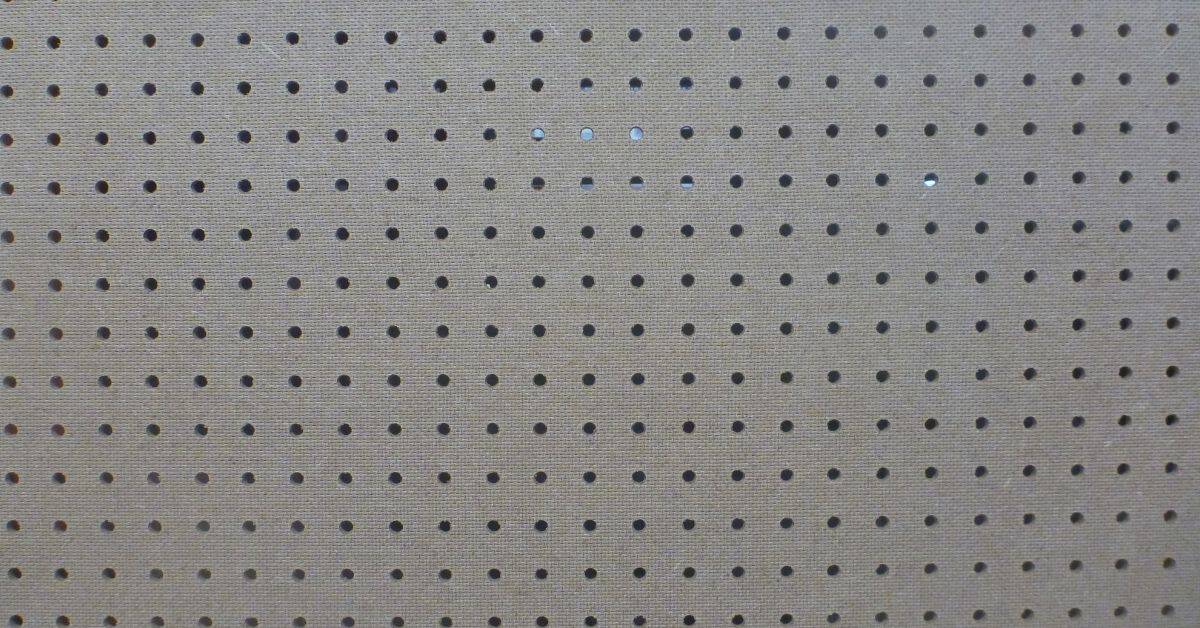
Painted pegboard with regularly spaced round holes
Using painted pegboard creates stripe patterns resembling textured wallpaper

Pattern 2 — Faux grasscloth and linen finishes

Pattern 2 uses color washes and texture to mimic woven grasscloth and linen. You’ll apply washes, build texture with simple tools, and finish with a glaze to get a fabric-like look. Keep an eye on drying times and plan each layer so the previous one is ready before moving on, and check the label for any specific guidance.

This approach hides imperfections and adds depth without real fabric. The right tools and a careful glaze give you subtle variation that reads as a woven finish. Rushing dries or skipping steps leads to uneven results— take your time and test a small area first.

Tools and materials checklist

Before you start, make sure you have everything ready to go.

  • Paint brushes: Choose medium-sized brushes for fine detail work. Check that bristles are soft enough to blend but firm enough to hold paint.
  • Rags or sponges: Use these for applying glaze and creating texture. Ensure they’re clean and free of lint.
  • Glazing medium: Mix with base color according to manufacturer’s instructions. Check the consistency; too thick can cause streaks, too thin won’t hold texture.
  • Texture roller: Optional but useful for adding depth. Make sure it’s clean and in good condition.
  • Dilution ratios: Adjust paint to water ratio as needed. Too much water thins the color; too little makes application difficult.
  • Paint labels: Read all instructions carefully, especially for drying times and application methods.

Quick rule: Always have your tools ready before starting each layer to avoid mid-project delays.

Painting technique & layering

Start with a base coat of paint, ensuring even coverage across the wall. Let it dry completely according to the manufacturer’s instructions.

Next, apply glaze using stippling motions for a woven effect. Drag the brush lightly in different directions to mimic natural fiber variations.

For added depth, use a texture roller or sponge over wet glaze. This creates subtle striations that enhance the grasscloth look.

Visual checkpoints

Check your work regularly to ensure you’re achieving the desired effect.

  • Subtle striations: Look for fine lines that mimic fabric texture. If missing, add more glaze and use a roller or sponge.
  • No streaks: Ensure even application of each layer. Streaks indicate uneven brush strokes; fix by blending with a clean rag.
  • Depth variation: Assess the wall for consistent texture depth. Too flat looks unnatural; add more glaze and texture as needed.

Quick rule: Regular visual checks help maintain consistency throughout your project.

Back to top ↑

Pattern 3 — Stenciled motifs that mimic patterned wallpaper

Pattern 3 uses large-scale stencils to recreate repeat wallpaper patterns. You scale the design to fit the room so the pattern lines up at doors and corners. It gives a wallpaper look with paint and stencils instead of paper.

Using large stencils saves money and lets you customize the look to your space. It matters because you can adjust scale to fit any wall and fix bad starts before you finish. Keep edges clean, load the brush or roller right, and test a small area first.

Tools and materials checklist

Before you start, review your supplies to ensure everything is ready for a seamless stencil job.

  • Large stencils: Choose patterns that match your wallpaper design; check they fit the wall size. Missing this step can lead to awkward cuts and wasted materials.
  • Adhesive spray: Use light, even sprays for secure stencil placement; avoid over-spraying which can cause paint bleed under edges.
  • Pouncer/mini roller: Opt for foam or sponge applicators that won’t damage stencils; test with a small area first to ensure proper coverage and texture.
  • Viscosity tips: Thin paints slightly for smoother application; thicker paint can clog stencil openings, causing uneven coverage.

Quick rule: Always double-check your tools before starting to avoid mid-job interruptions.

Layout planning and repeat alignment

To achieve a seamless look, start by mapping out the wall with a grid system that matches your stencil pattern. This ensures consistent spacing throughout.

Mark corners carefully to avoid misalignment issues; use straight edges or laser levels for precision. Focal points should be centered within the room to draw attention effectively.

Handle transitions between walls and ceilings by extending patterns slightly beyond edges, then trimming excess after drying. This prevents visible breaks in the design.

Tips for a professional look

Maintain consistent paint thickness across all stencils to avoid uneven appearances. Use light pressure with your applicator and spread evenly over each section.

Clean edges thoroughly after applying each stencil pattern; use painter’s tape or a clean brush to define sharp lines between colors. This prevents smudging and ensures crisp borders.

Blend seams seamlessly by feathering paint at the edges where patterns meet. Overlap slightly, then gently smooth out any visible transitions for a cohesive finish.

Back to top ↑

Pattern 4 — Faux plaster and Venetian-look finishes

Pattern 4 uses layered tinted plasters and burnishing to read like high end plaster or Venetian finishes. It creates depth and a smooth, textured look without wallpaper.

Apply in thin coats, blending edges as you go so the color shifts smoothly. The goal is a refined, durable finish that hides small flaws and rewards careful application and patience. Check the label and manufacturer instructions for your product, and test on a scrap before you commit.

Tools and materials checklist

Before you start, make sure everything is ready to go.

  • Trowel set: Get a variety of trowels for different textures. Check if they are clean and sharp.
  • Spackle or plaster alternative: Choose a product that suits your texture needs. Confirm it’s the right consistency before mixing.
  • Sandpaper: Have grits from fine to coarse. Ensure each is in good condition, no tears.
  • Protective coating: Pick a sealant or varnish for durability. Verify it matches your plaster color and finish.
  • Mixing bucket: Use one that’s clean and large enough for the job. Check if there are no remnants from previous use.
  • Safety gear: Wear gloves, goggles, and a mask to protect yourself. Confirm all items fit properly and are comfortable.
  • Curing time: Allow plaster to set before applying protective coating. Skip this step can lead to cracking or peeling.
  • Dust control: Have drop cloths and vacuums ready. Ensure they cover the entire work area to prevent dust spread.

Quick rule: Always double-check your tools and materials before starting any project.

Application method & safety

Mix the plaster or spackle according to the manufacturer’s instructions. Use a trowel to apply thin layers, building up texture gradually.

Burnish the surface with a clean cloth for a smooth finish. Make sure you have proper ventilation and dust control measures in place to avoid health issues.

Work in small sections at a time, allowing each layer to dry before applying the next. This prevents cracking or uneven textures.

Low-effort alternatives

If you want a similar look but with less hassle, consider using textured paint instead of plaster. It’s easier to apply and requires fewer tools.

Another option is to use a skim-coat roller for a smooth yet slightly textured finish. This method is quicker and doesn’t require as much skill.

Choose the right tool based on your comfort level and desired outcome. These alternatives can save you time while still achieving an impressive look.

Back to top ↑

Close-up of decorative plaster relief with floral patterns
Example of faux plaster pattern mimicking Venetian finish

Pattern 5 — Painted paneling and faux woodgrain wallpaper

Pattern 5 shows how to create beadboard, shiplap, or woodgrain looks using paint and faux finishing tools. You can fake paneling by layering color and using brushes, sponges, or combs. Work in sections, keep edges neat.

This approach lets you transform plain walls without new panels, and it hides minor flaws. Using the right tools and technique matters for a durable, convincing finish, and it helps you avoid a patchy job. If you need a number for timing or ratios, check the label or manufacturer instructions.

Tools and materials checklist

Before you start your painted paneling project, run through this quick checklist to ensure everything is ready.

  • Straightedge ruler: Check it’s long enough for the wall. Missing it can lead to uneven lines.
  • Pencil and eraser: Sharp pencil for marking; soft eraser for corrections. Skipping these means mistakes stay visible.
  • Spacers: Confirm they’re adjustable and accurate. Inconsistent spacing ruins the look.
  • Faux woodgrain tools: Ensure you have a graining comb, brush set, and sponges. Missing any tool can compromise the texture’s realism.
  • Paints: Choose a base coat primer and topcoat in your desired color. Use sealers if needed for durability. Skipping priming leads to poor adhesion.
  • Sandpaper: Get fine grit paper for smoothing edges. Missing this step leaves rough spots.
  • Rubber gloves: Ensure they fit and are comfortable. Not wearing them can lead to paint stains on your hands.
  • Cloth rags: Have plenty of clean, soft cloths for wiping excess paint or cleaning tools. Running out means delays.

Quick rule: Always double-check your materials before starting to avoid mid-project interruptions.

How to create convincing depth

To make the painted paneling look realistic, start by layering colors. Use a darker shade for shadows and a lighter one for highlights. This contrast gives the illusion of grooves and texture.

Add shadow lines along the edges where panels meet or at corners. These lines should be subtle but noticeable to mimic natural wood grain patterns. Overdoing it can make the finish look too artificial.

Highlighting is key for depth. Use a dry brush technique with light strokes in areas that would naturally catch more light, like near windows or under lights. This adds realism and makes the painted paneling stand out.

Smart alternatives

If you’re not keen on painting skills or want a quicker solution, consider peel-and-stick wood planks. These come in various finishes and can be installed without much hassle. They give the same look as painted paneling but are easier to apply.

Faux wood panels are another option for those looking for durability and ease of installation. These panels fit together like puzzle pieces, creating a seamless woodgrain effect on your walls. Ideal for renters or anyone who wants a quick fix without long-term commitment.

Narrow moulding strips can also be used to create the illusion of paneling. By attaching these along the wall in a grid pattern, you mimic the look of shiplap or beadboard. This method is less labor-intensive and provides a clean, modern aesthetic.

Back to top ↑

Prep, priming, and paint selection for faux-wallpaper effects

Prep, primer choice, and paint type are the key trio for faux-wallpaper effects. Start with a clean, dry surface and smooth out flaws. Choose primer based on the surface and adhesion needs, and follow the product label for guidance.

Priming helps the texture read true and improves durability. The right paint finish makes the faux texture read like wallpaper and reduces reveal of wall flaws. If you’re unsure about product specifics, check the label or datasheet and follow local rules for disposal.

Surface repair and priming tips

Before you start painting, make sure your walls are ready. Fill any holes with spackling compound or joint compound, then sand it smooth so there’s no bumpiness when you paint. If the wall has old wallpaper residue or peeling paint, scrape it off first.

Choosing the right primer is key. For bare drywall, a standard latex primer works fine. But if your walls have stains from water damage or previous paints, use a bonding primer to seal those issues down. Bonding primers stick better and cover flaws more effectively.

Sand any rough spots lightly with 220-grit sandpaper before applying the primer. This ensures an even surface for painting. Once your walls are smooth and clean, you’re ready to prime. A good coat of primer will help your paint go on smoother and last longer.

Choosing paint sheen and colors

The right paint finish can make or break the look of your faux-wallpaper. For a smooth, modern appearance, use an eggshell or satin finish. These finishes have slight texture but still clean up easily.

If you want more depth and character like traditional wallpaper, opt for a semi-gloss or gloss sheen. These finishes reflect light beautifully, giving walls a rich, luxurious look. Just remember, glossier paints show imperfections more clearly, so make sure your prep work is thorough.

When it comes to color selection, think about layering tones with glazes. Start with a base coat of the main color, then add a transparent colored glaze over top for subtle shading and depth. This mimics how wallpaper often has slight variations in tone across its surface.

Back to top ↑

Common mistakes, troubleshooting, and maintenance

Common mistakes with painted faux-wallpaper include visible seams, overworking the joints, and tape bleed. Fixes come from good prep and following the product instructions, with careful application and thin, even coats.

Why it matters: seams and bleed ruin the look, especially in lighted rooms, and poor maintenance makes repairs harder later. If you see trouble, slow down and inspect seams and edges, then follow care instructions and check the label or manufacturer guidance for cleaning and recoat. Dispose of any waste according to local household hazardous waste rules.

Fixes for common problems

If you notice visible seams, uneven texture, or color mismatch after painting your walls to look like wallpaper, don’t panic. Start by assessing the specific issue.

To fix visible seams, use a small brush or sponge to blend edges where paint lines meet. Work in sections and feather out any harsh lines for a seamless finish. For uneven texture, lightly sand the area with fine-grit sandpaper, then apply another coat of paint to even it out.

For color mismatch issues, you can touch up small areas without repainting the whole wall. Use a high-quality brush or sponge and match the existing shade as closely as possible. If the difference is too noticeable, consider applying an additional thin layer of paint over the entire area for consistency.

Maintaining these fixes requires regular inspection and timely touch-ups to keep your painted walls looking like real wallpaper.

Long-term maintenance and touch-ups

To maintain the look of your painted faux-wallpaper over time, regular cleaning is key. Use a soft cloth or sponge with mild soap and water to wipe down walls gently. Avoid harsh chemicals that could damage the finish.

If you notice small scuffs or marks, use touch-up paint specifically designed for your wall’s sheen. Apply it sparingly with a fine brush, blending well into surrounding areas. For larger sections needing repair, consider repainting those spots to match the original look.

Regular inspections can help catch minor issues before they become bigger problems. Look for signs of wear like peeling paint or fading colors and address them promptly. This proactive approach will keep your walls looking fresh and vibrant.

Maintaining these practices ensures that your painted walls remain a beautiful, long-lasting alternative to traditional wallpaper.

Back to top ↑

Cost, time estimates, and decision guide

Use a simple framework to sketch rough time and budget ranges for each technique. Pick based on room, your skill, and how permanent the result should be.

This matters because it helps you avoid buying the wrong materials, wasting time, and getting discouraged. It guides you toward a method that fits your space, your abilities, and the permanence you want before you start.

Quick-estimate checklist

Use this checklist to quickly assess the cost and time needed for your concrete project.

  • Room size: Measure length and width. Double-check with a tape measure.
    Gotcha: Missing corners can lead to material shortages.
  • Surface prep: Check if existing surface is clean, flat, and free of debris.
    Gotcha: Skipping prep leads to poor concrete adhesion.
  • Foundation type: Determine whether slab-on-grade or poured walls.
    Gotcha: Wrong foundation can lead to structural issues.
  • Concrete depth: Decide on thickness based on load-bearing needs.
    Gotcha: Too thin and it won’t last; too thick and costs soar.
  • Rebar needed: Confirm if reinforcement is necessary for the slab or walls.
    Gotcha: No rebar can cause cracking under stress.
  • Weather conditions: Check temperature and humidity levels before pouring.
    Gotcha: Pouring in extreme weather affects curing time.
  • Mix type: Decide between ready-mix or on-site mixing based on volume.
    Gotcha: Incorrect mix can lead to poor quality concrete.
  • Vibrators needed: Determine if you need a vibrator for even distribution.
    Gotcha: Without vibrators, air pockets form and weaken the slab.
  • Screed boards: Measure length of screed boards based on pour width.
    Gotcha: Inadequate screeding leads to uneven surface.
  • Concrete trucks: Calculate number of truckloads required for your volume.
    Gotcha: Underestimating can cause delays and extra costs.

Quick rule: Always double-check measurements and prep work before starting.

Choosing the right approach for your situation

If you’re a homeowner with long-term plans, go all in on quality materials and workmanship. This means spending more upfront but saving big on maintenance down the line. For renters or those on a tight budget, quick fixes like concrete overlays might be better suited to your needs.

High-traffic areas, such as driveways and sidewalks, require extra attention. Ensure you have the right mix of aggregates for durability. If unsure about your DIY skills, consider hiring a pro for these spots to avoid costly mistakes later on.

Your confidence level also plays a big role in choosing an approach. Don’t take on more than you can handle—there’s no shame in admitting when it’s time to call in the pros. Always check local rules and product labels before starting any project, especially if dealing with chemicals or heavy machinery.

Back to top ↑

White painted wooden deck flooring with blue house siding
Example of smooth, painted surfaces offering an alternative to wallpaper

Conclusion

These painted wall ideas are within reach if you focus on solid prep, careful technique, and patience. The payoff is durable, high-end looks without hanging new paper, and you’ll know you did it yourself.

First, plan and test: clean the surface, repair any damage, and test a small patch with your chosen finish to confirm color and texture. Choose your pattern and keep tools simple, then prime where needed and apply paint in thin, even coats, letting each layer dry fully before the next. Protect floors and furniture, vent the space, and work in a clean, dust-free area. Label two sample boards or sections so you can compare options before committing, and keep to your rough time estimates to avoid rushed results.

Common mistakes to avoid include skipping a proper prep or primer, overloading brushes or rollers, and trying to rush hidden details like faux woodgrain or stencil motifs. Always test first, work in small sections, and keep a damp cloth handy to correct mistakes before they set. Remember safety: use drop cloths, wear a mask if sanding, and unplug power tools when not in use so you don’t nick walls or create a mess.

If the project requires large seamless walls, a highly complex pattern, or you hit stubborn patches, consider bringing in a pro for finishing touches or large-scale work. With clear steps, the right materials, and steady hands, you’ll finish strong and enjoy a durable, stylish result that looks like wallpaper without the hassle. Stay steady, follow your plan, and celebrate the finish line when the last coat dries.

Back to top ↑

FAQ

1. Do these painted walls really look like wallpaper?

Yes, they can mimic wallpaper well with the right pattern and a clean finish. The trick is choosing the paint and technique that fit the room’s lighting. If you rush it, you’ll see brush marks or seams.

2. Which methods should I avoid for a DIY wall that looks like wallpaper?

Avoid heavy textures and glazes that overstate the pattern. Do not skip surface prep or skip primer on bare drywall. Bad prep shows flaws and peels later.

3. How do I pick a design that ages well?

Go with simple patterns and neutral colors. Busy prints fade fast in sunlight. Pick something you won’t tire of in a year or two.

4. What mistakes ruin the finish?

Skipping sanding, or not sealing correctly, wrecks the look. Uneven coats make the pattern look muddy. Take your time with priming and even coats.

Back to top ↑