

Introduction
This article explains creative, practical paint ideas for a room and how to handle messy parts. You’ll find hands-on tips that you can try with basic supplies and a little patience. It keeps the vibe DIY and direct, without turning into a lecture.
Before you start, check labels for ventilation, drying times, and recoat windows. If a plan feels risky, test it on a small patch and observe how it dries and blends. Keep handy rags, tape, and drop cloths so you can clean up and fix mistakes as you go.
Key takeaways
- Prep surface: clean, patch, sand edges for sharp paint transitions.
- Use painter’s tape properly to prevent bleed and peel; press firmly edges.
- Practice freehand on a scrap board before tackling walls; adjust pressure.
- Secure ladders, avoid overreaching; move frequently for even coverage during painting.
- Test color in a small area; observe lighting changes before big commit.
- Cleanup promptly; damp-dust surfaces and wipe spills to prevent staining.
Table of Contents
- Introduction
- Key takeaways
- How to Pick the Right Weird-but-Awesome Paint Idea
- Bold Patterns & Graphic Treatments
- Texture and Faux-Finish Tricks
- Tape-Based Geometric Hacks and Negative Space
- Freehand and Painterly Approaches
- Specialty Walls and Accent Finishes
- Fixes for the Messy Parts: Cleanup, Corrections, and Emergency Touch-Ups
- Tools, Materials Checklist and Visual Checkpoints
- Conclusion
- FAQ
How to Pick the Right Weird-but-Awesome Paint Idea
Start by thinking about how durable you need the finish and how bold you want the room to feel. Match the idea to the room’s size, light, and traffic so it stays practical. Check the label, manufacturer instructions, or local rules to confirm any care or maintenance notes.
Aim for ideas that align with how you live in the space. Consider how often you’ll clean, what surfaces you’ll touch, and how much time you’re willing to invest. If in doubt, compare options by durability, boldness, and maintenance expectations using trusted product guidance.
Step-by-Step Process
Follow this clear, numbered sequence to pick the right weird-but-awesome paint idea for your room.
- Preparation: Gather materials (safety gear, paints, tools), check room dimensions, and prep surfaces. Safety first – ensure good ventilation.
- Safety Checks: Test paint colors on a small area or swatch to see how they look in your space’s natural light. Check for any hidden damage that needs repair.
- Main Work: Apply the chosen technique (e.g., sponging, color-washing) following the manufacturer’s instructions. Work systematically from top to bottom, using even strokes.
- Drying Time: Allow adequate drying time between coats and techniques. Don’t rush – patience pays off in a smooth finish.
- Final Checks & Cleanup: Inspect your work for any missed spots or imperfections. Clean up tools and materials properly to maintain their condition and your workspace’s tidiness.
Match technique to room use and traffic
Different rooms have different needs. Choose a paint technique that suits your room’s function and how much it’s used.
For high-traffic areas like hallways or kids’ rooms, opt for durable finishes and washable paints. These can handle wear and tear better. Consider techniques like eggshell or semi-gloss sheens with simple color blocking or subtle texture.
For low-use spaces like guest bedrooms or formal living rooms, you can afford to be more experimental. Try out textured finishes, bold colors, or intricate patterns. Just remember, these areas may need extra care when it comes to cleaning and maintenance.
Skill, time, and budget checklist
Use this quick checklist to decide which techniques are right for you based on your skill level, available time, and budget.
- Simple Techniques (e.g., color blocking, one-coat wonders): Quick to learn, easy to apply. Ideal for beginners with limited time or budget.
- Complex Techniques (e.g., marbling, stenciling): Require more skill and practice. Expect to spend more time on prep work and application.
- DIY-Friendly: Most techniques can be DIY-friendly with the right tools and patience. Don’t hesitate to ask for advice at your local hardware store.
- Pro-Level: Some techniques may require a professional’s touch, especially if they involve specialized equipment or complex color matching.
- Budget Considerations: More complex techniques often use premium paints or specialty tools. Factor this into your budget planning.
- Time Commitment: Simple techniques can be done in a day. Complex ones may take several days to complete, including drying time.
Quick rule: If you’re unsure about any technique or its suitability for your room, don’t hesitate to consult with a professional. It could save you time, money, and frustration in the long run.
Bold Patterns & Graphic Treatments
Plan patterns that repeat cleanly with steady lines or blocks to keep the look intentional. Lay out a simple grid or measurement plan before you start so the design lands where you expect. Verify any stencil or tape technique against the product data sheet or manufacturer instructions.
Prepare the surface well and seal edges to prevent bleed. Focus on where the pattern will anchor the room and how much visual weight you want. When in doubt, double-check alignment methods and edge-sealing steps in the guidance you’re following.
Classic and wide stripes (tape method)
Planning stripe width is key. Measure, mark, then snap a line with a level to keep it straight.
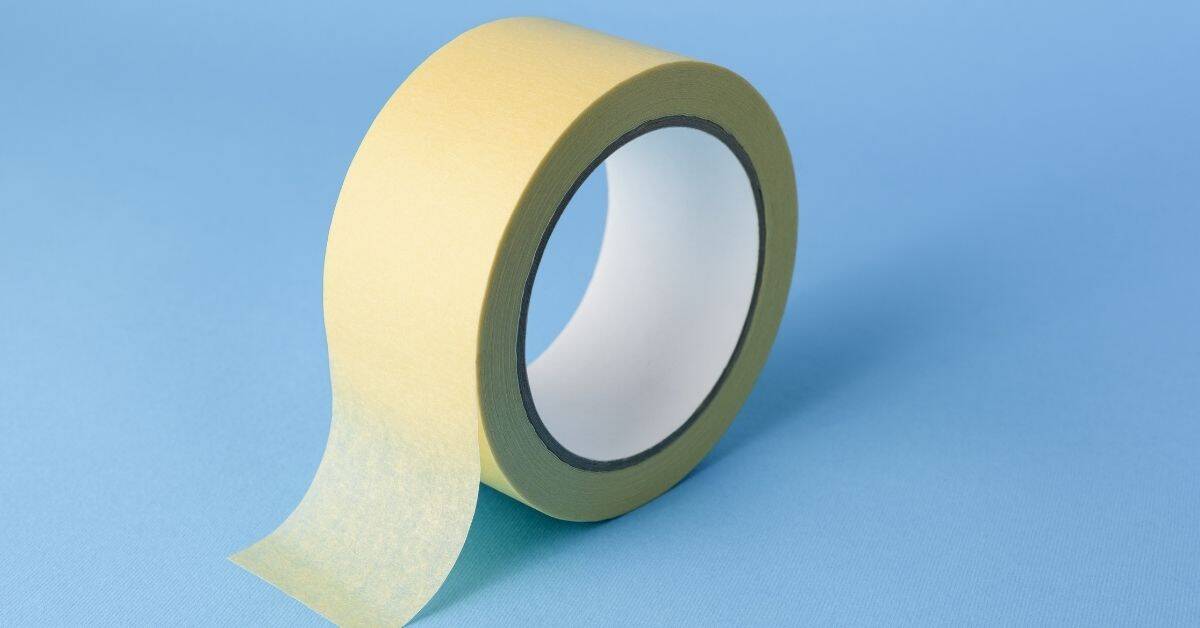
Use painter’s tape for crisp edges. Press down firmly along the edge to seal. Don’t let paint bleed under the tape – that’s where mistakes happen.
Seal the edges with a dab of paint before applying your stripe color. This stops bleeding and gives you clean lines.
For wider stripes, use a roller for faster coverage. For narrower ones, an angled brush works best.
Color-blocking and geometric panels
Plan your color balance first. Use a reference grid to map out your design on the wall before you start painting.
For flawless intersections, use a level or straight edge to draw guidelines. Then, paint each panel one at a time, following your guidelines.
Don’t rush through intersections. Take your time and make sure each color meets cleanly.
Use a small roller or brush for tight spaces. For larger panels, a regular roller will speed things up.
Large stencils and graphic murals
Choose stencil types based on your design. Some are reusable, some are one-time use – know the difference.
For repeat patterns, align your stencil with a level or straight edge to keep it straight. Use a pencil to mark where your stencil goes, then paint within those lines.
Scale your stencil if you’re doing a large mural. Freehand painting can be tricky – scaling makes it easier.
Use a sprayer or roller for large areas inside the stencil. For smaller details, an angled brush works best.
Texture and Faux-Finish Tricks
Texture adds depth without changing the room’s footprint. Choose a finish type and tool set that suits the look you want, from soft textures to more pronounced textures. Always refer to the label or instructions to confirm applicable paints and rollers.
Keep the approach simple and repeatable so results stay consistent. Think about how the texture hides minor flaws and how it feels to the touch. If needed, verify compatible primers and finish coats from the manufacturer guidance.
Rag-rolling and color washes
Grab an old t-shirt or rag, dip it in glaze mixed with paint, then roll it across the wall. The key is consistent motion. Start top left, work right, then down. Practice on a test board to find your rhythm.
Control opacity by adjusting glaze ratio. More glaze means more translucence. Less glaze gives bolder color.
For a color wash, mix two or three colors in the glaze. Roll them on separately, letting each dry slightly before the next. Blend edges with a damp cloth for a smooth transition.
Sponge and stipple effects
Use natural or synthetic sponges to create texture. Dip, dab, and roll on the wall. For stippling, hold the sponge flat and press gently. For a more textured look, use the edge.
Layer tones for dimension. Start with a base color, let it dry, then apply darker or lighter shades. Blend edges with a damp cloth.
Maintenance is easy. Just wash sponges after each use and let them air-dry. For tougher stains, use mild soap and water.
Faux concrete, plaster, or aged finishes
For faux concrete, apply joint compound with a trowel. Let it dry, then scrape off excess with a flat edge. Seal when done.
For Venetian plaster, use specialized paint. Apply thin layers, letting each dry before the next. Use a trowel or brush for different textures.
Test finish compatibility on a small area first. Some paints may not adhere well to certain surfaces. Always spot test before committing.
Tape-Based Geometric Hacks and Negative Space
Tape tricks rely on clean edges and precise measurements. Plan shapes around doors, corners, and furniture so the negatives and positives balance well. Check the tape type and edge-sealing tips in the instruction label or data sheet.
Use a simple sequence to keep lines crisp, then remove tape at the right moment to avoid peel or fuzz. Consider how much freehand skill you’re comfortable with and adjust layout accordingly. If unsure, review edge-sealing and removal guidance from product instructions.
Chevron and Angled Tape Patterns
For a chevron pattern, start by measuring and marking your wall at the center. Snap a chalk line from this point to each corner. This gives you your base angle.
Apply tape along these lines, extending it out towards the corners. Keep your angles consistent – use a speed square or T-square for accuracy.
Once taped, roll on your paint. Let it dry, then carefully peel off the tape. Touch up any seams with a small brush and touch-up paint.
Negative-Space Framing and Cutouts
To create negative space shapes, decide on your focal points – circles, rectangles, or other shapes. Use a level and measuring tape to mark them out.
Use painter’s tape to outline these shapes. Press down firmly for a good seal. Paint around the shapes with your base color.
Once dry, carefully remove the tape. Touch up any edges if needed. Your unpainted shape will stand out as a striking focal point.
Freehand and Painterly Approaches
Let brushwork and gradients read as expressive, not sloppy. Start with a focal wall or panel and build stages that feel cohesive and intentional. Look to compositional tips in factory guides or reputable tutorials for reference.
Embrace irregular strokes for character while keeping transitions thoughtful. Practice on a scrap board or test area to gauge how paint lays down and dries. If you’re unsure, check recommended techniques and finishing steps in the paint’s instructions.
Ombre and soft gradients
Gradients add depth and interest to your walls. It’s all about smooth color transitions.
Wet-blending is when you blend colors directly on the wall while they’re still wet. Start with a base color, then gradually add more of the second color as you move along the wall.
For layered glazing, apply each color separately, letting it dry before adding the next. This gives a softer blend.
To judge where to start and stop your gradient, use painter’s tape or a level to mark out even increments of color change.
Controlled splatter and abstract strokes
Splatter can add a dynamic, artistic touch. But control is key.
Use plastic sheets or drop cloths to contain overspray. Practice on these first to get your technique right.
For intentional splatter, use a brush with stiff bristles and flick the paint off. Or, dip a toothbrush in paint and run your finger along the bristles for fine droplets.
To make it look less messy, keep splatters small and evenly spaced. Vary sizes and distances to create interest.
Freehand abstract or botanical murals
Murals don’t have to be perfect. They’re about expression, not precision.
Start by sketching your design on paper. Keep it simple and use basic shapes.
Next, scale up your sketch onto the wall using a grid or projection method. Use light pencil lines for guidelines.
Build your mural in layers. Start with a base color, then add details and highlights. This creates depth without needing professional skills. Don’t be afraid to make mistakes – they can add character!
Specialty Walls and Accent Finishes
Specialty finishes are designed to stand out while remaining practical to care for. Treat them as focal points and plan transitions to the rest of the room. Review care instructions and suitability on labels or manufacturer guidance before committing.
Consider writable surfaces, metallics, or panel illusions as features rather than entire-room treatments. Confirm cleaning and longevity notes so the finish stays vibrant. If in doubt, verify surface prep needs and compatible topcoats with the manufacturer data.
Metallic highlights and gilding accents
Metallic paints and leafing can add a touch of luxury to your room. But remember, less is more here.
Use them sparingly on trims, moldings, or as accent stripes on walls. For best results, apply metallic paint with a high-quality brush in smooth, even strokes. To avoid streaks, work in small sections and let each layer dry completely before applying the next.
Seal your metallic accents with a clear varnish or topcoat to protect them from tarnishing and wear.
Chalkboard, whiteboard, and magnetic paint zones
Transform a section of your wall into a functional chalkboard, whiteboard, or magnetic surface. It’s perfect for kitchens, home offices, or kids’ rooms.
First, clean and prime the area you want to paint. Then, apply 2-3 coats of specialty paint, following the manufacturer’s instructions. Let it dry completely between coats.
For chalkboards, apply a layer of clear wax or sealant after painting to help with erasability. For whiteboards, use an erasable marker and clean with a damp cloth. Magnetic paint can be used on its own or under other paints, attracting magnets when dry.
Fixes for the Messy Parts: Cleanup, Corrections, and Emergency Touch-Ups
Have a plan for common mishaps like drips, tape bleed, and lap marks so you can act fast. Use non-destructive fixes first, such as gentle sanding or feathering edges. Always check the product label or instructions for approved cleanup methods.
Keep spare brushes, rags, and a small amount of extra paint ready for quick corrections. Document where problems occurred so you can address root causes later. If you’re unsure, consult the care guidance and touch-up steps from the manufacturer guidance.
Preventing and fixing tape bleed and seams
Tape bleed happens when paint seeps under the edge of your painter’s tape. To prevent it, seal tape edges with a thin layer of base color before painting.
For perfect joints, use caulk to fill gaps between walls and trim. Let it dry, then sand smooth and touch up with base color.
If bleed happens, lightly sand the area, wipe clean, then touch up with a small brush using base color.
For corrected seams, use a fine-grit sandpaper to lightly sand the area. Wipe off dust, apply a thin coat of primer, let it dry, then paint.
Removing drips, lap marks, and brush lines
Drips happen when you apply too much paint. Wipe excess off the brush before painting.
Lap marks occur when you overlap wet paint. Avoid this by maintaining a ‘wet edge’ as you work.
To fix drips and lap marks, lightly sand the area after it’s dry, then use a damp brush to feather out the edges with matching paint.
For stubborn lines, spot blend using a small brush and matching paint. Work in tiny strokes, blending from the line outward.
Quick spot-repair and patching strategy
First, clean the area to remove any dirt or debris. For dents, use a spackling compound, apply with a putty knife, let it dry.
Sand smooth, wipe off dust, then prime the spot using a small brush and primer.
To blend new paint, start at the edge of the repair, working outward in tiny strokes. Use matching paint, feathering out to surrounding area.
Let it dry, then lightly sand any raised grain. Wipe off dust, apply a second coat if needed, blending into surrounding wall.
Tools, Materials Checklist and Visual Checkpoints
Build a practical, DIY-friendly inventory that covers prep, mid-project, and finish stages. Include test areas and swatches so you can compare color and texture at actual room light. Refer to product instructions to confirm what counts as approved tools and materials.
Use visual checkpoints to verify steps like edge sealing, surface prep, and coverage. Plan quick compares between what you expect and what you see during the process. If any step seems off, recheck the manufacturer guidance or product label for proper procedures.
Essential tools and consumables
Before you start any concrete work, make sure you have all the essential tools and consumables on hand. This checklist will help you verify that you’re ready to go.
- Concrete Mix: Check the bag for the correct mix type (e.g., general purpose, fast-setting) and that it’s within its expiration date. Incorrect or expired mix can lead to weak concrete.
- Wheelbarrow: Ensure it’s in good condition with no cracks or leaks. A damaged wheelbarrow can cause spills and waste material.
- Shovel: Check for a sturdy, sharp edge. A dull shovel makes mixing and placing concrete more difficult.
- Hoe: Verify it’s in good condition to help with spreading and leveling the concrete.
- Concrete Float: Inspect for a smooth, flat surface. A damaged float can leave marks on the finished surface.
- Trowel: Check for a straight edge. A bent trowel makes it hard to achieve a smooth finish.
- Concrete Edger Tool: Ensure it’s in good condition to create clean, sharp edges on your concrete surface.
- Tape Measure: Verify it’s accurate and in good working order. An incorrect measurement can lead to costly mistakes.
- Level: Check that it’s accurate and has a sturdy base. A faulty level can result in an uneven concrete surface.
Quick rule: Always check your tools before starting any task. Damaged or incorrect tools can lead to rework, wasted material, and extra labor costs.
Paint types, sheen choices, and when to use primers
Before you start painting, review this checklist to ensure you’ve got the right paint type, sheen, and primer for your project. This will help you achieve a professional finish that lasts.
- Check paint type: Latex or Oil? Most DIY jobs use latex (water-based) paints due to their ease of cleanup and low odor. Oil-based paints are typically used for trim work and cabinetry.
- Verify sheen level:
– Flat: No shine, good for hiding imperfections; use on ceilings and low-traffic walls.
– Eggshell (low luster): Slightly shiny, durable; ideal for living rooms and bedrooms.
– Satin (semi-gloss): More reflective, easy to clean; great for kitchens, bathrooms, and hallways.
– Semi-Gloss: Highly reflective, very durable; perfect for trim work and cabinetry. - Check primer type: Use a stain-blocking primer if painting over stains, knots, or previous dark colors. For new drywall or bare surfaces, an adhesion-promoting primer is best.
- Read paint label for recoat time to ensure you’re not rushing and ending up with poor coverage.
- Check paint color under different lighting conditions to avoid surprises. What looks good in the store may not translate well at home.
- Avoid cheap paints as they often lack pigment, leading to multiple coats and poor coverage. What goes wrong if you skip this: More time, more paint, and a subpar finish.
Quick rule: Always test your chosen paint color, sheen, and primer on a small, hidden area before committing to the entire project.
Visual checkpoints and a simple QA checklist
Use this checklist at key milestones to ensure your paint job is on track. Catch issues early to avoid expensive rework.
- Surface Prep: Check for Dust/Debris – Before painting, visually inspect the surface for any dust or debris. Run a gloved hand over the area to feel for rough spots.
- Primer Application: Even Coat – After applying primer, step back and check for an even coat. No bare spots or heavy buildup.
- Paint Color: Match Swatch – Before painting, compare the paint color to your chosen swatch under natural light. Ensure they match.
- Paint Consistency: Stir Well – Stir your paint thoroughly before use. Check for any clumps or inconsistencies in the can.
- Tape Lines: Straight & Tight – After applying painter’s tape, check that lines are straight and tightly sealed against the surface to prevent bleeding.
- Paint Application: Wet Edge – As you paint, ensure each stroke overlaps the previous one by about 50%. This maintains a “wet edge” for a smooth finish.
- Dry Time: Touch-Dry – Before removing tape or applying additional coats, lightly touch the painted surface. It should feel dry but may still be slightly tacky.
- Final Inspection: Check for Runs/Drips – After the final coat has dried completely (check manufacturer’s recommended drying time), inspect your work for any runs or drips.
Quick rule: Always check your work at each stage. A few minutes spent on inspection can save hours of rework later.
Conclusion
Finish with confidence by setting a solid plan, testing ideas in small patches, and protecting every edge to keep surfaces durable and looking sharp.
Decide your method and move in a clear sequence: prep the wall, test the chosen idea on a hidden spot, apply the base, add your pattern or texture, clean up as you go, and step back to check alignment and coverage before the final coat. Keep safety gear handy, ventilate, and respect drying times to avoid smears and trips to the store.
Common mistakes to avoid are rushing the cut lines, skipping prep under the tape, and overloading brushes or rollers. Use steady motions, wipe drips immediately, and verify small areas first to catch issues early. If paint seeping behind tape, re-tape and seal the edge; if a finish looks uneven after the first pass, let it dry fully and assess before touching again.
If the project runs into stubborn fixes or you’re unsure about a bold texture or large specialty wall, call in a professional before you risk costly damage. Stay deliberate, respect the materials, and you’ll end with a room that looks intentional and feels great to live in.
FAQ
How can I prevent bleed-through or edge ghosts when using tape-based geometric hacks?
Press the tape down firmly and burnish the edges with a clean, straight edge. Apply paint in light, even coats and peel the tape while the paint is still workable but set. If you see bleed, let it dry, re-tape, and touch up with a small brush.
What should I do if tape pulls up fresh paint or leaves a ridge?
Stop and re-tape nearby, pressing the edge down again. Gently re-baste the edge with your base color before continuing. Check the tape manufacturer instructions for dwell time and removal guidance.
How do I fix stray splatters or smudges without ruining the whole wall?
Wipe small spots with a damp cloth or a damp brush tip, then touch up with the matching color on a fine brush. Work slowly, keeping edges clean; if the spot is large, feather the edge with a light stroke rather than heavy coverage.
What’s the fastest way to even out an uneven finish after a messy faux or painterly treatment?
Let the finish cure, then do controlled touch-ups in the affected areas. Use a small brush and build color gradually, checking from a distance to confirm uniformity. If in doubt, compare to the original sample and follow the manufacturer’s instructions for restoration.