
Introduction
Lap marks on walls are the visible stripes left by overlapping paint coats as they dry. They happen when coats are too thick, brushed or rolled in a way that creates edges, or when the surface isn’t prepped evenly. This article will help you spot them and fix them without a lot of jargon.
To fix them, start by identifying where the edges sit and whether the coats were rolled or brushed. Choose a paint with good flow and a suitable finish for your wall, and use the right tools for a smooth, even layer. Always check the product label, manufacturer instructions, and local rules for prep steps and drying times to stay safe and compliant.
Key takeaways
- Lap marks result from uneven roller pressure, inconsistent drying, or poor brushing technique.
- Identifying lap marks: visible stripes align with roller strokes and drying patterns.
- Choosing the right paint: select flat or eggshell sheen to minimize streaks on walls.
- Tools and techniques: use quality roller, uniform pressure, wet-to-wet blending, and keep a wet edge.
- Safety: ventilate the room, wear a mask, maintain ladder stability during work.
- Prepping and repair steps: clean, repair, sand, and dust before priming to prevent repeats.
Table of Contents
- Introduction
- Key takeaways
- What Lap Marks Are and How to Spot Them
- Tools, Materials, and Choosing the Right Paint
- Painting Best Practices to Prevent Lap Marks
- Preparing the Wall Before Repairing Lap Marks
- Step-by-Step Repair Process
- Priming and Repainting for a Seamless Finish
- Timeline, Cost Considerations, and When to Hire a Pro
- Safety, Troubleshooting, and Common Mistakes to Avoid
- Conclusion
- FAQ
What Lap Marks Are and How to Spot Them
Lap marks are visible horizontal or stepped lines that show up when fresh paint overlaps a slightly damp edge from the previous pass. They create an uneven sheen that stands out in the right light. This helps you tell them apart from other issues like streaks, roller texture, or runs.
Look for lap marks on large flat walls, near ceilings, or around openings where edges tend to blend. In softer lighting they appear as faint halos or ridges with a slight color shift. Quick checks include feeling the surface with a gloved hand and comparing wet versus dry finishes to confirm the pattern.
Recognizing lap marks
Lap marks show up as horizontal stripes on your walls. They’re usually uniform, unlike streaks from brushes or runs from gravity.
Under good light, you’ll see:
- Darker or glossier bands where the paint overlapped slightly damp edges.
- Faint ridges or texture differences along these lines.
Inspect at different angles. Lap marks catch the light differently, making them more visible when you’re not looking straight on.
Why lap marks happen (common causes)
Lap marks form when fresh paint meets semi-dry edges. Here’s why:
- Overlapping too soon: Not waiting long enough for the previous pass to cure.
- Rolling in large sections: Covering too much area at once without proper blending.
- Reloading too slowly: Letting your roller run dry, then picking up too much paint at once.
Other causes include:
- Using a roller with inconsistent nap.
- Starting a new pass before the previous edge has blended.
- Environmental factors like high heat or humidity speeding up drying times.
Tools, Materials, and Choosing the Right Paint
Start with rollers that suit the surface texture and include brushes for edging and an edger for tight spots. Use an extension pole to keep strokes consistent and minimize creating new lap edges. Have a roller cage and a spare roller cover on hand to avoid reloading delays.
Choose paint that blends well and dries predictably; check labels for open time, recoat windows, and whether the finish suits high-traffic areas. Primer type matters too, especially on repaired walls or problematic surfaces. Refer to the manufacturer instructions on compatibility with the topcoat you plan to use.
Best rollers, brushes, and accessories
For smooth surfaces like fresh drywall or painted walls, use a roller with a 1/2 inch nap. It applies paint evenly without leaving marks.
On semi-smooth surfaces like textured walls or older paint, opt for a 3/4 inch nap roller to fill in crevices and ensure even coverage.
For cutting in edges, use an angled sash brush with synthetic bristles. It holds paint well and doesn’t leave streaks. Use a 1.5 or 2-inch width for most jobs.
An edger tool helps create straight lines along baseboards and ceilings. Use it with a roller cage to maintain consistent pressure.
Selecting paint: sheen, formula, and drying time
Choose a paint with a moderate sheen like eggshell or satin. They balance durability and easy cleaning with good blendability.
Fast-drying paints can lead to lap marks as they don’t give you much time to blend edges. Opt for a paint with a longer open time, usually 30-60 minutes.
Check the manufacturer’s guidelines on the label for recommended application methods and drying times. Follow their recoat window to avoid lap marks when painting multiple coats.
Latex paints are generally more forgiving with open time and touch-ups. Oil-based paints dry slower but offer better adhesion and durability.
Materials checklist
Before you start painting, gather these essentials to prevent and fix lap marks:
- Bonding primer: Use it on new drywall or repaired areas to ensure paint adhesion.
- Fine-grit sandpaper (120-220): Smooth surfaces and remove dust before painting.
- Tack cloths: Remove dust and debris after sanding.
- Drop cloths: Protect floors from paint drips and spills.
- Painter’s tape: Create clean edges along baseboards, ceilings, and trim.
- Cleaning supplies (soap, water, rags): Clean surfaces before painting to remove dirt, grease, or grime.
- Extension poles: Maintain consistent stroke direction and minimize lap edges when rolling ceilings or high walls.
- Back-rolling tool (optional): Blend edges while paint is still wet for a seamless finish.
Quick rule: Always check labels and follow manufacturer guidelines to ensure the best results.
Painting Best Practices to Prevent Lap Marks
Define lap marks and their root causes so you have a clear prevention plan. Common culprits include dry edges, inconsistent technique, and cutting-in errors. This sets the foundation for preventing another round of lap lines.
Follow a repeatable sequence: prep the surface, prime if needed, cut in along corners and ceilings, then roll in long, overlapping passes while keeping a wet edge. Use smooth, steady motions and finish each section before moving to the next. Avoid changes in direction that can create visible seams.
Maintaining a wet edge and work sequence
A ‘wet edge’ means keeping your paintwork continuously moist so it blends evenly. Here’s how:
Start at one corner, top or bottom. Work horizontally or vertically in manageable sections, about 4ft x 4ft.
Before the edge dries (about 5-10 minutes), overlap it with your next pass by around 2-3 inches. This ensures a seamless blend.
Rolling and brushing technique
Use the right tools: a high-quality roller cover with suitable nap length (1/2″ to 3/4″ for most walls), and a good paintbrush for cutting in.
Load your roller evenly, then roll it onto your wall in long, smooth ‘M’ or ‘W’ patterns. Keep pressure even, no need to scrub.
Aim for around 50% overlap on each pass. This ensures full coverage and no streaks. Avoid re-rolling dried edges; they’ll leave marks.
Environmental control: temperature and humidity
Ideal painting conditions are 65-85°F (18-29°C), with relative humidity below 70%.
Extreme temperatures speed up drying, leading to lap marks. To regulate:
– Open windows for ventilation.
– Use fans or dehumidifiers if it’s too humid.
– Avoid painting in direct sunlight or drafts.
Preparing the Wall Before Repairing Lap Marks
Prep the wall so repairs bond properly and finish evenly. The goal is a clean, dry, and stable surface before patching or skim coating. This helps the repair meld with the surrounding area.
Clean away dirt and contaminants, assess moisture, and mask nearby areas. Scrape, sand, and feather the edges so repairs transition smoothly to the original finish. Note primer choices and any curing times needed to avoid trapping moisture beneath repairs.
Cleaning and inspection
Before diving into repairs, ensure the wall is clean and free of contaminants. Here’s a quick checklist to follow:
- Remove dust: Use a damp cloth or vacuum to eliminate loose dirt.
- Tackle grease/mold: Apply a suitable cleaner (like TSP for grease, bleach for mold), let it sit, then scrub and rinse.
- Efflorescence removal: Brush off white powdery deposits with a stiff brush, then rinse.
- Inspect adhesion: Check for peeling paint or loose plaster by gently scraping with a utility knife. If it lifts easily, you’ve got adhesion issues.
- Check previous repairs: Look for any previous patch jobs that might have failed due to poor prep.
- Test for moisture: Use a moisture meter or perform the ‘silver mirror’ test. Moisture can ruin your repair job.
- Inspect cracks: Check for hairline or larger cracks that need filling before painting.
- Glossy areas: Inspect for shiny spots where paint might not adhere well.
Quick rule: A clean, dry wall ensures your lap mark repairs bond properly and finish smoothly.
Assessing severity and masking/protection
First, assess the extent of lap marks to decide on repair strategy:
Light lap marks: These are minor stripes that can be easily sanded down and primed over.
Severe lap marks: Deep or wide stripes may require filling with spackling compound, sanding, and priming before painting.
Next, protect adjacent surfaces to keep your work area clean and prevent damage:
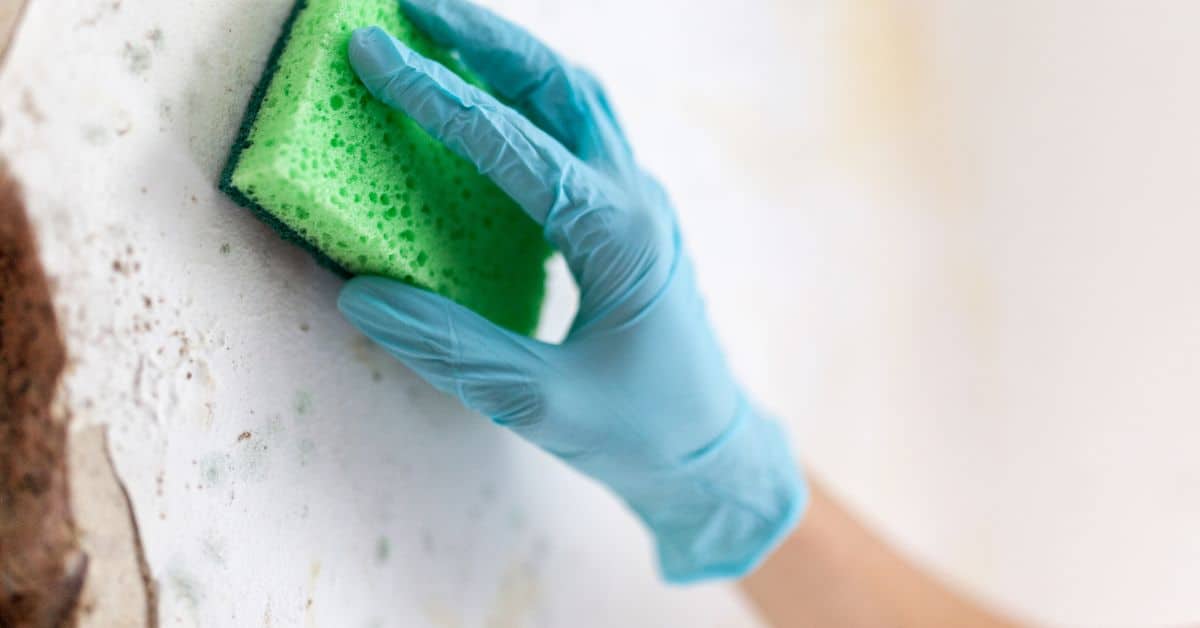
Masking: Use painter’s tape to seal off baseboards, trim, and other areas you don’t want painted. Press down firmly to ensure a good seal.
Remove fixtures: If lap marks are near light switches or outlets, remove the faceplates for easier access and to prevent paint from getting inside.
Ventilation: Ensure proper airflow in your work area to keep dust and fumes at bay. Open windows, use fans, or set up a ventilation system if necessary.
Step-by-Step Repair Process
Differentiate light from severe lap marks to tailor the repair. Look for drying issues, technique problems, or old coatings that need attention. This helps you plan the right corrective path.
For light marks, sand edges to feather, fill if needed, apply a stain-blocking or light primer, and topcoat once for a blended result. For deeper marks, patch or skim coat, let dry, reseal with primer, and apply multiple thin topcoats to even color and sheen. Feather the edges into adjacent areas to fade the repair.
Step-by-Step Repair Process
Follow these practical steps to repair lap marks on your walls, from preparation to final checks.
- Assess the severity of lap marks and identify their cause. Refer back to Preparing the Wall Before Repairing Lap Marks for guidance.
- Put on protective gear: gloves, safety glasses, and a dust mask. Ventilate the area if using sandpaper or chemicals.
- Clean the affected areas with a damp cloth to remove any dirt or debris. Allow to dry completely.
- For light lap marks, follow the Light lap marks: sanding, spot priming, and touch-up section. For severe lap marks, proceed to Severe lap marks: sanding, feathering, and full-panel repaint.
- After painting, allow the recommended drying time before touching or cleaning the area. Recheck for any missed spots or imperfections.
Light lap marks: sanding, spot priming, and touch-up
Gently sand, clean, prime, and touch up light lap marks for a seamless repair.
Start by lightly sanding the affected area using 220-grit sandpaper. This helps to feather the edg