
Introduction
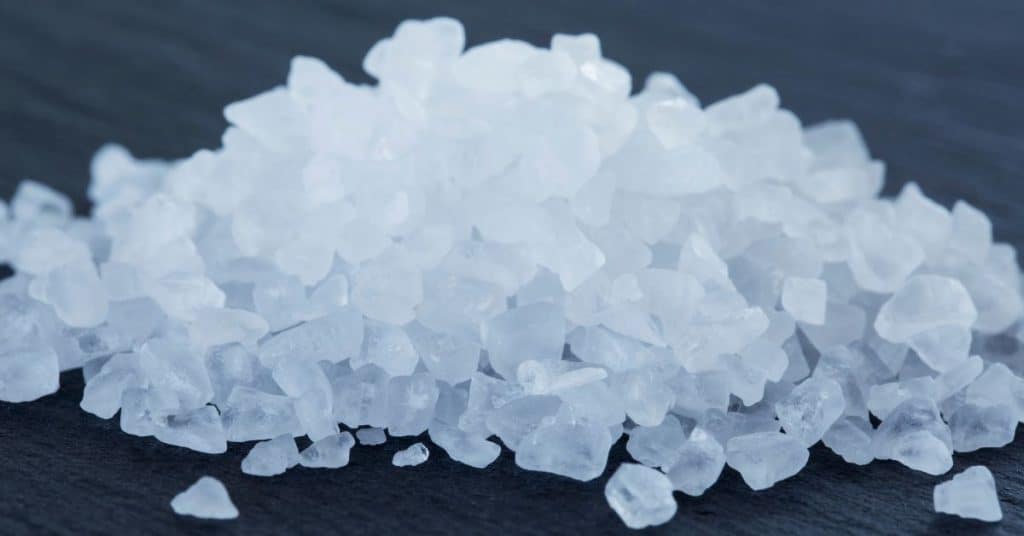
Salt should not be used on concrete because it can damage the surface over time. It can draw moisture, cause scaling, and lead to pitting in some mixes. Before you apply anything, check your product label and follow local guidelines.
If you must de-ice, choose alternatives and follow the product instructions for your situation. Regardless, keep salt away from freshly poured or sealed concrete and plan for proper sealing or maintenance. Ask in-store staff or a professional what is appropriate for your mix and environment.
Key takeaways
- De-icers can accelerate salt damage; minimize application on pervious, high-traffic surfaces.
- Use sand or traction mats for grip; salts are unnecessary for traction.
- Wash exposed concrete after snow events to dilute residues promptly and protect runoff.
- Choose de-icers labeled safe for concrete and follow manufacturer instructions.
- Regular maintenance includes sealing and inspecting cracks from salts and runoff.
- Wear gloves and avoid skin contact with de-icers during application.
Table of Contents
- Introduction
- Key takeaways
- How De-Icing Salt Works on Ice and Concrete
- Common Salts Used and Their Relative Risks to Concrete
- How Salt Actually Damages Concrete (Mechanisms)
- Signs and Visual Checkpoints of Salt-Related Damage
- Preventive Design and Maintenance Strategies to Minimize Harm
- Safer De-Icing and Traction Alternatives
- How to Remove Salt Stains and Remediate Affected Concrete
- Environmental, Pet, and Landscaping Impacts to Consider
- Conclusion
- FAQ
How De-Icing Salt Works on Ice and Concrete
De-icing salts lower the freezing point of water, which helps melt ice. This chemical action happens wherever salt contacts liquid or slushy water. On concrete, that moisture sits on and in the surface and begins to interact with the cement matrix.
As meltwater refreezes, it can push against tiny pores and surface layers. This repeated cycle is what starts to loosen the topmost concrete and opens pathways for further damage. Always check the product label or supplier instructions for specifics on the salt you’re using.
Salt’s action on ice and meltwater
When you spread salt on icy surfaces, it starts to dissolve into the meltwater. This is what makes it an effective de-icer.
The dissolved salt lowers the freezing point of water. That means ice melts faster at temperatures where it would normally freeze solid.
But remember, this process only works when there’s some liquid water present. If the surface is bone-dry or too cold, salt won’t do much good.
Immediate vs. cumulative effects on concrete
Salt works quickly to melt ice and snow, making it a popular choice for clearing walkways and driveways. But its short-term benefits come with long-term costs.
Each time you apply salt, it starts to break down the concrete’s surface. This happens because salt is hygroscopic – it attracts moisture and holds it against the concrete, leading to repeated wetting and drying cycles.
The result? Concrete becomes more porous over time, making it less durable and more susceptible to damage from future freeze-thaw cycles. So while salt might seem like a quick fix, it’s actually causing long-term harm to your concrete surfaces.
Common Salts Used and Their Relative Risks to Concrete
Rock salt is the most common option and tends to be the least expensive. It can be harsh on aged or cracked concrete. Other chlorides, like calcium and magnesium chloride, work at lower temperatures but may cause more chemical interaction with the surface.
Potassium-based blends and organic de-icers are marketed as milder alternatives, yet effectiveness and impact vary by product. Review manufacturer guidance and local recommendations to choose a safer option for your slab. Verify with product data sheets for any concrete compatibility notes.
Sodium chloride (rock salt)
Rock salt, also known as sodium chloride, is the most common de-icer due to its low cost and wide availability. It’s effective at low temperatures but it’s tough on concrete.
Here’s why:
- Corrosion: Rock salt can cause corrosion of steel reinforcement in concrete, weakening the structure over time.
- Scaling: It can also cause surface scaling, making the concrete rough and unsightly.
- Freeze-thaw damage: When water seeps into pores and then freezes, it expands and can break off pieces of concrete.
Calcium and magnesium chlorides
Calcium chloride and magnesium chloride are more expensive than rock salt but work faster at lower temperatures. They’re often used in colder regions.
While they melt ice quicker, they can cause even more damage to concrete:
- Faster corrosion: These salts speed up the corrosion process of steel reinforcement.
- Greater penetration: They penetrate deeper into concrete, causing more extensive damage.
Organic and blended alternatives
Newer organic blends and other alternatives like calcium magnesium acetate (CMA) or potassium acetate are kinder to concrete. They’re more expensive but have lower environmental impact.
Their benefits include:
- Lower corrosivity: These alternatives cause less corrosion of steel reinforcement.
- Better for the environment: They’re less toxic to plants and animals, making them a greener choice.
How Salt Actually Damages Concrete (Mechanisms)
Salt accelerates freeze-thaw damage by promoting moisture movement in and out of the concrete. This increases the number and size of capillary pores over time. Visible cracking and spalling can follow from repeated cycles.
Salt also contributes to surface scaling and dusting as the outer layer loses cohesion. Reinforcement corrosion can be accelerated if chlorides reach embedded steel. For specifics, consult the product guidance and local building codes when planning repairs.
Freeze-thaw and scaling
Salt lowers the freezing point of water. When it’s on your concrete, here’s what happens:
1. Water seeps into tiny cracks in the concrete.
2. When temperatures drop, that water freezes, expanding and widening those cracks.
3. As temperatures rise again, the ice melts, leaving bigger gaps behind. This cycle repeats, causing more damage each time – it’s called freeze-thaw cycling.
The surface of your concrete starts to flake off in layers, like peeling paint. That’s scaling, and it exposes fresh concrete to even more damage.
Corrosion of embedded steel and spalling
Concrete usually protects the steel reinforcement inside it. But when salt’s involved, things go wrong:
1. Chloride ions from the salt penetrate deep into the concrete.
2. They reach the steel, causing it to corrode (rust). This weakens the steel and creates pressure inside the concrete.
3. That pressure causes pieces of the concrete surface to pop off, leaving holes or gaps – that’s spalling. It exposes more steel to moisture and air, speeding up corrosion and weakening your structure.
Signs and Visual Checkpoints of Salt-Related Damage
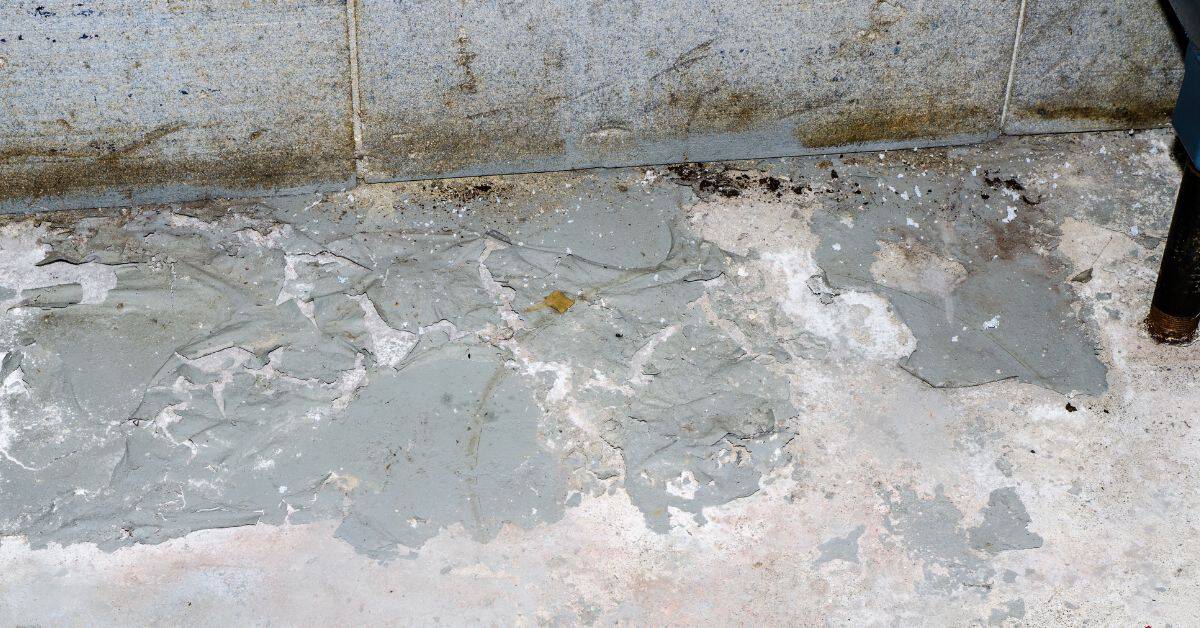
Look for flaking or chipped edges along walkways and steps. Uneven texture or a powdery surface is another telltale sign. Sticky or damp spots after mild weather can indicate ongoing salt activity.
Feel for increased roughness or graininess underfoot, which suggests surface wear. Small cracks that widen with freeze-thaw cycles are common early indicators. Use product labels or a contractor’s inspection note to confirm the cause.
Surface symptoms to watch for
Before you start any repairs or maintenance on your concrete surfaces, use this checklist to identify signs of salt-related damage. This will help you address the issues effectively and prevent costly rework.
- Flaking: Check for small pieces of concrete breaking off from the surface. Tap suspected areas gently with a hammer; if it sounds hollow, there’s likely delamination underneath.
- White salt deposits: Look for white, powdery or crystalline substances on the surface. A simple wipe test can confirm their presence – they should leave a residue on a damp cloth.
- Pitting: Inspect for small holes or indentations in the concrete surface. Use a flashlight at an angle to highlight these imperfections, which may not be visible under direct light.
- Discoloration: Check for stains, patches of different colors, or a general graying of the concrete. Compare suspect areas with unaffected ones to confirm discoloration.
- Cracking: Inspect for hairline cracks or larger fissures. Use a mirror on a stick to check hard-to-reach areas and ensure cracks aren’t hidden from view.
- Spalling: Look for small pieces of concrete breaking off at the edge, exposing the aggregate beneath. This is often caused by freeze-thaw cycles and salt intrusion.
- Efflorescence: Check for a white, powdery substance on the surface that appears to be “blooming” out from cracks or joints. This is typically a sign of excess moisture and potential salt damage.
- Popouts: Inspect for small, round areas where the concrete has popped out, leaving a depression. These are often caused by air pockets or improper curing and can be exacerbated by salt intrusion.
Quick rule: If you notice any of these symptoms, don’t just focus on the surface. Salt-related damage typically indicates deeper issues that need to be addressed for lasting repairs.
Structural warning signs
Use this checklist when inspecting your concrete surfaces for signs of salt-related damage. If you notice any of these issues, it’s time to take a closer look or consult a professional.
- Cracking around joints: Check if cracks are wider than 1/8″ (3mm) and extend deep into the concrete. Use a screwdriver or chisel to gently probe the crack’s depth.
- Exposed aggregate: Look for areas where the top layer of cement has flaked off, exposing the coarse aggregate beneath. This could indicate deeper damage.
- Crumbling edges: Inspect corners and edges for signs of crumbling or chipping. Tap these areas gently with a hammer; if it sounds hollow, there might be a void inside.
- Uneven settling: Measure the concrete surface with a straight edge and level to check for uneven settling or sagging. Any significant variations warrant further investigation.
- Popping sounds: Listen for popping or cracking sounds when the temperature changes, especially in cold weather. This could indicate salt expansion inside the concrete.
- Delamination: Check for areas where the concrete surface seems to be peeling away from the underlying structure. Press on these areas; if they feel spongy, there might be a problem.
- Salt efflorescence: Look for white, powdery deposits on the concrete surface. This is a sign that salt has migrated to the surface and could indicate deeper issues.
- Widespread cracking: If cracks are widespread and numerous, it might be a sign of structural issues caused by salt damage. Check if these cracks follow patterns or seem to radiate from a central point.
Quick rule: If you notice any of these signs in combination with each other, or if they cover more than 10% of the concrete surface, it’s time to call a professional for an evaluation. Catching these issues early can prevent expensive repairs down the road.
Preventive Design and Maintenance Strategies to Minimize Harm
Choose concrete mixes and curing practices with durability in mind, especially for exterior surfaces. Adequate air-entraining admixtures can improve freeze-thaw resistance. Consider design tweaks that promote drainage away from slabs.
Maintain clean surfaces and promptly remove any salt deposits when practical. Regular sealing and timely repairs of cracks reduce the pathways for salt intrusion. Check with the concrete supplier or local standards for recommended practices.
Best practices for new and existing concrete
When pouring new concrete, follow these best practices to improve its durability against salt damage:
Use high-quality materials. Opt for Type III cement or use fly a