Why Commercial Roofing and Siding Must Work Together: Common Failure Points (and Fixes)

Why Commercial Roofing and Siding Must Work Together: Common Failure Points (and Fixes)

Introduction

Coordinating roofing and siding prevents leaks and failures by aligning materials, flashing, and installation practices.

The article explains why misalignment causes problems and shows how to plan, communicate with teams, and apply practical steps to avoid common failure points.

You’ll learn how to assess timelines, set expectations, and implement reliable fixes that extend the life of a commercial exterior.

Key takeaways

  • Treat roofing, siding, and drainage as an integrated building-envelope system.
  • Prioritize proper detailing at roof-to-wall interfaces to prevent leaks.
  • Ensure slopes and drainage paths match common gutter and scupper layouts.
  • Assess material interactions: metal, single-ply, asphalt, and siding compatibilities.
  • Implement seasonal inspection schedules focusing on edge flashing and flash-throughs.
  • Document fixes and retrofits with clear sequences and performance checks.
Table of Contents

How roofing, siding, and drainage form a single building-envelope system

The building envelope is not a collection of separate parts; it is an integrated system where roof, siding, gutters, and coping work together to keep water, wind, and pests out. Treating these elements as one coordinated layer helps prevent failures that cascade from one detail to another. Start with a clear view of how each junction affects the whole enclosure.

Failures often start at junctions like roof-to-wall transitions, penetrations, and edge details, driven by movement and water ingress rather than a single component behaving badly. Look for how drainage, air barriers, and weatherproofing align across surfaces. Use practical checks to verify that detailing and sequencing support long-term performance and ease of maintenance.

System interactions and failure chains

The roof, siding, gutters, and coping aren’t just separate parts. They’re a team working together to keep water out.

Here’s how failures can spread:

Clogged gutter leads to water backing up, saturating the wall. Saturated walls can’t dry out, leading to rot and mold. Rot weakens the structure, allowing wind to tear off siding, leaving the wall exposed.

That’s just one chain. There are many more. Each failure opens the door for another.

Key components and how they connect

The roof edge, flashing, fascia, gutters, siding, and parapets – each has a job to do. And they all depend on each other.

Roof edge directs water into the gutter. Flashing seals around penetrations like vents or chimneys. Fascia supports the gutter and protects the roof’s edge from wind and rain.

Gutters collect water, while downspouts carry it away. Siding protects the walls, but also needs to let moisture escape. Parapets protect the roof edge at the building’s perimeter.

Each of these has joints and details where water can intrude or mechanical failure can occur. Keep an eye on them all.

Back to top ↑

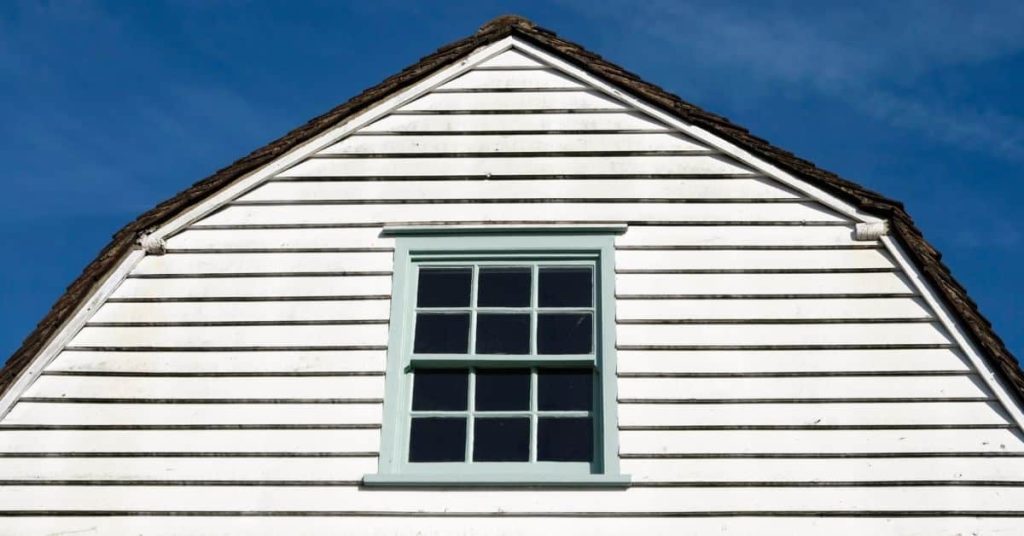
Gambrel roof with white siding and centered window
Demonstrates integration of roof, siding, and window in building envelope

Most common failure points at roof-to-wall and roof-edge details

Identify the top trouble spots where water and wind stress accumulate: roof-to-wall flashing, coping at parapets, gutter terminations, and siding laps. Each junction must manage movement and moisture without creating backflow paths. Treat these edges as critical pressure points in the overall system.

Expect common failure modes like aging sealants, corroded flashing, and misaligned or undersized components. Diagnostic cues include visible gaps, loose copings, and questionable drainage at edges. Use best practices for detailing, compatible sealants, and proper termination to extend life and reduce leaks.

Roof-to-wall flashing and roof-to-siding transitions

The junction where your roof meets the walls is a critical point. Get this wrong, and you’re asking for trouble.

Improper step/continuous flashing is a common culprit. If it’s not properly stepped or continuous, water can wick right behind it. Look for visible gaps or signs of staining on the wall.

Missing counter-flash is another red flag. It’s designed to keep water out at the top of the flashing. Without it, you’re leaving your walls exposed.

Coping, parapet caps, and termination failures

The tops of your parapets and coping are where water should flow off. But if they’re not sealed right, that’s not happening.

Metal separation at the miters can let water in. Check for any gaps or daylight visible from the inside. Anchor corrosion can also cause coping to lift, creating an entry point for water.

Open miters are another failure point. If they’re not properly sealed, water will find its way in and stain your walls.

Back to top ↑

Drainage components serve different roles on commercial roofs: drains, scuppers, and perimeter gutters each have a place. Understand where each is used and how they connect to the siding drainage plane. Proper layout prevents standing water and wind-driven leaks.

Common issues come from clogged gutters, undersized or blocked scuppers, and improper slopes. Check edge details and penetration flashings for proper connections. Pair drainage design with wall assemblies to keep water from finding new paths around joints.

Clogged or undersized gutters and scuppers

Gutters and scuppers are crucial for draining water off your commercial roof. But they can cause trouble if not maintained properly.

Clogs in gutters and undersized scuppers lead to water backup. This water can seep into flashing, accelerating corrosion and causing leaks. In cold regions, freeze-thaw cycles can even lift shingles or membranes, leading to costly repairs.

To spot issues, visually inspect gutters and scuppers during regular maintenance checks. Look for debris buildup, rust, or signs of water overflow. Clear any blockages promptly to prevent further damage.

Ponding water and insufficient slope

Flat and low-slope roofs need proper drainage to function effectively. Ponding water is a common issue that can cause significant damage.

Water sitting on the roof for extended periods puts stress on membranes, leading to seam failures. It also increases the load on your roof, potentially causing structural issues over time. Plus, standing water creates an ideal breeding ground for mold and mildew.

To detect chronic ponding, look for consistent water accumulation after rain or snow melt. You can also perform a simple test: place a small float or ball on the roof surface in suspected areas. If it doesn’t roll off within 48 hours, you’ve got a slope issue.

Back to top ↑

Material-specific interactions and pitfalls (metal, single-ply, asphalt, siding types)

Dissimilar materials interact chemically and thermally, so plan for galvanic protection, isolation, and compatible coatings. Exposed fasteners and grounding require attention to prevent corrosion hotspots. Always verify isolation methods at joints and transitions.

Thermal movement can cause gaps and buckling if joints and sealants aren’t forgiving. Different roofing and siding substrates respond to moisture and UV differently, so check adhesive compatibility and seam integrity. Field checks should focus on movement, corrosion risk, and proper flashing for each pairing.

Metal Roofs and Adjacent Materials: Dissimilar Metal Risks

Choosing compatible materials for your roof and siding is crucial to prevent premature deterioration. Here are some key considerations:

  • Steel roofs with aluminum siding: Avoid direct contact; use isolation barriers like flashing or caulking.
  • Aluminum roofs with steel siding: Similarly, keep them separated to prevent galvanic corrosion.
  • Exposed fasteners: Ensure they’re compatible and well-coated. Check for signs of rust or corrosion.
  • Grounding: Proper grounding prevents electrical currents from causing accelerated corrosion.
  • Protective barriers: Use them to separate dissimilar metals, preventing galvanic action.

Single-Ply Membranes, Asphalt, and Siding Interfaces

When installing single-ply membranes with asphalt or other siding types, consider these interaction points:

Attachment concerns: Ensure fasteners are compatible with both membrane and siding materials. Use appropriate sealants to prevent water intrusion.

Solvents and adhesives used in siding installation can soften or dissolve single-ply membranes, leading to seam failure. Keep these chemicals away from the membrane during installation.

Water intrusion: Proper flashing and termination details are crucial at the interface between membrane and siding. Water entering here can compromise both materials’ performance.

Back to top ↑

roof with asphalt shingles and metal roofing panels on dormers
Demonstrates material interaction between metal panels and asphalt shingles

Inspection, maintenance schedules, and seasonal priorities

A practical maintenance routine starts with quarterly checks on gutters, roof drains, flashings, and visible siding edges. The goal is to catch debris buildup or loose components before they create leaks. Keep the inspection cadence aligned with actual conditions on site.

Semiannual checks should cover sealants, penetrations, and weatherproofing joints, plus siding fasteners and coatings. An annual audit of the roof-siding interface ties together findings and informs repairs. Tie inspections to seasonal risks and adjust frequency based on site factors.

Visual checkpoints and what to document

Use this checklist during each inspection to quickly identify visible issues.

  • Loose or missing fasteners: Check siding edges, flashings, and gutters. Loose fasteners can lead to water intrusion.
  • Open seams: Inspect where different materials meet – roof to wall, siding to flashing. Open seams allow water entry.
  • Debris in scuppers or gutters: Remove leaves, twigs, and dirt. Clogged drains cause water backup and overflow.
  • Softened or damaged siding: Press on siding gently. Soft spots indicate water damage or rot.
  • Cracked or missing sealant: Check around vents, curbs, and transitions. Missing sealant lets water in.
  • Rust or corrosion: Inspect metal flashings, gutters, and downspouts. Rust weakens structures and can cause leaks.
  • Warped or buckled siding: Check for uneven surfaces. Warping indicates water damage or improper installation.
  • Mold or mildew: Look for black, green, or white spots. Mold growth signals moisture problems.

Quick rule: Document all findings with photos and notes to track changes over time and aid contractors or insurers.

When to escalate to a professional inspection

Certain signs indicate the need for a certified specialist’s help.

  • Visible water stains: On ceilings, walls, or siding. Stains hint at hidden leaks and damage.
  • Persistent ponding water: On flat roofs or around foundations. Standing water can cause serious damage over time.
  • Repeated leak repairs: In the same area. Frequent leaks suggest an underlying problem not addressed by quick fixes.
  • Cracked or damaged parapets: Parapet walls protect roof edges and should be inspected if cracked or leaning.
  • Sagging or deflecting roof deck: Check for soft spots. Sagging indicates structural damage that needs immediate attention.
  • Foul odors coming from the attic: Musty smells can indicate mold growth due to water intrusion.
  • Exterior paint peeling or bubbling: Paint issues often signal underlying moisture problems.

Quick rule: If you notice any of these signs, don’t wait – contact a professional for an inspection as soon as possible.

Back to top ↑

Fixes and retrofit solutions that restore integrated performance

Start with a clear scope that targets integrated performance across roofing and siding systems. Identify root causes to prevent recurrence and set a realistic timeline and budget. Quick wins can be implemented without compromising long-term reliability.

Retrofitting may include flashing replacements, coping work, gutter upgrades, and curb or scupper rework. Always check material compatibility, sealing details, and warranty implications. A structured diagnostic and verification plan ensures lasting improvements and documented performance gains.

Durable detail fixes (flashing rebuilds, through-wall flashing, sealed terminations)

When your roofing and siding don’t work together, water finds its way in. To fix this, you might need to rebuild some details from scratch.

Flashing is the first line of defense. If it’s damaged or missing, replace it entirely. Don’t just patch it up – that’s a band-aid solution.

Through-wall flashing and sealed terminations are crucial too. They stop water from getting behind your siding and causing rot. If they’re not doing their job, rebuild them properly.

Drainage upgrades and redundancy options

Water needs a way out. If your current drainage isn’t cutting it, upgrade it.

Adding scuppers or overflow drains can give water extra escape routes. Larger gutters can handle more water too. And heat-trace or debris-resistant grates? They keep your drains clear and working.

Think of these as insurance policies. You hope you never need them, but if a big storm hits, they’ve got you covered.

Back to top ↑

DIY care, tools checklist, and safe practices for building staff

Define a practical scope that keeps tasks safe for building staff while supporting coordination with roofing and siding teams. Keep tasks small and within the team’s skill set to avoid high-risk work. When in doubt, escalate to licensed pros for complex or hazardous tasks.

Prepare a tools and materials checklist organized by job: inspection, minor repairs, cleaning, and sealant work. Include basic safety gear and ladder or fall-protection equipment. Document procedures and know when to stop for weather or safety concerns.

Routine cleaning and quick repairs staff can do safely

Use this checklist for simple, safe tasks that building staff can perform to maintain roofing and siding coordination. These tasks help prevent minor issues from becoming major problems.

  • Clear gutters and scuppers: Remove debris every 6 months to ensure proper water drainage. Clogged gutters cause overflows, leading to water damage on siding and foundations.
  • Tighten accessible fasteners: Check and tighten any loose screws or nails on both roofing and siding. Loose fasteners can allow water intrusion and lead to further damage.
  • Re-caulk minor siding joints: Inspect caulking around windows, doors, and corners. Fill gaps with new caulk to prevent water from entering and causing rot or mold.
  • Remove moss and algae: Scrape off visible growth on roofing and siding surfaces. Left untreated, these can hold moisture, promoting further growth and damaging materials.
  • Inspect flashing at edges: Check for any lifted or damaged flashing around roof edges, walls, and chimneys. Damaged flashing allows water intrusion, leading to leaks and damage to both roofing and siding.
  • Clean off dirt and mildew: Use a soft-bristle brush and mild detergent to clean surfaces gently. Dirt and mildew can trap moisture, accelerating material degradation.
  • Check for animal nests: Remove any bird or squirrel nests from gutters, scuppers, or roof valleys. Nests can block water flow, causing overflows and damage.
  • Inspect sealant around penetrations: Check for cracks or gaps in sealant around vents, skylights, and other roof penetrations. Damaged sealant allows water intrusion, leading to leaks and damage to both roofing and siding.

Quick rule: Always prioritize safety. If a task seems too risky or requires specialized tools, escalate it to licensed professionals.

Items not to DIY and why (roof membrane work, flashing replacement, coping welding)

Certain tasks should be left to qualified professionals to avoid voiding warranties, creating bigger failures, or causing safety hazards. Use this checklist to identify such tasks.

  • Roof membrane repair: Do not attempt to repair damaged roof membranes yourself. Incorrect repairs can lead to further damage and void warranties.
  • Flashing replacement: Replacing flashing requires specialized tools and knowledge. Improper installation can cause leaks and water intrusion, leading to significant damage.
  • Coping welding: Welding coping caps or other metal components requires proper safety measures and expertise. DIY attempts can result in fires, injuries, or improperly sealed joints that leak.
  • Asbestos removal: If your building has asbestos-containing materials, do not attempt to remove them yourself. Asbestos is hazardous, and its safe removal requires specialized training and equipment.
  • Working at heights: Tasks requiring work above ground level should be left to professionals with proper fall protection training and equipment.
  • Electrical work around roofing/siding interfaces: Do not attempt electrical repairs or installations near roofing or siding. Incorrect work can cause electrocution, fires, or damage to materials.
  • Gas line work around roofing/siding interfaces: Leave any gas line repairs or installations near roofing or siding to licensed professionals. Improper work can lead to gas leaks and explosions.

Quick rule: If a task seems complex, dangerous, or requires specialized knowledge, always consult with or hire licensed professionals to ensure safety and proper execution.

Back to top ↑

Cost, insurance considerations, and lifecycle economics

Evaluate the total cost of ownership by weighing reactive repairs against preventive maintenance. Consider upfront capital needs versus ongoing operations and potential downtime. Plan for long-term value rather than the cheapest immediate fix.

Identify cost drivers such as materials, installation quality, flashing details, penetrations, and coatings. Explain how maintenance scheduling can influence insurance claims and premiums through thorough documentation. Use a practical framework to guide budgeting and capital planning without relying on vendor quotes.

How Neglect Raises Repair Costs and Claim Complexity

Neglecting regular maintenance can turn simple, cheap fixes into expensive repairs. Here’s how:

Gutter clogging might seem minor, but it leads to water backup, rot, and eventually, full replacement. Cleaning gutters annually costs $100-$200, while replacing them runs $800-$3500.

Insurers scrutinize claims for deferred maintenance. They might deny coverage if they find signs of neglect, like peeling paint, mold, or water damage. Keep records of regular inspections and repairs to protect your claim.

Budgeting for Preventative Maintenance and Expected ROI

Preventive maintenance saves money in the long run. Here’s how to budget for it:

Allocate 1-4% of your building’s replacement value or annual operating budget for preventative work. Locally, this might be higher due to severe weather.

For example, if your roof and siding cost $50,000 to replace, budget $500-$2000 annually for maintenance. This includes inspections, cleaning, and minor repairs.

Preventive work pays off by avoiding major repairs. A simple $100 annual gutter cleaning can prevent a costly replacement down the line. Expect a payback period of 3-5 years on preventive investments.

Back to top ↑

Gambrel roof with wood shingle siding and two windows
Showing the importance of seamless roofing and siding integration

Conclusion

Keep in mind that the roof, walls, and drainage live as one system. A flaw anywhere pulls down durability, safety, and curb appeal, so protect people and the building by treating it as an integrated envelope.

To move from planning to action, walk the roof and edges with a purpose: first check that roof-to-wall connections and flashing are solid, then verify gutters, scuppers, and slope are directing water correctly, then review material interfaces for metal, single-ply, and siding types, and finally set a practical maintenance schedule that fits the climate and usage. When you’re ready, test small areas first, document what you see, then patch or retrofit in the simplest, most durable way before expanding.

Avoid common missteps like rushing through details, pairing incompatible metals without proper barriers, or outsourcing a fix without confirming it restores the whole system. Don’t work on a roof in wet or windy conditions, don’t skip fall protection, and don’t ignore safety gear or ladder practices. The core rules are simple: keep rain moving away from the structure, use sound seals at edges, and document every change so you can verify results over time. safety first and the single building-envelope system mindset will save you costly calls and drama, especially when weather shifts at the wrong moment.

If any part of the system feels beyond your reach—especially complex flashing, mixed materials, or signs of hidden water damage—call a pro. They can confirm the plan, handle critical details, and help you avoid costly mistakes while you stay focused on routine, proactive care. With clear checks, solid fixes, and steady maintenance, you’ll keep the roof and siding performing together for years to come.

Back to top ↑

FAQ

Why do roof and siding failures happen together?

Roof and siding share weather exposure. If one area leaks, water can push under the other and damage framing, insulation, and trim. Fixing only one part often lets the other fail again.

What should I look for during a combined roof and siding inspection?

Check for loose or missing fasteners, broken seals, and gaps where water can get in. Look for stains, peeling paint, or dark spots on the sheathing. If you see sagging edges or bowing panels, shade in on the problem fast.

How do I avoid bad fixes that mask the real problem?

Don’t patch around the edges without addressing flashing and drainage. Don’t assume a cosmetic fix stops water. A proper sealant, flashing, and proper venting are needed to keep water out.

When should I call a pro instead of DIYing?

If you see widespread leaks, mold, or structural signs, stop and call a pro. Roofing and siding work needs ladders, fall protection, and proper flashing. A small mistake can cost you big later.

Back to top ↑