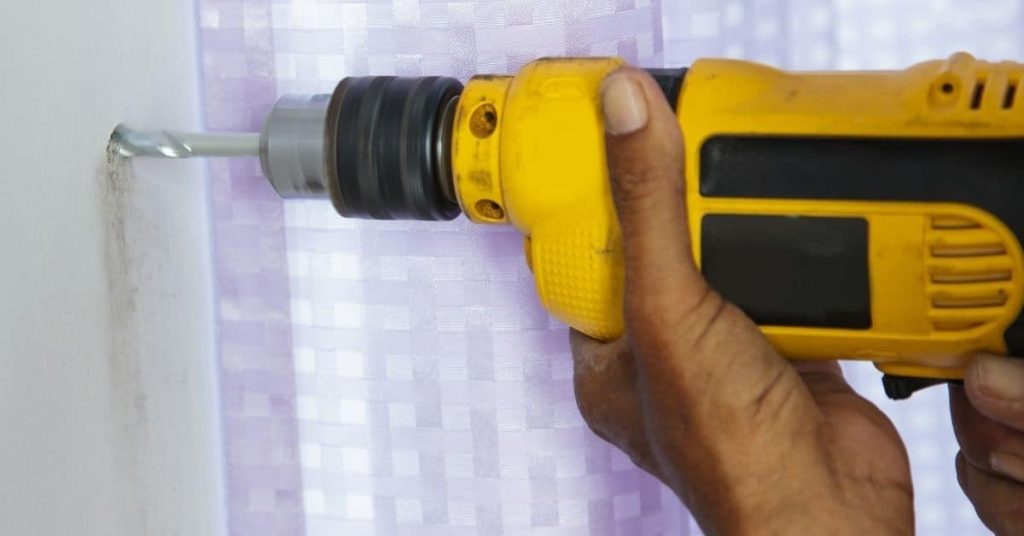
Hand holding yellow electric drill drilling masonry wall

Parapet Caps and Stucco: Top-Edge Details That Stop Water Entry

Introduction

Parapet caps and top-edge detailing are practical, water-shedding features that keep rain from entering at the roof edge.

They create a barrier and direct moisture away, so you don’t get leaks behind the stucco.Think of them as the crown that seals and protects the top of your parapet.

Key takeaways

  • Ensure parapet cap edges slope away to shed water and prevent pooling.
  • Flashing should extend properly behind caps and integrate with stucco.
  • Use compatible materials; always check manufacturer instructions for compatibility.
  • Install drip edges and joint sealants to stop water intrusion.
  • Do not cap concrete surfaces without a slip-sheet and proper bonding.
  • Always wear eye protection and fall protection when inspecting parapets.
  • Regular inspections after storms; look for cracks, loose caps, bulging stucco.
Table of Contents

How Parapets and Stucco Interact — Fundamentals

Parapet caps work with the stucco to cap the top edge and shed water away from the wall. Stucco claddings rely on proper detailing at the top to resist entry from rain and splashed moisture. Water tends to intrude first at the top edge where the cap, flashing, and finish meet, then can travel down behind the surface if gaps exist.

Understand the difference between surface water on the face and moisture that finds gaps at the top edge. Details at the parapet cap must work with the stucco system to form a continuous barrier. Always verify with the manufacturer instructions or local code guidance if you are unsure about a given detail.

Water entry pathways at parapet tops

Water can sneak into your stucco system through several routes at the top of your parapets. It’s crucial to understand these pathways to prevent water intrusion.

First, overtopping occurs when rainwater flows over the top edge of the parapet cap due to heavy rainfall or clogged gutters. This water can then seep into the stucco system if not properly flashed and drained.

Secondly, a failed cap allows water entry. If the cap is cracked, damaged, or improperly installed, it can’t direct water away from the wall, leading to intrusion.

Lastly, failed transitions between the parapet cap and stucco system let water in. This happens when there’s no proper flashing or drainage plane at these junctions, allowing water to wick into the stucco.

Components of a parapet-stucco assembly

A well-built parapet-stucco assembly has several key components working together to shed water effectively. Here’s how they function:

The cap, typically made of concrete or metal, sits at the top of the wall. Its primary role is to direct water away from the wall and prevent it from flowing over the top.

Underneath the cap lies the flashing. This thin, impermeable material creates a barrier that prevents water from entering behind the stucco. It also helps direct water downwards towards the drainage plane.

The drainage plane, usually a house wrap or felt paper, allows water to drain downwards while preventing it from getting trapped and causing damage. Above this sits the lath/mesh, which provides a base for the stucco to adhere to. Finally, the finish coat completes the system, providing the final layer of protection against water intrusion.

Back to top ↑

Parapet Cap Materials and Design Options

Common cap materials include metal, stone, and engineered composites. Each profile has its own ease of installation and compatibility with stucco finishes. Consider how a chosen material will weather, expand and contract, and interact with movement joints.

Evaluate maintenance needs and potential staining or corrosion risks for your climate. Check product labels and data sheets for compatibility with stucco, painting, or coating systems. If in doubt, consult the manufacturer instructions or a local builder for guidance.

Metal caps: choices and compatibility

When it comes to metal parapet caps, you’ve got a few options. Stainless steel, galvanized steel, aluminum – each has its pros and cons.

Stainless steel is durable and corrosion-resistant, but it’s pricier. Galvanized steel is cheaper, but it can corrode over time if not maintained properly. Aluminum is lightweight and won’t rust, but it might dent or bend.

Before you decide, check with manufacturers about compatibility with your stucco system and sealants. Some metals play nice, others not so much.

Masonry, concrete, and preformed caps

Rigid caps like concrete or stone can add a solid, robust look to your parapet. Preformed caps are easy to install, but they might limit design flexibility.

Attachment is key here. You’ll need proper anchors and reinforcement to keep these heavy guys in place. Coping detail matters too – you want a smooth transition from cap to wall to prevent water entry.

Concrete and stone can crack over time, so consider that when making your choice. And remember, they’re heavy – make sure your wall can handle the weight.

Composite and coated cap systems

Looking for an alternative to metal or masonry? Consider composite or coated caps. These guys mimic the look of wood, stone, or other materials without the maintenance hassle.

Finish choices are wide – you can get a cap that looks like aged copper, weathered wood, or smooth stone. Just make sure it’s compatible with your stucco system and local climate.

Composite caps won’t rust or rot, but they can fade over time. And while they’re lighter than concrete or stone, they might not be as durable in high-traffic areas.

Back to top ↑

Flashing, Coping, and Transition Details That Stop Leaks

Flashing must extend behind the parapet cap and integrate with the stucco to direct water into the drainage path. Coping should sit over the top edge to shed water and resist wind-driven infiltration. Transitions between cap, stucco, and parapet shell are where leaks most often start.

Design these details to maintain a continuous weather-resistive barrier. Refer to product data sheets and installation manuals for recommended overlaps, sealants, and attachment methods. If you cannot confirm specifics, check with the manufacturer or a local code reference before proceeding.

Continuous and through-wall flashing principles

Flashing is your first line of defense against water intrusion at parapet tops. It’s a thin, impermeable barrier that diverts water outboard of the stucco.

Continuous means it runs uninterrupted along the entire length of the parapet. Through-wall means it extends into the wall cavity, creating a direct path for water to exit.

Proper placement is crucial. Flashing should start at the top of the parapet and extend down both sides, lapping over the stucco by at least 2 inches.

Use wide flashing – at least 4 inches – to provide ample coverage and prevent water from getting behind it.

Drip edges, coping overhangs, and end dams

Drip edges are the outer lip of your parapet cap. They’re designed to shed water away from the wall.

Coping overhangs extend this protection by creating a larger drip line. The wider the overhang, the more effective it is at keeping water off the stucco.

End dams are flashing pieces that run vertically along both ends of the parapet cap. They prevent water from getting behind the cap and seeping into the wall.

Reglets – those horizontal grooves in your stucco – help here too. They catch any water that gets past the drip edge and end dams, directing it outboard and away from the wall.

Reglets, counterflashing, and termination points

Reglets are critical for proper water management. They should be placed at every change in plane – like where the parapet meets the wall – to catch any water that gets past your defenses.

Counterflashing is a second layer of flashing that laps over and seals the top edge of the reglet. It’s usually made of metal and provides an extra barrier against water intrusion.

Proper termination points are equally important. Flashing should terminate at a point where it can’t collect or trap moisture – like at a drip edge, or under a coping stone.

During installation, check that all these elements are properly aligned and sealed to prevent any trapped moisture from causing damage over time.

Back to top ↑

Installation Sequence and Best Practices

Start with a clean, dry substrate and proper prep of the edge for flashing. Install flashing and moisture barriers before setting the parapet cap. Attach the cap in a way that allows drainage and thermal movement without pinching the seal.

Finish with the stucco after the cap is secured and the transition is sealed. Follow a consistent pattern for joints and washouts, and avoid over-tightening fasteners. When in doubt, verify the sequence against the product instructions or a trusted local guideline before you begin.

Substrate preparation and inspection before installation

Before you start installing flashing, caps, or stucco, it’s crucial to inspect the substrate. This checklist helps ensure your top-edge details will stop water entry.

  • Check for soundness: Tap the parapet with a hammer. Hollow sounds indicate damaged concrete.
  • Inspect drainage plane continuity: Ensure there are no gaps or breaks in the existing drainage plane that could allow water to penetrate.
  • Examine lath condition: Check for any damaged, missing, or rusted lath. Replace as needed.
  • Verify slope: The parapet should slope slightly away from the building to direct water outwards.
  • Check for existing leaks: Use a garden hose to simulate rain conditions and look for any signs of water entry.
  • Remove loose material: Chip off any loose concrete or stucco that could fall during installation.
  • Clean the surface: Ensure the substrate is clean and free of debris to promote good adhesion.
  • Prime the surface: Apply a primer to seal the substrate and improve bond strength.

Quick rule: Skipping these checks could lead to leaks, poor adhesion, or even cap failure.

Installing flashing, cap, and stucco in the correct order

Proper installation sequence is key to maintaining a continuous drainage path. Here’s how to do it:

First, install your flashing. This creates a waterproof barrier that directs water outwards. Ensure it’s properly sealed and integrated with the wall.

Next, attach your parapet cap. Follow manufacturer guidelines for fastening. Make sure it’s level and aligned with the wall.

Finally, apply your stucco. Start at the bottom and work your way up to ensure proper bonding. Keep a consistent thickness to maintain a smooth finish.

Fastening, sealants, and allowances for movement

Proper fastening is key to keeping your cap in place. Use the recommended anchors from the manufacturer.

Sealants play a crucial role in preventing water entry. Apply them where the cap meets the wall and at any joints or cracks. Always use a compatible sealant.

Allow for movement: Parapets can expand and contract with temperature changes. Make sure to install expansion joints in your stucco to accommodate this movement. Check manufacturer guidance for specific allowances.

Back to top ↑

Hand wearing glove installing fastener into foam board insulation

Common Failure Modes and How to Diagnose Them

Typical failures include water entry at the top through gaps in the cap, deteriorated flashing, or cracks around transitions. Look for staining, dampness on the interior side, or loose cap edges as visual clues. Peeling or delamination of finish near the edge can indicate movement or improper bonding.

Diagnose root causes by inspecting the cap seating, sealants, and continuity with flashing. If symptoms are present, compare findings with the manufacturer instructions or a local building standard. Avoid guessing; confirm details and ranges with documented guidance.

Corrosion, displacement, and cap deterioration

Metal parapet caps can corrode over time, especially if they’re not properly protected. Look for:

  • Rust stains running down the cap or walls.
  • Flaking paint or exposed metal.

Loose caps let water in. Check for:

  • Gaps between the cap and wall.
  • Cap movement when you push on it.

Failed sealants also cause leaks. Inspect for:

  • Cracked or missing sealant at joints.
  • Water stains around joints.

Stucco cracking, delamination, and moisture staining

Cracks in the stucco can let water in. Check for:

  • Horizontal or vertical cracks.
  • Cracking at corners, where two walls meet.

Delamination happens when the stucco pulls away from the wall. Look for:

  • Bubbles or blisters in the stucco.
  • Stucco that feels hollow when tapped.

Interior staining often means water’s getting in. Inspect for:

  • Water stains on ceilings or walls below the parapet.
  • Musty odors, which could indicate mold growth.

Hidden problems: trapped moisture and mold risks

Moisture can get trapped in the wall assembly, causing hidden damage. To diagnose:

  • Use a moisture meter to probe walls for excess moisture.
  • Consider infrared scanning, which shows temperature differences that can indicate moisture.

Trapped moisture can lead to mold growth. Check for:

  • Visible mold or mildew on walls, ceilings, or inside the assembly.
  • Musty odors, even if you can’t see any mold.

If you find signs of trapped moisture or mold, address it promptly to prevent further damage and health risks.

Back to top ↑

Inspection, Maintenance, and Repair Strategies

Adopt a routine annual inspection focusing on top-edge seals, flashing, and the cap’s attachment. Clean and reseal where necessary to prevent moisture ingress. Plan minor repairs before larger issues develop to extend the life of the system.

Decide between minor patchwork and full replacement based on visible wear, movement, and water intrusion symptoms. Always reference product labels and installation guides when performing repairs, and consult local rules if required for maintenance work on parapets.

Visual checkpoints and routine inspection checklist

Use this checklist every six months to catch potential issues early.

  • Seals: Check for cracks or gaps in sealants. Missing or damaged seals let water in.
  • Fasteners: Ensure fasteners are tight and not rusted. Loose or corroded fasteners can cause cap displacement.
  • Cap alignment: Make sure the cap is level and properly aligned with the wall. Misaligned caps can trap water.
  • Finish condition: Inspect for cracks, chips, or other damage to the cap’s surface. Damage exposes underlying materials to moisture.
  • Drip edge: Ensure drip edges are intact and functioning properly. Damaged drip edges can lead to water intrusion.
  • Coping overhangs: Check coping overhangs for signs of wear or damage. Worn coping can allow water to bypass the cap.
  • End dams: Inspect end dams for cracks or gaps. Damaged end dams can cause water to leak behind the cap.
  • Reglets and counterflashing: Ensure these are intact and properly sealed. Damage here can allow water to enter at termination points.

Quick rule: Regular inspections help prevent small issues from becoming big, expensive problems.

Preventive maintenance tasks and frequency guidance

Perform these tasks annually to keep your parapet caps in top shape.

  • Sealant refresh: Renew sealants every year, or as needed based on climate. Old or damaged sealants can’t stop water.
  • Corrosion control: Inspect and treat fasteners for corrosion annually. Corroded fasteners can cause cap displacement.
  • Clear drainage paths: Keep drip edges, coping overhangs, and end dams clear of debris. Blocked paths trap water and cause leaks.
  • Inspect termination points: Check reglets and counterflashing annually for signs of wear or damage. Damaged termination points can allow water entry.
  • Check local climate impacts: Adjust maintenance frequency based on your region’s weather patterns. Harsh climates may require more frequent maintenance.

Quick rule: Regular preventive maintenance extends the life of your parapet caps and prevents costly repairs.

Repair approaches: patching, flashing retrofit, and cap replacement

Use these repair methods based on the severity of damage to keep water out.

  • Patching: Small cracks or chips can be patched. Patching keeps minor issues from becoming major problems.
  • Flashing retrofit: If fasteners are corroded, replace them with flashing retrofits. Retrofits prevent further corrosion and cap displacement.
  • Cap replacement: If the cap is severely damaged or displaced, it may need to be replaced entirely. Full replacement ensures long-term waterproofing.
  • Signs of full replacement needed: Multiple cracks, severe displacement, or extensive corrosion indicate a full cap replacement is required.

Quick rule: Address repairs promptly and choose the right repair method to prevent further damage and keep your parapet caps waterproof.

Back to top ↑

Tools, Materials Checklist and Material Specs Explained

Prepare a job-ready checklist that covers cap type, flashing, sealants, fasteners, and stucco compatibility. Keep track of required profiles and any backer or joint materials. Verify the presence of weather barriers where applicable.

Plain-language explanations of key material properties help with planning: durability, flexural performance, and compatibility with stucco. Before buying, check the material spec sheets and labels, and if needed, ask for a written confirmation from the supplier or follow manufacturer instructions.

Tools and materials checklist for DIY and pro crews

Before you start, make sure you have all the necessary tools and materials to ensure a smooth installation or repair process.

  • Tape measure: To ensure accurate dimensions and cuts.
  • Level: For checking and maintaining horizontal alignment.
  • Chalk line: Marking out straight lines for cutting.
  • Circular saw: For cutting cap materials to size.
  • Drill with masonry bit: To create holes for fasteners.
  • Safety glasses: Protect your eyes from debris during cutting and drilling.
  • Work gloves: For handling materials and protecting hands.
  • Caulk gun: For applying sealants.
  • Stucco mix or pre-mixed stucco: For patching or new installation.
  • Fasteners (screws, nails): To secure cap and flashing in place.
  • Sealant: To fill gaps and prevent water entry.
  • Flashing material: To direct water away from the wall.
  • Ladder: For accessing high areas safely.

Quick rule: Always double-check your tools and materials before starting any work to avoid delays or mistakes.

What specs, standards, and manufacturer data to verify

Before purchasing materials, ensure they meet the required specifications, standards, and local codes for a successful installation.

  • Material compatibility: Check that cap, stucco, and flashing are compatible with each other and your existing wall system.
  • Corrosion resistance: Verify that caps and fasteners have adequate corrosion resistance for your climate.
  • Flashing grade: Ensure the flashing material is suitable for your specific application (e.g., step flashing, continuous flashing).
  • Manufacturer installation guide: Review to ensure you follow the recommended procedures and techniques.
  • Local building codes: Confirm that materials comply with local regulations and standards.
  • Stucco system type: Check if your existing stucco is acrylic, cement-based, or another type to match accordingly.
  • Cap material type: Ensure the cap material (e.g., metal, fiber cement) suits your needs and climate.
  • Fastener type and size: Choose fasteners that are appropriate for the cap material and wall substrate.

Quick rule: Always verify material specifications and standards before purchasing to avoid costly mistakes and ensure a durable, long-lasting installation.

Choosing compatible sealants, membranes, and fasteners

Selecting the right materials is crucial for preventing water entry and ensuring a long-lasting installation.

  • Sealant type: Choose a sealant that is compatible with both cap and stucco materials (e.g., silicone, polyurethane).
  • Membrane type: Select a membrane that provides adequate waterproofing and is suitable for your specific application.
  • Fastener type: Choose fasteners that are compatible with the cap material (e.g., stainless steel, galvanized) to prevent corrosion.
  • Adhesion properties: Ensure sealants and membranes adhere well to both cap and stucco materials.
  • Movement capacity: Select sealants and membranes that can accommodate building movement without cracking or peeling.
  • Fastener size: Choose fasteners that are appropriately sized for the cap material and wall substrate to provide secure attachment.
  • Flashing type: Select flashing that is compatible with your specific application (e.g., step flashing, continuous flashing) and can direct water away from the wall effectively.

Quick rule: Always consult product data sheets for compatibility, adhesion, and movement capacity to ensure a successful installation.

Back to top ↑

Climate, Exposure, Aesthetics, and Case Examples

Wind-driven rain, freeze-thaw cycles, and coastal salt exposure drive design choices for parapet caps and stucco. Choose details that resist local weather patterns and seasonal movement. Aesthetics should harmonize with the building while supporting a robust water barrier.

Use short, real-world case illustrations to illustrate successful configurations. If you are unsure about a solution, compare options with manufacturer guidance or a local contractor’s experience to confirm that the approach fits your climate and exposure.

Designing for Specific Exposures

When choosing parapet caps and stucco systems, consider your climate’s unique challenges. Different environments demand different materials and details.

Coastal Exposure: Salt-laden winds can corrode metal caps quickly. Opt for stainless steel or galvanized caps with thicker coatings. Use fiber-reinforced cement-based stucco to resist salt damage.

Cold Climates: Freeze-thaw cycles can cause cracking and spalling in stucco. Choose a cement-based, air-entrained stucco mix. Ensure caps are securely fastened to prevent movement during freezing.

Rainy Regions: Wind-driven rain can penetrate poorly designed systems. Include proper flashing, weep screeds, and drainage planes. Consider using integral water-resistive barriers in your stucco.

Aesthetics, Thermal Impacts, and Architectural Integration

Parapet caps play a significant role in your building’s curb appeal. Choose cap profiles that complement your architecture.

Consider thermal bridging: Caps can conduct heat or cold into the building. Use insulated caps or install breaks in the thermal bridge with proper detailing at the cap-stucco interface.

Balance durability and design. While sleek, thin caps may look better, they might not withstand your climate’s harsh conditions. Always prioritize performance over aesthetics.

Case Examples and Lessons Learned

Case 1: A coastal home had frequent water intrusion due to rusted metal caps. Lesson: Use corrosion-resistant materials in coastal areas.

Case 2: In a cold climate, cracking stucco led to recurrent leaks. Lesson: Choose freeze-thaw resistant stucco mixes and ensure proper expansion joints.

Case 3: A home in a rainy region had water stains due to inadequate flashing. Lesson: Always install proper flashing and weep screeds behind parapet caps.

Back to top ↑

Conclusion

Protecting parapets and stucco is about deliberate, simple steps you can control. The right combination of cap design, flashing, coping, and careful installation keeps water out, protects the structure, and preserves curb appeal.

From here, move through a practical check: verify cap material and design match your climate, inspect flashing at joints and transitions, confirm coping sits and sheds water properly, follow the installation sequence in the right order, verify you can access and inspect regularly, and keep a small, test area for any new work before committing to the whole run; test any new sealants or coatings in a hidden spot first, and document any repairs so you know what needs maintenance next season.

Common mistakes to avoid are skipping flashing at transitions, under-tightening or over-tightening coping, and neglecting drainage paths or surface grading; keep safety first, wear appropriate PPE, and test small areas before broad work. If a repair would require removing large sections of stucco or reworking flashing, stop and re-evaluate; never cover a leak without addressing the underlying path. If moisture shows up behind fresh work, back up and revisit the installation sequence, materials compatibility, and inspection plan.

When it makes sense to call a professional, seek them for uncertain flashing details, major cap design changes, or if water intrusion persists after initial repairs; a licensed pro can confirm material specs, perform a reliable moisture test, and seal uncertain transitions. You can do this, one careful step at a time, and finish with a durable, weather-ready parapet that looks right and keeps water out.

Back to top ↑

FAQ

What should I look for to spot water entry at parapet cap joints?

Look for cracked or missing sealant around the cap, and any hairline cracks in stucco near the edge. Check for staining, efflorescence, or soft spots that indicate moisture behind the stucco. If you see peeling paint or spalling plaster near the edge, inspect the cap area closely.

Is it safer to install a parapet cap with a slope or a flat cap?

A cap with a slight slope helps shed water away from the seam. Flat caps can trap moisture if not properly flashed and sealed. Follow manufacturer instructions for any slope requirements and ensure flashing works with your wall thickness.

How do I diagnose a leak at the top edge without tearing out everything?

Start by inspecting all flashing components and sealants around the cap from the exterior. Check for visible gaps, lifted sealant, or corrosion on metal flashing. If the stucco behind the cap is damp, address the leak path before cosmetic fixes.

What should I do before I repair or replace parapet caps and stucco?

Read the label or instructions on the cap, flashing, and stucco patch products. Verify compatibility with your substrate and climate, and follow local rules for moisture management. If unsure, plan a small test area and document the results before full repair.

Back to top ↑

More about this topic