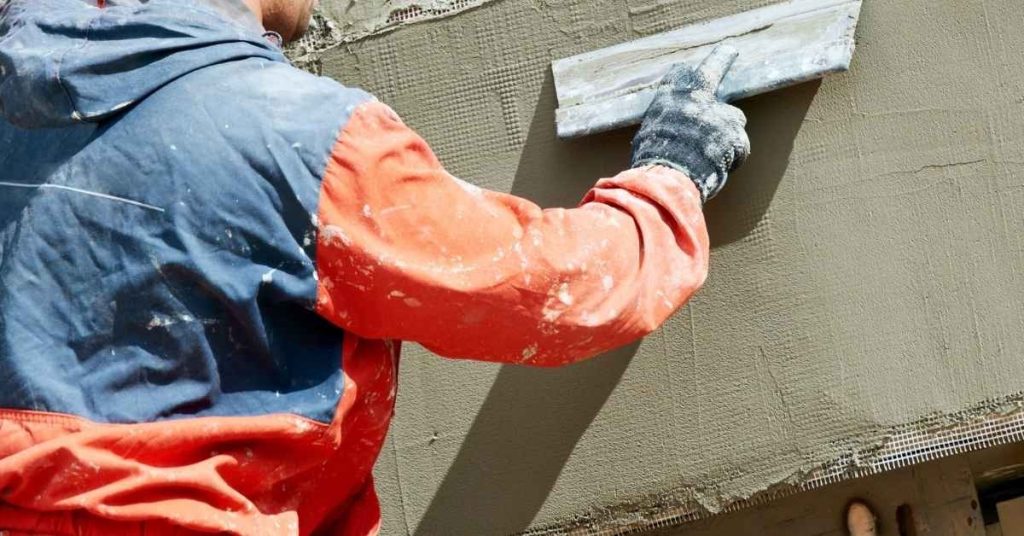
Worker smoothing fresh stucco on wall with trowel

Using Acrylic-Modified Stucco for Patches: Where It’s Smart and Where It Causes Issues

Introduction

Acrylic-modified stucco is a cement-lime stucco mix blended with acrylic polymers to improve adhesion and flexibility for patching and thin coats. In plain jobsite terms, it sticks better to sound substrates and tolerates slight movement more than plain cement stucco, but check the product label and manufacturer instructions for proper uses and mixing. Use it when you need a workable patch that bonds well to existing acrylic finishes or to bridge small cracks, and consider substrate compatibility and curing conditions before you start.

It’s a practical choice for small repairs, feathering edges, and matching textured acrylic systems, but it can cause problems where moisture, large structural movement, or incompatible substrates exist. For bigger repairs or walls that need vapor permeability or stronger compressive strength, compare it with traditional cement-lime plasters and follow manufacturer guidance and local rules to decide.

Key takeaways

  • Acrylic-modified stucco blends cement, sand, and acrylic polymers for flexible patches.
  • Ideal for small exterior patches where movement is expected due to settlement.
  • Provides better adhesion and flexibility but may cost more than traditional mixes.
  • Ensure substrate cleaning, moisture status, and proper bonding primer before patching.
  • Apply in workable layers, feather edges, and wear eye protection and gloves.
  • Compare long-term maintenance with traditional stucco and synthetic finishes to evaluate suitability.
  • Avoid premature curing by following manufacturer guidance and proper misting.
Table of Contents

What Acrylic-Modified Stucco Is and How It Differs from Traditional Mixes

Acrylic-modified stucco is a cement-based patching product that includes a polymer emulsion (the acrylic binder) blended into the mix. The polymer improves bond and flexibility compared with plain cement-only stucco by acting as an adhesive and a stress-absorbing component.

Expect better adhesion to both porous and some non‑porous substrates, increased elasticity to tolerate small movements, and changes in vapor permeance compared with cement-only mixes. Exact adhesion, elongation, permeability, and cure or drying behavior depend on the manufacturer formulation—check the product data sheet or label for the specific values and installation instructions.

Types and formulations suitable for patching

Acrylic-modified stucco comes in various forms to suit different patching needs. Preblended patches are ready-to-use, ideal for small repairs. Polymer-modified basecoats provide a flexible foundation for thicker repairs, while finish-coat hybrids combine the benefits of both.

Choose based on repair size and complexity:

  • Small cracks or holes: Preblended patches
  • Medium-sized repairs (1/4″ to 1/2″): Polymer-modified basecoats
  • Large, thick repairs (>1/2″): Finish-coat hybrids

Material specs and standards to check

Reading material specs ensures you get the right product for your job. Check these key data items:

  • Adhesion: Look for high adhesion ratings (e.g., ASTM D6871) to ensure strong bond with substrate.
  • Recommended Substrate: Match the product’s recommended surface with your repair area.
  • Allowable Thickness: Ensure the product can handle the thickness of your repair without cracking or delaminating.
  • VOCs: Check for low VOC emissions to meet environmental standards and local codes.
  • Industry Standards & Local Codes: Verify the product meets relevant ASTM, ACI, or local building codes.

How acrylic modification changes performance

Acrylic modification enhances flexibility and adhesion by creating a durable, elastic network within the stucco. However, it can slightly reduce breathability and may affect paint compatibility.

Flexibility: Acrylics allow stucco to stretch and move with substrate expansion/contraction, reducing cracking risk.

Adhesion: The acrylic binder improves bond strength to common substrates like concrete, masonry, and metal lath.

Breathability & Paint Compatibility: While acrylics maintain some breathability, they may not be as permeable as cement-only stuccos. They might also require specific primers or topcoats for optimal paint adhesion and appearance.

Back to top ↑

Where Acrylic-Modified Stucco Is a Smart Choice

Use acrylic-modified stucco when you need strong adhesion to smooth or challenging substrates, modest crack-bridging for hairline movement, and a product that can be feathered and color-matched for a cosmetic patch. It often performs well on concrete, masonry, existing cement stucco, and existing acrylic finishes where movement around openings like windows and doors is expected.

Advantages include improved bonding to a wider range of surfaces, better resistance to water intrusion at the surface, and easier texture/color blending than many cement-only patches. Before starting, confirm substrate compatibility, primer recommendations, allowable patch thickness, and cure guidance on the manufacturer instructions or product technical bulletins; plan surface prep, pre-priming, and joint strategies to control movement and achieve a uniform finish.

Best substrate and location matches

Acrylic-modified stucco patches shine on sound cement stucco surfaces. They’re perfect for small to medium repairs, not big chunks missing.

Non-saturated walls are key. If your wall’s damp, wait till it’s dry. Acrylic doesn’t like water.

Sheltered exteriors work best. Direct sun and rain can age acrylic faster. Keep that in mind for exposed areas.

Patch size and type where it excels

Acrylic-modified stucco’s great for thin skim repairs. It feathers out nicely, blends well.

For localized texture matching, acrylic’s your friend. It mimics the look of existing stucco, hides patches better than cement-based mixes.

But it’s not ideal for big, thick patches. Use it where you need a smooth, consistent finish, not where you’re rebuilding whole sections.

Climate and exposure advantages

Acrylic-modified stucco handles moderate freeze-thaw cycles well. It’s flexible, doesn’t crack like cement-based patches might.

UV exposure? No problem. Acrylic resists sun damage better than traditional mixes. But remember, nothing lasts forever in direct sunlight.

For extreme conditions, check product guidance. Some acrylics handle heat or cold better than others. Don’t guess, know before you start.

Back to top ↑

Where Acrylic-Modified Stucco Can Cause Problems

Acrylic-modified stucco can fail when applied over incompatible or unstable substrates, where trapped moisture exists, or where differential movement between the patch and base material is significant. Common trouble spots include older deteriorated stucco, substrates with hidden moisture sources, wood or flexible sheathing that moves differently than the patch, and climate exposures with repeated freeze–thaw cycles.

Root causes are usually substrate incompatibility, retained moisture behind the patch, selecting the wrong product type, or ignoring joint and movement considerations. Before patching, run moisture checks, verify substrate soundness and porosity, and confirm product suitability with the manufacturer instructions; if in doubt, consider removing unsound material down to a stable substrate rather than covering it.

Incompatible substrates and conditions

Acrylic-modified stucco isn’t a one-size-fits-all solution. It won’t stick to everything, especially if it’s not prepared right.

Steer clear of: waterlogged masonry, untreated wood framing, or existing coatings that prevent adhesion. These are recipe for disaster.

If you’re unsure, test adhesion first. Scrape a small area, clean it, and apply some patch material. Let it cure, then try to scrape it off. If it sticks like glue, you’re good to go.

Moisture, vapor, and movement-related failures

Moisture’s the enemy here. Acrylic can trap it, leading to delamination or cracking.

Check for active leaks or water intrusion before patching. Use a moisture meter if you’re not sure.

Differential movement: Acrylic flexes differently than surrounding material. This can cause issues in areas with freezing cycles or high traffic, like driveways or walkways.

Control ambient and substrate temperatures during application to minimize these risks.

Finish and paint compatibility issues

Topcoats can cause headaches if not chosen right. Color shading, adhesion of paints, or vapor-tight coatings can all lead to problems.

Before painting, do a compatibility check. Apply some patch material, let it cure, then apply your topcoat. If it looks good after curing, you’re in the clear.

Pro tip: Matching patch materials to the base system minimizes differential movement and ensures a consistent finish.

Back to top ↑

Planning and Prework Before Patching

Begin by defining the scope: identify the substrate type (traditional stucco, EIFS, or cementitious veneer), whether this is an isolated patch or part of a larger resurfacing, and how close the repair is to openings or flashings. Know the existing texture and color match needs, and confirm that acrylic-modified stucco is allowed for that location per product documentation or local code requirements.

Do a moisture assessment and substrate inspection: perform moisture testing, look for active leaks, remove loose finish, repair flashings and seals, and check structural soundness. Also run a risk assessment for freeze–thaw, salts, and drainage problems; verify permits or HOA rules if required, sequence work (clean, prime, patch, cure, topcoat), and confirm mixing and cure guidance on the product label before buying materials.

Inspection and diagnostic checklist

Before you start patching, use this checklist to ensure your repair lasts. It’s like checking your car before a long drive.

  • Check substrate soundness: Tap the area with a hammer. If it sounds hollow or crumbles, it needs professional attention as it might be delaminating.
  • Test moisture content: Use a moisture meter (available at hardware stores) to ensure the concrete is dry before patching. Moisture can cause your repair to fail.
  • Inspect existing cracks: Look for patterns like hairline, diagonal, or step cracks. Each type indicates different causes that may need addressing before patching.
  • Check flashing and drainage: Ensure all joints have proper flashing to prevent water intrusion. Check gutters and downspouts are clear and directing water away from the area.
  • Inspect rebar or mesh: If present, ensure they’re not exposed or rusted. Rust can expand and cause more damage if not addressed.
  • Check for scaling or spalling: These are signs of concrete deterioration where the surface flakes off. They need to be removed before patching.
  • Ensure the area is clean: Remove all loose debris, dirt, and contaminants with a wire brush or pressure washer. A clean surface ensures better adhesion.
  • Check for signs of movement: Look for cracks at corners, around openings, or along walls that could indicate settlement or expansion. These may need professional assessment.

Quick rule: If you’re unsure about any findings, consult a pro before proceeding. It’s better to spend a bit more time and money upfront than to end up with expensive rework later.

Tools and materials checklist

Before you start patching, use this checklist to ensure you have everything needed for a successful job. This will help you avoid common mistakes and save time in the long run.

  • Safety gear: Check that you have a hard hat, safety glasses, work gloves, and steel-toed boots. Ensure your PPE is in good condition before starting any work.
  • Tape measure: Verify it’s calibrated and in working order to ensure accurate measurements for your patch.
  • Chalk line: Make sure it has a fresh, charged battery or functioning mechanism to create straight, precise lines.
  • Concrete saw/grinder: Inspect the blade and ensure it’s in good condition. Check that the machine is well-maintained and safe to operate.
  • Wire brush: Ensure it’s clean and free of debris to effectively remove loose material from the patch area.
  • Concrete adhesive/primer: Check the label for compatibility with your concrete type and ensure it’s within its usable lifespan. Verify you have enough for your project.
  • Concrete mix materials: Check that you have the correct amounts of cement, aggregate, and water based on your patch size (refer to your earlier calculations). Ensure all materials are fresh and in good condition.
  • Test samples: Before mixing your entire batch, create a small test sample to ensure the mix design is correct. Allow it to cure for 24 hours and check its strength and consistency.

Quick rule: Always double-check your measurements and mix designs before starting any patching work to avoid costly mistakes and rework.

When to prep or remove surrounding material

The condition of your concrete and the extent of damage will dictate whether you need to just prep, partially replace, or do a full-area job. The right materials ensure durability and appearance.

  • Limited removal & keying: For minor cracks or small areas, use a cold chisel and hammer to remove damaged material and create a rough surface for better bonding. No special materials needed here; just your basic masonry tools.
  • Type N mortar (N): For partial replacements, use Type N mortar. It’s a general-purpose mix with moderate strength and good bond. Look for ASTM C270 compliance on the bag. Use it when replacing less than 1/3 of an area. Avoid if full replacement is needed.
  • Type S mortar (S): For full-area replacements or when replacing more than 1/3, use Type S mortar. It’s stronger and has better bond strength. Check for ASTM C270 compliance too. Use it when durability is crucial. Avoid if patching small areas.
  • Polymer-modified mortars: For areas exposed to heavy traffic or deicing salts, use polymer-modified mortars. They’re more durable and resistant to chemicals. Look for the percentage of polymers on the bag (higher is better). Use when durability is a priority. Avoid if budget is tight.
  • Acid etching solution: For preparing smooth surfaces, use an acid etching solution to remove contaminants and create a rough surface for bonding. Check the label for acid strength (10-20% muriatic acid is common). Use when surface is clean but smooth. Avoid if surface is already rough.

Pro tip: When buying materials, check the bag’s manufacturing date and storage conditions. Fresh materials ensure better performance. Also, mix only what you can use within the working time to avoid waste.

Back to top ↑

Close-up of white textured acrylic-modified stucco surface

Installation Techniques for Reliable Patches

Proper surface prep is everything: clean to remove dirt, efflorescence, and loose material, mechanically profile or etch smooth surfaces, and apply the recommended primer or bonding agent if the product requires one. Remove all delaminated stucco back to a sound substrate and ensure edges are well keyed or feathered to avoid abrupt thickness transitions.

Follow manufacturer guidance for mixing and consistency—check the label for batch procedures and recommended water or primer additions—and apply in controlled passes with attention to maximum layer thickness per pass. Control environmental conditions during cure (temperature, humidity, wind), address joints and movement zones with appropriate joint details or reinforcement, and finish/texture to match adjacent surfaces while observing the product’s cure and recoat instructions.

Surface preparation and primers

Start by cleaning the area thoroughly. Remove any loose material, dirt, or contaminants.

Profiling is next. Use a wire brush or grinder to roughen up the surface, creating ‘teeth’ for the patch to grab onto. Be careful not to damage the substrate.

If you’re working on a porous surface like concrete, consider using a bonding agent or primer. It’ll help the patch adhere better and prevent delamination. Apply it according to the manufacturer’s instructions.

Mixing, application layers, and tooling tips

Follow the mixing ratio on the bag exactly. Acrylic-modified stucco is forgiving, but too much water weakens it.

  • Base Coat: Apply at 1/8″ to 1/4″. Use a trowel or spray applicator for even coverage.
  • Feathering Edges: Blend the patch into surrounding material with a flexible trowel. This prevents visible edges and reduces stress points.
  • Cap Coat (optional): Apply a thin top layer to match existing texture. Use a stiff-bristle brush for stippling or a trowel for a smooth finish.
  • Tooling: Rent a spray applicator (<$50/day) if you’re covering large areas. For textured surfaces, use a flexible trowel (<$10).
  • Thickness Control: Aim for 1/8″ to 1/4″ per pass. Thicker layers can crack or delaminate.

Curing, finishing, and visual checkpoints

Use this checklist once the patch is applied. It’s crucial to protect and finish the repair properly.

  • Temperature: Keep it between 50°F – 90°F (10°C – 32°C) for best curing.
  • Humidity: Maintain 40% – 70% relative humidity to prevent cracking.
  • Wind: Protect the patch from strong winds. They can cause rapid drying and cracking.
  • Misting vs Sealing: Mist the patch lightly with water for 15 minutes, 3-4 times a day until it’s fully cured. Or, seal it with plastic sheeting.
  • Inspection: Check for pinholing, efflorescence, or hairline cracking before painting.
  • Texture Matching: Use the same tools and techniques as the existing surface to blend the patch seamlessly.

Quick rule: If you’re unsure about any step, consult the manufacturer’s instructions. They know their product best.

Back to top ↑

Costs, Lifecycle Economics, and Comparison to Alternatives

Acrylic-modified stucco patches bring different upfront and long-term costs than cement-only patches or full replacements due to surface prep, priming needs, and finishing/texture work. For an accurate cost comparison, verify material coverage, recommended patch thickness, and any sealing/fog coat requirements on the product documents and factor in local labor or DIY time.

Consider life-cycle trade-offs: acrylic patches may require less frequent touch-ups for movement-related cracking and can offer better color/texture match, but they may age differently under harsh UV or chemical exposure than cementitious systems. Compare alternatives by matching substrate condition and climate exposure to the material properties listed on product documentation—use that information to decide whether a targeted acrylic patch, a cementitious repair, or a larger replacement is the most cost-effective path over the expected service life.

Upfront cost factors and trade-offs

Acrylic-modified stucco patches come with specific upfront costs. Here’s what to consider:

Material Costs: Acrylic-modified stucco is pricier than cement-based alternatives, but it offers better performance.

Labor Rates: DIY work will be cheaper, but expect to spend more time on prep and application. Hiring a pro ensures quality but adds labor costs.

Access and Prep: Remote or hard-to-reach areas may incur extra charges due to access equipment. Surface prep, like cleaning and priming, also affects the bottom line.

Long-term maintenance and replacement economics

Durability is key in lifecycle cost analysis:

Repair Frequency: Acrylic-modified stucco patches last longer, reducing re-patching costs. However, they may still need periodic recoating.

Curing time impact on productivity: Unlike cement-based alternatives, acrylic-modified stucco cures faster, minimizing downtime and lost productivity.

Replacement Considerations: If substrate damage is extensive or moisture issues persist, full replacement might be cheaper long-term. Regular inspections help decide this.

When to choose alternatives

Despite its benefits, acrylic-modified stucco isn’t always the best choice:

Extensive Substrate Damage: If the substrate is severely damaged or unstable, consider full replacement rather than patching.

Unmanaged Moisture Sources: If moisture issues aren’t addressed, any patch will fail. Fix the source before patching.

Color-Match Impossibility: If you can’t match the existing stucco color, consider alternatives like cement-based patches or full replacement for a consistent look.

Back to top ↑

Common Mistakes, Troubleshooting, and Repairs

Frequent errors include inadequate surface prep, applying patches too thick in one pass, using an incompatible product, and neglecting moisture or movement issues. Acrylic-modified stucco can hide substrate problems initially, so failing to address the root cause will usually lead to early delamination or cracking.

Diagnose failures by checking adhesion, substrate moisture, and whether movement or active leaks exist; small adhesion tests and probe checks help. For repairs, decide whether to salvage or remove: remove loose material back to sound substrate, re-prep and prime per product instructions, then reapply the patch to the correct thickness with proper feathering and cure control; consult manufacturer troubleshooting guidance when available.

Typical errors and immediate fixes

To ensure a successful patch, avoid these common mistakes.

  • Improper surface prep: Skipping this step leads to poor adhesion. Fix: Clean, remove loose material, and apply primer.
  • Over-thinning: Thinning the patch too much weakens it. Fix: Maintain recommended consistency; add water sparingly.
  • Too-thick application: Excessive thickness causes cracking. Fix: Apply in thin layers, allowing each to cure before adding more.
  • Ignoring substrate movement: Patching over active cracks may cause the patch to fail. Fix: Address underlying issues first.

Correct these mistakes promptly for a lasting repair.

How to assess and repair a failed patch

If your patch fails, follow this decision flow:

1. Inspect adhesion: Check if the patch is still bonded to the substrate. If not, proceed to step 2.

2. Check moisture: Excessive moisture can cause delamination. Remove any damp material and address the source of moisture.

3. Remove delaminated material: Scrape off loose or peeling patch material, then clean the surface.

Reapply the patch using the corrected method, ensuring proper surface prep, mixing, and application.

Visual checkpoints for quality control

Before finishing your patch, use this checklist to ensure quality work.

  • Adhesion: Perform a thumb adhesion test; the patch should feel solid.
  • Tap sounds: Tap the patch; it should sound solid, not hollow.
  • Crack mapping: Check if cracks have reappeared or new ones formed. If so, address the underlying cause.
  • Color match: Ensure the patch color blends with the surrounding stucco.
  • Texture/aggregate match: The patch should blend seamlessly with the existing texture.
  • Proper thickness: Check for even application; avoid over-thick or thin spots.
  • Feathering edges: Ensure edges are well-feathered to prevent delamination.
  • Cure-time observations: Monitor the patch for proper curing, checking color and hardness development.

Quick rule: If any checkpoint fails, address the issue before proceeding with finishing or topcoat application.

Back to top ↑

Safety, Environmental, and Sustainability Considerations

Use appropriate PPE when mixing and applying acrylic-modified stucco: eye protection, gloves, and respiratory protection during dry mixing or dust work, plus worksite ventilation and dust control. Avoid skin contact with dry mixes and follow the product label for handling and first-aid information.

Check product literature for VOC and solvent information and follow local disposal rules for leftover material and packaging; look for low‑VOC or solvent-free formulations if indoor air quality or odor is a concern. Minimize waste by batching carefully, contain wash‑out to prevent runoff, and weigh product durability against environmental impact when selecting patch materials—consult manufacturer environmental data or safety data sheets if you need specific guidance.

Worker safety and handling precautions

Safety starts with the right gear. Wear eye protection, gloves, and a respirator when mixing or applying acrylic-modified stucco.

Protect your skin from dry mix and prevent eye irritation by wearing long sleeves and pants. Keep your clothes covered.

Check safety data sheets for specific hazards. Ensure proper ventilation, especially in enclosed spaces.

Control dust during mixing and handling to keep your workspace safe.

Environmental impact and product selection

VOCs are a concern. Look for low-VOC formulations or solvent-free options. Check product labels.

Recycle packaging where possible. Some materials may be recyclable, but check local facilities first.

Choose products with green credentials. Consider life-cycle impacts, maintenance needs, and indoor air quality.

Compatibility matters too. Ensure the patch matches your existing substrate for long-term durability.

Disposal, cleanup, and regulatory notes

Seal unused product containers tightly to prevent chemical exposure. Dispose of according to local regulations.

Wash water may contain chemicals. Do not pour down drains. Contain and dispose of properly.

Check local waste management rules. Some areas have specific landfill restrictions for construction materials.

Always follow local, state, and federal guidelines for safe disposal and cleanup.

Back to top ↑

Conclusion

Patch work with acrylic-modified stucco can be durable and visually solid if you treat it like real patching, not a quick coat. The key is choosing the right mix for the job, planning and prework, and sticking to proven installation steps so you don’t trap moisture or ruin surrounding materials.

To go forward, read the patch plan, gather the right compatible materials, and approach each patch in a steady, measured way: clean and test a small area first, prep the surface, mix as directed, apply in thin, workable layers, cure under proper conditions, and finish to match texture and color over time. Safety first and test a hidden area before committing to a full repair, then re-check joints and flashing as you go. If you can’t verify compatibility or you see structural movement, stop and reassess.

Common mistakes to stay clear of include using the wrong base or finish coat, skipping surface prep, and trying to patch in heat, cold, or damp conditions. Keep patches small and dry, mix within safe ratios, and never patch over rotted backing or active leaks. Always wear eye protection and a respirator as needed, and avoid rushing the cure or forcing patches to blend with a texture you can’t reproduce.

If you’re unsure about substrate damage, persistent leaks, or large patches beyond your comfort zone, call in a professional. Knowing when to get help saves time and money and prevents bigger damage. Stay focused, follow the steps, and you’ll finish with a patch that lasts and looks right.

Back to top ↑

FAQ

What is acrylic-modified stucco and how does it differ from traditional mixes?

Acrylic-modified stucco is a cement-based mix with acrylic polymers added to improve adhesion, flexibility, and water resistance. It behaves a bit differently from traditional mixes by staying a little more forgiving with movement. Always check the product label for exact performance claims and follow manufacturer instructions.

What are smart uses of acrylic-modified stucco for patches?

Use it for repairs where there is light to moderate movement or where a smoother finish is needed. It works well on small patches in exterior walls and around trim where you want better crack resistance. Avoid trying it where the substrate is badly damaged or slab-like rigid movement is expected.

What are the advantages and disadvantages of using acrylic-modified stucco in different scenarios?

Advantages include improved adhesion and impact resistance and a more forgiving finish. Disadvantages can include higher cost, longer cure considerations, and potential mismatch with older, non-modified mixes. If in doubt, test a small area and compare to surrounding material before patching a large spot.

How does it compare with traditional stucco for patches?

Compared to traditional stucco, acrylic-modified mixes can bridge hairline cracks and tolerate movement better. They may not bond as well on certain slick or highly sealed substrates. Always follow the substrate preparation steps and use compatible primers or bonding agents as advised by the manufacturer.

Back to top ↑

More about this topic