
Introduction
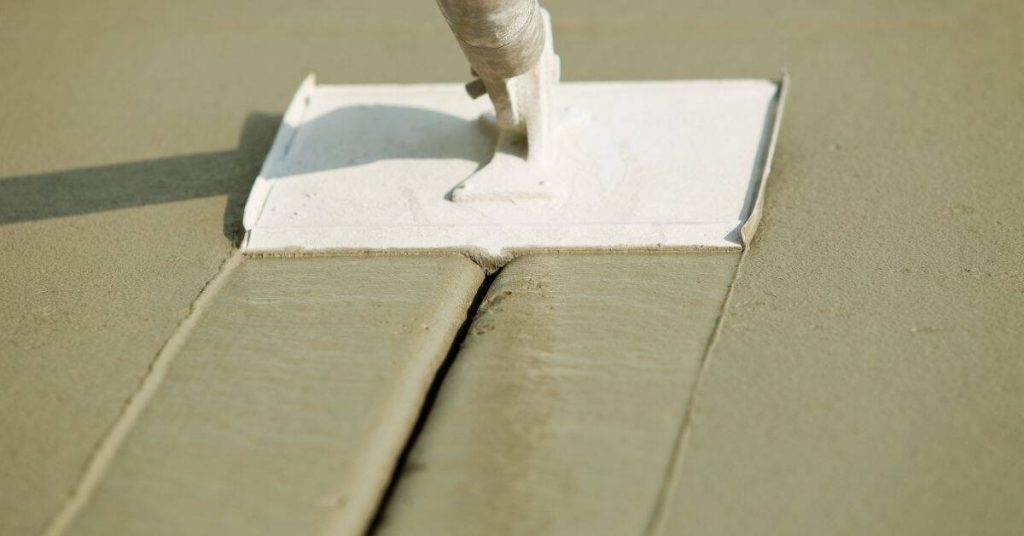
Rebuilding control joint edges after raveling is the process of renewing the exposed edge of a control joint that has deteriorated. This DIY repair focuses on cleaning, restoring shape, and preparing the edge for bonding or resurfacing. Keep the goal to create a clean, straight edge ready for primers and forms.
You’ll need basic tools, compatible repair material, primers as recommended, and edge forms or guides to keep the edge true. For cleaning, use a safe saw-cut cleanup approach and remove loose material, then apply primers per label after the edge is cleaned and dried. Install edge forms carefully, then follow manufacturer instructions for bonding or topping, and check local rules if unsure.
Key takeaways
- Assess damage and plan rebuild before cutting; verify joint depth and alignment.
- Clear debris from saw-cut joints, then sweep and vacuum for clean primer contact.
- Choose primers compatible with joint material; apply per manufacturer instructions.
- Install edge forms squarely, clamp firmly, and seal joints to prevent leakage.
- Fill and smooth edges after cleanup, then prime and cure as directed.
- Wear PPE, control dust, avoid loose materials; inspect for cracks after setup.
Table of Contents
- Introduction
- Key takeaways
- When to Rebuild Control Joint Edges
- Tools, PPE, and Materials Checklist
- Saw-Cut Cleanup Procedure After Raveling
- Priming Control Joint Edges — Products and Application
- Selecting and Installing Edge Forms
- Filling, Sealing, and Finishing the Joint Edge
- Safety, Environmental, and Quality Control Measures
- Common Mistakes, Troubleshooting, and Preventive Maintenance
- Conclusion
- FAQ
When to Rebuild Control Joint Edges
Raveling shows as edge chips, exposed aggregate, flaking, and a loss of vertical edge height that can weaken joint integrity and load transfer. Assess the severity by looking for depth loss, surface profile changes, and widening of the joint. Decide between rebuild and maintenance based on these observations and the expected use of the slab.
Consider edge depth loss thresholds, how exposed the aggregate is, and the traffic or load the area must carry. Other factors include crack movement, moisture concerns, and the risk of ongoing deterioration if left untreated. Use a quick reference checklist to guide the decision and plan the sequence for repair work with saw-cut cleanup, primers, and edge forms in mind.
Identifying severity and failure modes
Raveling can range from minor surface dusting to severe structural damage. To assess the severity, perform visual and tactile checks:
Minor raveling: Light dusting, slight edge chips, or exposed aggregate near the surface.
Moderate raveling: Noticeable flaking, loss of vertical edge height, and increased joint width. The edge depth may be reduced by 20-50%.
Severe raveling: Significant edge depth loss (over 50%), extensive aggregate exposure, and visible cracks or movement along the joint. These signs indicate deeper joint compromise.
When to repair vs. replace joints
Deciding between repairing and replacing a joint depends on several factors:
Repair: Consider rebuilding if the edge depth loss is less than 50%, there’s no visible crack or movement, and aggregate exposure is minimal. Also, consider the traffic/load conditions – residential areas with light traffic may not require immediate replacement.
Replace: If the joint has lost more than 50% of its original depth, shows signs of cracking or movement, or has extensive aggregate exposure, it might be better to replace the entire joint system. Consult a concrete specialist if you’re unsure about the extent of damage or the best course of action.
Always consider the likelihood of ongoing deterioration and the risk factors (moisture, freeze-thaw cycles) when making your decision.
Tools, PPE, and Materials Checklist
Assemble a project-ready kit that covers saws, grinders, vacuum systems, primers, fillers, edge forms, hand tools, and PPE. Note alternatives for renting versus buying based on how often you tackle similar jobs. Verify that each item fits your DIY setup and workspace.
Include dust-control vacuums with the right filtration, edge-form types, and compatible primers. Check moisture tolerance and cure times on labels, and plan surface prep steps before priming. Have a range of hand tools and safety gear ready so you can work cleanly and safely from start to finish.
Recommended tools and cleanup equipment
Before you start saw-cutting or removing ravels, make sure you have the right tools and cleaning gear. This checklist will help you stay safe and efficient.
- Circular Saw: Check blade size (6-1/2″ to 7-1/4″) and teeth per inch (TPA) – 18-30 TPA is suitable for concrete. Ensure the saw’s safety features are functioning.
- Wet/Dry Vacuum: Verify it has a HEPA filter for dust control. Check hose length and capacity to handle your project size.
- Diamond Blades: Inspect blades for proper segmentation, core type (wet or dry), and arbor hole size (matching saw’s arbor).
- Safety Glasses: Ensure they meet ANSI Z87.1 standards and provide side protection.
- Ear Protection: Check noise reduction rating (NRR) – 25-30 dB is recommended for concrete cutting.
- Work Gloves: Inspect for durability, grip, and protection against cuts. Size should fit comfortably.
- Respirator: Check filter type (P100 or N95) and ensure a proper seal with the facepiece. Follow manufacturer’s instructions for use and maintenance.
- Cleaning Supplies: Have plenty of water, soap, and rags for cleaning tools and equipment post-use.
Quick rule: Always double-check your safety gear before starting any task. A moment’s carelessness can lead to serious injuries or rework.
Material types and brief use cases
Before you start mixing and pouring concrete, ensure you have the right materials for your project. This checklist helps you verify each material’s suitability for your job.
- Concrete Primer: Check label for “concrete primer” or “bonding agent”. Confirm it’s compatible with your substrate (e.g., concrete, masonry, metal).
- Bonding Agent: Similar to primer, check label. Ensure it’s suitable for your project type and substrate.
- Semi-Rigid Filler: Check label for “semi-rigid” or “pourable”. Confirm it can fill cracks up to 1/2″ wide.
- Rigid Filler: Check label for “rigid” or “crack filler”. Ensure it’s suitable for filling wider cracks (up to 3/4″).
- Edge Form Material: Check if it’s designed for your specific edge form system (e.g., snap ties, form-ties).
- Concrete Admixtures: Check labels. Ensure they’re compatible with your concrete mix and purpose (e.g., accelerators, retarders, water reducers).
- Concrete Mix Design: Check if it matches your project’s requirements (e.g., strength, slump, air content).
- Aggregates: Visually check for clean, well-graded materials. Ensure they match your mix design.
Quick rule: Always follow manufacturer instructions and local building codes to avoid costly mistakes and rework.
Saw-Cut Cleanup Procedure After Raveling
Follow a precise sequence: remove the raveled material first, trim back damaged edges, then clean and dry the joint to receive primer and filler. Avoid further edge damage by protecting the face of the remaining concrete during each step. Keep the workspace organized to prevent cross-contamination.
Use the appropriate tools for material removal and precise edge restoration, and maintain dust control throughout. Ensure safety by following tool-specific cautions and maintaining a clean line along the joint. Prepare the cavity so the filler can achieve a solid, uniform bond with the substrate.
Saw-cutting technique and depth control
Set your saw’s depth to match the width of your chosen joint filler. This ensures a proper fit and prevents overfilling or underfilling.
Make multiple passes, overlapping each one slightly. This helps create smooth, vertical faces without overcutting. Check your progress after each pass using a straightedge or level.
Never force the saw. Let it cut at its own pace to avoid damaging edges.
Cleaning and contaminant removal
First, vacuum out loose material from the joint cavity using a shop vac. Then, use compressed air to blow out any remaining dust or debris.
Brush the edges with a stiff-bristled brush to remove any embedded dirt or oils. This ensures good adhesion for your primer and filler.
Before priming, test surface cleanliness by sticking a small piece of tape on the edge, then pulling it off. If there’s no residue left behind, your surface is clean enough for priming.
Priming Control Joint Edges — Products and Application
Primers and bonding agents help reestablish adhesion between the concrete surface and edge-form materials, especially where raveling has occurred. Determine if a primer is necessary for the repair scenario by checking the substrate condition and the chosen filler system. Consult the product label or manufacturer instructions for exact requirements.
Review primer chemistry options and choose based on porosity, temperature considerations, moisture, and service environment. Prepare the surface with cleaning and profiling, and perform moisture checks as guided by the product data sheet. Follow safety notes and compatibility guidance for the saw-cut filler system you plan to use.
Choosing the right primer or bonding agent
A primer’s job is to reactivate or improve adhesion between your concrete substrate and edge-form materials. It’s crucial when fixing raveling repairs.
Different primers have different chemistries – epoxy, polyurea, acrylic, even moisture-tolerant ones. Choose based on:
- Substrate porosity: Porous surfaces need better adhesion.
- Temperature and moisture: Some primers won’t work in cold or wet conditions.
- Expected service environment: Harsh environments need tougher primers.
Always check manufacturer compatibility with your chosen filler/sealant (epoxy, polyurea, polyurethane).
Application best practices and visual checks
Mix primers thoroughly. Follow pot life guidelines to avoid waste.
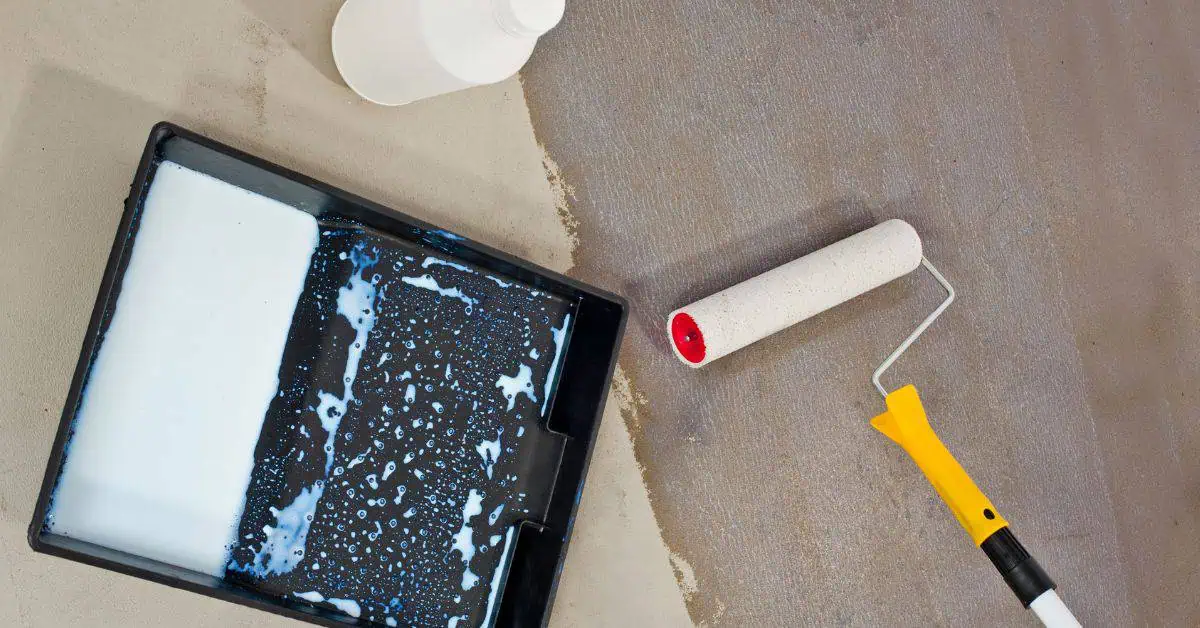
Apply using brush, roller, or spray – follow manufacturer’s instructions. Aim for 2-4 mils coverage.
Before filling, do a tack test: lightly touch the primed surface with a clean rag. If it sticks, you’re good to go. Also, look for:
- No visible signs of delamination
- No excessive gloss or sheen: This could indicate too much primer.
- No signs of curing: Wait until the primer is fully cured before filling.
Selecting and Installing Edge Forms
Compare edge form types such as rigid, flexible, and temporary options, weighing their pros and cons for typical joint widths and traffic. Use selection criteria that match the joint movement potential and the intended finish. Reference form availability and long-term performance when planning your install.
Plan attachment and alignment with fasteners, bracing, and stakes to keep edges straight and the form depth consistent. Address sealing between the form and slab to prevent leaks and edge chipping. Consider timing for removal and how forms integrate with primers and fillers in the workflow.
Form selection by joint condition and finish
First off, you gotta match your edge forms to the job at hand. It’s like choosing a hammer – you don’t want a sledgehammer for a delicate task, right?
Check base compaction. If it’s not up to snuff, even the best form won’t save you. You need rigid forms here, like steel or aluminum. They’ll hold their shape and keep your concrete from leaking out.
Now, if your joint condition is good, you’ve got options. For a clean, sharp edge, go for permanent forms. They’re usually made of plastic or composite. But remember, once they’re in, they’re there to stay. So, if you think you might want to change that edge later, consider removable forms instead.
As for finish, it’s all about aesthetics and what you’re aiming for. Smooth forms give a smooth finish. Textured forms, well, they give a textured finish. It’s up to you and your vision. Just make sure whatever you choose is compatible with the rest of your setup.
Securing forms and preventing leaks
Once your edge forms are up, it’s time to secure them and make sure they’re watertight. Here’s how:
Align and anchor forms: Use form