
Introduction
The process of applying stucco to concrete slabs involves careful planning, including understanding the timeline and duration for each step. This guide walks you through the entire process, breaking down the time required for each task.
Whether you’re a DIY enthusiast or a professional contractor, knowing how long each stage takes helps you plan your project more effectively and avoid common pitfalls.
For the full guide, see Stucco at Concrete Slabs: Proper Gap, Sealant Joint, and How to Fix a Tight Termination.
The Complete Stucco-to-Concrete Slab Timeline
From preparation to final inspection, here’s a detailed timeline outlining the duration of each step in applying stucco to concrete slabs:
- Preparation (1-3 days): Cleaning the slab surface, addressing any repairs, and setting up safety measures.
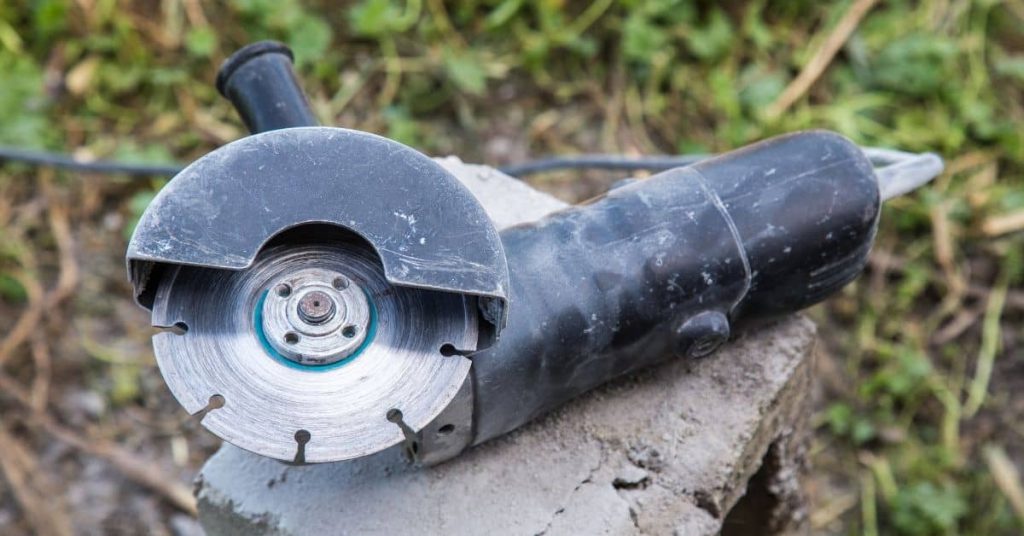
- Gap Creation (1 day): Marking and cutting the gap between the stucco and the slab using a grinder or other appropriate tool.
- Backer Rod Installation (0.5-1 day): Installing backer rods to create a proper joint and support the sealant.
- Sealant Application (2-4 hours): Applying the chosen sealant, ensuring it’s compatible with both stucco and concrete, following manufacturer guidelines for prep and cure times.
- Termination Inspection and Adjustment (1 day): Checking termination points for tight contacts, opening joints if necessary, and re-sealing as needed.
- Final Inspection and Documentation (0.5-1 day): Ensuring the job meets quality standards, documenting maintenance intervals, and noting warranty terms in writing.
Total estimated duration: 4 to 8 days, depending on project size, complexity, and weather conditions.
Key takeaways
The time spent on preparation directly impacts the overall timeline of your stucco application project. Ensuring a clean, dry surface before applying any sealant joint is crucial for a successful outcome.
- Ensure a clean, dry slab surface before applying any stucco sealant joint.
- Maintain an appropriately sized gap between stucco and slab per guidance.
- Choose sealant material compatible with movement, substrate, and climate exposure.
- Inspect termination edges for tight stops; adjust with proper detailing.
- Document maintenance intervals and warranty terms in writing for future claims.
- Wear eye protection and gloves when mixing or applying sealants.
Table of Contents
- Introduction
- Key takeaways
- Why the Stucco-to-Slab Gap Matters
- Determining the Proper Gap Size
- Sealant Joint Design and Material Selection
- Creating a Proper Termination: Installation Details
- Diagnosing a Tight Termination: Inspection Checklist
- Repair Strategies for a Tight Termination
- Tools, Materials Checklist and Jobsite Safety
- Maintenance, Inspection Intervals, and Warranty Considerations
- Conclusion
- FAQ
Why the Stucco-to-Slab Gap Matters
Leave a separation at the stucco/slab interface to let the wall and slab move independently without cracking the finish. This gap also prevents direct capillary contact that can draw slab moisture up into the wall assembly.
Moisture control and drainage depend on that space working with flashing and weep details, not just sealant. When in doubt, check product labels and manufacturer instructions for how the system expects the termination to be detailed.
Common failure modes at tight terminations
The biggest issue with a tight termination between stucco and concrete slabs is that it restricts movement. This can lead to several problems:
Cracking: As the slab expands and contracts with temperature changes, the rigid stucco can’t accommodate this movement, causing cracks in both the stucco and the sealant joint.
Bond loss: The constant stress from restricted movement can cause the stucco to lose its bond with the substrate, leading to delamination.
Moisture intrusion is another major concern. When the sealant joint fails due to these stresses, water can wick into the wall system, causing damage and encouraging mold growth.
How movement, moisture, and freeze/thaw affect the junction
The junction between stucco and concrete slabs is a critical area that’s subjected to various stresses:
Movement: Concrete slabs expand and contract due to temperature changes. A gap allows for this movement without putting excessive stress on the stucco or sealant joint.
Moisture migration: Water can travel through capillary action, especially in porous materials like concrete. A gap prevents water from wicking into the wall system, where it can cause damage and encourage mold growth.
Freeze/thaw cycles: In cold climates, water trapped in the junction can freeze and thaw, causing damage to both the stucco and the sealant joint. A gap allows for drainage, preventing this cycle of damage.
Determining the Proper Gap Size
Choosing the right gap size means checking applicable codes, the stucco system manufacturer’s recommendations, and sealant manufacturer joint-width guidance. Different systems and sealants have required minimum and maximum joint dimensions you must follow.
On the job, measure anticipated movement and select a gap that allows the sealant to operate in its recommended range; if uncertain, consult the product data sheet or technical rep. Practical installers also account for tolerances, flares, and finishing thickness when setting the gap at rough-in.
Factors that control gap width
The size of the gap between your stucco and concrete slab isn’t one-size-fits-all. Here’s what you need to consider:
Expected movement: The bigger the expected expansion and contraction, the wider the gap needs to be.
Sealant type and depth: Different sealants have different application depths. Check your sealant’s data sheet to ensure the gap is wide enough for proper application and adhesion.
Drainage needs: A wider gap can help with water drainage, but it also exposes more of the slab to weathering. Balance this with your local climate and aesthetics.
What to check: codes, manufacturer data, and engineer input
Before you start measuring, consult these resources to ensure your gap size is up to code and safe:
- Building codes: Check local building codes for minimum and maximum gap sizes. Ignoring this can lead to inspection failures.
- Stucco manufacturer data: Follow the manufacturer’s recommendations for gap size, sealant type, and application depth.
- Sealant manufacturer data: Ensure your chosen sealant is compatible with your stucco and slab, and that it can be applied effectively within your planned gap size.
- Engineer input (if applicable): For complex projects or unique materials, consult a structural/roofing professional to ensure your gap size accommodates all necessary movements and loads.
- Climate considerations: Check if your local climate has specific requirements for gap size to account for freeze/thaw cycles or other weather conditions.
- Aesthetic constraints: While not a safety concern, consider the visual impact of your chosen gap size on the overall appearance of your project.
- Sealant lifespan: Ensure your sealant can last the expected lifetime of your stucco without needing replacement due to improper gap sizing.
Quick rule: Always consult these resources before starting work. Skipping this step could lead to costly rework or even structural issues down the line.
Sealant Joint Design and Material Selection
A durable joint pairs a compatible sealant chemistry with the correct joint geometry and a suitable backing material to control depth and bond pattern. Use backer rod sizes and joint shapes that let the sealant cure with the ideal cross-section and avoid three-sided adhesion.
Match sealant choice to expected movement, UV exposure, and substrate compatibility, and confirm adhesion and primer needs per manufacturer instructions. If compatibility is unclear, test adhesion to the prepared substrates or ask the sealant maker for guidance.
Choosing sealant chemistries and verifying compatibility
Selecting the right sealant is crucial for a durable joint. Common options include polyurethane, silicone, and hybrid sealants.
Each has its pros and cons. Polyurethanes are tough and abrasion-resistant but can be sensitive to moisture. Silicones offer excellent elasticity but may not perform well in high heat. Hybrids combine properties of both.
Always check manufacturer data or create test panels to confirm adhesion and compatibility with both your stucco and concrete surfaces.
Backer rods, bond breakers, and joint profile best practices
Backer rods and bond breakers play a vital role in creating an effective sealant joint. They control the depth of the sealant and prevent adhesion to the substrate.
A backer rod is inserted into the joint before applying the sealant. It provides support and helps maintain the joint’s width. A bond breaker, often a tape or liquid applied material, prevents the sealant from sticking to the substrate, allowing for easy removal when it’s time to replace the sealant.
Follow manufacturer recommendations for the width-to-depth proportions of your backer rod. This ensures you’re using the right size for your joint and provides the best support for your sealant.
Creating a Proper Termination: Installation Details
Install the termination screed or weep screed, integrate flashing under the WRB, prepare the slab edge clean and free of laitance, and set the separation before finishing the stucco. Work from the substrate out: flash, backer rod, sealant, then finish coat, keeping the gap consistent through the finish process.
Protect flashing laps and ensure the stucco stop is secured without bridging the gap; check product installation instructions for fastener locations and clearances. If you need to alter the slab edge, verify structural or code implications before cutting or grinding.
Using termination/weep screed and mechanical terminations
The first step in creating a proper termination is installing the weep screed or termination screed. This is a small, horizontal ledge above your concrete slab that allows water to drain off.
For mechanical terminations, use metal or plastic termination bars. They should be installed on top of the weep screed, with their bottom edge level with the top of the slab. This creates a secure, serviceable edge for your stucco application.
Pro tip: Make sure to install these components before you start applying your base coat of stucco. It’s much easier to do it right the first time than to try and fix mistakes later.
Integrating flashing and the drainage plane
Flashing is crucial for directing water away from your wall assembly. Start by routing your flashing up to the termination area, then continue it over the top of the weep screed or termination bar.
The water-resistive barrier (WRB) should also be routed through this area. Make sure it’s lapped properly under the flashing and continues up the wall. This creates a continuous drainage plane that keeps moisture out of your walls.
Remember: The key here is to maintain a continuous path for water to drain off, both at the slab edge and up the wall.

Diagnosing a Tight Termination: Inspection Checklist
Look for surface clues first: cracking at the termination, staining, efflorescence, or the stucco sitting directly on the slab edge without a visible joint. Probe for trapped moisture, poor flashing laps, or back-dammed sealant that shows compression rather than a proper seal.
Open a small test inspection if needed to verify hidden conditions—confirm flashing termination, WRB continuity, and substrate soundness per manufacturer guidance. If structural or waterproofing concerns appear, stop and consult the relevant product data sheet or a building professional.
Visual checkpoints and signs to photograph
Before you start any work, use this checklist to visually inspect your termination. It’s crucial to document the current state with photos and notes for future reference.
- Cracks: Check for hairline or wider cracks. These can indicate movement in the structure. Photograph them with a measuring tape for scale.
- Staining: Look for water stains, which could suggest leaks. Note their location and size.
- Spalled Stucco: Inspect for areas where the stucco has chipped or flaked off. This might expose underlying materials to moisture damage.
- Failed Caulk: Check caulk joints for gaps, cracks, or missing sections. These allow water intrusion and should be noted.
- Uneven Edges: Ensure termination edges are straight and even. Irregularities can lead to water pooling and further damage.
- Mold or Mildew: Inspect for any signs of mold or mildew growth, which indicate moisture issues. Photograph affected areas.
- Missing Pieces: Check for any missing pieces in the termination system, like lost bricks or stones. These gaps need to be addressed.
- Improper Flashing: Ensure all flashing is present and properly installed. Missing or incorrectly placed flashing can cause water to enter behind the termination.
Quick rule: Always photograph your findings with a measuring tape or other reference for scale. This helps track progress and ensures you address all issues.
Non-destructive and invasive testing options
Before you start any repair work, use this checklist to determine if moisture, delamination, or rusted lath is hidden beneath the surface. These tests won’t damage your wall but will give you a clear picture of what’s going on.
- Moisture Meter: Check for excess moisture behind the concrete. Insert probes into drilled holes (1/4″ diameter, 1-2″ deep) spaced every 6-8 inches along suspected areas. Readings above 15-17% indicate potential moisture issues.
- Infrared Scanning: Use an infrared camera to detect temperature differences that may indicate trapped moisture or delamination. Scan the entire area, looking for cooler spots (blue on the display).
- Selective Probe/Cut Tests: Drill small holes (1/4″ diameter) at regular intervals and insert a probe to check for delamination or rusted lath. If you hit resistance or hear a hollow sound, cut out a small section (2×2″) to inspect the substrate directly.
- Check for Delamination: Tap the surface with a hammer. A dull thud instead of a solid sound may indicate delamination between the concrete and lath. Mark these areas for further investigation.
- Inspect Rebar: If accessible, visually inspect rebar for signs of rust or damage. Any visible issues could lead to costly repairs if not addressed.
- Check for Cracks: Inspect the entire surface for hairline cracks that may indicate underlying issues. Even small cracks can hide big problems.
- Look for Blisters: Bubbles or blisters on the surface could signal trapped moisture or delamination beneath. Pop them and inspect the area underneath.
- Check for Efflorescence: A white, powdery substance on the surface may indicate excess moisture within the concrete. Wipe it off and check if more appears; if so, further investigation is needed.
Quick rule: Always perform these tests before starting any repair work. Skipping them can lead to expensive rework and hidden issues that may cause problems down the line.
Repair Strategies for a Tight Termination
Start with the least invasive fixes: clean and reseal the exposed joint, add or replace backer rod, and correct drain paths where possible. If the stucco is hard against the slab or flashing is compromised, consider cutting back a portion of the finish to re-establish the gap and install proper flashing and sealant.
Full termination replacement—removing stucco to the flashing and reinstalling the termination assembly—is the most invasive but sometimes necessary for durable repair. Before committing, review manufacturer repair guidelines and check whether the repair affects warranties or requires building department notification.
Short-term fixes and mitigation measures
When a tight termination is causing immediate issues, you need quick solutions to prevent water intrusion. These are temporary fixes until you can perform a permanent repair.
Seal visible gaps: Use an elastomeric paint or caulk to seal any cracks or holes in the stucco. This won’t fix the problem permanently but will slow down water entry.
Improve slope/drainage: Ensure your stucco has a proper slope away from the building. If it’s flat, consider using a screed to create a slight pitch. Also, clear any debris that might be blocking drainage at the base.
Monitor the situation closely. Keep an eye on any signs of water intrusion and document them for future reference when you’re ready to do a permanent repair.
Permanent repair workflow: removal, gap creation, and resealing
To fix a tight termination permanently, you’ll need to remove the affected stucco, ensure proper substrate conditions, and reinstall the termination with compatible materials.
Remove affected stucco: Cut out the damaged stucco back to sound substrate. Be careful not to damage any underlying lath or framing.
Install/restore termination/flashing: Ensure your termination/weep screed and flashing are in good condition. Replace them if necessary, following the manufacturer’s instructions and local building codes.
Place backer rod and apply sealant: After ensuring the substrate and lath are sound, place a backer rod in the gap to maintain the desired width. Then, apply a compatible sealant, following the manufacturer’s guidelines for application and curing.
Tools, Materials Checklist and Jobsite Safety
Gather tools for cutting, cleaning, and sealing: grinders or saws for removal, wire brushes, blowers, backer rod, compatible sealant, and flashing materials. Also have test materials for adhesion checks and any primers the sealant maker requires.
Contain dust and debris with proper sheeting and HEPA vacuums, use PPE for respiratory and eye protection, and follow the product safety data sheets for handling chemicals. If work involves structural cutting or creates water management risks, verify local safety and permit requirements first.
Tools and materials to have on hand
Before you start, make sure you’ve got everything you need. This checklist helps you prepare.
- Utility knife: For cutting backer rod and bond breaker.
- Caulking gun: To apply sealant.
- Sealant applicator tips: Various sizes for different joint widths.
- Tape measure: To ensure accurate cuts and measurements.
- Backer rod: For filling joints before applying sealant. Get the right size for your joint width.
- Bond breaker tape: Prevents sealant from bonding to the substrate, allowing movement without cracking.
- Sealant and primer: Bring manufacturer-specified products to ensure compatibility with your stucco system.
- Termination/weep screed or mechanical termination: For creating a proper termination at the slab edge.
- Flashings: To integrate with the drainage plane and protect against water intrusion.
Quick rule: Having the right tools and materials on hand ensures your job goes smoothly and lasts longer.
PPE, dust control, and substrate protection
Safety first! Protect yourself, contain dust, and keep adjacent finishes intact with this checklist.
- Safety glasses: Protect your eyes from debris during cutting.
- Dust mask or respirator: Essential for protecting against stucco dust when cutting or grinding.
- Gloves: To protect your hands from cuts and chemicals.
- Drop cloths or plastic sheeting: Cover adjacent finishes to prevent damage from debris or sealant.
- Vacuum with HEPA filter: For cleaning up stucco dust, keeping the area safe for work and breathing.
- Wet cutting tool (optional): Reduces dust when cutting through stucco. Use if available.
- Protective clothing: Long sleeves, long pants, and sturdy boots to protect against cuts and chemicals.
Quick rule: Prioritize safety and containment to keep your jobsite clean, safe, and damage-free.
Maintenance, Inspection Intervals, and Warranty Considerations
Set up a routine to inspect the termination, reseal joints, and check flashing integrity based on exposure and product guidance rather than a fixed number. Record observations and dates, and reseal when sealant shows adhesion loss, cracking, or when movement exceeds the sealant’s capability.
Keep copies of product labels, data sheets, and installation photos to support warranty or insurance claims if problems develop. When uncertain about intervals or coverage, confirm specifics with the product manufacturer or your warranty documents.
When to reseal and routine inspection tips
Use this checklist annually or after severe weather events to maintain your concrete surfaces and prevent costly repairs.
- Check for cracks: Inspect for hairline fractures or wider gaps. Use a mirror on a stick to check hard-to-reach areas.
- Inspect control joints: Ensure they’re still functioning, preventing random cracking. If not, consider recutting or resealing.
- Look for discoloration: Yellowing or dark spots could indicate moisture damage or efflorescence, which needs to be addressed.
- Feel for dampness: Press a screwdriver handle into the concrete; if it feels wet, there might be a moisture issue.
- Check for spalling: Flaking or peeling concrete indicates a problem beneath the surface that needs immediate attention.
- Inspect expansion joints: Ensure they’re still intact and functioning properly to prevent cracking due to movement.
- Look for settlement or heaving: Uneven surfaces could indicate soil issues, which may need professional intervention.
- Reseal when necessary: If you find any of the above issues, reseal the concrete using a suitable sealant. Check product labels for application instructions and safe conditions.
Quick rule: Always inspect your concrete after severe weather or seasonal changes to catch any potential issues early.
Documenting repairs and communicating with manufacturers/inspectors
Use this checklist whenever you need to make a repair or communicate with manufacturers/inspectors about your concrete structures. It’ll help you keep track of what’s been done, when, and why.
- Take dated photos: Before and after repairs. Close-ups and wide shots. They’re worth a thousand words when it comes to warranty claims or future maintenance.
- Keep material data sheets: For all products used in installation and repair. You’ll need them for future reference and to confirm acceptable products with manufacturers.
- Save installation notes: Detailed records of how things were installed or repaired. This helps maintain consistency and avoid costly rework down the line.
- Contact manufacturer before repairs: If possible, check if they have specific repair procedures or approved products to use. Skipping this can void warranties.
- Record dates of repairs: When something was fixed and why. This helps track maintenance history and plan future inspections.
- Note any special considerations: Like if the repair involved a unique material or method. This could affect future maintenance or inspections.
- Keep inspector’s reports: If you’ve had inspections, keep those reports. They’re useful for comparing past and present conditions.
- Update your records after each inspection/repair: Keep your records current. It’ll save you time in the long run and help you spot trends or issues early.
Quick rule: If it’s not documented, it didn’t happen. Keeping good records is half the battle when it comes to maintaining your concrete structures and communicating with manufacturers/inspectors.
Conclusion
Get the gap and the termination right, and you protect the stucco, slab, and your investment. If you nail the proper gap, a sound sealant joint, and a clean termination, you avoid leaks, cracks, and costly repairs down the line.
First, check the gap size against the plan for your project and validate it in a small, low-visibility area. Then confirm the sealant joint design and material choice by testing a tiny patch, install the termination details exactly as instructed, and inspect for any tight termination or gaps. Maintain the joint at regular intervals and follow the warranty guidance, stopping work if you see movement or unusual cracking and documenting repairs.
Avoid common mistakes like guessing the gap size, skipping or over-flexing the sealant, neglecting proper surface preparation, and rushing the installation. Always wear PPE, keep a clean work area, and test a small area first to prevent irreversible damage. Don’t force a fit, don’t seal over a suspect joint, and don’t ignore flashing and drainage paths—the results show up in durability and appearance fast.
If the project is large, you encounter persistent tight termination, or uncertainty remains about material compatibility or cure times, call a qualified pro. Otherwise, proceed methodically, stay conservative with repairs, and keep safety at the front. Stay steady, stay precise, and you’ll complete a durable, professional-looking finish that you can be proud of.
FAQ
How do I verify the stucco-to-slab gap before applying sealant?
Check the project specs and the sealant label for gap recommendations. If unsure, follow manufacturer instructions and local rules. Inspect the edge for even space and clean the surfaces before sealing.
What should I look for when choosing a sealant joint material for a slab-stucco interface?
Choose a sealant that is compatible with both stucco and concrete. Look for flexibility, adhesion, and the ability to withstand movement at the joint. Read the product instructions and warranty guidance before buying.
What’s a safe way to fix a tight termination if the gap is too small?
Do not forge a larger joint by forcing materials. Rework the edge to restore a proper gap, or remove and reset the termination per instructions. If in doubt, consult the manufacturer or a local pro for safe options.
How can I prevent a tight termination from happening in the first place?
Plan the termination early and keep a consistent gap at the joint. Use backer material where appropriate and follow the installer’s guidance on flashing and joint layout. Cleanliness and proper sequencing help avoid tight terminations.