Search Results for: tar paper and sand concrete

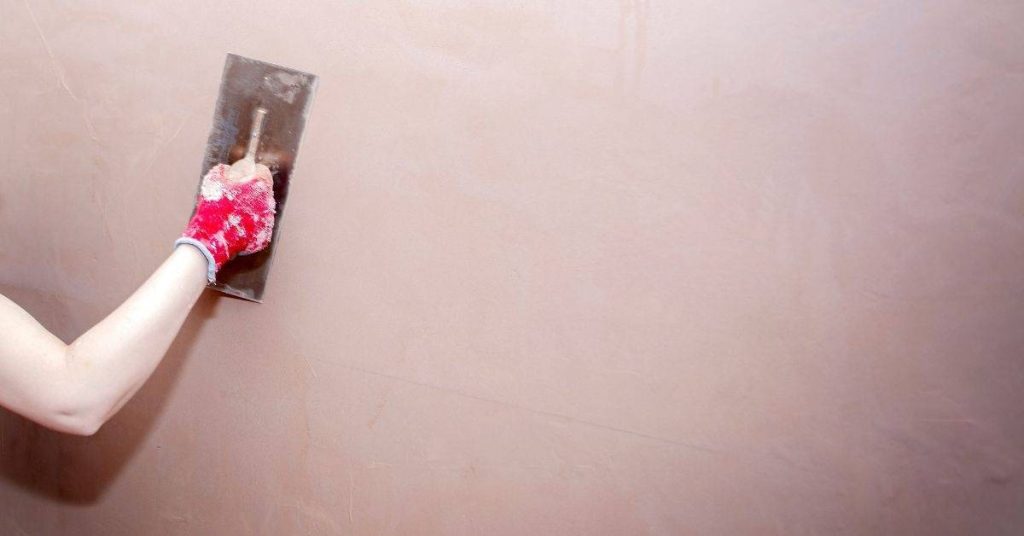
Person smoothing plaster on wall with trowel wearing red glove

Matching a 1920s plaster finish: how to recreate subtle trowel marks and sheen

Introduction A matching 1920s plaster finish is a subtle, handmade wall surface that uses light trowel marks and a soft, aging sheen. The goal is to recreate the quiet texture and depth of period walls without looking overdone. It involves careful surface work, controlled plaster mixes, and patient application. Before you start, assess the existing […]

Matching a 1920s plaster finish: how to recreate subtle trowel marks and sheen Read More »

Hand holding trowel and hawk with plaster compound

Planning a plaster skim job: sample walls, staging rooms, and avoiding scope creep

Introduction Planning a plaster skim job is outlining which walls to skim, choosing sample walls to test finishes, and setting up staging areas to keep the work organized. It helps prevent scope creep by defining what work is in scope and what isn’t. Start by walking the space and noting surface condition, then map a

Planning a plaster skim job: sample walls, staging rooms, and avoiding scope creep Read More »

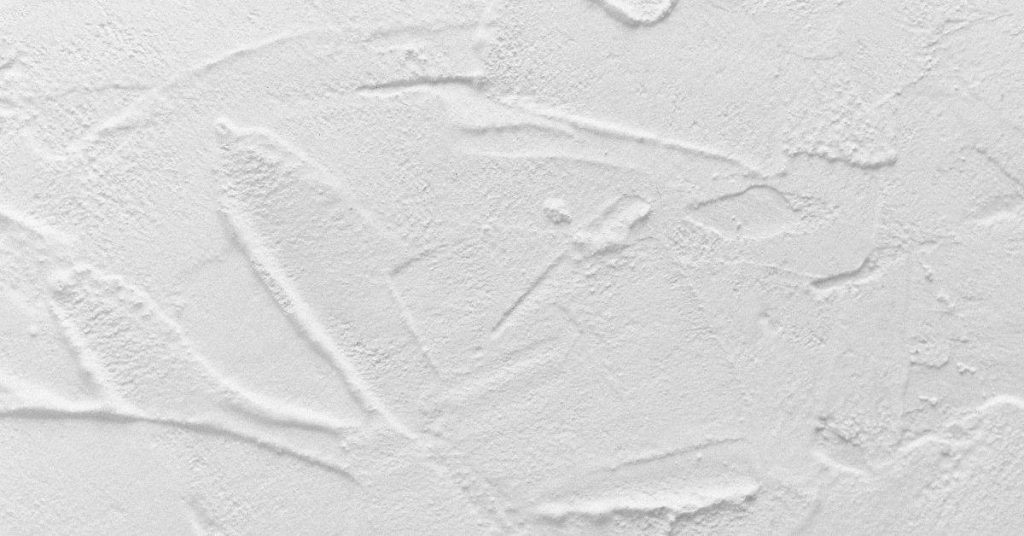
Close-up of textured white plaster surface

Bonding agents explained: PVA vs acrylic vs plaster weld and where each fails

Introduction Bonding agents like PVA, acrylic, and plaster weld are surface glues that improve adhesion between materials. This article explains how each one works, where it tends to perform best, and the common limits you’ll run into on-site. You’ll learn practical tips for surfaces and prep so the agent can grip and cure reliably. PVA

Bonding agents explained: PVA vs acrylic vs plaster weld and where each fails Read More »

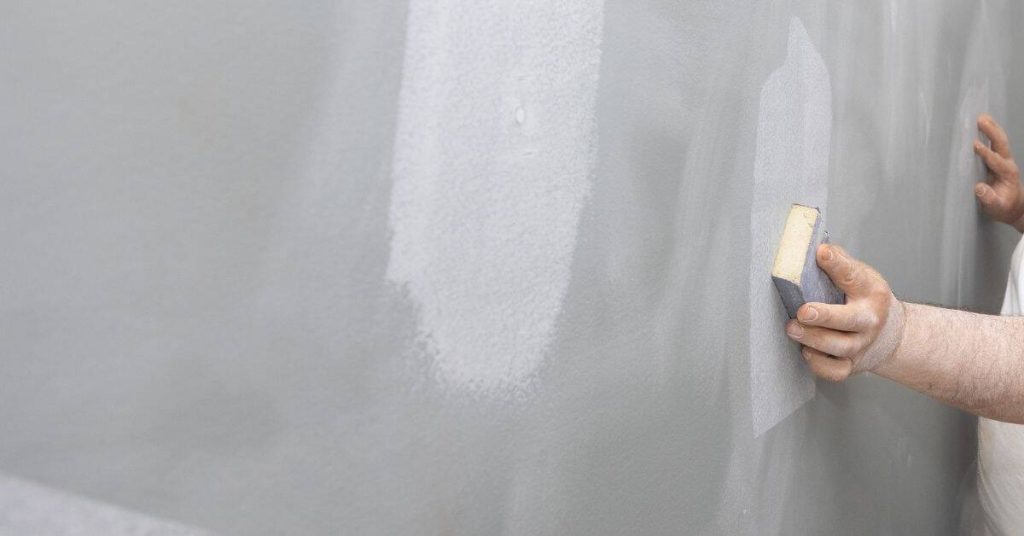
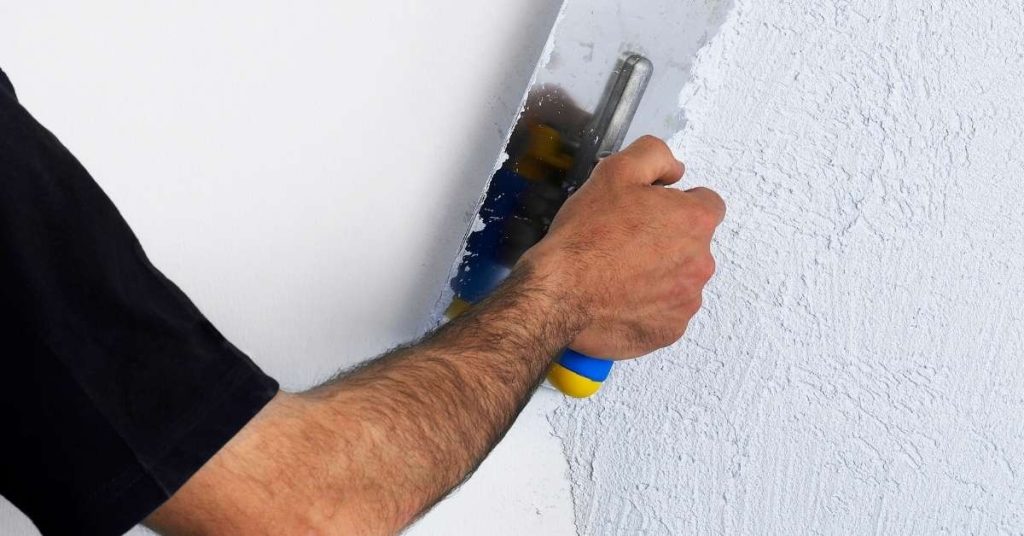
Hand applying sponge to textured plaster wall

Blending textures on old plaster walls: sand grading tricks and sponge timing

Introduction Blending textures on old plaster walls means smoothing uneven surfaces by using sand grading and sponge timing to achieve a cohesive finish. This article focuses on practical, hands-on steps you can follow in a DIY setting. You’ll balance texture retention with a softer final look while it remains within safe expectations for plaster repair.

Blending textures on old plaster walls: sand grading tricks and sponge timing Read More »

Closeup of red brick and gray mortar joints

Cracks along dissimilar materials in stucco: handling wood-to-masonry movement joints

Introduction Cracks along dissimilar materials in stucco occur where wood and masonry move at different rates, and require a proper movement joint. Identify where wood framing meets masonry and where movement joints are needed to allow for expansion and contraction. Keep the project practical by checking existing joints and following manufacturer or local guidance for

Cracks along dissimilar materials in stucco: handling wood-to-masonry movement joints Read More »

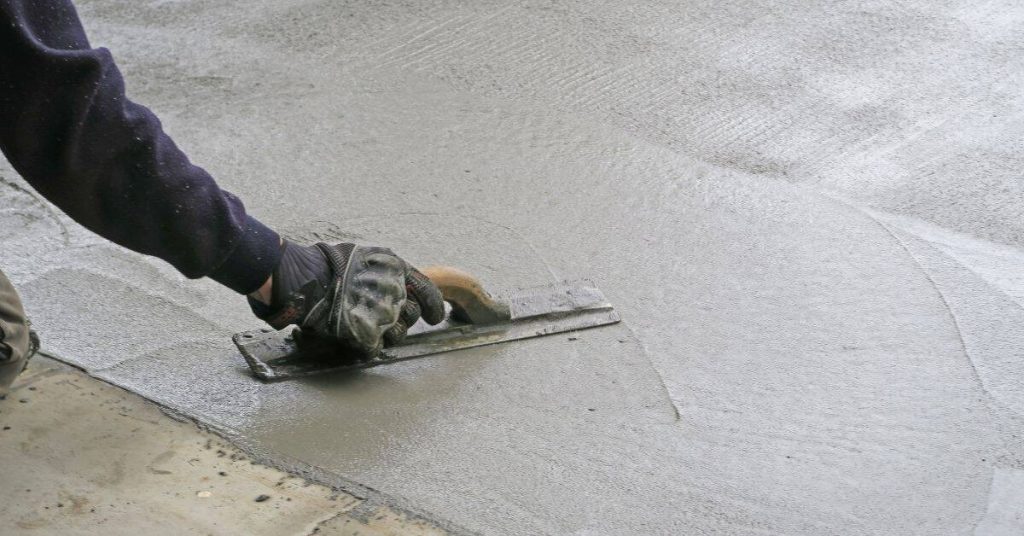
Worker smoothing fresh concrete slab with trowel

Laitance on fresh concrete pours: quick tests and the right removal method before coatings

Introduction Laitance is the thin, weak film of cement and fine particles that rises to the surface of freshly poured concrete. It forms when fines and moisture push to the top, leaving a smooth but poor bonding layer. Quick checks include a light skim with a dull tool or a damp wipe to feel for

Laitance on fresh concrete pours: quick tests and the right removal method before coatings Read More »

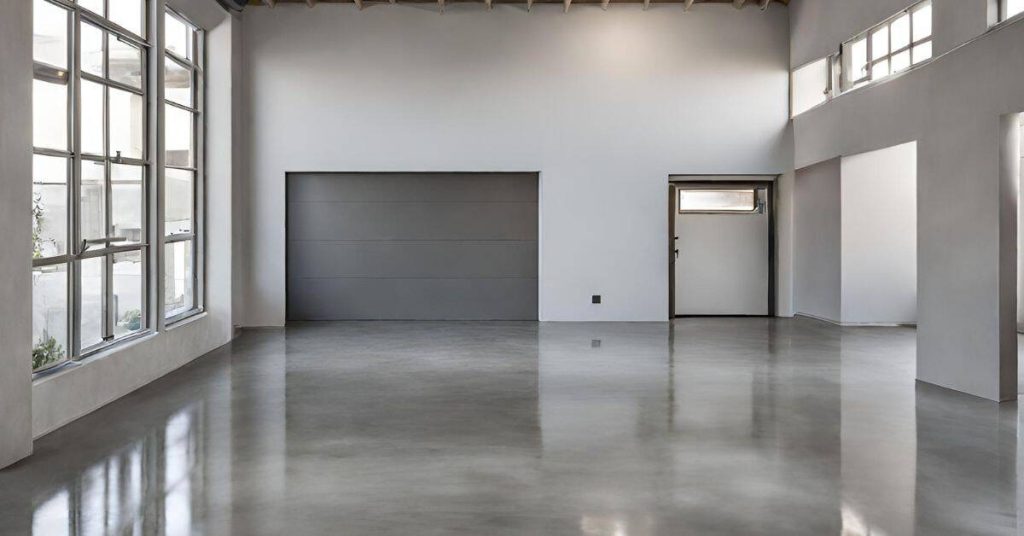
Empty room with smooth polished concrete floor and large windows

Fixing a Bad Concrete Broom Finish: Rescue Tricks for Chatter Marks, Streaks, and Overworked Slabs

Introduction A bad concrete broom finish is an uneven, rough texture on a broom-finished slab with chatter marks and streaks. This article offers practical, hands-on techniques to smooth out the look while preserving the surface integrity. For DIY fixes, assess the surface and plan a remediation approach with simple tools and safe methods. Check guidelines

Fixing a Bad Concrete Broom Finish: Rescue Tricks for Chatter Marks, Streaks, and Overworked Slabs Read More »

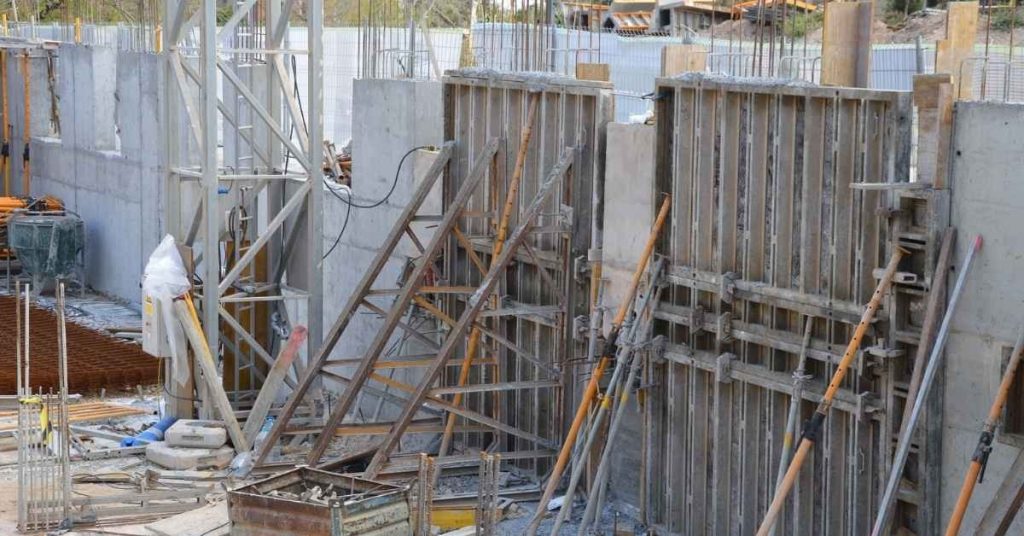
Concrete wall formwork supported by braces at construction site

Form oil and release agents: the types that stain and how to avoid fish-eyes

Introduction Form oils and release agents are coatings applied to forms to prevent concrete from sticking. They can stain if the wrong type is used or if the application is uneven. Check the label and follow the manufacturer’s instructions to choose the right option for your form material. To avoid fish-eyes, test a small area

Form oil and release agents: the types that stain and how to avoid fish-eyes Read More »

Person applying plaster on wall with trowel

High-Gloss Venetian Plaster: A Layering Plan to Avoid Drag Marks and Streaks

Introduction High-gloss Venetian plaster is a multi-layer decorative finish that builds a shiny, mirror-like surface. This article lays out a practical layering plan to keep drag marks and streaks under control as you work. You’ll be working in thin, even coats and checking your tool marks as you go. Begin with surface prep, then keep

High-Gloss Venetian Plaster: A Layering Plan to Avoid Drag Marks and Streaks Read More »

bucket with plastering tools on wet surface outdoors

Tadelakt for DIY Bathrooms: Burnishing, Waxing, and Details That Prevent Failure

Introduction Tadelakt is a traditional lime plaster finish used in bathrooms that you burnish and wax to create a smooth, water-resistant surface. This article covers the key steps you can do yourself, like burnishing and applying wax, and the details that help prevent failure. Keep in mind that proper preparation and careful curing are essential

Tadelakt for DIY Bathrooms: Burnishing, Waxing, and Details That Prevent Failure Read More »