Search Results for: tar paper and sand concrete

Closeup of cracked white stucco wall texture

Stucco Patch Color Matching: Avoiding halos and obvious repair rings

Introduction Color matching stucco patches means blending the new patch with the existing wall so it looks seamless. Start by inspecting the surface, note the shade under natural light, and compare small test spots. Plan to mix from the same material and apply in thin layers to avoid halos. Feather the edges and apply thin, […]

Stucco Patch Color Matching: Avoiding halos and obvious repair rings Read More »

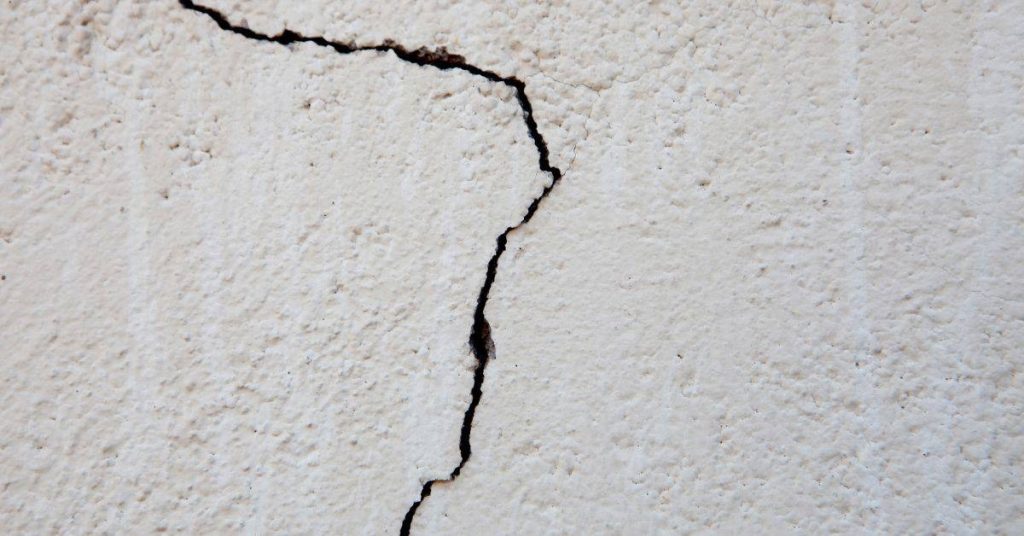
Closeup of large jagged crack in white stucco wall

Stucco Crack Patterns: What vertical, diagonal, and stair-step cracks usually mean

Introduction Vertical, diagonal, and stair-step cracks in stucco are signals of movement or stress in the wall rather than just a cosmetic flaw. These patterns often point to shifts in framing, moisture issues, or settlement and you should check the crack size, location, and whether it keeps opening after weather changes. For a DIY approach,

Stucco Crack Patterns: What vertical, diagonal, and stair-step cracks usually mean Read More »

Red concrete formwork braces supporting structure

Concrete That Turns Dark When Wet: Diagnosing porosity and finishing issues

Introduction Concrete that turns dark when wet indicates moisture affecting the surface, usually tied to porosity and finishing issues. In plain DIY terms, that color change is your cue that water is soaking in or being held near the finish. It’s a practical clue to start diagnosing what went wrong during pour, finishing, or sealing.

Concrete That Turns Dark When Wet: Diagnosing porosity and finishing issues Read More »

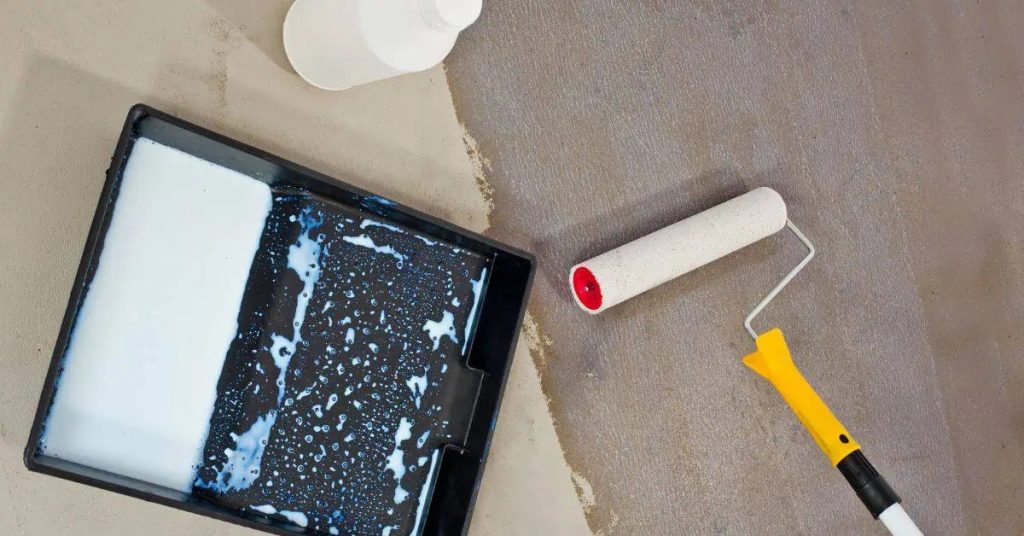
Paint roller and tray with white primer on concrete floor

Etching on Concrete Countertops: Fixing dull spots without changing sheen

Introduction Etching on concrete countertops is the process of lightly abrading the surface to restore or adjust the sheen in dull spots. It’s a hands-on fix you can do with basic tools. Start by identifying dull spots, then prep the area by cleaning and protecting surrounding surfaces, and check any product or finish labels for

Etching on Concrete Countertops: Fixing dull spots without changing sheen Read More »

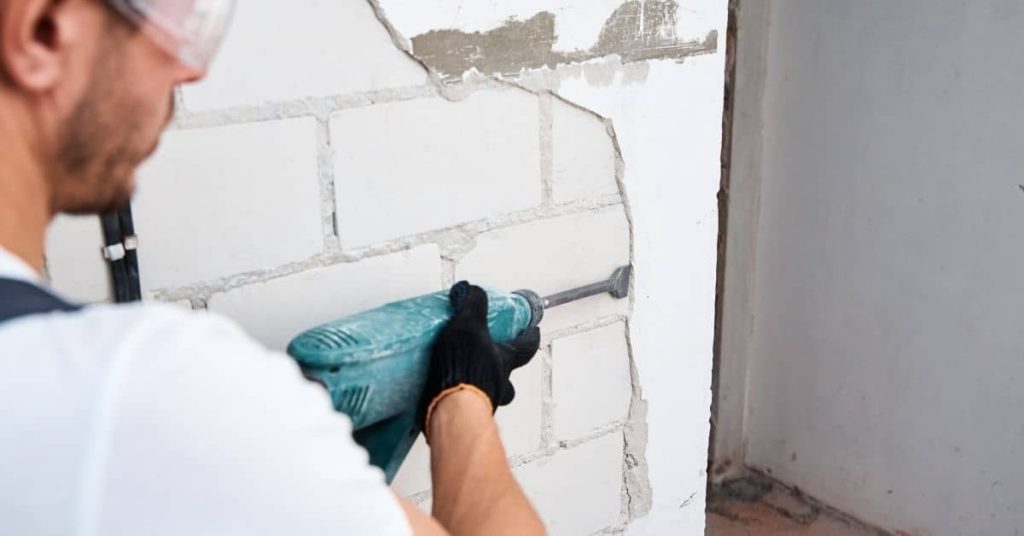
Worker using electric chisel removing stucco from wall

Stucco Bottom Edge Crumbling: Fixing wicking and keeping the base dry

Introduction Crumbling stucco at the bottom edge happens when moisture wicks into the base and weakens the coating. This article covers a practical DIY approach to stop the leak, remove damaged material, and start a proper patch. Check your local rules and product labels for compatibility and any safety steps. Start by cleaning the edge,

Stucco Bottom Edge Crumbling: Fixing wicking and keeping the base dry Read More »

Red brick pavers being laid on sand base with masonry tools

Concrete Pads on Clay Soil: Base prep that reduces settlement and cracking

Introduction Concrete pads on clay soil require a proper base prep to minimize settlement and cracking. The base should be clean, graded, and compacted to create a stable, drainage-friendly surface. If you’re unsure about soil conditions, check with local rules or a product label for guidance on acceptable fill and compacting methods. Understanding what causes

Concrete Pads on Clay Soil: Base prep that reduces settlement and cracking Read More »

Trowel smoothing fresh concrete joint surface

Concrete Joint Adhesion Failure: Dirt, moisture, and primer fixes that work

Introduction Adhesion failure in a concrete joint means the surface won’t bond as intended, leaving joints that can peel or separate. Dirt, moisture, and poorly prepared or incompatible primers are common culprits that block proper adhesion. Check the surface for dust, oil, and dampness before applying anything. Polyurethane primer can help restore grip between concrete

Concrete Joint Adhesion Failure: Dirt, moisture, and primer fixes that work Read More »

Person pressure washing concrete patio surface

Concrete Sealer Compatibility: Why some sealers refuse to bond to old coats

Introduction Concrete sealer compatibility is about whether a new coating will bond to an existing old sealer or film on the surface. If the old coat has residue, moisture, or incompatible chemistry, the bond can fail. Understanding this helps you avoid a patchy finish. Solvent-based and water-based sealers behave differently with old coatings, so check

Concrete Sealer Compatibility: Why some sealers refuse to bond to old coats Read More »

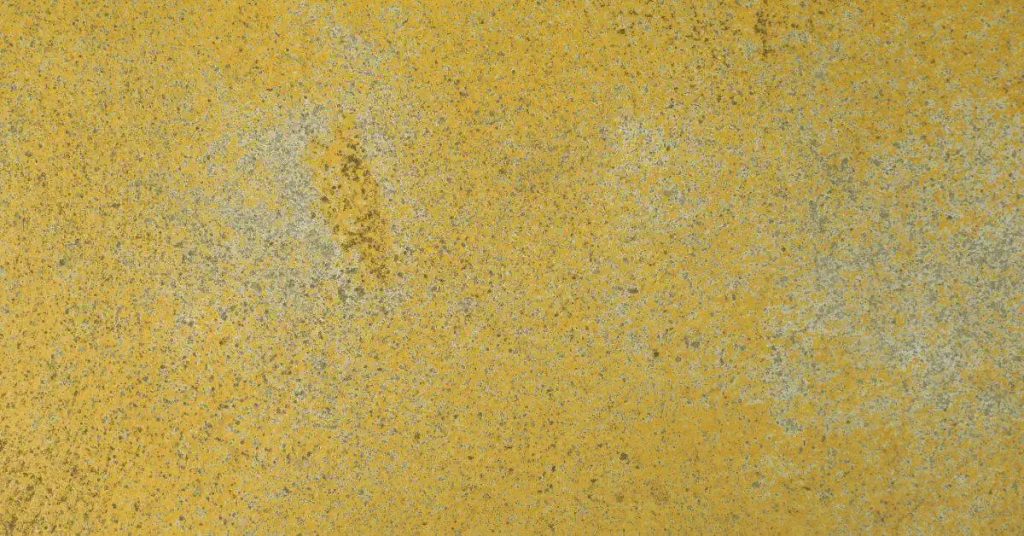
yellow stained concrete surface with varying texture

Concrete Surface Delamination: Causes, diagnosis, and repair that lasts

Introduction Delamination is the surface layer of concrete peeling or separating from the underlying concrete, creating a patchy, hollow feel. It often shows up as a dull patch that may flake or sound hollow when tapped. Lightly tapping suspect areas can help you spot where the top lift isn’t bonded well. To diagnose, look for

Concrete Surface Delamination: Causes, diagnosis, and repair that lasts Read More »

Empty room with polished concrete floor and large windows

Concrete Patch Lines: Blending repairs so they don’t scream ‘patch’

Introduction Concrete patch lines are blended repairs that look like part of the surrounding slab rather than obvious patches. The goal is a seamless join that doesn’t stand out when people walk on or near it. You’ll use careful technique and matching materials to hide the repair. Focus on patch techniques that blend edges with

Concrete Patch Lines: Blending repairs so they don’t scream ‘patch’ Read More »