Search Results for: tar paper and sand concrete

Concrete pour with exposed rebar in metal formwork

Repairing Spalls With Exposed Rebar: Cleaning Standards, Priming Steel, and Patch Layering

Introduction Repairing spalls with exposed rebar means patching concrete where the surface has chipped away and rebar is visible. Before you dig in, determine if the area can be saved or needs replacement, and plan for proper bonding between old concrete and the patch. Decide on a bonding method based on the site and materials, […]

Repairing Spalls With Exposed Rebar: Cleaning Standards, Priming Steel, and Patch Layering Read More »

precast concrete wall panels with steel roof framing

Grinding vs Scarifying vs Milling: Picking Removal Methods by Depth and Dust

Introduction Grinding, scarifying, and milling are three removal methods that remove concrete from the surface, each with a different tool and result. Grinding uses a rotating abrasive disk to smooth and flatten the top layer. Scarifying tears and scratches the surface to lift material more aggressively, while milling removes larger sections with a powered drum.

Grinding vs Scarifying vs Milling: Picking Removal Methods by Depth and Dust Read More »

Fresh concrete pouring onto a slab outdoors

Concrete Alkali-Silica Reaction (ASR) Spot Checks: Symptoms That Mimic Other Failures

Introduction ASR is a chemical reaction in concrete between alkalis and reactive silica in aggregates that can lead to slow expansion and cracking. In the field, it can look like cracking, blistering, or powdery patches that mimic other problems. Understanding these symptoms helps you tell whether you might be dealing with ASR or something else.

Concrete Alkali-Silica Reaction (ASR) Spot Checks: Symptoms That Mimic Other Failures Read More »

paint brush lying on concrete floor partially painted red tiles

Concrete Surface Contamination Tests: Oil, Silicone, Curing Compound, and Why Water Bead Tests Mislead

Introduction Concrete surface contamination tests tell you whether a surface is clean enough for bonding by revealing any residual oils, silicones, or waxes. For epoxy or other adhesives, you must verify cleanliness requirements with the product label and local rules, because expectations vary. If unsure, follow a basic check: a dry, dust-free feel and a

Concrete Surface Contamination Tests: Oil, Silicone, Curing Compound, and Why Water Bead Tests Mislead Read More »

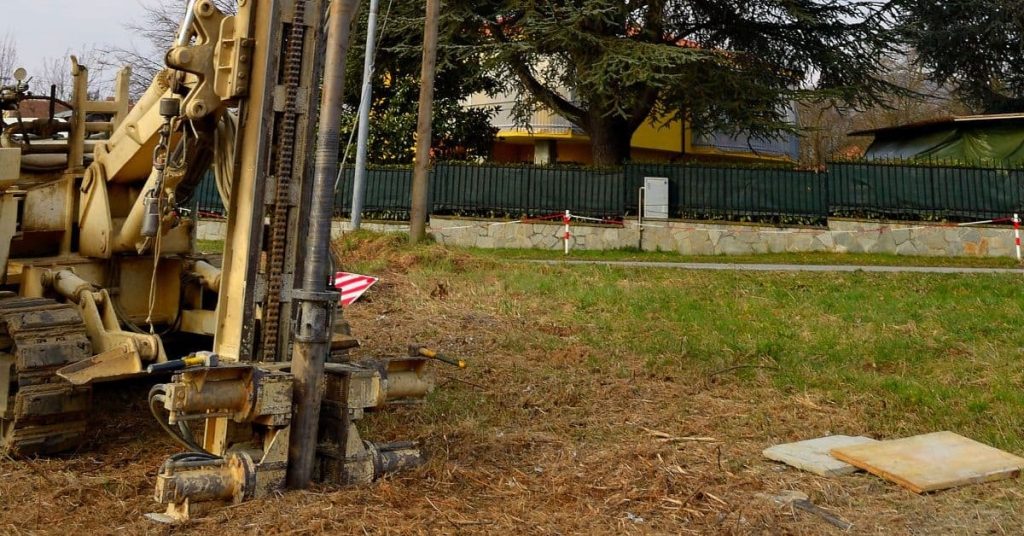
Heavy soil drilling rig on grassy field near fence

Half-Cell Potential Testing: Quick Field Check for Corrosion Risk (and Common Misreads)

Introduction Half-cell potential testing is a quick field check that estimates the likelihood of corrosion on embedded steel by measuring electrical potential at the surface. It’s a screening tool, not a crystal ball, and results should be used with other observations. Always follow the device instructions and local rules when you perform it. To perform

Half-Cell Potential Testing: Quick Field Check for Corrosion Risk (and Common Misreads) Read More »

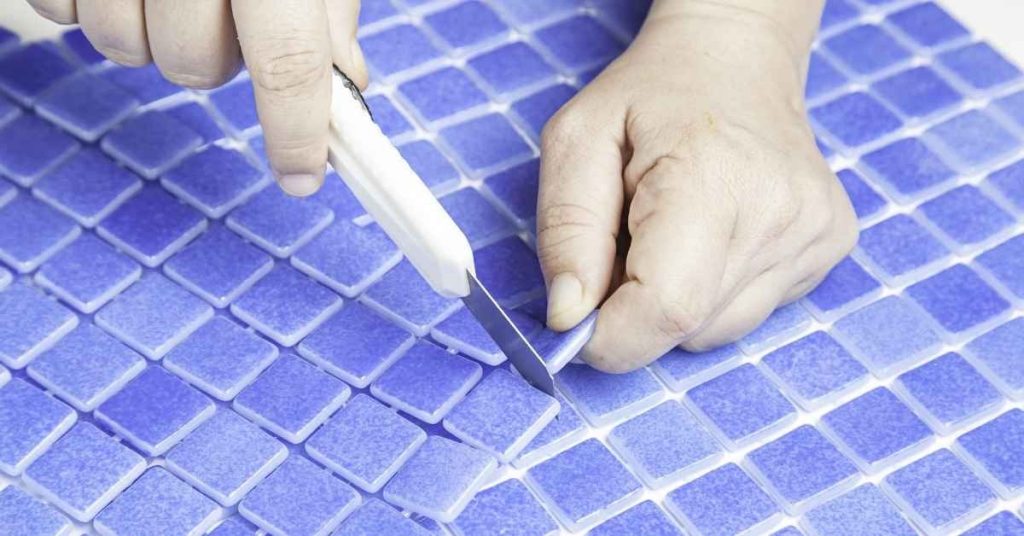
Hands cutting small blue glass mosaic tiles with a knife

Using Crushed Glass as Aggregate: ASR Risk, Mitigation, and Surface Finish

Introduction Crushed glass as aggregate is using recycled glass pieces as the rock substitute in concrete. There is an alkali-silica reaction risk with crushed glass, which varies with glass type, particle size, and the concrete mix. Always check product labels, supplier instructions, and local rules for ASR guidance and suitability. Mitigation strategies include choosing less

Using Crushed Glass as Aggregate: ASR Risk, Mitigation, and Surface Finish Read More »

Close-up of spiked roller on smooth epoxy floor

Nano-Silica in Small Batches: Benefits, Dispersion Tricks, and When It’s Not Worth It

Introduction Nano-silica in small batches means using tiny silica particles in an epoxy mix to boost performance without big-scale formulation. Keep it practical: check the epoxy label for compatibility, follow manufacturer guidance, and stay within local rules. In DIY projects, reliable resources and a few reputable references are worth a look before you start. If

Nano-Silica in Small Batches: Benefits, Dispersion Tricks, and When It’s Not Worth It Read More »

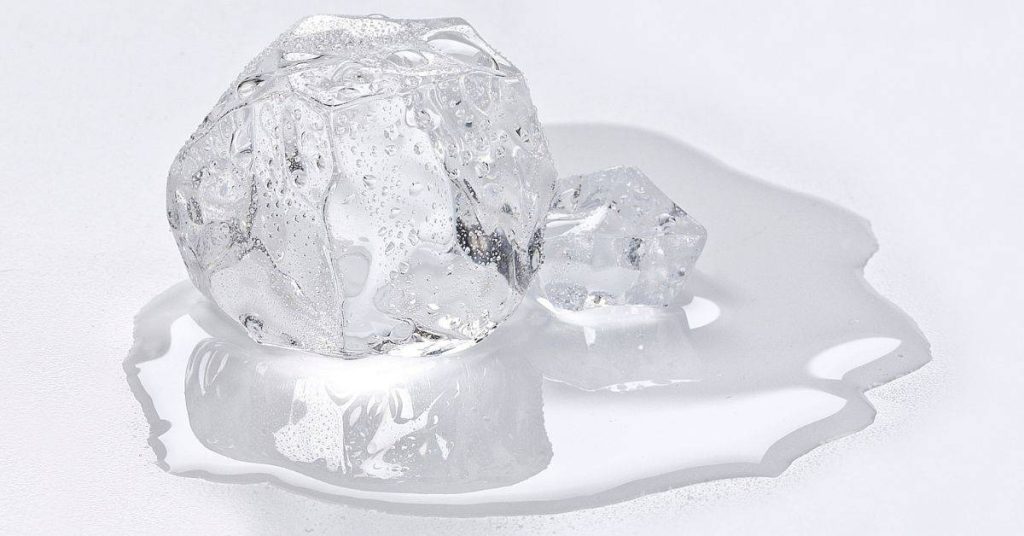
Melting ice cubes with water pool on white surface

Concrete Laitance: How to Identify It and Remove It Before Coatings Fail

Introduction Laitance is a thin, weak surface layer of cement and fines on concrete that can ruin coatings if it isn’t removed. It often feels powdery or dusty and looks lighter or different from the surrounding concrete. If you leave laitance, coatings can fail early and moisture or dirt may trap under the finish. Removal

Concrete Laitance: How to Identify It and Remove It Before Coatings Fail Read More »

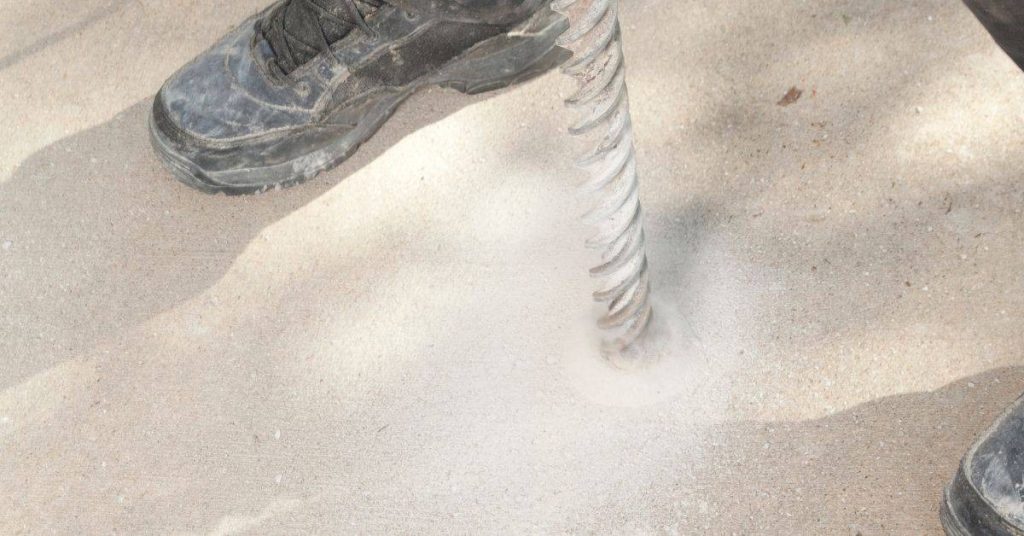
Spiral drill bit penetrating concrete surface with dust

Magnesium Phosphate Concrete Repair: Best Uses, Limits, and Failure Modes

Introduction Magnesium phosphate concrete repair is the use of magnesium phosphate cement to fix or patch concrete joints and damaged areas. It is presented here as a practical option for small repairs and fast-setting projects. In this guide you’ll also see notes about who contributed to the writing and a publisher’s note to set the

Magnesium Phosphate Concrete Repair: Best Uses, Limits, and Failure Modes Read More »

Close up of stucco exterior wall under windows with roof eaves

Water Staining on Stucco Under Windows: Causes and better details

Introduction Water staining on stucco under windows is damp marks caused by moisture seeping or condensing near the window area. It often shows as brown, gray, or darker streaks and can come from leaks, condensation, or improper flashing. Check the window flashing, sealants, and the siding above to find where moisture is entering. To address

Water Staining on Stucco Under Windows: Causes and better details Read More »