Search Results for: tar paper and sand concrete

Gloved hand cleaning a wall with a green sponge

How to Paint Over Smoke Stains: Cleaning, sealing, and odor control

Introduction Painting over smoke stains means preparing the wall by cleaning soot, sealing to block odors, and applying fresh paint. This is a practical, hands-on job you can do with common tools. Assess the stains and follow the label on primers and paints for the right compatibility. Clean thoroughly with a suitable cleaner to lift […]

How to Paint Over Smoke Stains: Cleaning, sealing, and odor control Read More »

Hand painting white paint on wooden door panel

How to Stop Door Paint From Sticking: Cure time, blocking, and topcoat choices

Introduction Door paint sticking happens when the finish doesn’t dry fully or cures unevenly. Give each coat enough cure time and choose a topcoat that suits door surfaces to prevent sticking. Check the product label and local rules for drying times and recommendations. Use a finish approved for doors and follow thinning or application guidance

How to Stop Door Paint From Sticking: Cure time, blocking, and topcoat choices Read More »

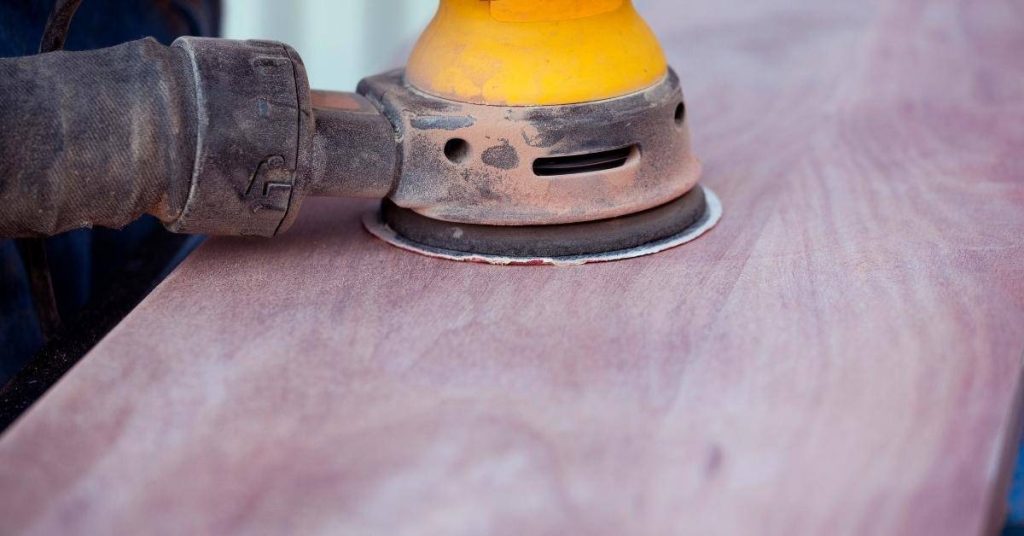
Orbital sander sanding smooth plywood surface

How to Fix Raised Paint Edges at Tape Lines: Sanding and recoat strategy

Introduction Raised paint edges at tape lines are ridges formed where tape seals and paint creeps under. This guide shows how to sand them smooth and refinish without pulling off surrounding paint. Use a light touch, gentle feathering, and follow the tape and paint manufacturer’s instructions. Sanding should be light and even, targeting only the

How to Fix Raised Paint Edges at Tape Lines: Sanding and recoat strategy Read More »

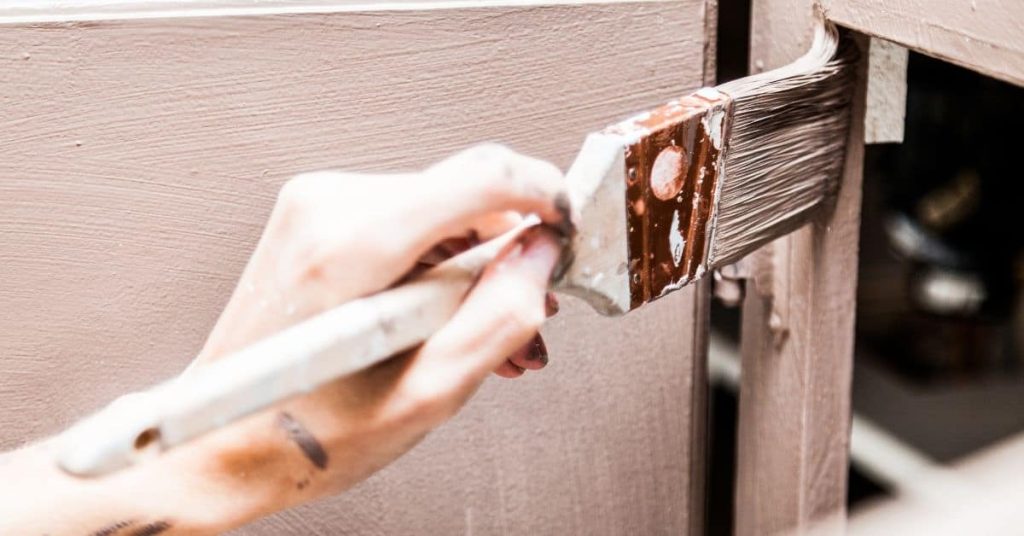
Hand painting edges of wooden cabinet with brush

How to Prevent Tape Lines When Painting: Cutting in and pulling tape the right way

Introduction Preventing tape lines means masking and edge-work done so the paint meets cleanly without ridges. Cutting in and lifting tape at the right moment helps keep the edge sharp. Work slowly, check the edge as you go, and don’t rush the tape removal. Start with clean, dry surfaces and press the tape firmly to

How to Prevent Tape Lines When Painting: Cutting in and pulling tape the right way Read More »

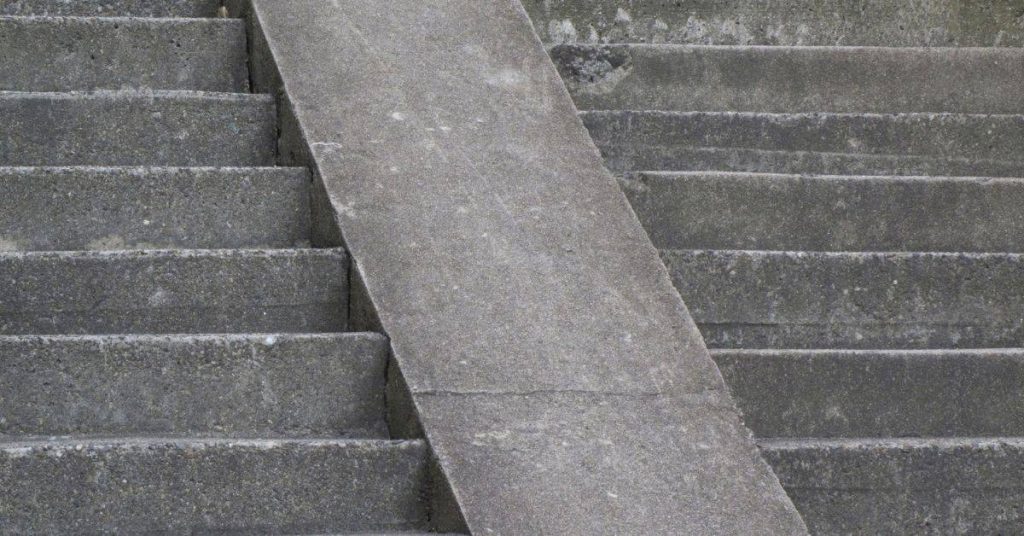
Concrete stairs with a smooth ramp in the middle

Fixing a Concrete Patch That Won’t Take Stain: Porosity matching and blending

Introduction Porosity matching and blending means adjusting a concrete patch so it accepts stain like the surrounding concrete and hides the edges. Start with a clean, dry surface and test a small area to see how the stain looks. If the patch seems off, adjust the patch mix with a compatible additive or bonding agent

Fixing a Concrete Patch That Won’t Take Stain: Porosity matching and blending Read More »

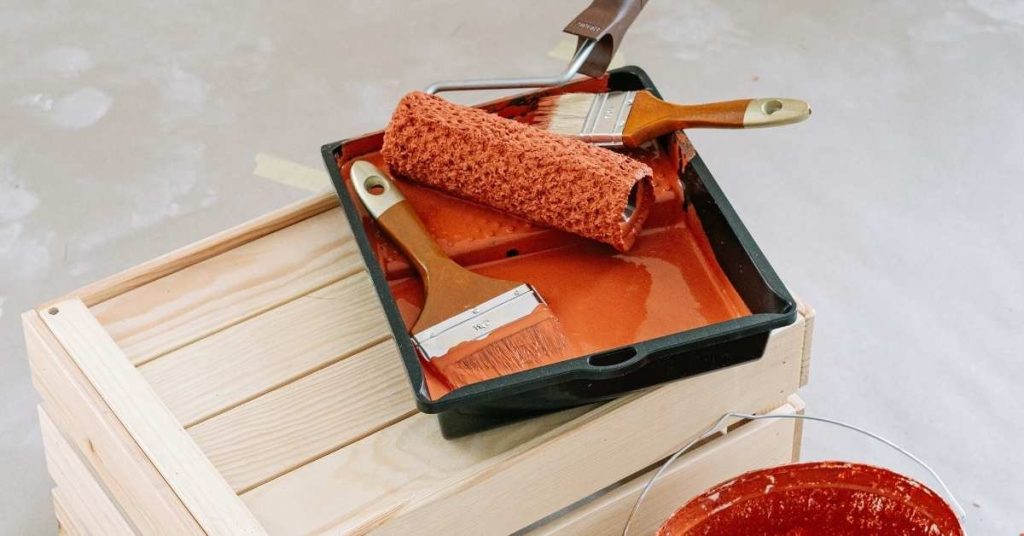
Paint brushes and roller on paint tray with orange paint

Paint Cratering: Oils, cleaners, and residue that cause defects

Introduction Paint cratering is the appearance of crater-like defects on a painted surface caused by oils, cleaners, or residue left on the material before painting. These contaminants disrupt how the paint film bonds, leaving dull spots and pinholes as it dries. In DIY work, it often happens after rushed cleaning or using unsuitable cleaners. To

Paint Cratering: Oils, cleaners, and residue that cause defects Read More »

Worker in protective gear spray painting metal beams indoors

Painting Over Powder Coat: When it’s possible and how to prep correctly

Introduction Painting over powder coat means applying paint directly on a powder-coated surface after proper prep. It can work, but only if the surface is clean, sound, and properly prepared. If you’re unsure, check the primer and paint labels for compatibility and follow local rules. Prep should start with a thorough cleaning, roughing the gloss,

Painting Over Powder Coat: When it’s possible and how to prep correctly Read More »