Search Results for: tar paper and sand concrete

Paint roller covered in white paint dripping into paint can

Roller Lint in Paint: How to Pre-Wash Rollers and Stop Fuzz in the Finish

Introduction Pre-washing rollers removes loose fibers and lint to improve the finish. Before you load paint, rinse the roller with clean water or a recommended solvent, then spin or squeeze out the moisture and let it dry before use. Lint and fuzz usually come from new rollers, rough surfaces, or poor storage, so check the […]

Roller Lint in Paint: How to Pre-Wash Rollers and Stop Fuzz in the Finish Read More »
Black plastic cable ties of various lengths on white surface

Spraying Paint in a Garage: Overspray Containment With Cheap Plastic and Filters

Introduction Overspray containment is the quick setup of cheap plastic barriers and filters to keep paint mist from drifting outside your garage. This approach is meant to be practical and affordable for a DIY project. You’ll learn how to tape plastic, hang it securely, and use simple filters to curb debris. Plan the work area,

Spraying Paint in a Garage: Overspray Containment With Cheap Plastic and Filters Read More »

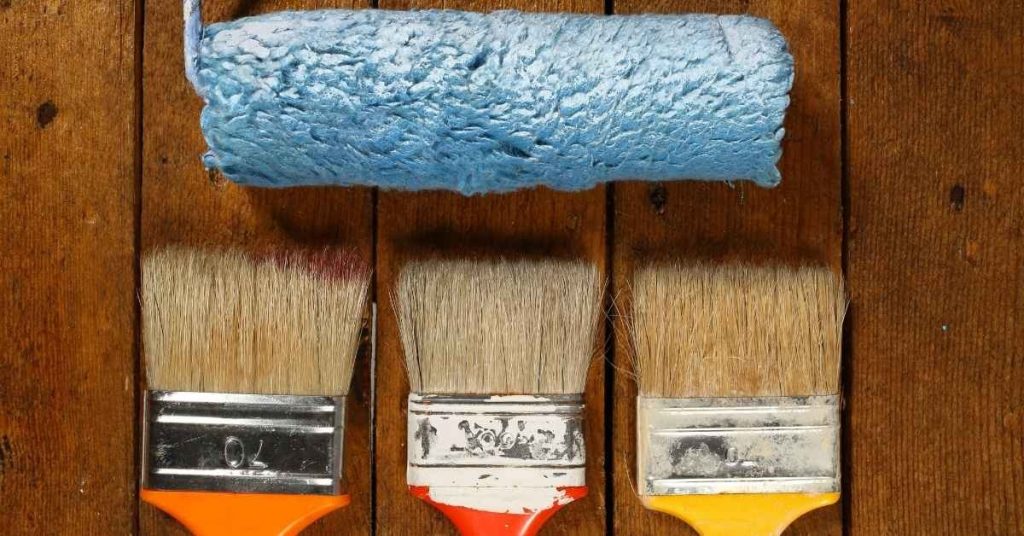
Three paintbrushes and one paint roller on wooden surface

Fixing Paint that ‘Alligators’: Causes, Patch Strategy, and When to Strip

Introduction Alligatoring is when cracked, ridged paint film looks like alligator skin. It happens when the top layer loses flexibility and the underlayer shows through. This tells you that the surface needs attention beyond a quick touch-up. A practical plan is to assess the damage, remove loose paint, and decide whether you can patch or

Fixing Paint that ‘Alligators’: Causes, Patch Strategy, and When to Strip Read More »

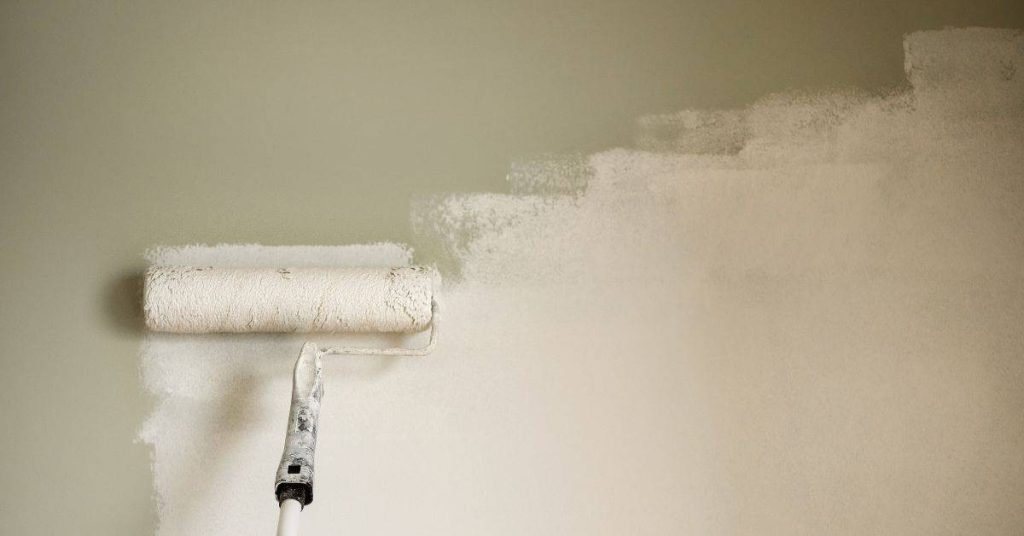
Paint roller applying white paint on beige wall

How to Prevent Roller Marks in Clear Sealers: Work Zones, Wet Edge, and Re-Roll Traps

Introduction Preventing roller marks in clear sealers is about keeping a smooth, wet edge and consistent roller motion. Set up your work zones so you move methodically and don’t drag a dry edge across the surface. Check the product label and local rules for timing, and re-roll small areas to blend before the edge starts

How to Prevent Roller Marks in Clear Sealers: Work Zones, Wet Edge, and Re-Roll Traps Read More »

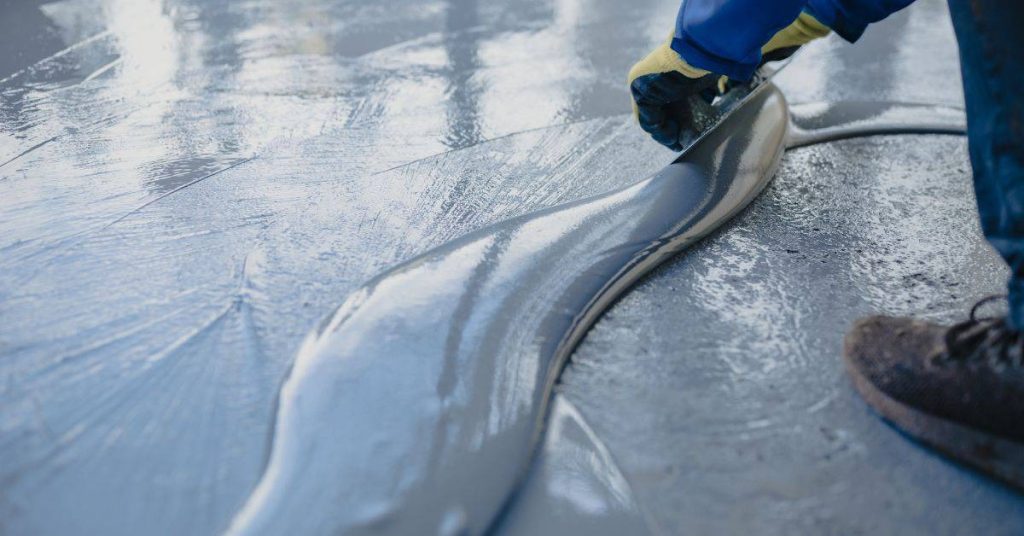
Person spreading glossy epoxy floor coating with squeegee

Pinholes in Floor Coatings: Prime Coats, Squeegee Technique, and Offgassing Control

Introduction Pinholes in floor coatings are tiny voids that form when the surface isn’t sealed and moisture or air escapes as the coating cures. They undermine moisture control and adhesion, especially if the primer or first coat isn’t applied correctly. Check that your primer is stated for moisture control and compatible with the topcoat you’re

Pinholes in Floor Coatings: Prime Coats, Squeegee Technique, and Offgassing Control Read More »

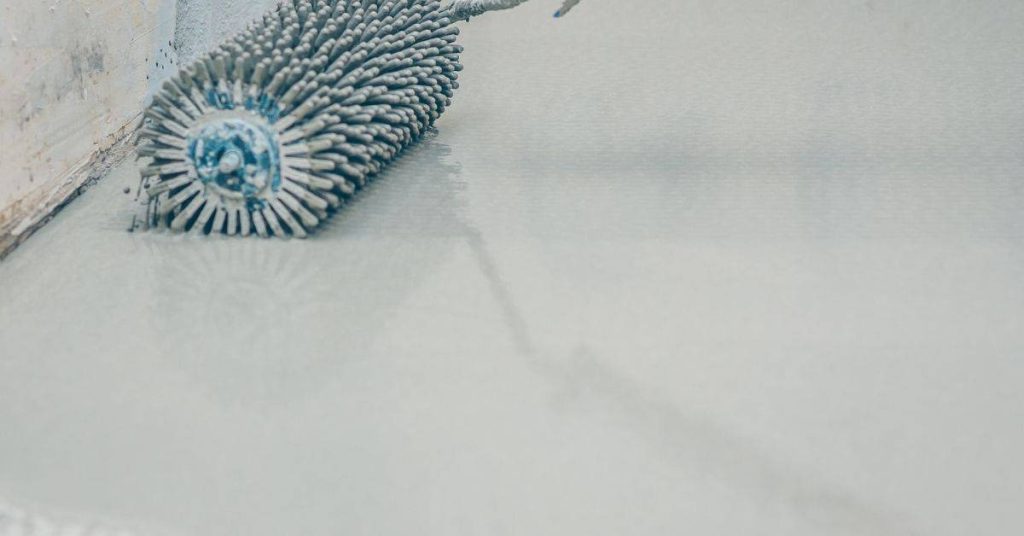
spiked roller laying on smooth wet epoxy floor coating

Why Epoxy Turns Waxy After Cure: Identifying Blush and Cleaning Without Smearing

Introduction Epoxy blush is a waxy, milky film that forms on the surface after curing. It happens when humidity and temperature during curing push oils to the top. This film isn’t cured epoxy and can be wiped away before recoating. To clean without smearing, wipe with a clean solvent or water with a little soap,

Why Epoxy Turns Waxy After Cure: Identifying Blush and Cleaning Without Smearing Read More »

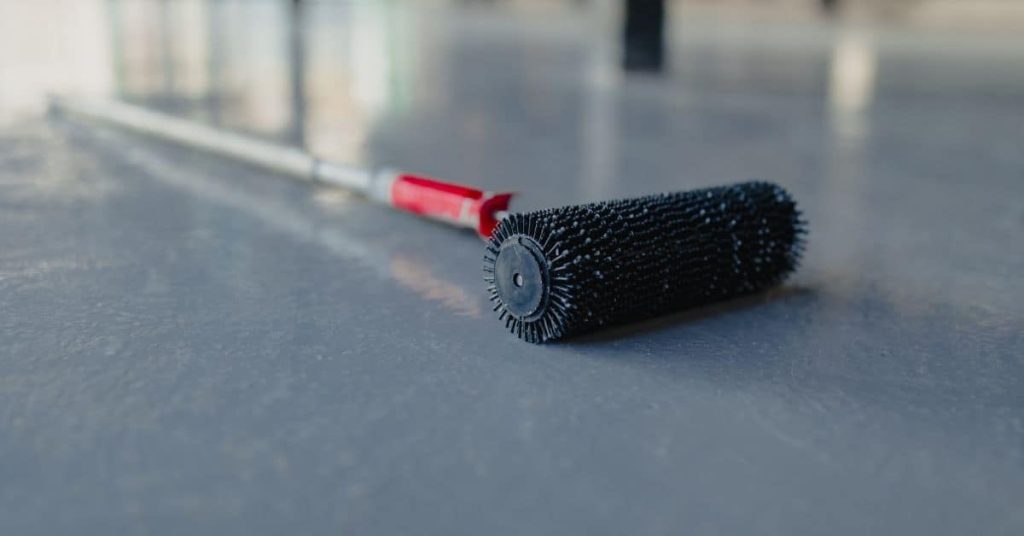
Black spiked roller with red handle on smooth floor surface

Topcoating Epoxy With Urethane: Recoat Windows and Sanding Levels That Prevent Delam

Introduction Topcoating epoxy with urethane is applying a urethane topcoat over an epoxy coating to seal and protect the finish. This step adds abrasion resistance and UV protection beyond the epoxy layer. Do it only after the epoxy has cured as instructed and the surface is clean and prepared for a new coat. Choose compatible

Topcoating Epoxy With Urethane: Recoat Windows and Sanding Levels That Prevent Delam Read More »

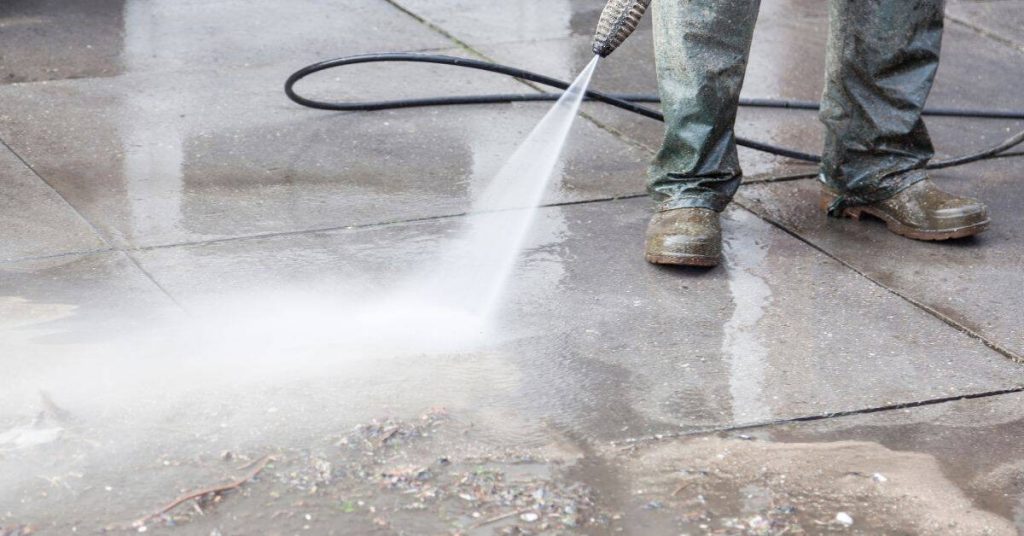
Person pressure washing smooth concrete patio surface

How to Tell If Concrete Is Too Smooth to Coat: Simple Adhesion Checks Before You Prime

Introduction Too smooth concrete resists adhesion and can fail after priming. This article shows simple checks to decide if the surface needs profiling. Roughening helps primers bite into the surface and create a lasting bond. Start with cleaning, then roughen the area using a grinder, wire brush, or sanding pad and clean away dust. Do

How to Tell If Concrete Is Too Smooth to Coat: Simple Adhesion Checks Before You Prime Read More »

Concrete floor grinding machine preparing surface near wall

Concrete Surface Prep for Coatings: How to Hit the Right Profile Without Over-Grinding

Introduction A proper surface profile is the texture and cleanliness of concrete that coatings need to bond. Before applying anything, clean the floor thoroughly to remove oils, dust, and contaminants. Profiling options like shot blasting or diamond grinding are used to create the key texture; choose based on the concrete and the coating. After blasting

Concrete Surface Prep for Coatings: How to Hit the Right Profile Without Over-Grinding Read More »

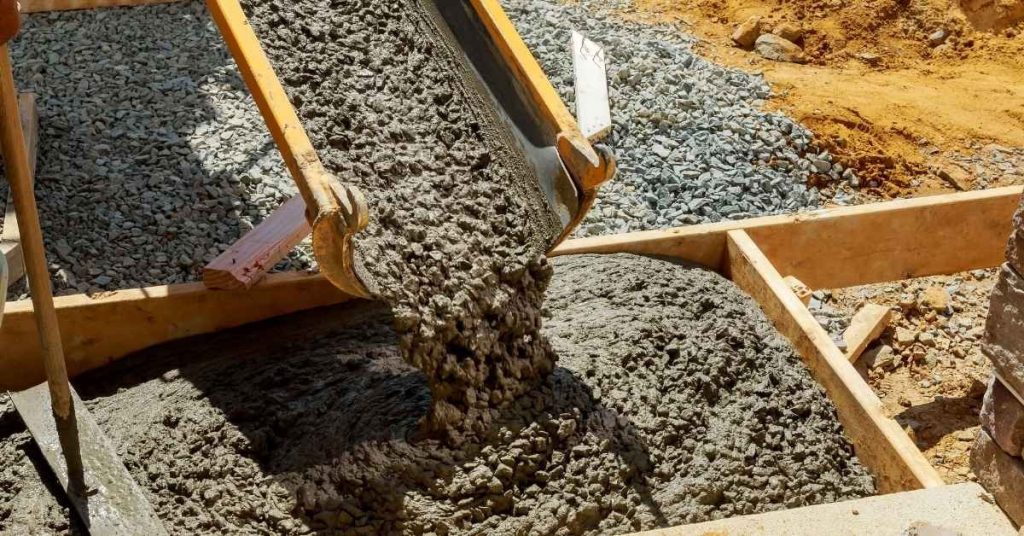
Concrete pouring into wooden formwork on construction site

How to Repair a Failed Joint Sealant Bead: Cutback, Primer, and Reseal Steps

Introduction A failed joint sealant bead needs to be cut back, primed, and resealed. This article walks you through the cutback, primer, and reseal steps so you can fix it yourself. You’ll assess the joint, remove old material, and prep the surface for a new bead. Carefully trim back the old sealant according to what

How to Repair a Failed Joint Sealant Bead: Cutback, Primer, and Reseal Steps Read More »