Search Results for: tar paper and sand concrete

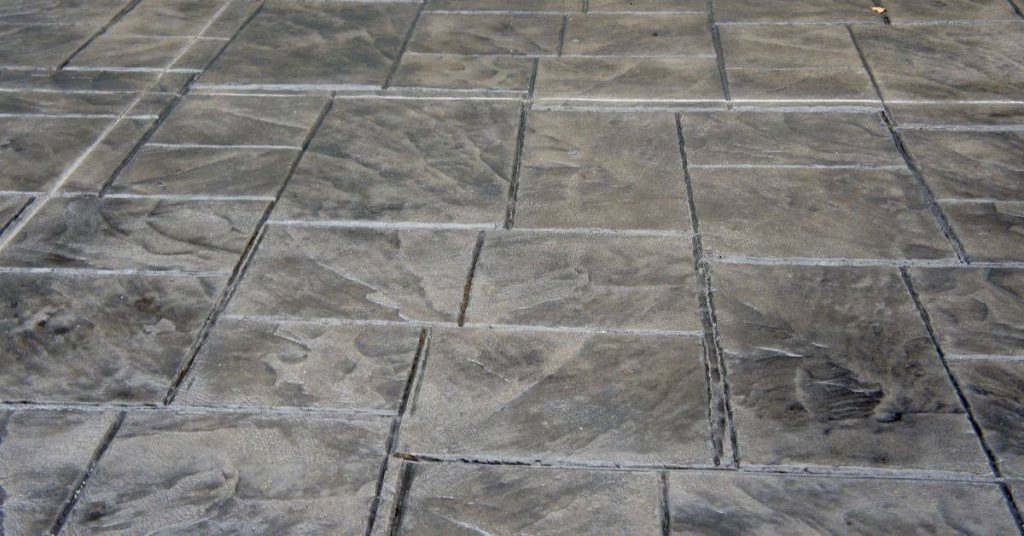
Stamped concrete patio surface with gray color and texture

Concrete Countertop Sealer Spot Repairs: Fixing One Area Without Recoating Everything

Introduction A sealer spot repair on a concrete countertop is fixing a damaged area without recoating the whole surface. It starts with identifying the kind of damage—stains, dull or rough spots—and cleaning the area thoroughly before any repair. Then you’ll choose a compatible sealant and follow the product directions for spot treatment, avoiding the rest […]

Concrete Countertop Sealer Spot Repairs: Fixing One Area Without Recoating Everything Read More »
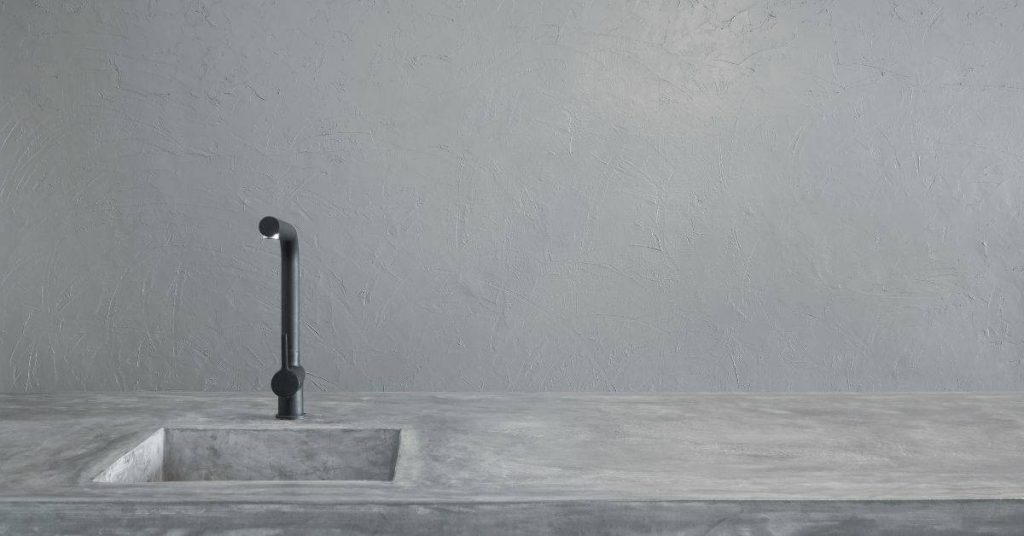
Concrete countertop with integrated sink and black faucet

Concrete Countertop Heat Rings: Why Sealers Fail and How to Reduce Damage

Introduction A concrete countertop heat ring is a ring-like mark formed around hot items that shows up as damage or staining. It happens when heat or rapid temperature changes stress the surface faster than the sealers or finish can handle. In DIY terms, it’s a signal to look at protection, cooling, and how you treat

Concrete Countertop Heat Rings: Why Sealers Fail and How to Reduce Damage Read More »

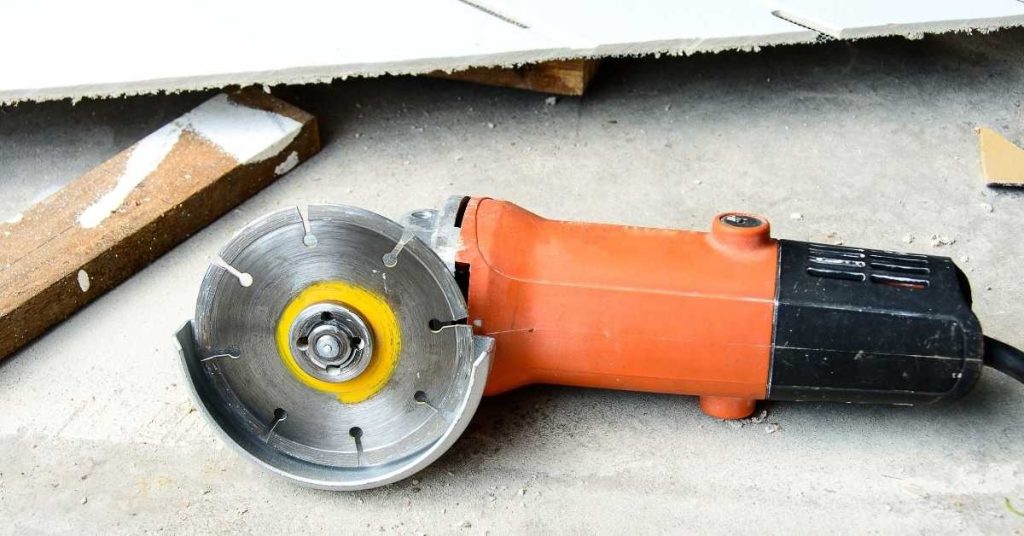
Corded angle grinder lying on dusty concrete floor

How to Avoid Grinder ‘Swirl Marks’: Technique, Tool Path, and When to Cross-Hatch

Introduction Grinder swirl marks are fine scratches left by abrasive motion, and you avoid them with the right technique. Choose the right grinder and disk for the wood task, keep the surface clean, and maintain steady, even pressure. Work in small, overlapping passes and check your progress often before moving to a finer abrasive. Use

How to Avoid Grinder ‘Swirl Marks’: Technique, Tool Path, and When to Cross-Hatch Read More »

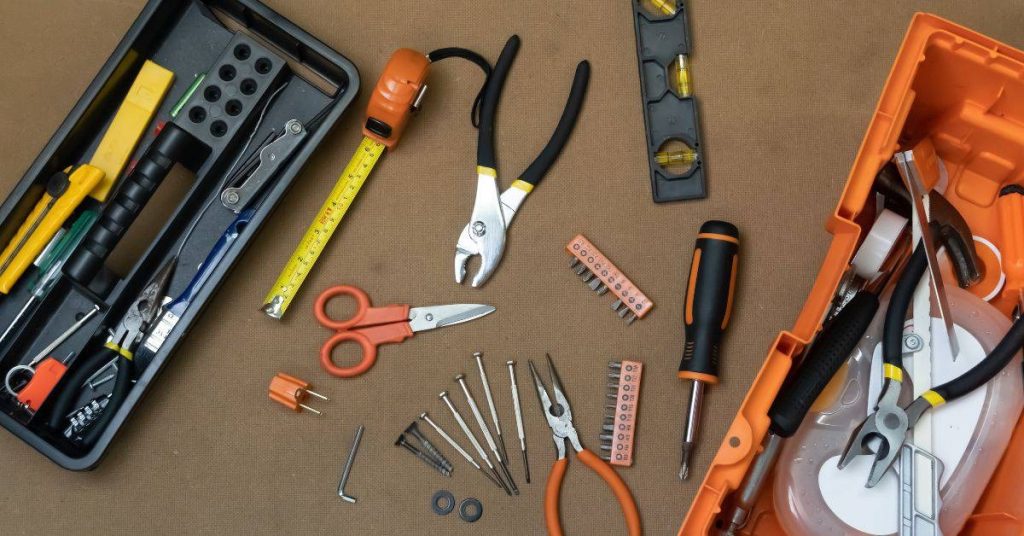
Hand tools including scissors pliers screwdrivers tape measure and level

Hand Edger Radius Guide: Picking 1/8″, 1/4″, 3/8″ Edges for Durability vs Looks

Introduction A hand edger radius guide helps you pick edge profiles around 1/8″, 1/4″, or 3/8″ to shape exposed concrete edges. The choice affects durability and how clean or decorative the edge will look. Always check the product label, manufacturer instructions, and local rules to confirm what radius is allowed for your project. To use

Hand Edger Radius Guide: Picking 1/8″, 1/4″, 3/8″ Edges for Durability vs Looks Read More »

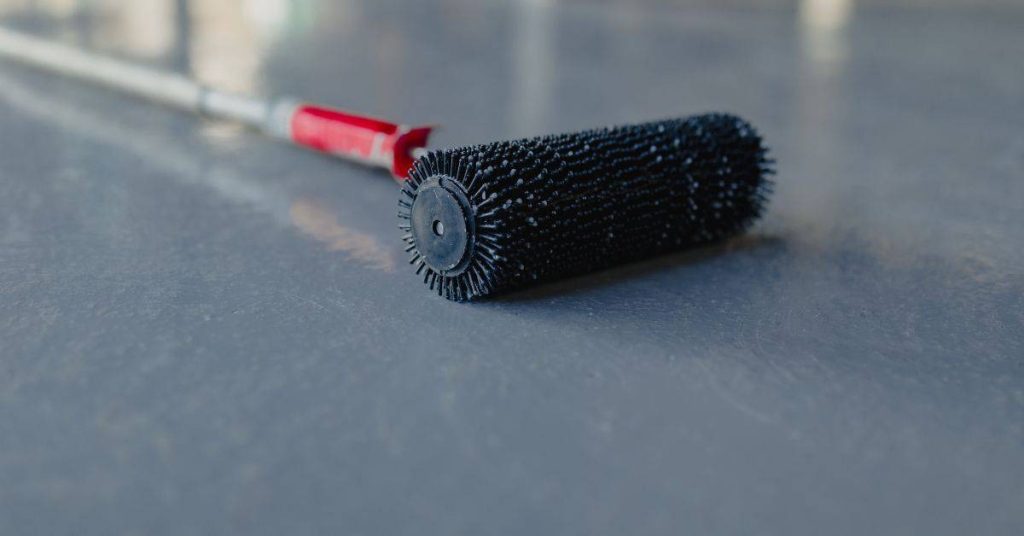
Black spiked roller on smooth concrete floor

Resealing Only Traffic Lanes: Avoiding Roller Bands and Gloss Differences

Introduction Resealing only traffic lanes means applying a seal coating to just the lane surfaces to protect them and restore color, without sealing adjoining areas. Do the prep, mask the edges, and keep the sealer off markings and shoulder while you work. Check the product label for surface prep steps, cure time, and any local

Resealing Only Traffic Lanes: Avoiding Roller Bands and Gloss Differences Read More »

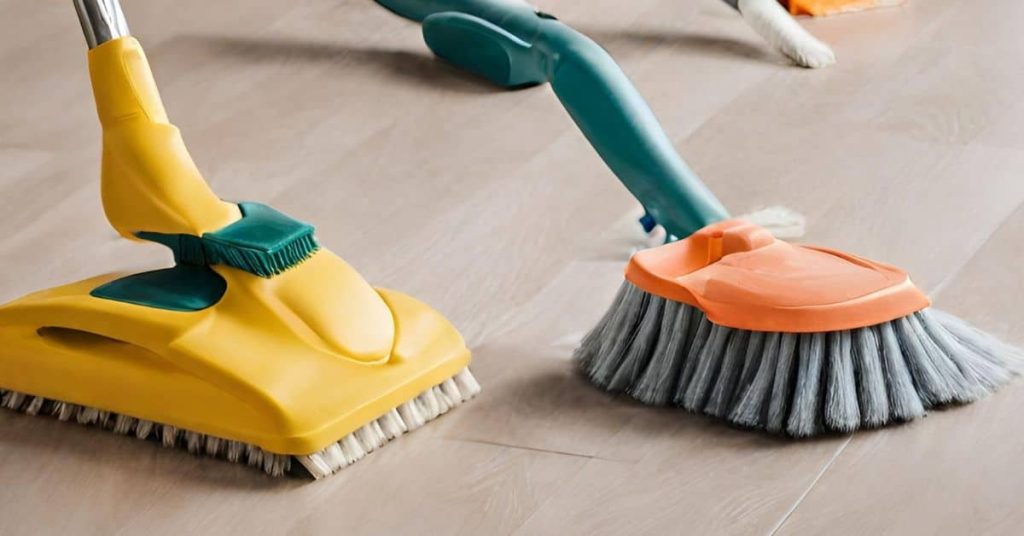
Two cleaning brushes with plastic handles on floor

DIY Silicone Mold Life Extension: Cleaning, Powders, and What Destroys Silicone Fast

Introduction Silicone mold life extension is about preserving silicone molds so they last longer by cleaning them, using appropriate powders for release, and avoiding substances that degrade the rubber. In practice, keep molds clean with a gentle rinse and mild wipe-down after use, and dust only with powders that are labeled for silicone release or

DIY Silicone Mold Life Extension: Cleaning, Powders, and What Destroys Silicone Fast Read More »

Clear glass bowl with white powder under shoe rack

Urethane Topcoat Blushing: Humidity, Solvents, and How to Clear It

Introduction Blushing is a cloudy, milky haze that forms on a polyurethane topcoat surface when moisture or solvents react with the film. In humid conditions or when solvents evaporate too quickly, this haze can appear and stay until the finish dries. Recognizing it early helps you decide whether to slow down, adjust the environment, or

Urethane Topcoat Blushing: Humidity, Solvents, and How to Clear It Read More »

Paint roller applying white paint on wall surface

How to Paint Concrete Block Without Trapping Moisture: Breathability vs Washability

Introduction Painting concrete block should let moisture escape while protecting the surface. That balance is breathability vs washability, not just color. You’ll need guidance from labels and local rules. Start by cleaning and inspecting for cracks, then plan a breathable, washable finish. Check product labels for vapor permeability and washability, and follow manufacturer instructions. If

How to Paint Concrete Block Without Trapping Moisture: Breathability vs Washability Read More »

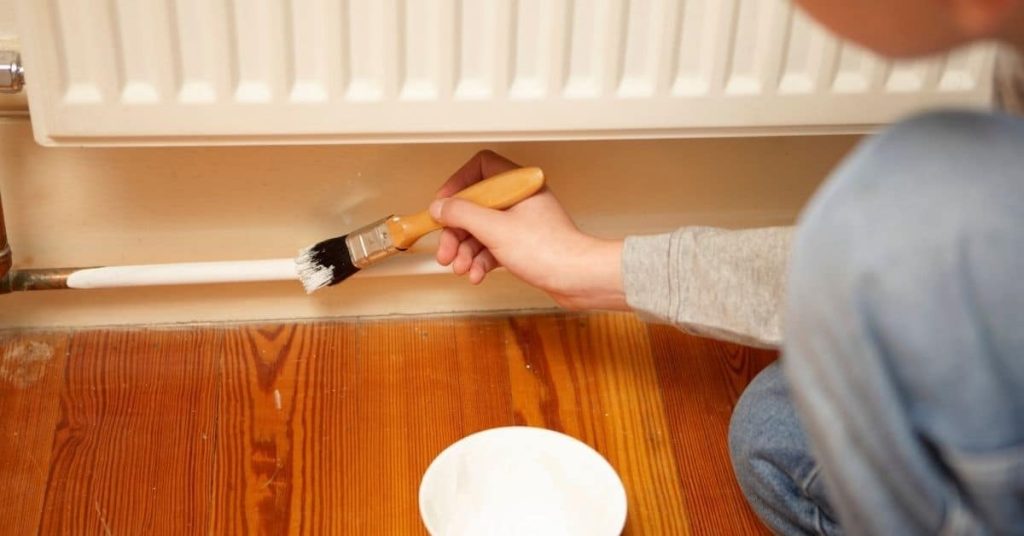
Person painting a metal pipe white near wooden floor and radiator

Painting Over Chalky Fiber Cement: Cleaning Thresholds and Primer Choices

Introduction Painting over chalky fiber cement means you must remove, neutralize, and prime a rough, powdery surface before any paint sticks. Rinse and scrub the surface to remove chalk, dust, and debris. Choose a primer that keys to the chalky layer and a weatherproof topcoat, and follow label directions. Watch for signs like flaking, chalking,

Painting Over Chalky Fiber Cement: Cleaning Thresholds and Primer Choices Read More »

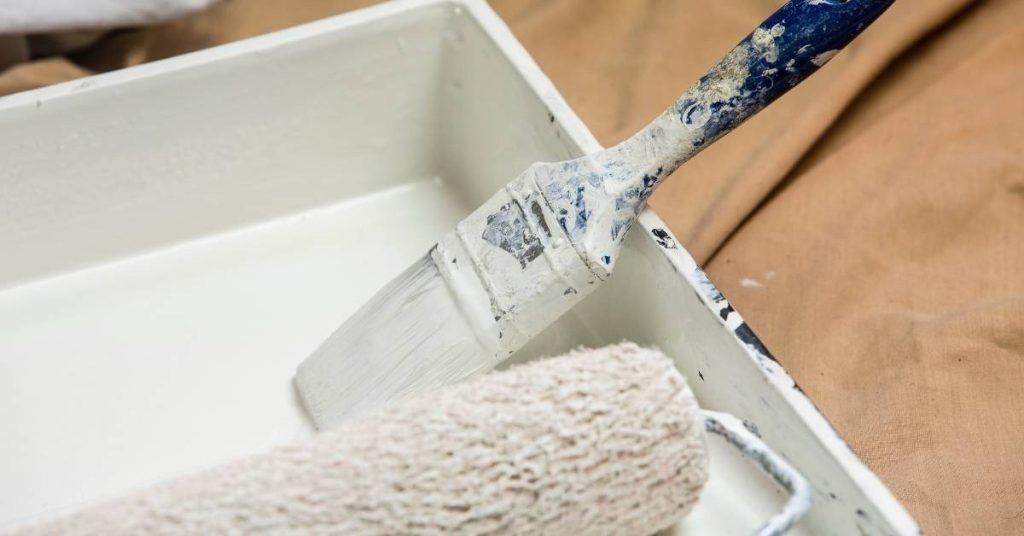
Paintbrush and roller in white paint tray on brown surface

Cutting In on Textured Walls: Brush Loading and Keeping Edges Sharp Without Tape

Introduction Cutting in on textured walls without tape means achieving a clean, sharp line where the wall and adjacent surface meet by careful brush loading and technique. Start with a small amount of paint on the brush and load along the edge, then steady your hand and work in short, controlled strokes. Keep your wrist

Cutting In on Textured Walls: Brush Loading and Keeping Edges Sharp Without Tape Read More »