Search Results for: surface prep

Close-up of a gray concrete slab surface with cracks and pitting

Concrete Dusting Floors: Why the surface powders and how to harden it

Introduction Concrete dusting is the surface powdering that happens when the upper layer of the concrete wears away, leaving a chalky film. It can occur from weak finishing, too much air in the mix, poor curing, or heavy traffic without protection. Understanding the signs helps you decide whether to protect, repair, or reseal the floor. […]

Concrete Dusting Floors: Why the surface powders and how to harden it Read More »

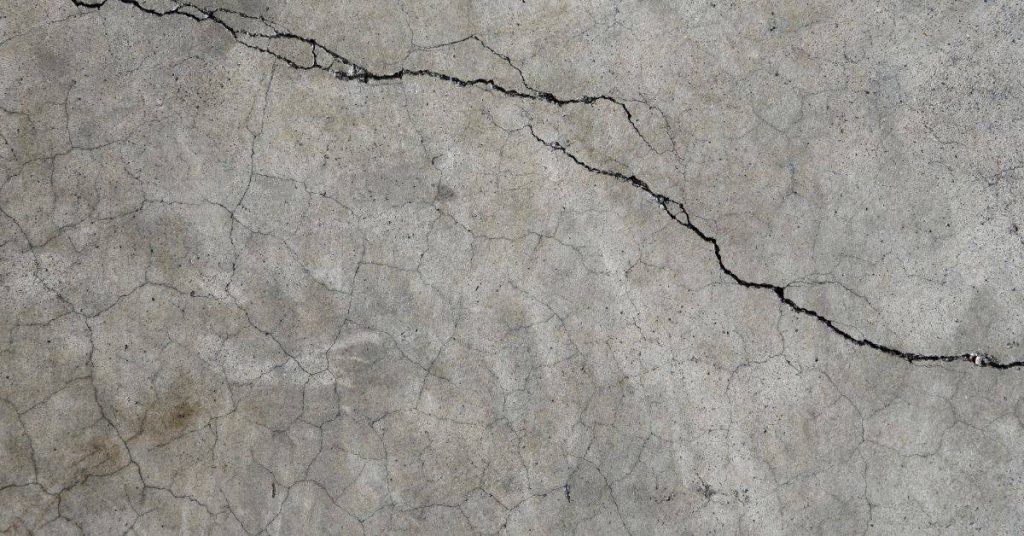
Cracked grey concrete surface with visible fissures

Concrete Surface pH: Why high pH breaks some coatings and how to manage it

Introduction High pH in concrete can break down coatings and weaken their grip. That alkaline environment reacts with many sealers and paints, especially when new concrete is unfinished. Always check the coating’s label and follow manufacturer instructions, and consider what local rules say about surface prep. To prepare, scrub and rinse the surface and let

Concrete Surface pH: Why high pH breaks some coatings and how to manage it Read More »
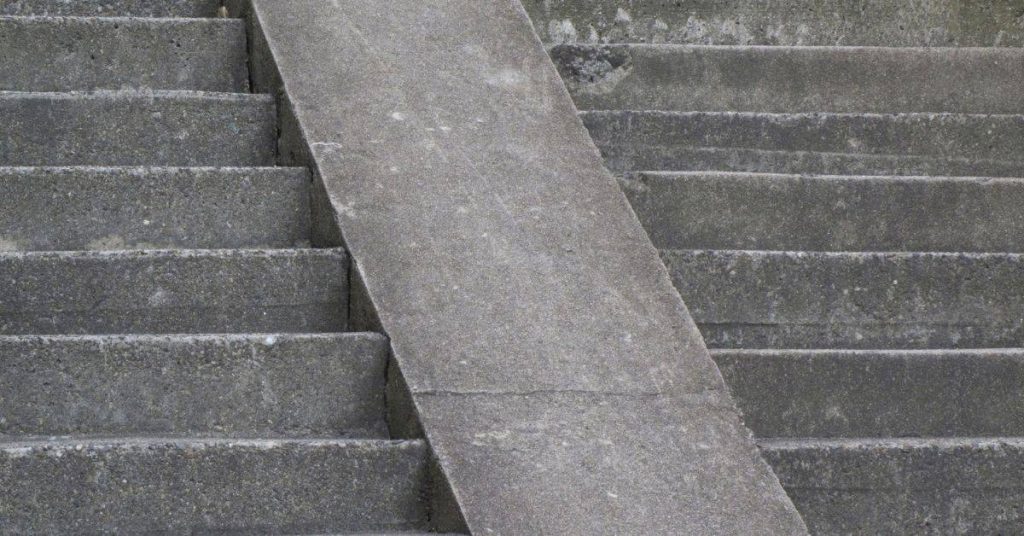
Concrete stairs with a smooth ramp in the middle

Concrete Scaling in Winter: Why the surface flakes and how to stop it

Introduction Concrete scaling in winter is when the top layer peels or flakes off because cold weather, moisture, and repeated freezing push water in and out. Cold temperatures slow curing and make water move through the surface, so you see scaling more on sidewalks, driveways, and slabs that get wet. Watch for slick, rough patches

Concrete Scaling in Winter: Why the surface flakes and how to stop it Read More »

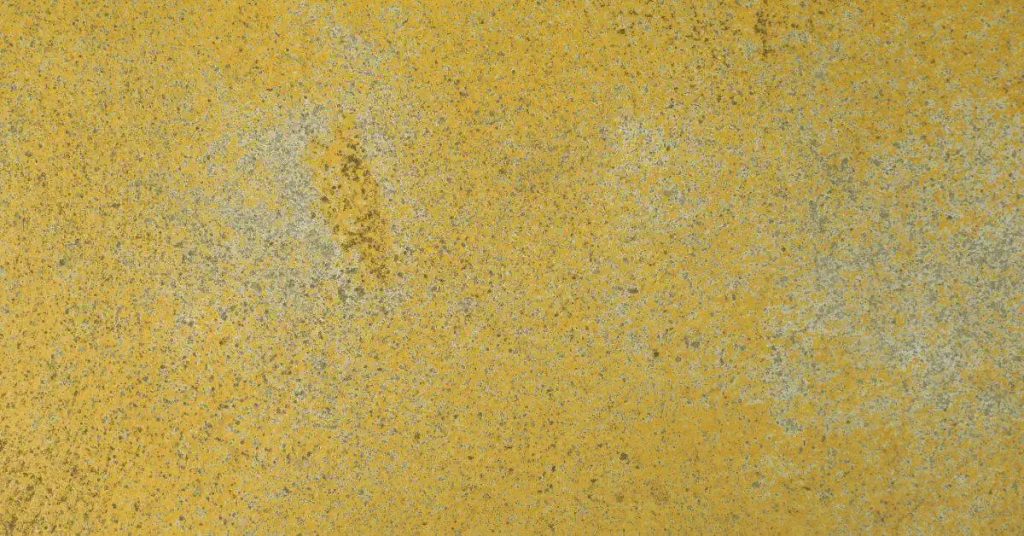
yellow stained concrete surface with varying texture

Concrete Surface Delamination: Causes, diagnosis, and repair that lasts

Introduction Delamination is the surface layer of concrete peeling or separating from the underlying concrete, creating a patchy, hollow feel. It often shows up as a dull patch that may flake or sound hollow when tapped. Lightly tapping suspect areas can help you spot where the top lift isn’t bonded well. To diagnose, look for

Concrete Surface Delamination: Causes, diagnosis, and repair that lasts Read More »

Smooth light gray concrete wall surface

Windy Day Concrete Finishing: How to stop surface checking and plastic cracks

Introduction Windy day concrete finishing is how you control surface checking and plastic cracking when wind makes the mix dry out too fast. In a DIY setup, you’ll work to keep the surface from drying too quickly while you’re finishing. Be prepared to adjust speed, moisture, and protection as you go, and always follow the

Windy Day Concrete Finishing: How to stop surface checking and plastic cracks Read More »

Concrete surface with small holes and surface pitting

Air Entrained Concrete: When it’s necessary and how to avoid surface pitting

Introduction Air entrained concrete is concrete that includes tiny air bubbles introduced by a special additive to improve its performance. These micro-bubbles help when water freezes and expands, reducing cracks in the slab. It’s a common choice for projects that sit outside or face temperature swings. Use is appropriate when you want a smoother surface

Air Entrained Concrete: When it’s necessary and how to avoid surface pitting Read More »

Worker in protective gear spray painting metal beams indoors

Painting Over Powder Coat: When it’s possible and how to prep correctly

Introduction Painting over powder coat means applying paint directly on a powder-coated surface after proper prep. It can work, but only if the surface is clean, sound, and properly prepared. If you’re unsure, check the primer and paint labels for compatibility and follow local rules. Prep should start with a thorough cleaning, roughing the gloss,

Painting Over Powder Coat: When it’s possible and how to prep correctly Read More »

Close-up of peeling white concrete sealer on wall surface

Peeling Concrete Sealer: The moisture and prep mistakes that cause failure

Introduction Peeling concrete sealer happens when a coating lifts away from the concrete rather than sticking. Moisture coming up from the slab and poor surface prep are common causes. We’ll cover the practical mistakes DIYers run into and how to spot them before sealing. Make sure the surface is clean and porous enough to accept

Peeling Concrete Sealer: The moisture and prep mistakes that cause failure Read More »

Hand holding spray paint gun near peeling painted wooden siding

Fixing Cracked Elastomeric Coatings: Prep and recoats that stop peeling

Introduction Fixing cracked elastomeric coatings means repairing and reapplying a flexible protective layer so cracks stop growing and peeling ends. Cracking often comes from substrate movement, UV exposure, or poor initial prep, so surface prep and proper adhesion are key. In this hands-on guide, you’ll learn how to clean, repair, and re-coat using the right

Fixing Cracked Elastomeric Coatings: Prep and recoats that stop peeling Read More »