Search Results for: surface prep

Worker applying textured plaster with paint roller

Controlling Plaster Dry Time: Moisture management without soft surfaces

Introduction Controlling plaster dry time means managing moisture so the surface sets firm and doesn’t stay soft. In DIY work, you adjust humidity, ventilation, and application thickness to guide the cure. Keep an eye on how the room feels and how the plaster responds as it dries. Keep the work area within a steady temperature […]

Controlling Plaster Dry Time: Moisture management without soft surfaces Read More »

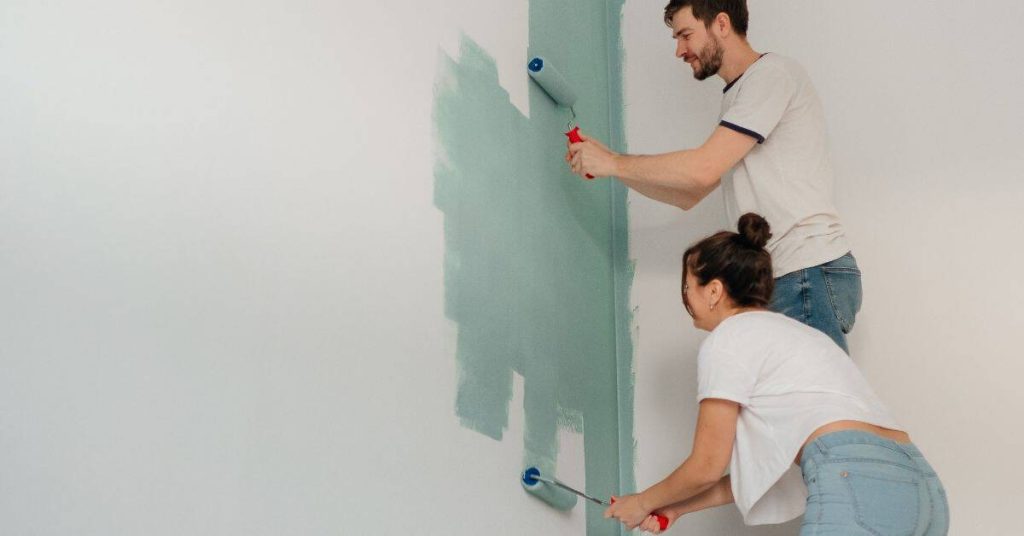
Man and woman painting white wall with green paint rollers

Painting Masonry Without Trapping Moisture: Breathability and prep that matter

Introduction Breathing masonry means choosing paints and prep that let moisture escape rather than trap it inside. That often means a breathable primer and coating, plus surface prep that removes loose material without sealing in dampness. Keep good airflow while you work and check for any damp spots before you start painting. Start with a

Painting Masonry Without Trapping Moisture: Breathability and prep that matter Read More »

Person sanding white interior wall near window with ladder nearby

Removing Wax and Polish Residue: Prep steps before repainting

Introduction Removing wax and polish residue is the process of cleaning films left on surfaces so paint will stick. This prep step targets slick layers that interfere with adhesion before you sand, prime, or repaint. If you’re unsure, check the cleaner’s label or the manufacturer’s guidance for safe use and disposal. Begin with a gentle

Removing Wax and Polish Residue: Prep steps before repainting Read More »

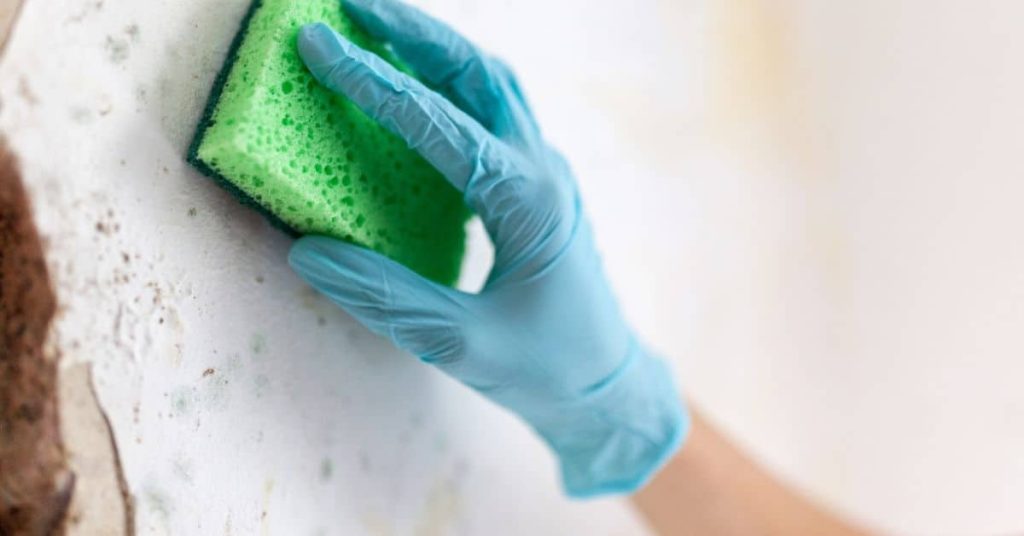
Gloved hand scrubbing white concrete wall with green sponge

Concrete Paint Prep: Cleaning, profiling, and drying for adhesion

Introduction Concrete paint prep is the process of cleaning the surface, creating a slight profile for the paint to grip, and ensuring it dries cleanly before coating. This hands-on approach helps adhesion and long-lasting results, not just a quick splash of color. Check the surface condition, the moisture level, and follow the paint label for

Concrete Paint Prep: Cleaning, profiling, and drying for adhesion Read More »

Close-up of rough textured concrete surface showing small pebbles

Concrete Surface Profile (CSP): What It Means and How to Achieve It

Introduction CSP, or Concrete Surface Profile, is the roughness pattern of a freshly poured concrete surface that helps coatings grab hold. It describes how the top layer is prepared to receive a finish. You’ll influence it by how you treat the surface during finishing and, if needed, with light grinding or etching to adjust texture.

Concrete Surface Profile (CSP): What It Means and How to Achieve It Read More »

Smooth light gray concrete wall surface with faint texture

Finishing Fiber-Reinforced Concrete: How to Avoid “Hairy” Fibers at the Surface

Introduction Hairy fibers at the surface happen when fibers protrude from the concrete finish. This surface issue is usually caused by how the mix is placed and how fibers are distributed during finishing. Work with the goal of keeping fibers below the surface as you strike off and trowel. Synthetic fibers can help with crack

Finishing Fiber-Reinforced Concrete: How to Avoid “Hairy” Fibers at the Surface Read More »

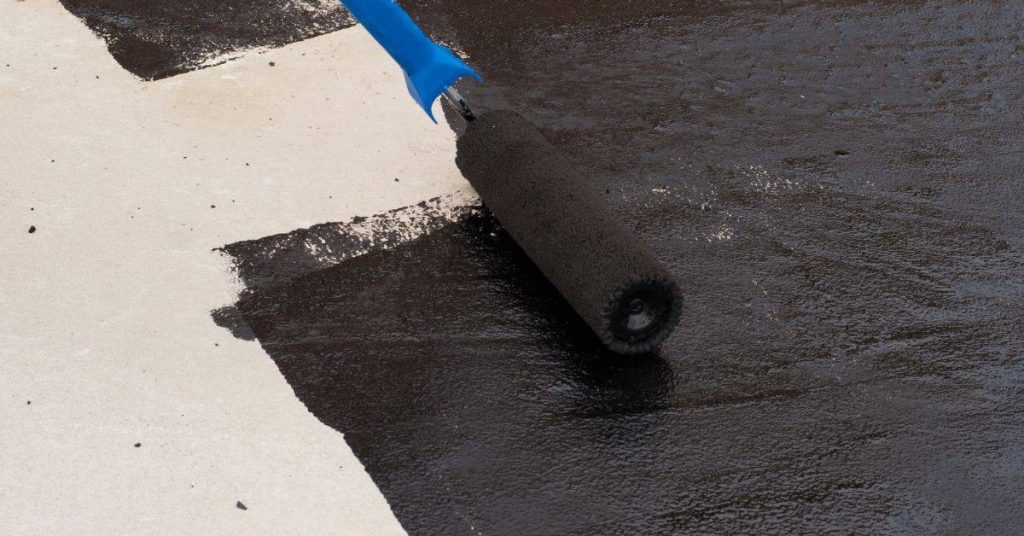
Paint roller applying black sealer on light tile surface

Microcement Over Tile: Prep, Base Coats, Sealer Choices, and DIY Success Factors

Introduction Microcement over tile is a system that coats existing tile with a cement-based finish after proper prep. This approach hinges on solid surface prep, compatible primers, and careful application to stay durable and look even. Base coats and layering are key, and you should follow the product instructions and check for compatibility with tile

Microcement Over Tile: Prep, Base Coats, Sealer Choices, and DIY Success Factors Read More »