Search Results for: surface prep

Close-up of rough concrete surface with blurred background lights

Concrete Surface Blisters: Finishing Causes and How to Prevent Them

Introduction Concrete surface blisters are raised pockets on the finish caused by trapped air or moisture beneath the surface. They usually form when the surface dries too quickly or moisture moves upward as the concrete sets. Causes include finishing while the surface is still soft, excessive water in the mix, or rapid evaporation from sun, […]

Concrete Surface Blisters: Finishing Causes and How to Prevent Them Read More »
Close-up of textured lime plaster wall surface

Can You Use Casein Paint on Lime Plaster? Prep Steps to Prevent Flaking

Introduction Casein paint can be used on lime plaster only when the specific product is approved for that substrate and the plaster is sound, dry, free of active salts, and properly prepared. “Casein paint” is not one uniform system: premixed paints, powder paints, casein primers, and traditional casein-lime formulations can have different binders, alkalinity, dilution,

Can You Use Casein Paint on Lime Plaster? Prep Steps to Prevent Flaking Read More »

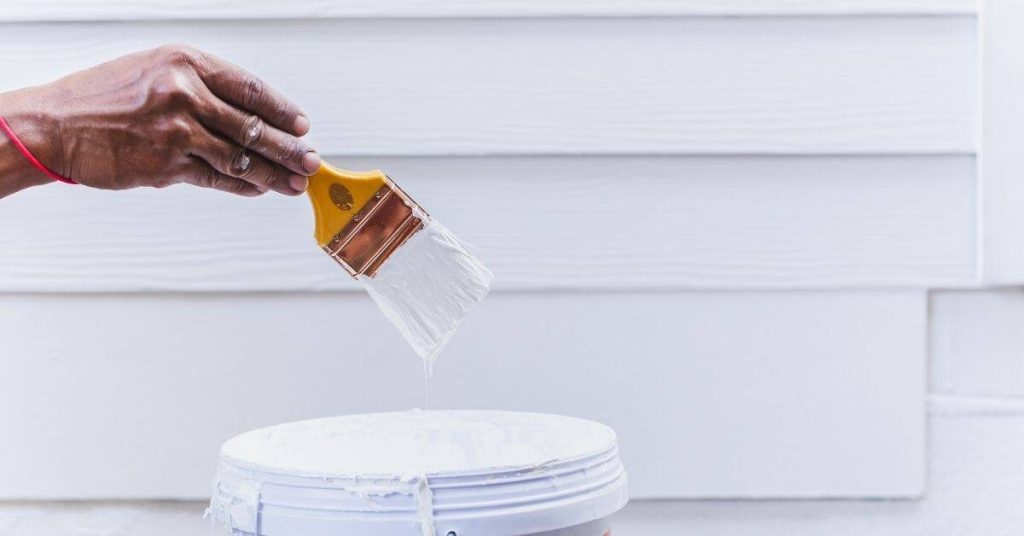
Hand dipping paintbrush into white paint bucket

Cutting In on Rough Surfaces: Brush Choice and Edge Tricks That Keep Lines Clean

Introduction Cutting in on rough surfaces means using the right brush and a few edge tricks so your paint lines stay sharp even when the substrate is irregular. In practice that means choosing a brush filament and size that match the material and paint—check the product label and manufacturer instructions for compatibility—and using steady pressure

Cutting In on Rough Surfaces: Brush Choice and Edge Tricks That Keep Lines Clean Read More »

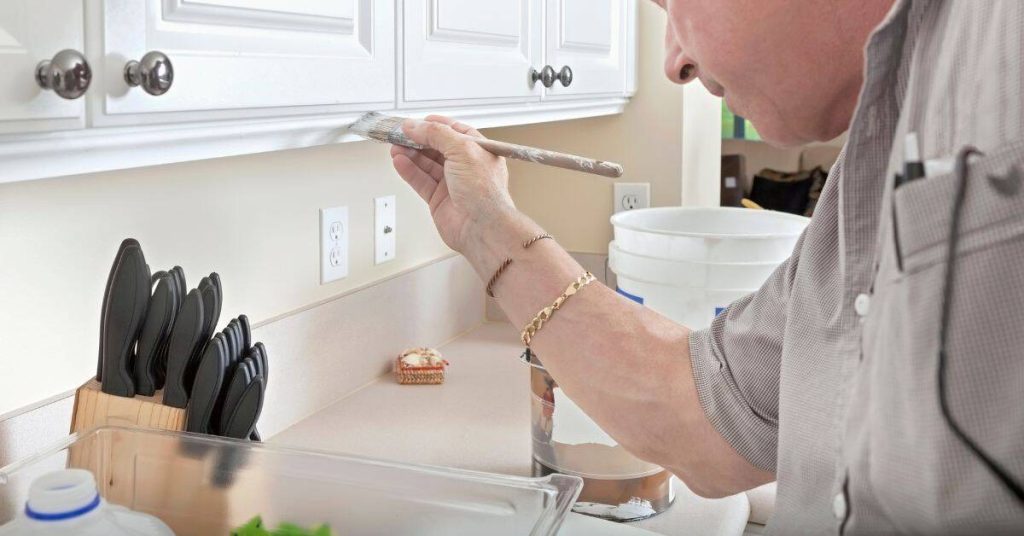
Person painting white kitchen cabinets with brush

Kitchen Paint Durability: Scrub Ratings, Sheens, and Grease-Contamination Prep

Introduction Kitchen paint durability means how well paint stands up to scrubbing, moisture, and greasy hands over time; choose products and prep methods that resist wear and wipe clean. For a DIY job, that means matching paint sheen and scrub rating to the room’s use and tackling grease and dirt before you paint. If you’re

Kitchen Paint Durability: Scrub Ratings, Sheens, and Grease-Contamination Prep Read More »

White painted horizontal wooden shiplap planks

Clear Coating Painted Surfaces: When It Helps, When It Yellows, and What to Use Instead

Introduction Clear coating painted surfaces means applying a transparent protective finish over existing paint to protect it and change the sheen; it helps when the paint is sound and you want extra durability or a uniform look. Use a clear product compatible with the paint type and follow the manufacturer’s instructions; if you’re unsure about

Clear Coating Painted Surfaces: When It Helps, When It Yellows, and What to Use Instead Read More »

Blue painted stucco wall texture

How to Paint Stucco With Maximum Breathability: Product Types and Prep Steps

Introduction Painting stucco with maximum breathability means choosing and applying coatings that let moisture vapor move through the wall rather than trapping it behind the finish. In practice that means picking a paint or coating labeled for masonry/stucco breathability and preparing the surface so the coating can adhere and perform; check product labels and manufacturer

How to Paint Stucco With Maximum Breathability: Product Types and Prep Steps Read More »

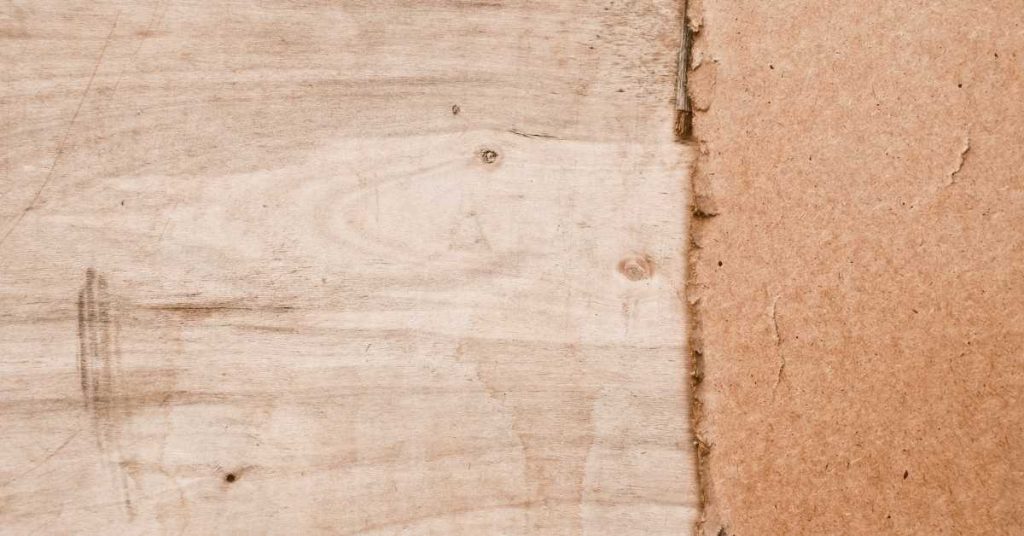
Closeup of rough plywood and fiberboard surfaces meeting

Chalk Paint Topcoats: Wax vs Poly and How to Avoid Sticky Surfaces

Introduction Chalk paint topcoats are either wax or polyurethane (poly) finishes that protect and change the feel of the painted surface; wax leaves a softer, low-sheen hand while poly gives a tougher, more durable film. Choose wax for a velvety, easy-to-touch finish and poly for higher abrasion and moisture resistance, and check the product label

Chalk Paint Topcoats: Wax vs Poly and How to Avoid Sticky Surfaces Read More »