Search Results for: surface prep

Close-up of concrete wall with cracking and peeling surface

Repairing Leaking Cold Joints at Slab-to-Wall: Why Surface Caulk Fails and Better Methods

Introduction A leaking cold joint at slab-to-wall is water intrusion at the bond between a concrete slab and the wall caused by gaps or cracks near the joint. This article explains why surface caulk often fails and what better repair approaches look like for DIY work. Identify leaks by looking for damp patches near the […]

Repairing Leaking Cold Joints at Slab-to-Wall: Why Surface Caulk Fails and Better Methods Read More »

Man patching plaster on white ceiling with trowel

Patching Vertical Surfaces Overhead: Mixes, Bonding, and Sag Control

Introduction Patching vertical surfaces overhead means repairing overhead concrete with a patching mix to restore a flat surface. Use a mix rated for overhead bonding and follow the product label for prep and cure. Work from bottom to top as needed, and plan for potential sag during setting. Bonding strength and sag control come from

Patching Vertical Surfaces Overhead: Mixes, Bonding, and Sag Control Read More »
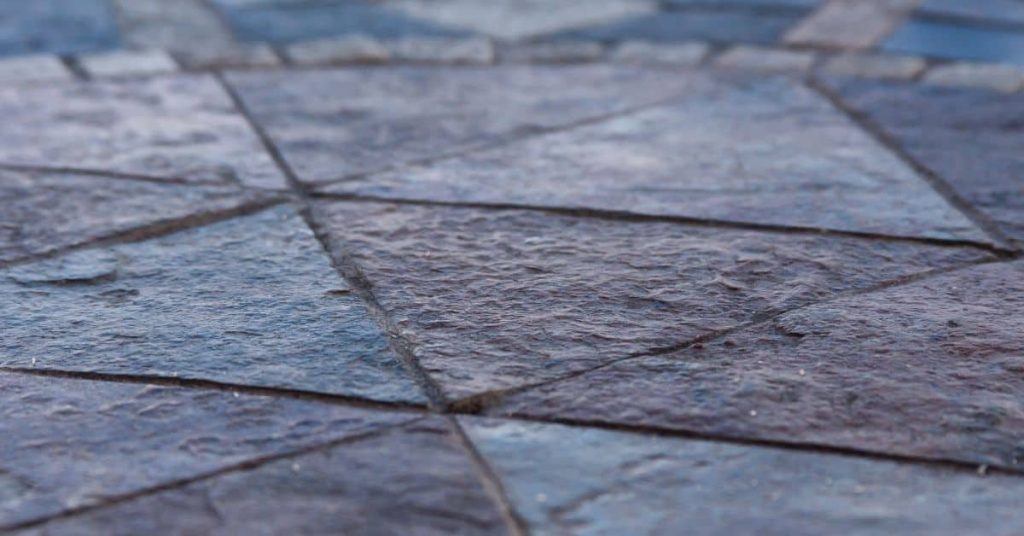
Close-up of textured and stamped concrete surface

Retarders in Decorative Concrete: Avoiding Cold Joints Without Soft Surfaces

Introduction Surface retarders are chemicals you apply to the top of fresh concrete to slow the surface set. They let you finish the body of the slab without creating a soft, uneven surface, helping you avoid cold joints. Different formulas work differently on color and texture, so understand what you’re using before you apply it.

Retarders in Decorative Concrete: Avoiding Cold Joints Without Soft Surfaces Read More »

Close-up of cracked gray concrete surface with visible fissures

Concrete Surface Profile Comparators: Choosing CSP Without Over-Grinding

Introduction CSP stands for Concrete Surface Profile, and it describes how rough or smooth a concrete surface is. Choosing the right CSP helps coatings and overlays grip well, without grinding away too much material. This article keeps it practical for DIYers and focuses on getting the profile right without overdoing it. The ICRI CSP scale

Concrete Surface Profile Comparators: Choosing CSP Without Over-Grinding Read More »

paint brush lying on concrete floor partially painted red tiles

Concrete Surface Contamination Tests: Oil, Silicone, Curing Compound, and Why Water Bead Tests Mislead

Introduction Concrete surface contamination tests tell you whether a surface is clean enough for bonding by revealing any residual oils, silicones, or waxes. For epoxy or other adhesives, you must verify cleanliness requirements with the product label and local rules, because expectations vary. If unsure, follow a basic check: a dry, dust-free feel and a

Concrete Surface Contamination Tests: Oil, Silicone, Curing Compound, and Why Water Bead Tests Mislead Read More »

Modern concrete hospital building facade under blue sky

Surface Resistivity Testing: A Simple Durability Indicator for Chloride Exposure

Introduction Surface resistivity testing measures how easily electricity moves across the concrete surface to indicate how resistant the surface is to chloride ingress. As a DIY homeowner, you can view it as a quick check that helps you judge durability without tearing into the slab. Think of it as a simple, hands-on indicator you can

Surface Resistivity Testing: A Simple Durability Indicator for Chloride Exposure Read More »

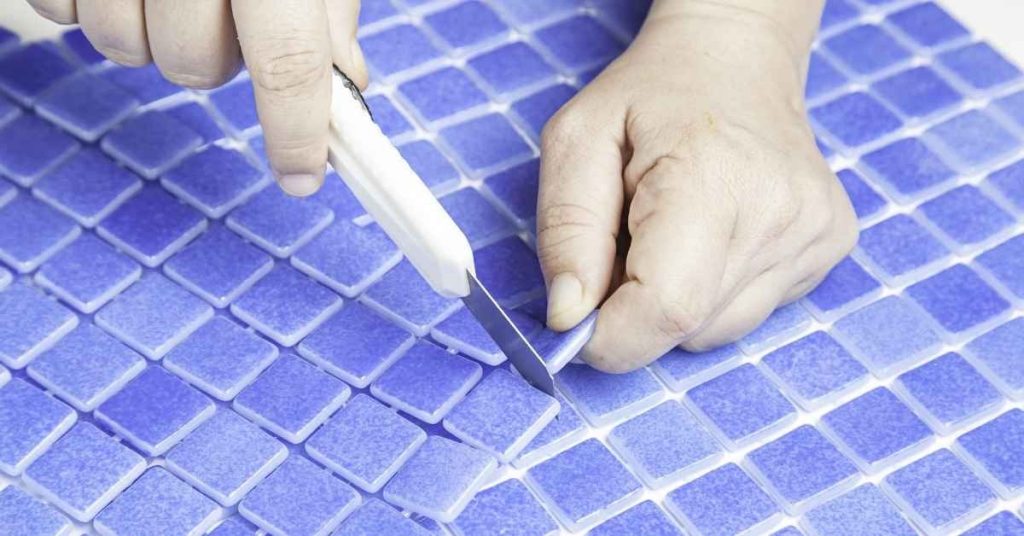
Hands cutting small blue glass mosaic tiles with a knife

Using Crushed Glass as Aggregate: ASR Risk, Mitigation, and Surface Finish

Introduction Crushed glass as aggregate is using recycled glass pieces as the rock substitute in concrete. There is an alkali-silica reaction risk with crushed glass, which varies with glass type, particle size, and the concrete mix. Always check product labels, supplier instructions, and local rules for ASR guidance and suitability. Mitigation strategies include choosing less

Using Crushed Glass as Aggregate: ASR Risk, Mitigation, and Surface Finish Read More »

Close-up of rough light gray stucco wall texture

Stopping Mold Regrowth on Stucco: Fixing moisture sources, not just the surface

Introduction Stopping mold regrowth on stucco means addressing the moisture that feeds it, not just cleaning the surface. Mold on stucco tends to come back if you don’t fix leaks, condensation, or improper drainage. Look for obvious sources like roof or gutter leaks, cracked stucco, and flashing issues, and note what you can realistically repair

Stopping Mold Regrowth on Stucco: Fixing moisture sources, not just the surface Read More »

Red brick pavers being laid on sand base with masonry tools

Concrete Pads on Clay Soil: Base prep that reduces settlement and cracking

Introduction Concrete pads on clay soil require a proper base prep to minimize settlement and cracking. The base should be clean, graded, and compacted to create a stable, drainage-friendly surface. If you’re unsure about soil conditions, check with local rules or a product label for guidance on acceptable fill and compacting methods. Understanding what causes

Concrete Pads on Clay Soil: Base prep that reduces settlement and cracking Read More »

Close-up of a spiral drill bit drilling into concrete surface

Drilling Concrete Cleanly: Preventing surface spalls and blowouts

Introduction Drilling concrete cleanly means making precise holes without chipping the surrounding surface. Start by assessing the job and marking hole locations clearly, so you know exactly where to drill. Keep the area clean and set up a stable work surface to reduce wobble as you begin. Choose drill settings and approach carefully, deciding between

Drilling Concrete Cleanly: Preventing surface spalls and blowouts Read More »