Search Results for: surface prep

Close-up of rough concrete wall with wood formboard texture

Concrete That Looks Mottled After Sealing: Moisture Trap vs Uneven Absorption

Introduction Mottled concrete after sealing is uneven color that shows up on the surface due to moisture movement or uneven absorption. This isn’t a failure of the seal alone—it’s how the color beneath the seal reacts to the moisture levels in the slab. In plain terms, small differences in how the concrete absorbed the mix […]

Concrete That Looks Mottled After Sealing: Moisture Trap vs Uneven Absorption Read More »
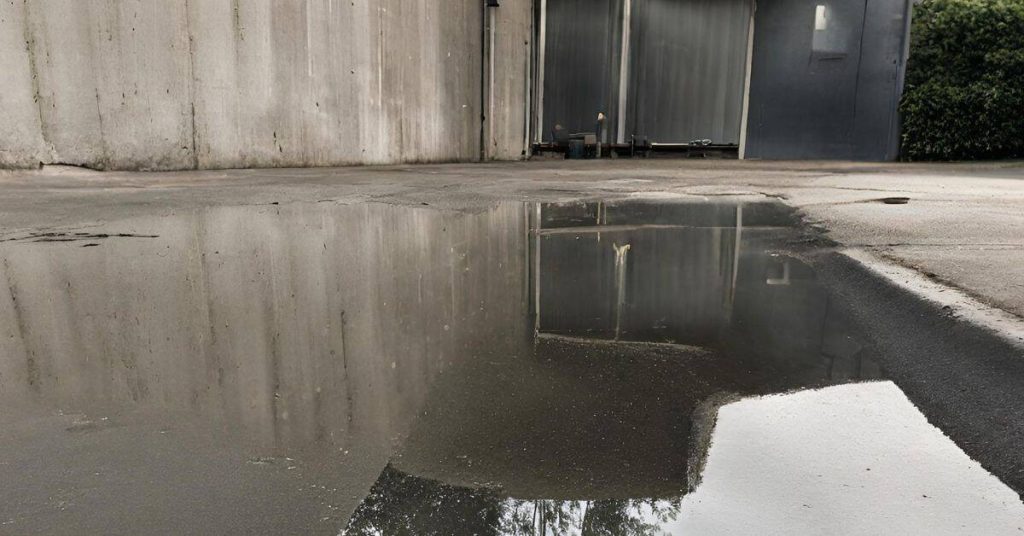
Concrete floor with large water puddle near wall

Concrete Dark Spots After Cure: Water, Curing Plastic, or Contamination—How to Tell

Introduction Dark spots on cured concrete usually indicate moisture issues, improper curing, or contamination. This article will help you tell which cause is at play and what to check on a DIY jobsite. We’ll cover practical signs to look for and simple checks you can do with common tools. Curing methods include keeping moisture with

Concrete Dark Spots After Cure: Water, Curing Plastic, or Contamination—How to Tell Read More »

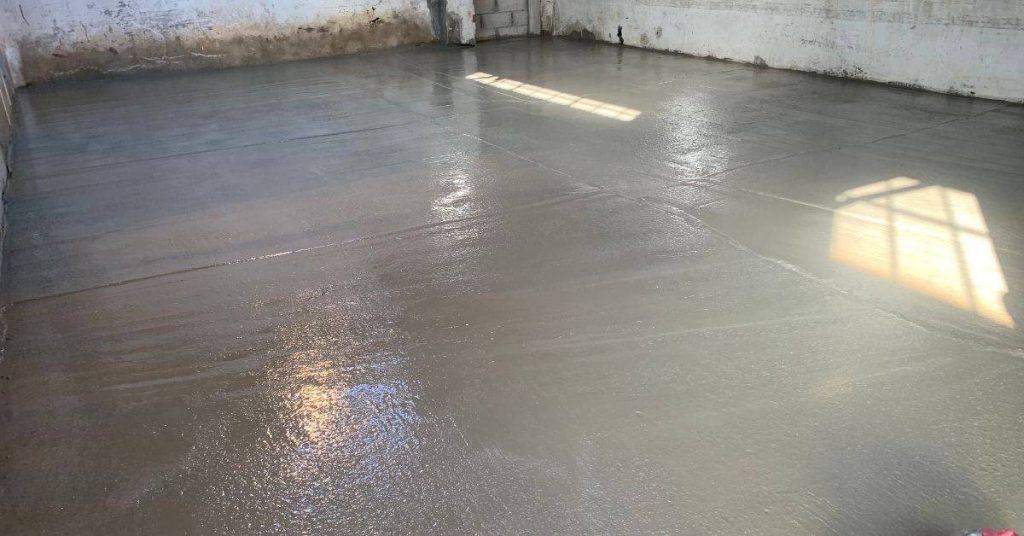
Freshly poured concrete floor inside a building

Why New Concrete Gets Soft Spots: Bleed Water, Overworking, and Local Fixes

Introduction Soft spots in new concrete are areas where the surface feels mushy or weak while it cures. They commonly form when extra bleed water rises to the surface or when the mix is overworked during finishing. Identifying the cause helps you choose the right fix and prevent this from reoccurring. Watch for shiny patches,

Why New Concrete Gets Soft Spots: Bleed Water, Overworking, and Local Fixes Read More »

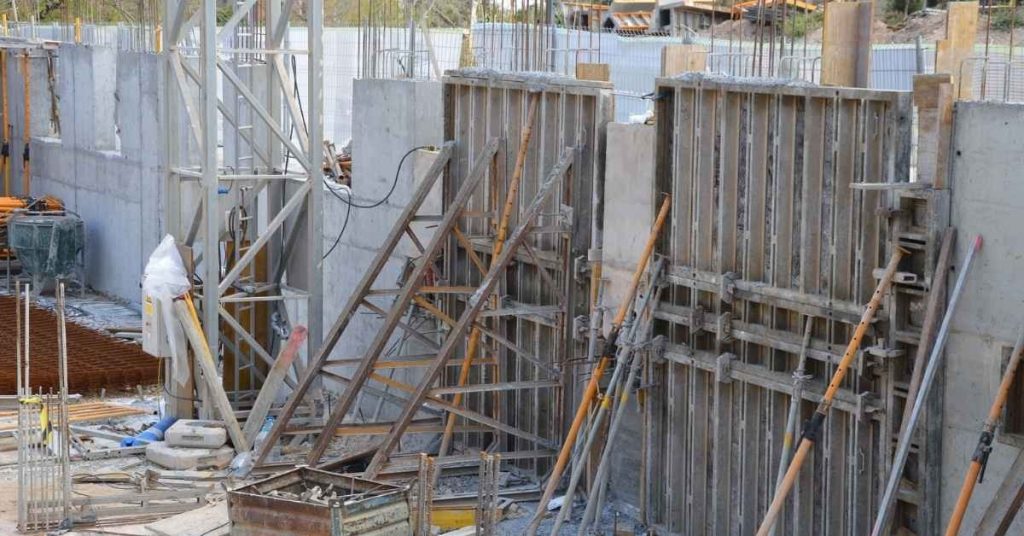
Concrete wall formwork with bracing supports at construction site

How to Fix Concrete That Starts Dusting Early: Curing Mistakes and Densifier Options

Introduction Dusting concrete early means the surface is wearing away, leaving a chalky film. It often comes from curing mistakes that kept the slab too dry or too wet during early hardening. This basic guide covers how to spot it and what you can do next. Densifiers and similar surface hardeners can help bind the

How to Fix Concrete That Starts Dusting Early: Curing Mistakes and Densifier Options Read More »

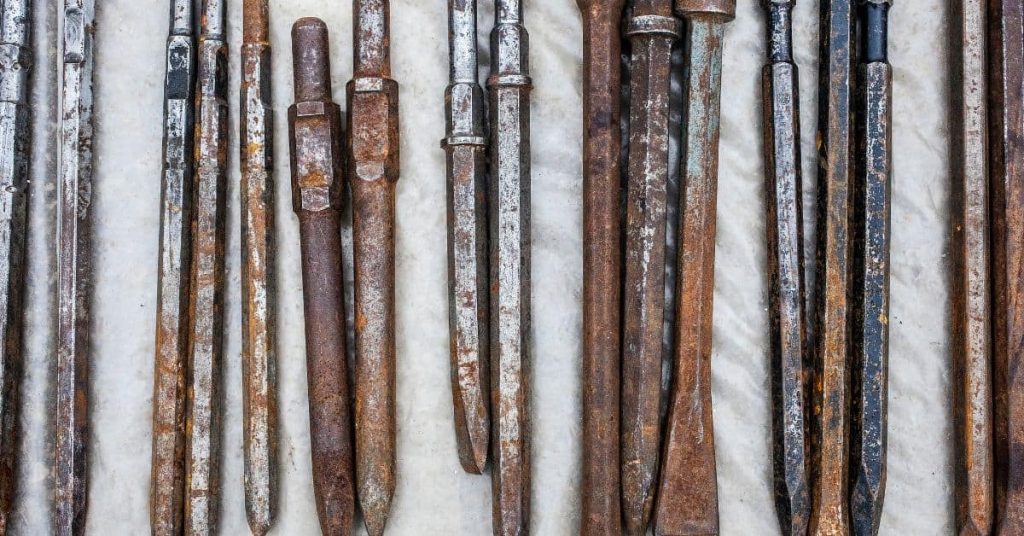
Rusty concrete chisels and tools laid out on a surface

How to Keep Concrete Tools From Rusting: Cleaning, Storage, and Why Oil Can Cause Finish Defects

Introduction Keeping concrete tools from rusting means cleaning, drying, and storing them properly to prevent corrosion. This article walks you through practical steps you can take after a cement job to reduce rust on rakes, trowels, chisels, and other gear. You’ll learn how to clean concrete residue, dry thoroughly, and choose a simple storage setup.

How to Keep Concrete Tools From Rusting: Cleaning, Storage, and Why Oil Can Cause Finish Defects Read More »

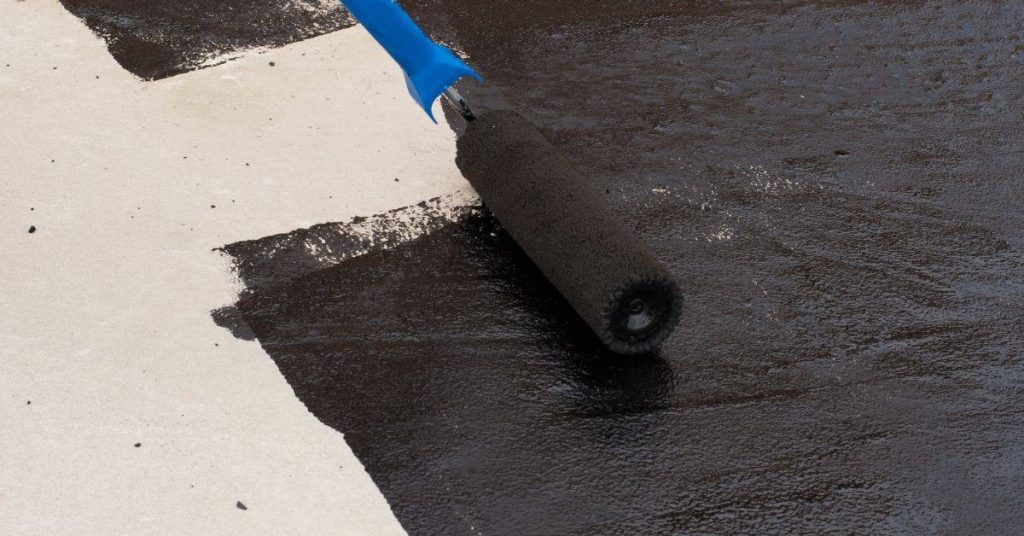
Paint roller applying black sealer on concrete surface

Sealer Whitening After Rain: Why It Happens and How to Restore Clarity

Introduction Sealer whitening after rain is when moisture causes a cured sealant to look milky or cloudy. This happens as water interacts with the film, surface textures, and how the sealant set. If whitening sticks around, check the product instructions and local rules for guidance. To restore clarity, start by letting the area dry completely

Sealer Whitening After Rain: Why It Happens and How to Restore Clarity Read More »

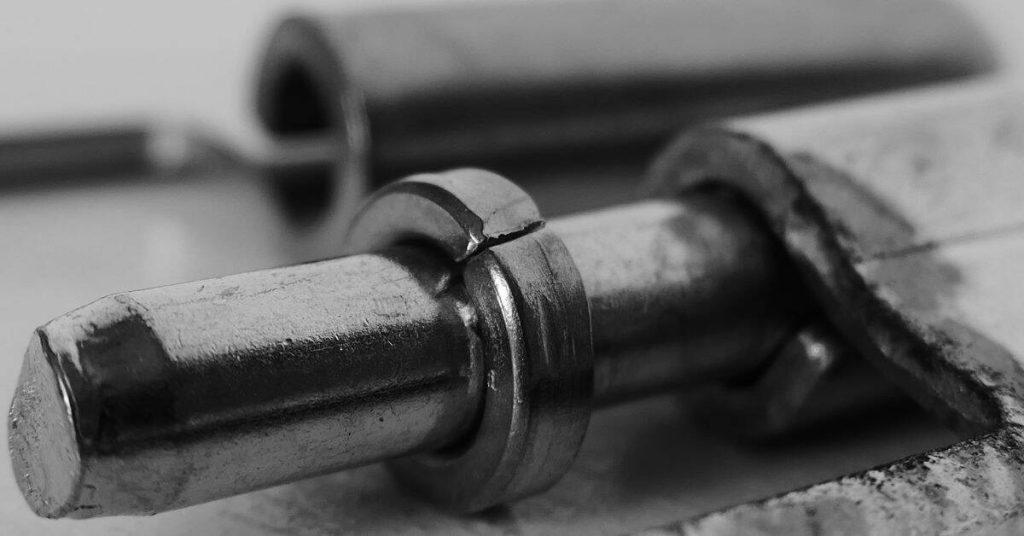
Close-up of metal rod with cracked retaining ring

Ring-Anode Spalls Explained: Why Repairs Can Accelerate Corrosion Next Door

Introduction Ring-anode spalls are corrosion damage around a ring-shaped anode where nearby metal starts spalling due to accelerated attack. In plain terms, you’re seeing how the ring setup can push galvanic action into surrounding metal. It’s a local deterioration issue that can spread if the ring current isn’t balanced or protected from moisture. For a

Ring-Anode Spalls Explained: Why Repairs Can Accelerate Corrosion Next Door Read More »

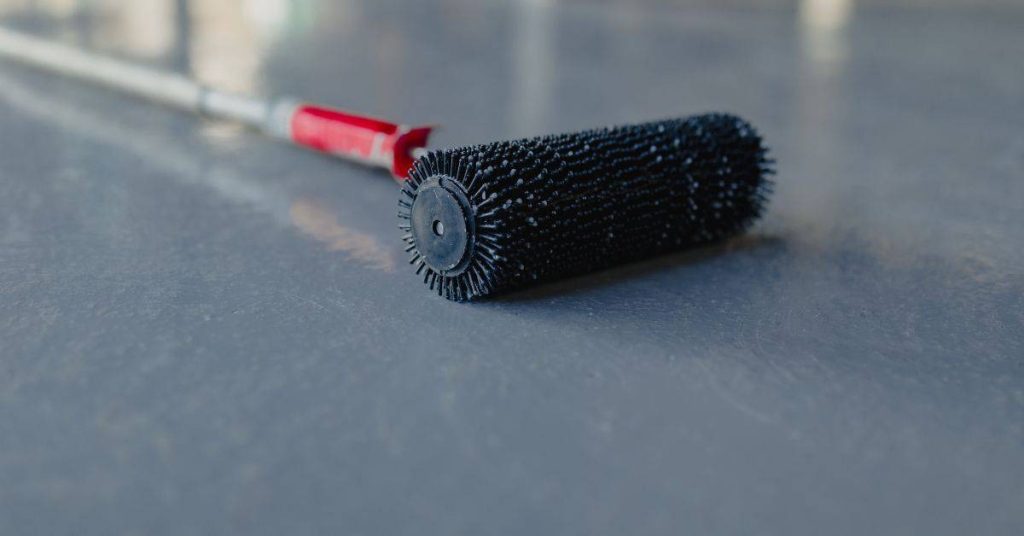
Black spiked roller on smooth concrete floor

Resealing Only Traffic Lanes: Avoiding Roller Bands and Gloss Differences

Introduction Resealing only traffic lanes means applying a seal coating to just the lane surfaces to protect them and restore color, without sealing adjoining areas. Do the prep, mask the edges, and keep the sealer off markings and shoulder while you work. Check the product label for surface prep steps, cure time, and any local

Resealing Only Traffic Lanes: Avoiding Roller Bands and Gloss Differences Read More »

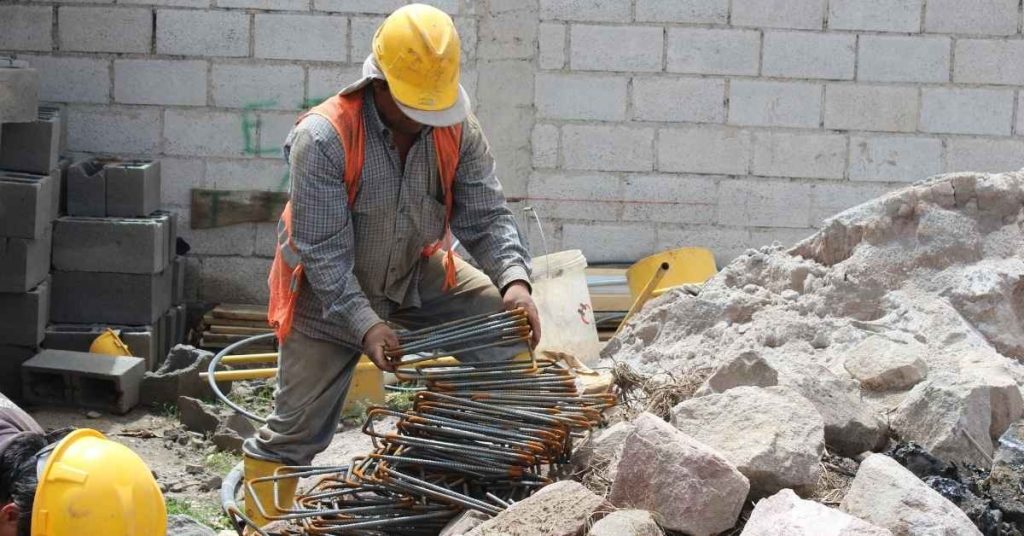
Worker in safety gear handling rusty rebar on construction site

Cleaning Rebar for Small Repairs: When Wire-Brushing Is Enough and When It Isn’t

Introduction Wire-brushing rebar is a surface cleaning method used to remove loose rust and scale from small repair bars before patching. It can be enough when the rust is light and the bar is still solid, with clean steel showing through. Check that the metal is not deeply pitted or flaky; if it is, further

Cleaning Rebar for Small Repairs: When Wire-Brushing Is Enough and When It Isn’t Read More »

Clear glass bowl with white powder under shoe rack

Urethane Topcoat Blushing: Humidity, Solvents, and How to Clear It

Introduction Blushing is a cloudy, milky haze that forms on a polyurethane topcoat surface when moisture or solvents react with the film. In humid conditions or when solvents evaporate too quickly, this haze can appear and stay until the finish dries. Recognizing it early helps you decide whether to slow down, adjust the environment, or

Urethane Topcoat Blushing: Humidity, Solvents, and How to Clear It Read More »