Search Results for: surface prep

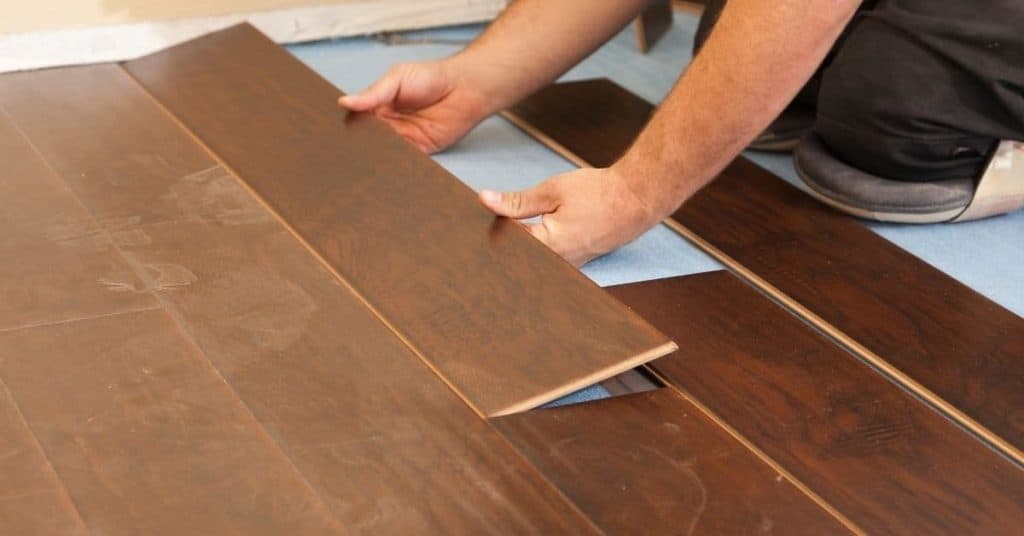
Person installing dark laminate flooring indoors

Acclimating Flooring the Right Way: Temperature, Humidity, and the ‘False Acclimation’ Trap

Introduction Acclimating flooring means letting the material adjust to the room conditions before installation. This isn’t a one-size-fits-all rule; temperature and humidity matter, but accuracy comes from checking the product labels and your actual home conditions. Rushed or misreading the room can lead to gaps, warping, or squeaks after install. To avoid the “False Acclimation” […]

Acclimating Flooring the Right Way: Temperature, Humidity, and the ‘False Acclimation’ Trap Read More »

Living room with hardwood floor and furniture

Hardwood Floor Cupping vs. Crowning: Diagnosing Moisture Direction and Fixing It

Introduction Cupping happens when boards bow with edges higher than the center due to moisture imbalance, and crowning is when the center swells above the edges. In practice, cupping shows as edges higher than the center, with a concave profile across boards, while crowning shows the opposite where the center sits higher than the edges.

Hardwood Floor Cupping vs. Crowning: Diagnosing Moisture Direction and Fixing It Read More »

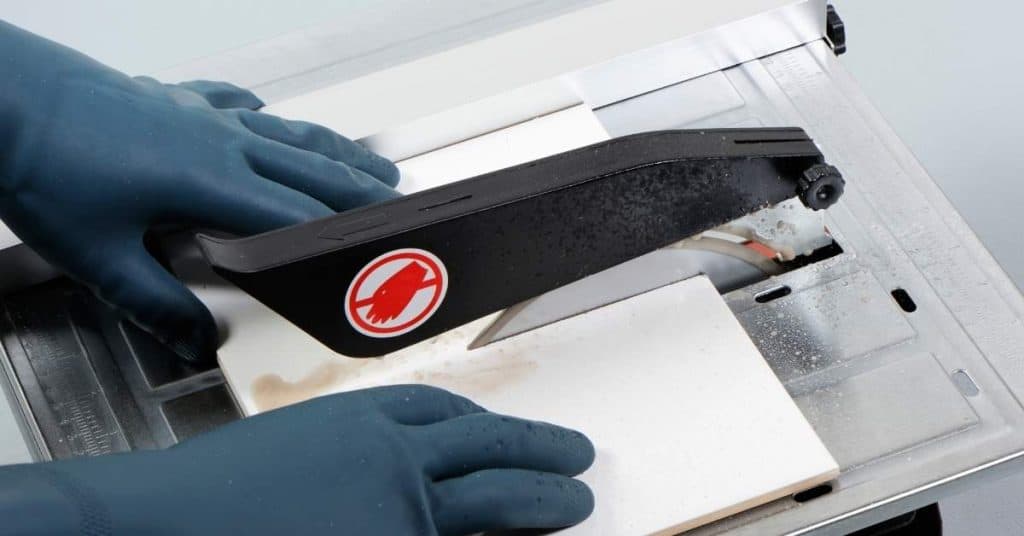
Hands in gloves cutting tile on a wet tile saw

Cutting Tiny Tile Slivers Safely: Jigs and Alternatives That Look Better

Introduction Cutting tiny tile slivers safely means trimming small tile offcuts with stable guides to avoid breakage. This article covers practical jigs and simple alternatives that help you keep the edge clean. It stays hands-on and avoids guessing, with tips you can verify on the job. You’ll find options that pair a steady fence with

Cutting Tiny Tile Slivers Safely: Jigs and Alternatives That Look Better Read More »

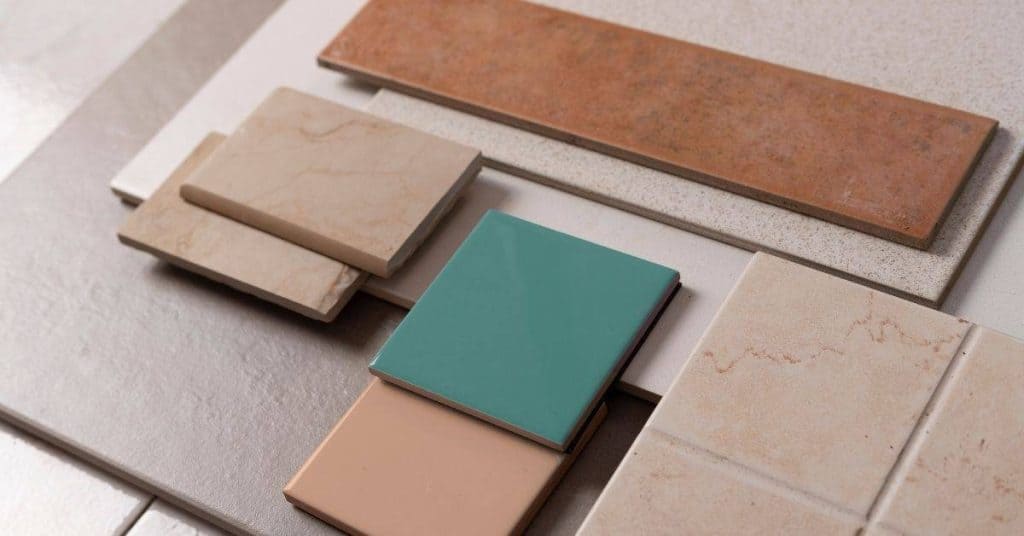
Various ceramic and porcelain tile samples arranged on a surface

Pool Waterline Tile Repairs: Bonding to Old Substrates and Avoiding Hollow Spots

Introduction An isolated loose or broken waterline tile can be a practical DIY repair if the exposed substrate is sound and there is no active leak, shell crack, failed plaster/render, or damaged waterproofing. The reliable approach is to lower the water only enough to expose the work, remove the tile, inspect the actual failure plane,

Pool Waterline Tile Repairs: Bonding to Old Substrates and Avoiding Hollow Spots Read More »

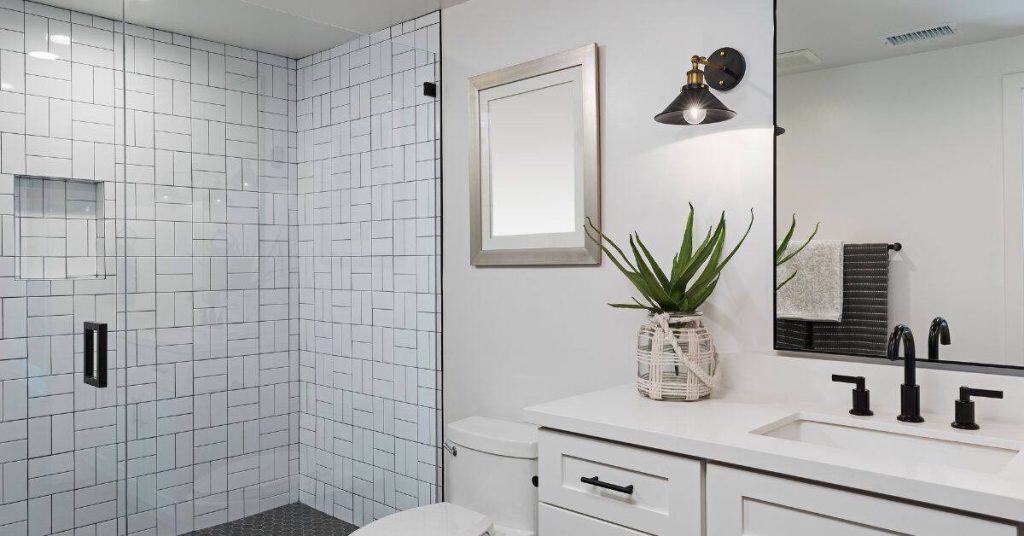
Modern bathroom with white tiled shower and glass door

Shower Bench Waterproofing: How to Build It So It Doesn’t Become a Sponge

Introduction Building a shower bench can enhance your bathroom’s functionality and aesthetics. However, it’s crucial to ensure proper waterproofing to prevent it from absorbing moisture like a sponge. In this guide, we’ll walk you through the process of constructing a waterproof shower bench that won’t become a soggy mess over time. Key takeaways Plan bench

Shower Bench Waterproofing: How to Build It So It Doesn’t Become a Sponge Read More »

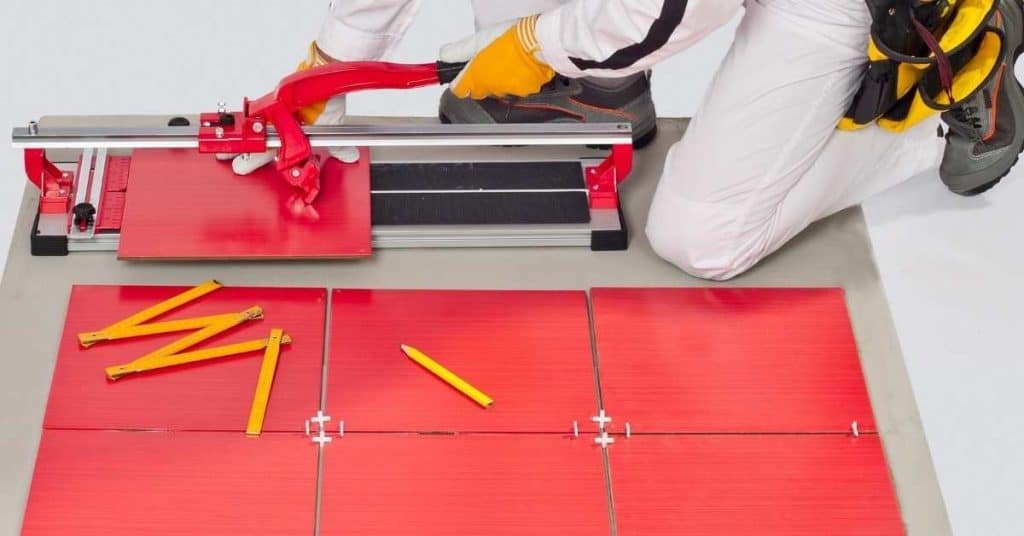
Person cutting red ceramic tile with manual tile cutter

How to Tile Over Radiant Heat Mats: Layout, Thickness Buildup, and Sensor Placement

Introduction Tile over radiant heat mats means installing tile on top of an electric floor heating mat with a careful layout plan. This introduction covers how to plan tile layout, where to place sensors, and how to account for depth as you build up. It’s a hands-on DIY approach, not a product pitch, so check

How to Tile Over Radiant Heat Mats: Layout, Thickness Buildup, and Sensor Placement Read More »

paint tray with paint roller covers and a paintbrush covered in dried paint

How to Store Partially Used Paint for Years: Skin Prevention and Remix Steps

Introduction Long-term storage of partially used paint means keeping the can sealed, preventing skin from forming, and preserving it for future remix. Keep containers tightly closed, label clearly, and store upright in a cool, stable spot away from direct heat or freezing conditions. Check the product label and manufacturer instructions for any shelf-life notes or

How to Store Partially Used Paint for Years: Skin Prevention and Remix Steps Read More »

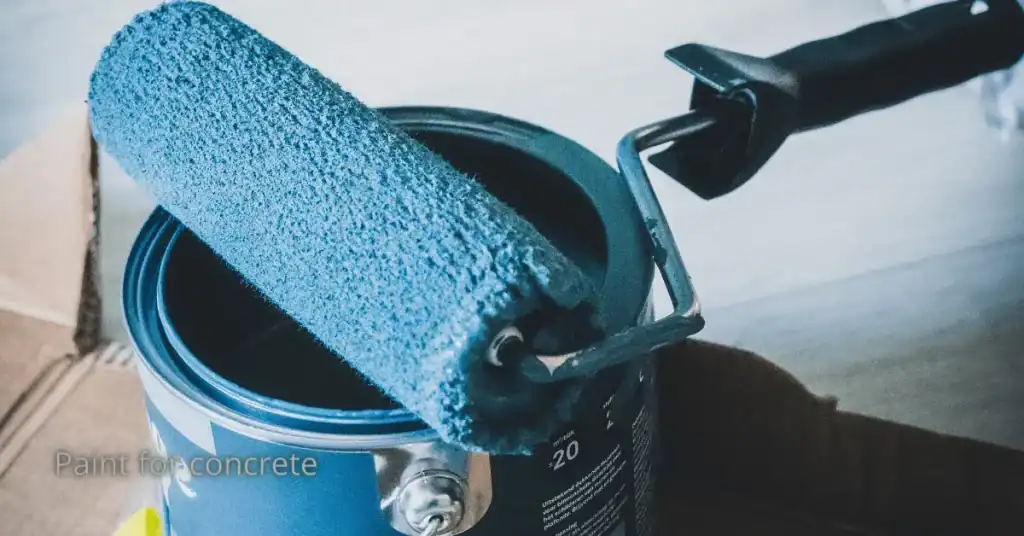
Blue paint roller resting on an open paint can

How to Prevent ‘Cratering’ in Clear Coats and Varnishes on DIY Projects

Introduction Cratering in clear coats is when the finish shows tiny pits or craters after drying. This can happen from improper thinning, debris, or moisture in the air, and it spoils the look and protection. To avoid it, stick to careful prep and clean, even application steps. Use proper dilution only as directed on the

How to Prevent ‘Cratering’ in Clear Coats and Varnishes on DIY Projects Read More »

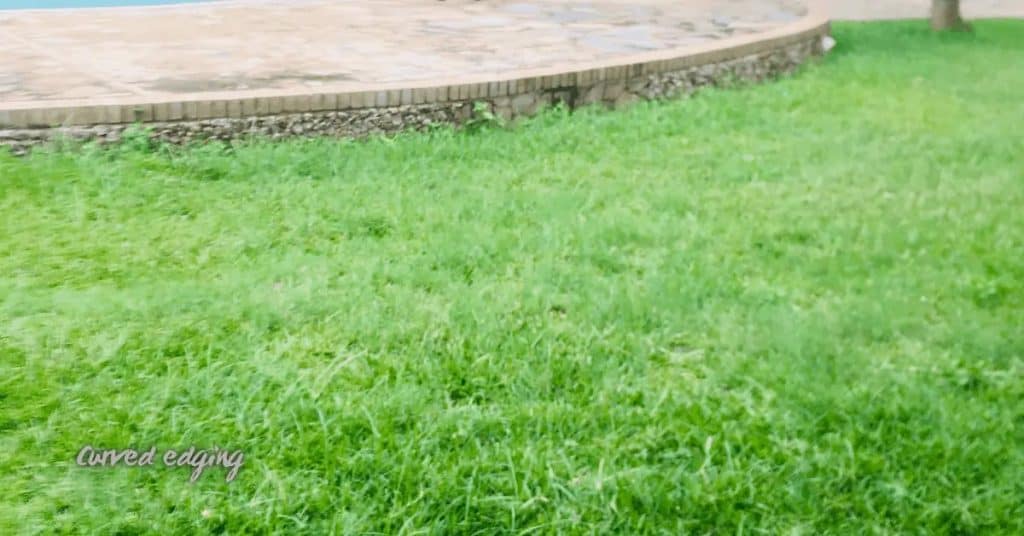
Curved concrete edging border next to green grass lawn

Repairing a Cracked Concrete Edging Border (Reinforce and Hide the Seam)

Introduction A cracked concrete edging border can be repaired by reinforcing the seam and hiding the crack so the edge looks solid again. This is a practical, do-it-yourself fix you can handle with basic tools and proper preparation. Take time to clean the crack, follow the product instructions, and plan for a neat finish. Start

Repairing a Cracked Concrete Edging Border (Reinforce and Hide the Seam) Read More »

Interlocking permeable paver blocks with open joints and gravel fill.

Concrete Paver ‘Rocking’ Fix on Sand: When to Regrade vs. Switch to Mortar

Introduction A rocking concrete paver on sand happens when the base shifts and the paver isn’t bedded level. You’ll usually see movement when a surface feels wobbly or shows gaps around edges. This article helps you decide whether to regrade the base or switch to mortar in a simple, hands-on way. To identify the problem,

Concrete Paver ‘Rocking’ Fix on Sand: When to Regrade vs. Switch to Mortar Read More »