Search Results for: surface prep

Paint roller applying liquid to concrete pavers

DIY Large-Format Concrete Pavers: Reinforcement, Curing, and Warp Prevention

Introduction Large-format concrete pavers require proper reinforcement, curing, and warp prevention to stay flat and durable. In plain terms, you reinforce the base and pavers, manage moisture and temperature during curing, and watch for movement that can cause warping. This article focuses on practical, hands-on methods you can apply on a DIY project. Follow the […]

DIY Large-Format Concrete Pavers: Reinforcement, Curing, and Warp Prevention Read More »
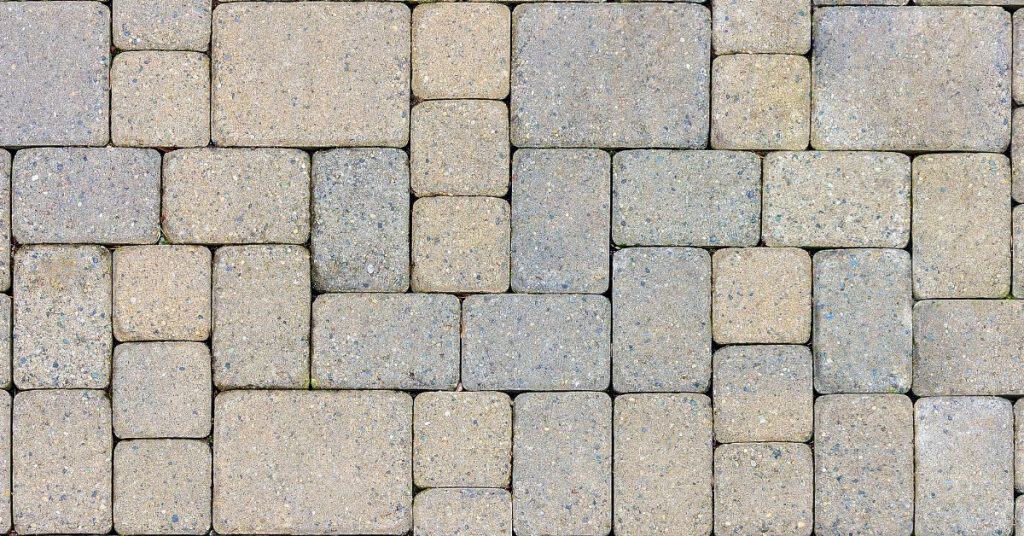
Interlocking concrete pavers arranged in a grid pattern.

How to Cast Removable Concrete Pavers With Built-In Lifting Slots

Introduction Removable concrete pavers with built-in lifting slots are modular paving units cast with recessed grips to lift and reposition. This is a practical, hands-on overview you can follow in a DIY setup for long-term flexibility and easy maintenance. When selecting materials and planning, check product labels and manufacturer instructions for slot design, heel protection,

How to Cast Removable Concrete Pavers With Built-In Lifting Slots Read More »

White insulated concrete forms stacked outdoors on grass

DIY Concrete Door Sill / Threshold Pour: Forms, Drip Edge, and Sealant Joint

Introduction A DIY concrete door sill/threshold pour is a hands-on project to create a flat, durable doorway transition using simple forms, controlled pours, and proper finishing. You’ll set up forms to hold the concrete at the right height and shape, then plan for a drip edge and a clean joint where the sill meets the

DIY Concrete Door Sill / Threshold Pour: Forms, Drip Edge, and Sealant Joint Read More »

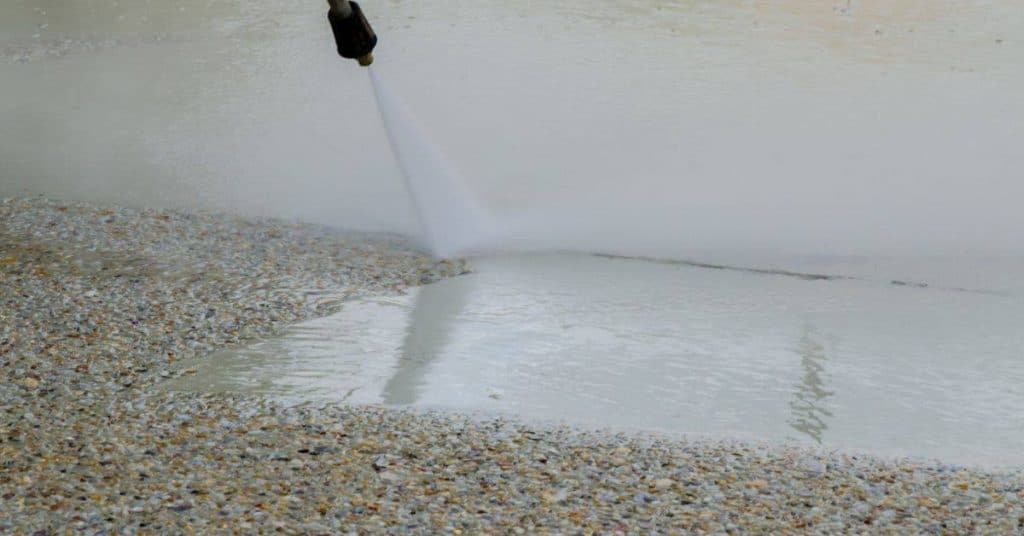
Pressure washing exposed aggregate concrete surface

Creating an Exposed Aggregate ‘Window’ in a Small Repair (Matching Existing Finish)

Introduction An exposed aggregate window is a small patch that reveals decorative stones after removing a portion of concrete to match the surrounding finish. Plan to cut a window in the existing slab, clean and dampen the area, and set up a simple form to keep edges neat. Check local rules and the patch will

Creating an Exposed Aggregate ‘Window’ in a Small Repair (Matching Existing Finish) Read More »

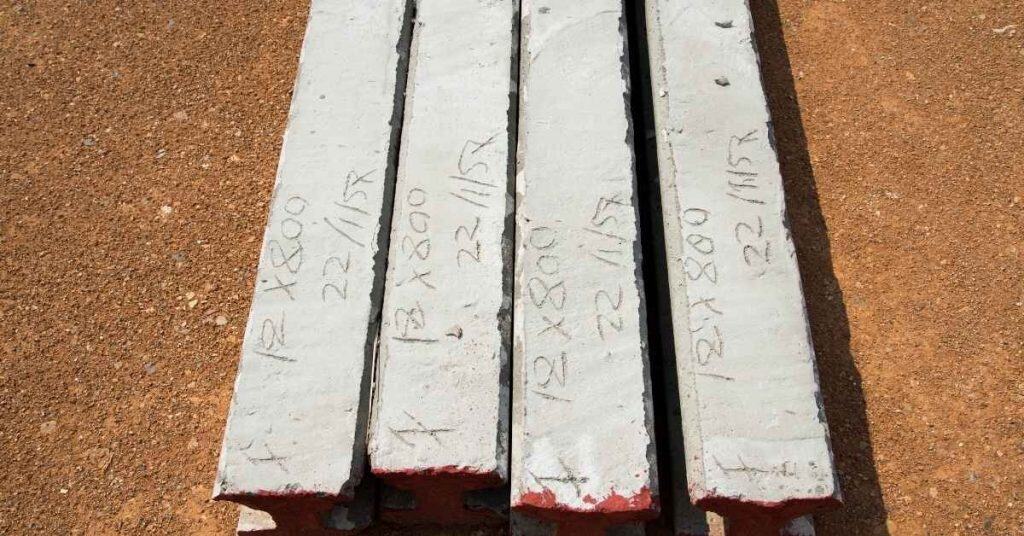
Four concrete test slabs with markings on surface

DIY Carbonation Test for Old Concrete: What It Means for Anchors and Repairs

Introduction A phenolphthalein carbonation test is a localized destructive or minimally destructive screening check—not an anchor test. It can show how far CO₂-driven chemical neutralization appears to have progressed from an exposed concrete surface. It cannot establish concrete strength, corrosion rate, corrosion amount, bond strength, pull-out resistance, or whether a particular anchor is safe for

DIY Carbonation Test for Old Concrete: What It Means for Anchors and Repairs Read More »

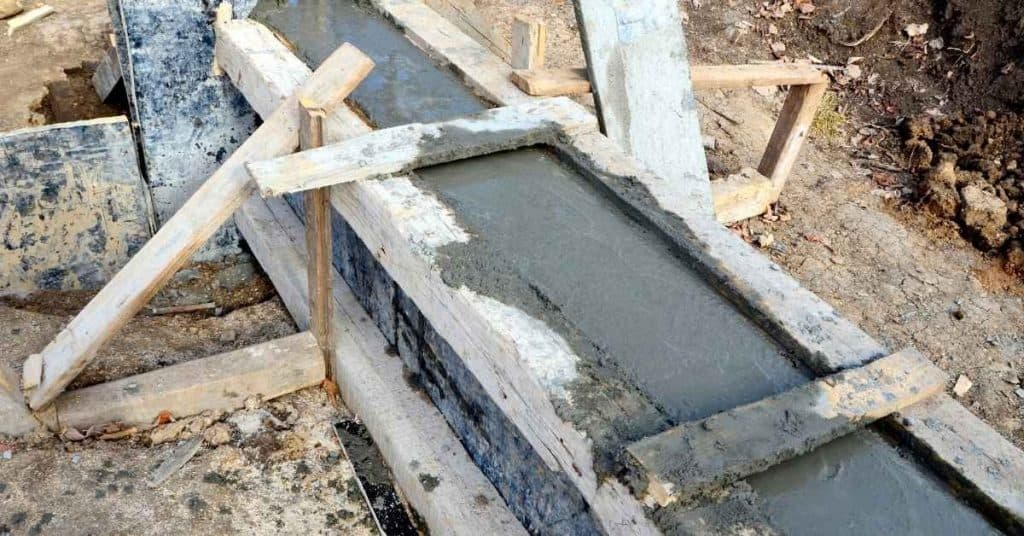
Wooden forms holding freshly poured concrete swale

How to Create a Drainage Swale in Concrete Without Making It Look Like a Gutter

Introduction A drainage swale in concrete is a shallow, sculpted channel that directs water away while keeping a smooth, integrated look. The idea is to route water on the surface or just below, and still read as part of the yard, not a gutter. Plan with proper slope, width, and edge treatment, and confirm you

How to Create a Drainage Swale in Concrete Without Making It Look Like a Gutter Read More »

Worker pouring and leveling wet concrete outdoors

How to Handle a Concrete Slab Sinking at One Corner: Foam vs. Mudjacking

Introduction A concrete slab that has sunk at one corner can sometimes be lifted if the slab is mostly intact, the settlement is localized, and the cause of the void or soil loss is corrected. Cementitious grout (often called mudjacking) and two-component polyurethane foam are specialist slab-lifting methods—not ordinary beginner DIY repairs. The practical homeowner

How to Handle a Concrete Slab Sinking at One Corner: Foam vs. Mudjacking Read More »

Concrete driveway ramp with grooved textured surface

How to Add a Concrete Curb Ramp at the Sidewalk (DIY Without Tripping Hazards)

Introduction A concrete curb ramp is a sloped transition that lets you roll or walk from the sidewalk down to the street grade with fewer tripping hazards. This DIY intro helps you plan and build a simple ramp safely, without specialized equipment. Check your local requirements and ADA guidance to understand what’s expected for accessibility

How to Add a Concrete Curb Ramp at the Sidewalk (DIY Without Tripping Hazards) Read More »