Search Results for: surface prep

Stucco wall with peeling revealing concrete underneath

Efflorescence on Stucco After Rain: What It Indicates and Gentle Removal Methods

Introduction Efflorescence is a white, powdery salt deposit that shows up on stucco after rain. It means moisture is moving through the wall and carrying soluble salts to the surface. This is common after wet weather and is not mold, though it points to moisture behind the veneer. To remove it gently, start with a […]

Efflorescence on Stucco After Rain: What It Indicates and Gentle Removal Methods Read More »
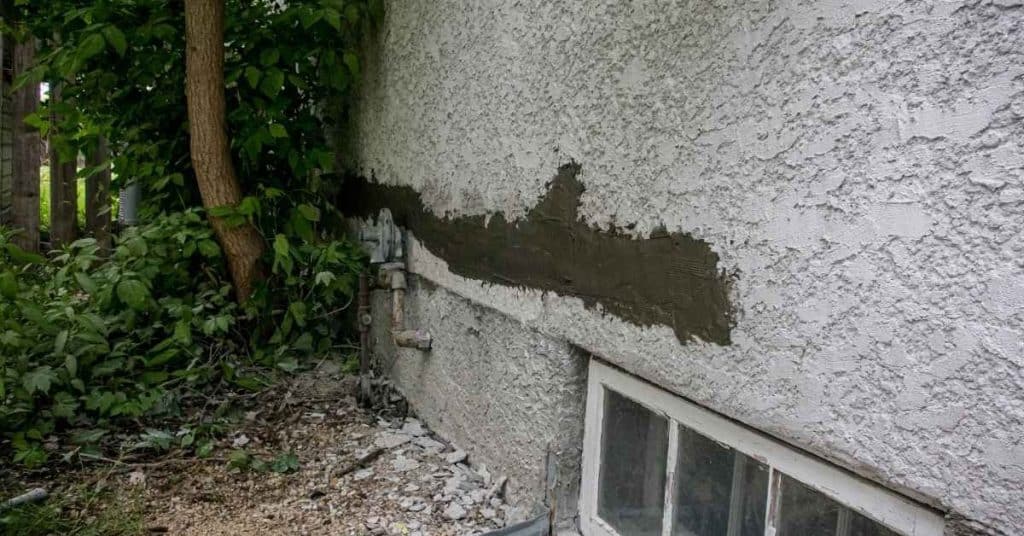
Exterior stucco wall with fresh dark patch above basement window

DIY Stucco Patch Color Matching: Making Test Tiles and Accounting for Cure Darkening

Introduction DIY stucco patch color matching means creating small test tiles to compare color before applying a patch, then adjust for curing changes. You’ll mix a small batch, apply it to a sample board or patch, and let it cure in the same conditions as the repair. Compare the dried tile to nearby surfaces and

DIY Stucco Patch Color Matching: Making Test Tiles and Accounting for Cure Darkening Read More »

Wooden deck stairs attached to deck ledger and supporting posts

Stucco Meets Deck Ledger: A Water-Safe Detail for Existing Decks (No Rot Surprise)

Introduction This detail defines a water-safe method where stucco meets a deck ledger to keep moisture from seeping behind it. It’s a hands-on approach that seals the transition so rot is less likely. You’ll want to follow basic steps and check manufacturer or local guidance for any limits. Start by inspecting the ledger area for

Stucco Meets Deck Ledger: A Water-Safe Detail for Existing Decks (No Rot Surprise) Read More »

Exterior stucco wall with fresh dark patch above basement window

Stucco Too Close to Soil: When Regrading Is Enough and When the Wall Needs Repair

Introduction Stucco that meets soil should be corrected, but the least-invasive fix depends on what is behind the finish. If soil or mulch is simply covering an intact, open base termination, safely lowering and redirecting the grade may solve the contact problem without removing stucco. If the base is soft, cracked, hollow, wet, missing a

Stucco Too Close to Soil: When Regrading Is Enough and When the Wall Needs Repair Read More »

Black wooden double entry doors with glass panels and exterior wall lights

Backwrapping EIFS at Windows and Doors: What It Is and Why DIY Patches Fail Without It

Introduction Backwrapping EIFS at windows and doors means wrapping the exterior foam, weather barrier, and flashing around the rough opening to protect and seal it. It helps prevent water intrusion and wind-driven leaks where the openings meet the wall. DIY patches often fail when the edge around the opening isn’t wrapped and flashed properly. Without

Backwrapping EIFS at Windows and Doors: What It Is and Why DIY Patches Fail Without It Read More »

Clean concrete foundation corner with metal anchors installed

Concrete Window Well Pad: Making a Small Slab That Sheds Water Away From the Wall

Introduction A concrete window well pad is a small slab poured around a window well to shed water away from the foundation. It’s a DIY-friendly project that helps stop splash and seepage. You’ll need to plan, mix, pour, and finish with a slope away from the wall. Start by checking the wall clearance and establishing

Concrete Window Well Pad: Making a Small Slab That Sheds Water Away From the Wall Read More »

Worker pouring wet concrete onto ground surface

Pouring a Concrete Pad for a Heat Pump/AC: Vibration Isolation and Drainage Details

Introduction Pouring a concrete pad for a heat pump involves creating a level, vibration-isolated base with proper drainage. Plan a level, supported site and confirm any local rules before you pour. Check the equipment pad specs and local drainage requirements. To limit vibrations, place the slab on a simple isolation layer and centered under the

Pouring a Concrete Pad for a Heat Pump/AC: Vibration Isolation and Drainage Details Read More »

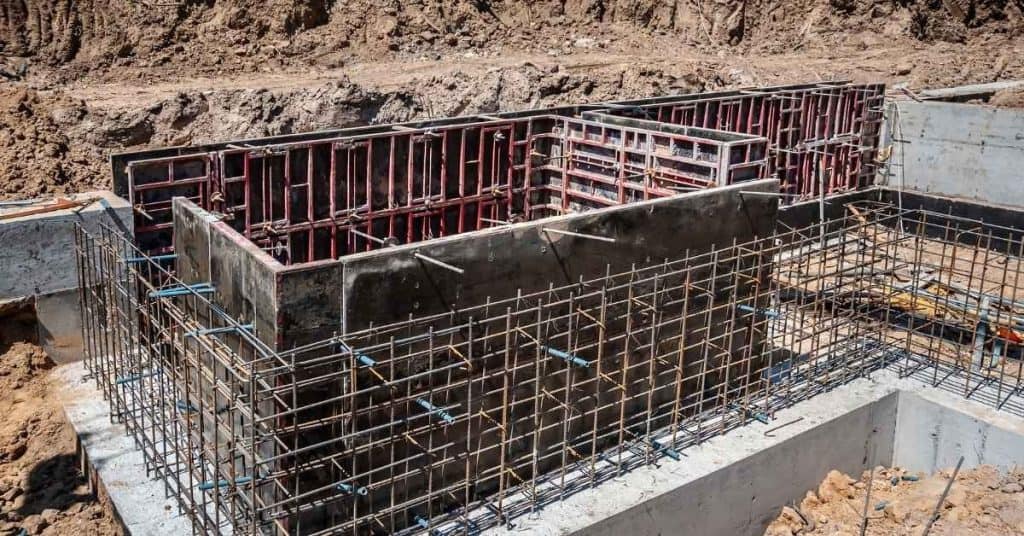
Steel rebar grid and metal formwork on concrete base

Concrete Pad for a Generator: Bolt Layout, Clearance, and Crack Control

Introduction A concrete pad for a generator is a level, reinforced slab designed to support the weight and vibration of a generator. This piece covers how to lay out bolts, keep proper clearance, and control cracks in a DIY-friendly way. Plan a clean, square pad with a solid base and verify level before you pour.

Concrete Pad for a Generator: Bolt Layout, Clearance, and Crack Control Read More »

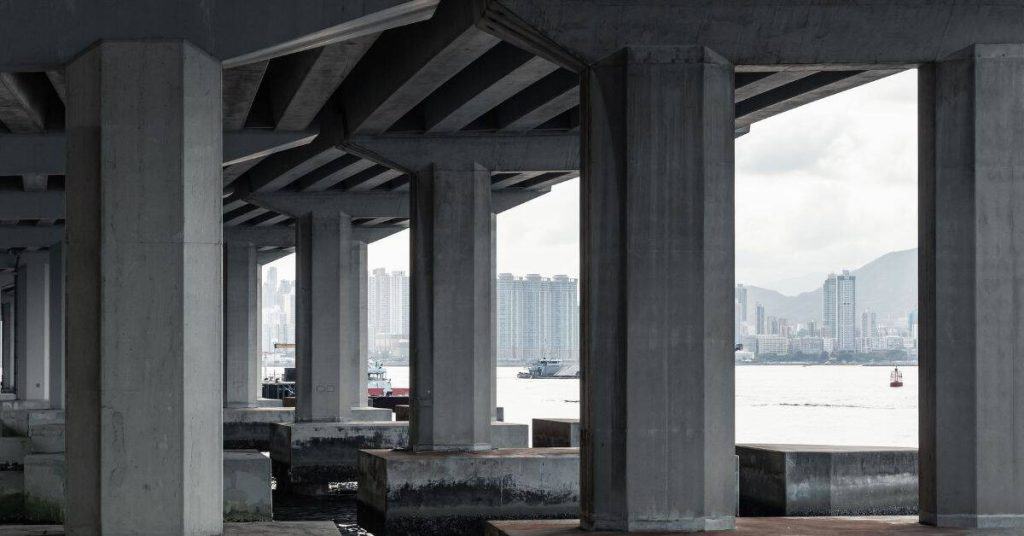
Concrete support columns under a waterfront bridge

Concrete Downspout Extensions: When to Use Channels vs. Buried Pipe

Introduction Concrete downspout extensions are either surface channels or buried pipes that move roof runoff away from the house. Channels sit along the ground and channel water visibly, while buried pipes hide under the soil. Choose the option based on how visible you want it and how much grading you can maintain. Check local rules

Concrete Downspout Extensions: When to Use Channels vs. Buried Pipe Read More »